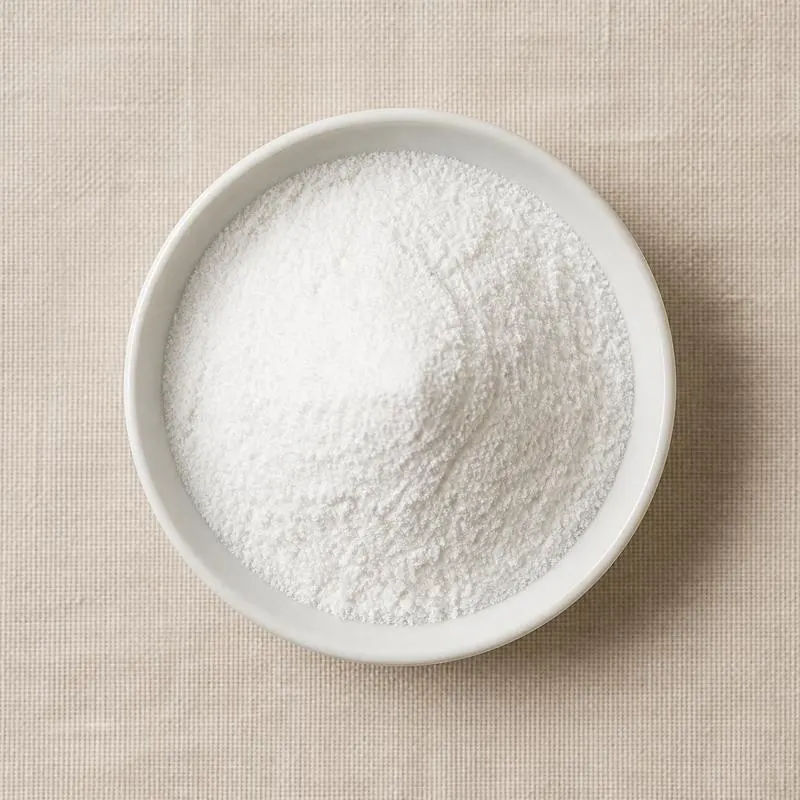
Trimagnesium Phosphate
Trimagnesium Phosphate is the fully neutralised magnesium salt of orthophosphoric acid, with formula Mg₃(PO₄)₂ and CAS number 7757-87-1.
Often sold as the octahydrate or pentahydrate, the compound is alkaline in aqueous suspension and finds primary use as an anticaking agent, mineral fortifier, and pharmaceutical excipient. In Europe it is identified by the food-additive code E343iii.
We source bulk Trimagnesium Phosphate from top China manufacturers for our partners. The manufacturer is in Jiangsu. A smaller requirement can ship in a combined container with other ingredients.
Please send the grade you need, the volume and your destination port, and we will come back with a solution and a price.
or call +86-21-6858 0751
- Packaging
- 25 kg kraft paper bag with PE inner liner
- ISO 9001
- HACCP
- Halal
- Kosher
Specifications
Grades / Types Available: Food Grade
| Item | Specification |
|---|---|
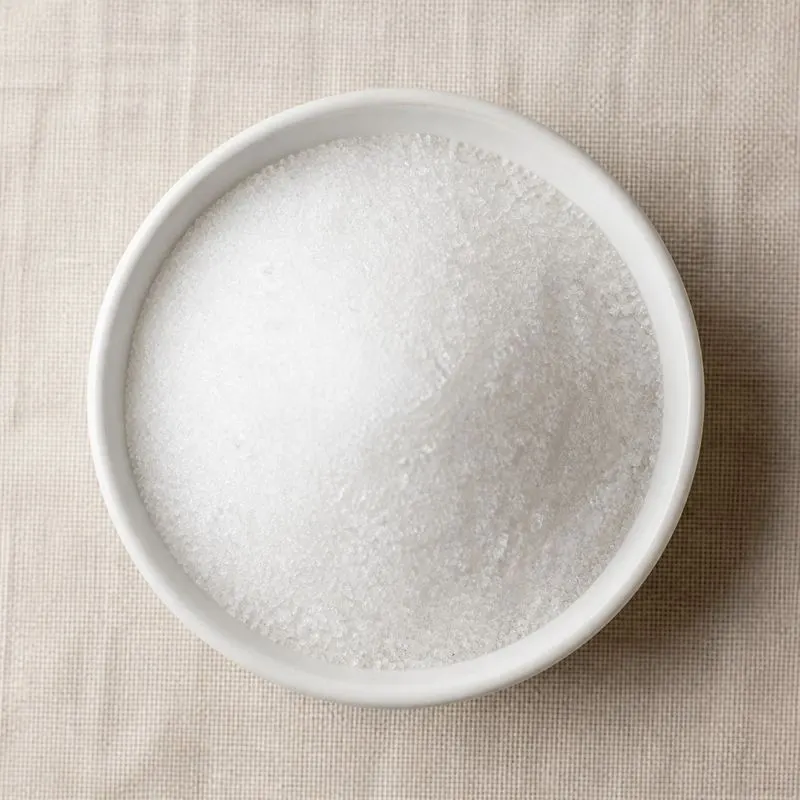
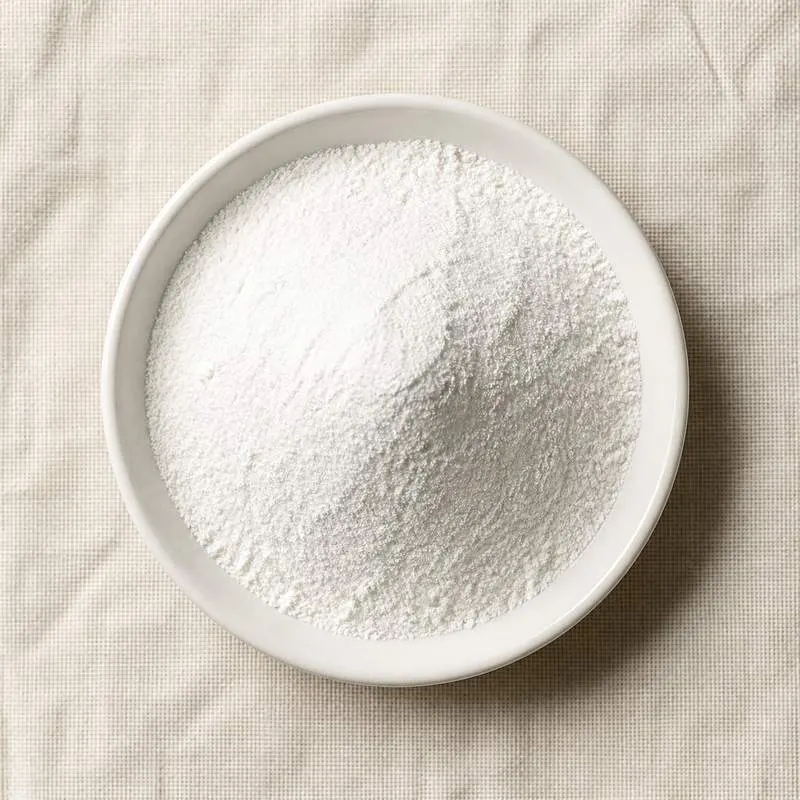
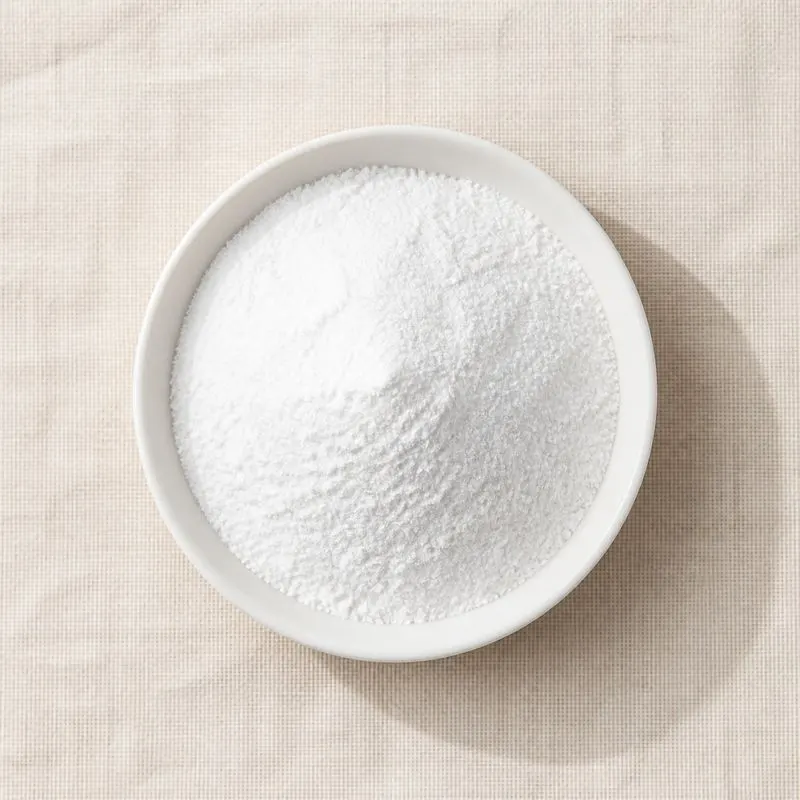
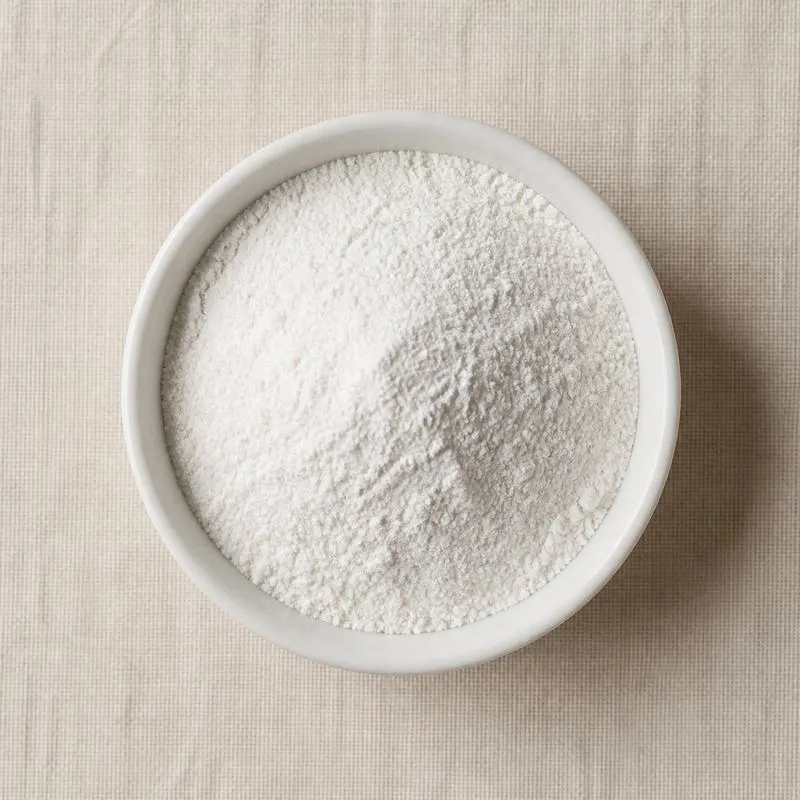
| Appearance | White crystalline powder |
| Assay (Mg₃(PO₄)₂ on ignited basis) | ≥ 96.0% |
| MgO Content | 37.0–45.0% (on ignited basis) |
| P₂O₅ Content | 53.0–56.0% (on ignited basis) |
| Loss on Ignition | 40.0–48.0% |
| pH (saturated solution) | 8.0–9.5 |
| Water Insoluble | ≤ 0.5% |
| Fluoride (F) | ≤ 10 mg/kg |
| Chloride (Cl) | ≤ 0.1% |
| Sulfate (SO₄) | ≤ 0.5% |
| Heavy Metals (as Pb) | ≤ 10 mg/kg |
| Lead (as Pb) | ≤ 4 mg/kg |
| Arsenic (as As) | ≤ 3 mg/kg |
| Identification A | Passes test |
| Identification B | Passes test |
| Arsenic ≤ | 3 mg/kg |
| Fluorine ≤ | 10 mg/kg |
| Lead ≤ | 2.0 mg/kg |
| Loss on heating Mg3(PO4)2.4H2O % | 15.0-23.0 |
| Loss on Ignition Mg3(PO4)2.5H2O | 20.0%-27.0% |
| Acid Insoluble Substances ≤ | 0.2% |
| Soluble Substances ≤ | 1.5% |
| Nitrate | The blue color persists for NLT 5 min |
| Barium | No turbidity within 15 min |
| Calcium | slight turbidity is produced within 5 min |
| Dibasic Salt and Magnesium Oxide | 14.8-15.4 ml/g |
Common Markets Grades
Commercial supply spans hydrated and anhydrous forms across food, pharmaceutical, and technical grades.
The food-grade pentahydrate or octahydrate is the standard material for anticaking in dry blends. Particle size is engineered for high surface area and low bulk density, so that small inclusion rates deliver effective flow improvement.
Pharmaceutical-grade material complies with Ph. Eur. and USP monographs. It serves as a tablet diluent, glidant, and source of magnesium in multivitamin and mineral-supplement formulations.
A nano-engineered grade has appeared in recent years for premium dry-blend and powder applications, offering improved flow performance at lower inclusion rates than the conventional micronized material.
Technical-grade trimagnesium phosphate serves the ceramics, refractories, and specialty fertilizer markets, where assay tolerances are relaxed and bulk pricing dominates.
Applications
- Anticaking agent in powdered dairy products, including milk powder, infant formula base, and creamers
- Flow aid in seasoning blends, instant beverage powders, and powdered nutritional products
- Mineral fortification of cereals, baby foods, and clinical-nutrition products
- Pharmaceutical tablet excipient as a diluent and glidant in direct-compression lines
- Antacid component in combination products with calcium or aluminium salts
- Dietary supplements as a combined magnesium and phosphorus source
- Toothpaste and oral-care formulations as a mild abrasive and mineral source
- Ceramic and refractory applications that use magnesium phosphate cement chemistry
- Specialty animal-feed premixes for ruminants and poultry
China Manufacturers of Trimagnesium Phosphate
Top Trimagnesium Phosphate manufacturers in China.

Company names and logos are the property of the manufacturers themselves. They are listed here because our own directory records them as producing this ingredient. A listing is not an endorsement by them, and we do not represent them or speak on their behalf.
How We Help Source Trimagnesium Phosphate
Direct Factory Sourcing
We run the whole process: selecting the manufacturer from the top Chinese food ingredient producers, negotiating the price, verifying quality, and coordinating the logistics. You deal with us instead of with several factories at once.
Original Packaging and Documents from the Manufacturer
The manufacturer sends your Trimagnesium Phosphate out of its own factory in the original packing, through to your destination port. The COA, COO, MSDS, TDS and any certifications reach you from the manufacturer as well.
Free Samples and Lead Time
We send 100 to 500 g free for your own laboratory to test and you cover only the courier, usually within 2 to 3 working days. ETD is usually within 7 to 15 days once the order is confirmed, and we check that date against the factory's own manufacturing schedule before we give it to you.
Combined Shipment
We can load Trimagnesium Phosphate together with other ingredients such as Sodium Acetate, Calcium Citrate and Sodium Lactate into one 20' FCL. If your quantity is small, we can also ship LCL.
Regulatory Status
Trimagnesium Phosphate is widely approved as a food additive and pharmaceutical excipient.
In the European Union it carries the E number E343iii within the magnesium phosphates family. Regulation (EC) No 1333/2008 governs use and permits it in defined food categories at quantum satis or specified maximum levels.
The United States Food and Drug Administration recognises the substance under 21 CFR 184.1434 as a GRAS food ingredient with self-limiting use levels.
JECFA has evaluated the magnesium phosphates and considers the group acceptable. Pharmacopoeial coverage is provided by the United States Pharmacopeia, the European Pharmacopoeia, and the Japanese Pharmacopoeia.
Halal and Kosher certifications are routinely available, as all production inputs are mineral-sourced with no animal-derived processing aids.
Manufacturing Process
Industrial synthesis follows the same neutralisation approach as the dibasic salt, with the stoichiometry shifted toward full deprotonation of phosphoric acid.
Magnesium oxide, hydroxide, or carbonate is reacted with phosphoric acid in a three-to-two magnesium-to-phosphate ratio. The reaction is run in dilute aqueous suspension to keep viscosity manageable and to allow uniform crystal growth.
Temperature is held in the 80 to 95 degrees Celsius range, with extended hold times to drive the equilibrium fully to the tribasic salt. Incomplete reaction yields mixtures with the dibasic species that fail the food-grade specification.
The resulting suspension is filtered, washed thoroughly to remove residual sodium or calcium impurities, and dried under conditions that preserve the desired hydrate. Spray-drying produces the low-density, high-surface-area material favored for anticaking applications.
Major producers include Chemische Fabrik Budenheim in Germany, Prayon in Belgium, ICL Performance Products, and Chinese specialists serving the regional infant-formula and dairy-powder markets.