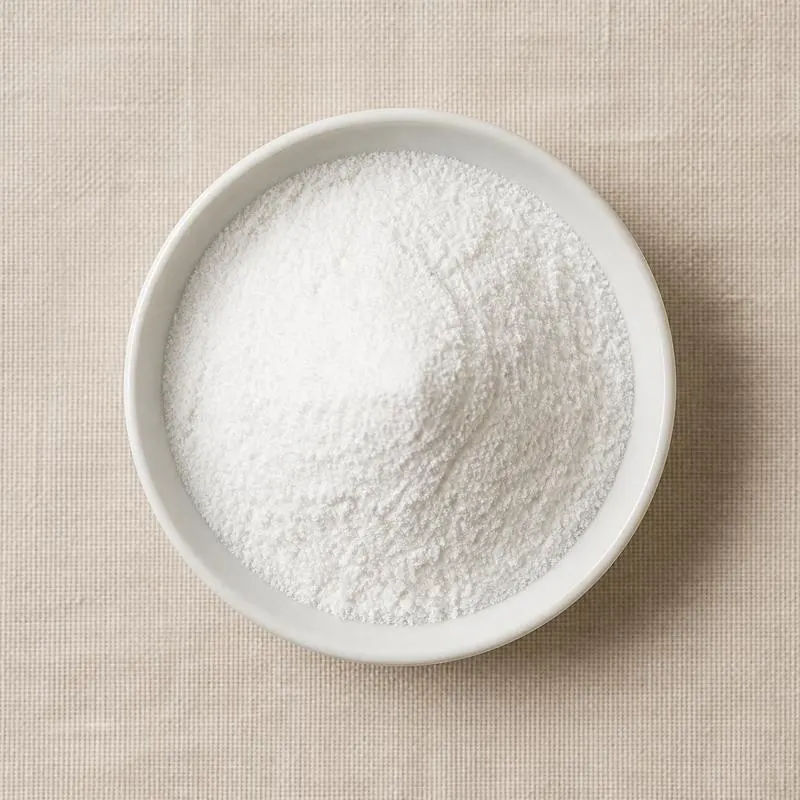
Magnesium Phosphates
Magnesium phosphates are the magnesium salts of orthophosphoric acid, comprising the monobasic, dibasic and tribasic forms, used in food as sources of magnesium, as acidity regulators, as anticaking agents and as raising agent components.
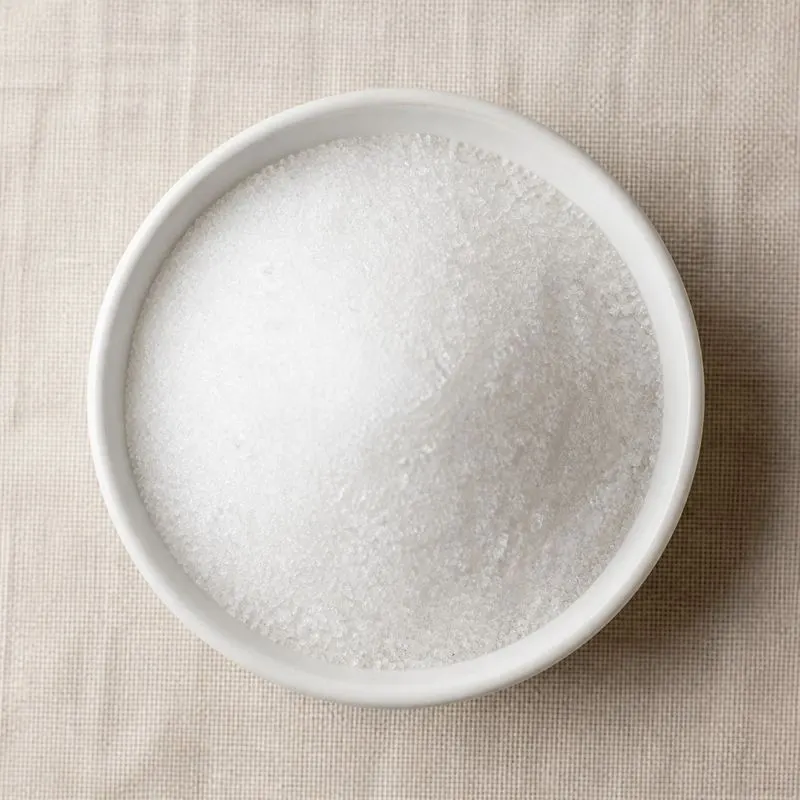
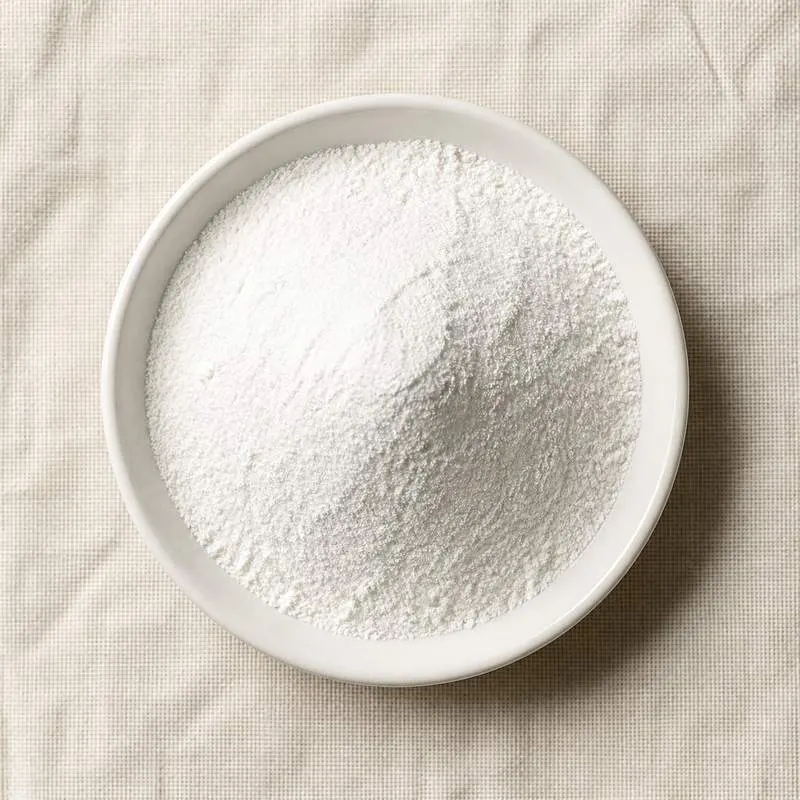
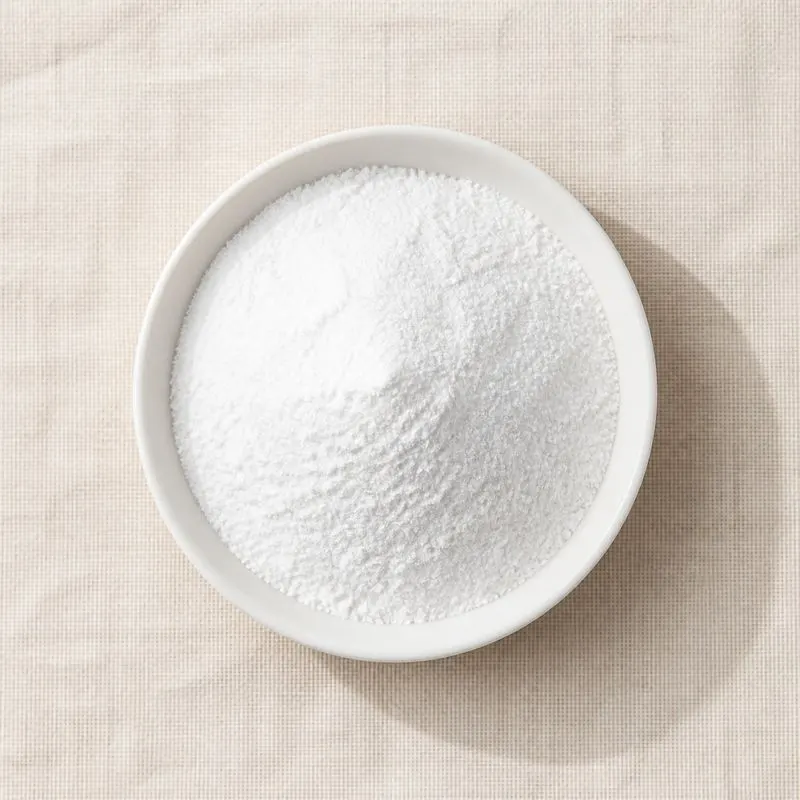
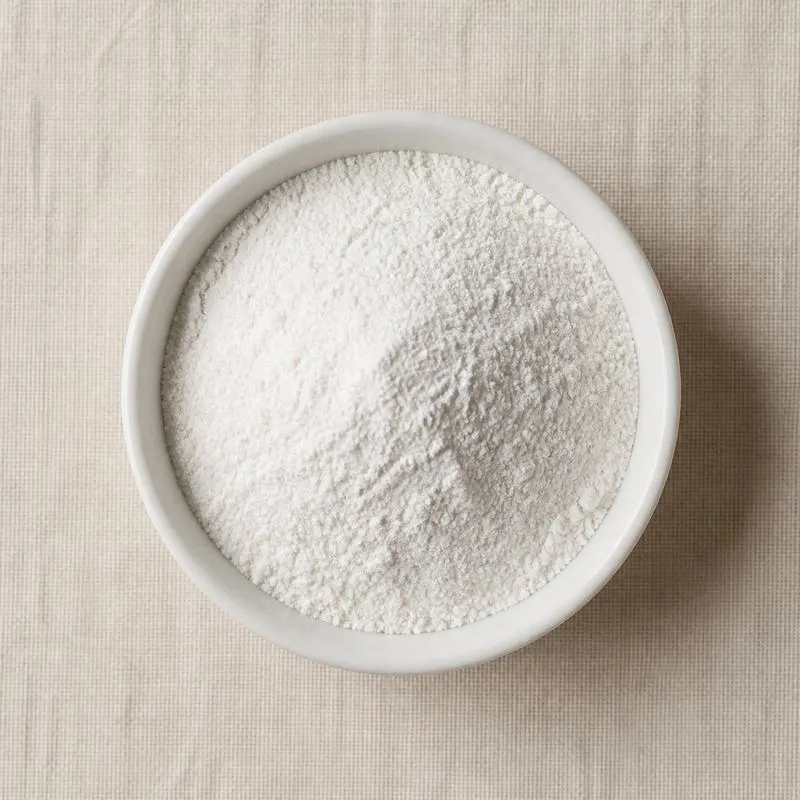
The three differ sharply in solubility, and that difference determines how each is used. Monomagnesium phosphate is acidic and the most soluble, and it behaves as a mild leavening acid and a buffer. Dimagnesium phosphate is close to neutral and only sparingly soluble, and it is the general purpose fortification salt. Trimagnesium phosphate is alkaline and practically insoluble in water, dissolving in dilute acid, and its very fine particle size makes it useful as a free flow agent as well as a mineral source. All three are white, odourless, tasteless crystalline or amorphous powders, insoluble in ethanol, and all are traded both as anhydrous salts and as hydrates.
As mineral carriers they sit between the carbonates and the organic salts, delivering more magnesium per unit weight than magnesium citrate or lactate while contributing far less of the bitter, laxative character associated with soluble magnesium salts such as the sulphate and the chloride. They are thermally stable through baking, extrusion and spray drying, though the hydrated forms lose water of crystallisation on strong heating.
We source bulk Magnesium Phosphates from top China manufacturers for our partners. The manufacturer is in Chongqing. A smaller requirement can ship in a combined container with other ingredients.
Please send the grade you need, the volume and your destination port, and we will come back with a solution and a price.
or call +86-21-6858 0751
- Function
- Mineral salt
Specifications
| Item | Specification |
|---|---|
| Appearance | White odourless crystalline or amorphous powder |
| Identification | Positive for magnesium and for orthophosphate |
| Assay of the declared salt | 98.0 to 101.0% on the ignited basis |
| Magnesium content | Not less than 14.0% on the anhydrous basis for the dibasic grade |
| pH of 10% aqueous slurry | 6.0 to 8.5 for the dibasic grade |
| Loss on ignition at 800 degrees Celsius | Not more than 32.0% for the trihydrate grade |
| Acid insoluble matter | Not more than 0.2% |
| Chloride | Not more than 0.1% |
| Sulphate | Not more than 0.5% |
| Fluoride | Not more than 10 mg/kg |
| Heavy metals as lead | Not more than 10 mg/kg |
| Lead | Not more than 2.0 mg/kg |
| Arsenic | Not more than 3.0 mg/kg |
| Particle size | Not less than 95% through 100 mesh, or as specified |
Common Markets Grades
The three salts are separate products with separate specifications and are not interchangeable, and each is sold in defined hydration states, the dibasic salt as the trihydrate being the most common food form. Food grade is made to a food chemicals codex or equivalent monograph with limits on fluoride, arsenic, lead and acid insoluble matter, and pharmaceutical grade to a pharmacopoeial monograph for use as an excipient and as an antacid and magnesium source.
Physical form is the main variable within each salt. Milled powders are used for dry blending into premixes and for beverage fortification where dispersion matters, granulated and spray agglomerated grades for direct compression tabletting and dust free handling, and very fine, low bulk density trimagnesium phosphate for anticaking use, where surface area rather than assay is what is being bought. Technical grades are made for cement, ceramic and fertiliser applications from unpurified feedstocks and have no place in food.
Applications
- Magnesium fortification of beverages, plant based drinks, cereals and nutrition bars
- Food supplement tablets and powders sold as magnesium sources
- Anticaking and free flow agent in powdered products and seasoning blends, using the tribasic salt
- Acidity regulation and buffering in dairy, beverage and confectionery systems
- Chemical leavening blends, where the monobasic salt contributes acidity
- Flour treatment and bakery improvers, as a mineral and dough conditioning salt
- Sports and electrolyte drinks, contributing magnesium in a low bitterness form
- Tablet formulation, as a mineral diluent and glidant
- Animal feed and pet food premixes, as a source of available magnesium and phosphorus
China Manufacturers of Magnesium Phosphates
Top Magnesium Phosphates manufacturers in China.

Company names and logos are the property of the manufacturers themselves. They are listed here because our own directory records them as producing this ingredient. A listing is not an endorsement by them, and we do not represent them or speak on their behalf.
Regulatory Status
In the United States the magnesium phosphates are recognised as safe for use as nutrient supplements, anticaking agents, acidity regulators and dough conditioners, and appear among the generally recognised as safe substances listed in 21 CFR Parts 182 and 184 under the names magnesium phosphate, dibasic and tribasic. They are permitted sources of magnesium in fortified foods and in dietary supplements, and are declared in an ingredient statement by name. Pharmacopoeial monographs cover pharmaceutical and antacid use.
In the European Union Regulation (EC) No 1333/2008 authorises the magnesium phosphates as food additives carrying the E number E343, with E343(i) for the monobasic salt and E343(ii) for the dibasic salt, and sets maximum levels by food category expressed as phosphorus pentoxide, with purity criteria in Regulation (EU) No 231/2012. Since the European Food Safety Authority reassessed the phosphates as a single group, the permitted level in a food applies to all added phosphate taken together. Regulation (EC) No 1925/2006 on the addition of vitamins and minerals to foods and the food supplements directive instead govern their use specifically as magnesium sources for nutritional purposes, and their annexes list the permitted mineral forms. Codex includes the magnesium phosphates in its general standard for food additives and in its advisory list of nutrient compounds, and the Joint FAO WHO Expert Committee on Food Additives has published specifications for the salts and evaluated the phosphates as a group.
Manufacturing Process
All three salts are made by reacting purified phosphoric acid with a magnesium source, usually magnesium oxide, magnesium hydroxide or magnesium carbonate, in an agitated reactor. The magnesium to phosphorus ratio at which the reaction is run determines which salt forms, one to one for the monobasic, one to one at an elevated pH for the dibasic and three to two for the tribasic, so the reaction is metered continuously and the composition is verified by titration during the batch. The neutralisation is exothermic and is cooled, and the more alkaline the target the more the product precipitates as it forms rather than remaining in solution.
The monobasic salt is recovered from a clear liquor by evaporation and cooling crystallisation followed by centrifugation, while the dibasic and tribasic salts are filtered or centrifuged directly from the precipitated slurry after an ageing step that completes crystal growth and sets the particle size. The separated solid is washed to remove soluble impurities and dried, gently for the hydrated grades so that the water of crystallisation is preserved, and more strongly or by calcination where an anhydrous grade is required. Drying method determines physical form. Spray drying gives the light, fine, high surface area powder used for anticaking, while filter cake drying followed by milling gives a denser fortification grade. The dried solid is milled, air classified, screened and metal detected, then tested for magnesium content, loss on ignition, fluoride and heavy metals before packing into lined paper sacks or fibre drums.