Twinsweet
Twinsweet is the trade description of aspartame acesulfame salt, a single crystalline compound formed from the two sweeteners aspartame and acesulfame. It is not a physical blend. The acidic form of acesulfame donates a proton to the basic amino group of aspartame, and the resulting ionic salt crystallises as one substance in which the two moieties are present in a fixed molar ratio, corresponding to roughly 64 percent aspartame and 36 percent acesulfame by weight.
Sweetness intensity is around 350 times sucrose. The point of combining the two is sensory rather than economic: acesulfame has a fast sweetness onset and a slightly bitter tail, aspartame has a slow onset and a lingering clean sweetness, and together they give a fuller and more sucrose like curve than either alone, with a measurable synergy that means the pair sweetens more than the sum of its parts. Delivering that combination as a salt rather than as a dry blend removes the risk of the two components segregating during handling.
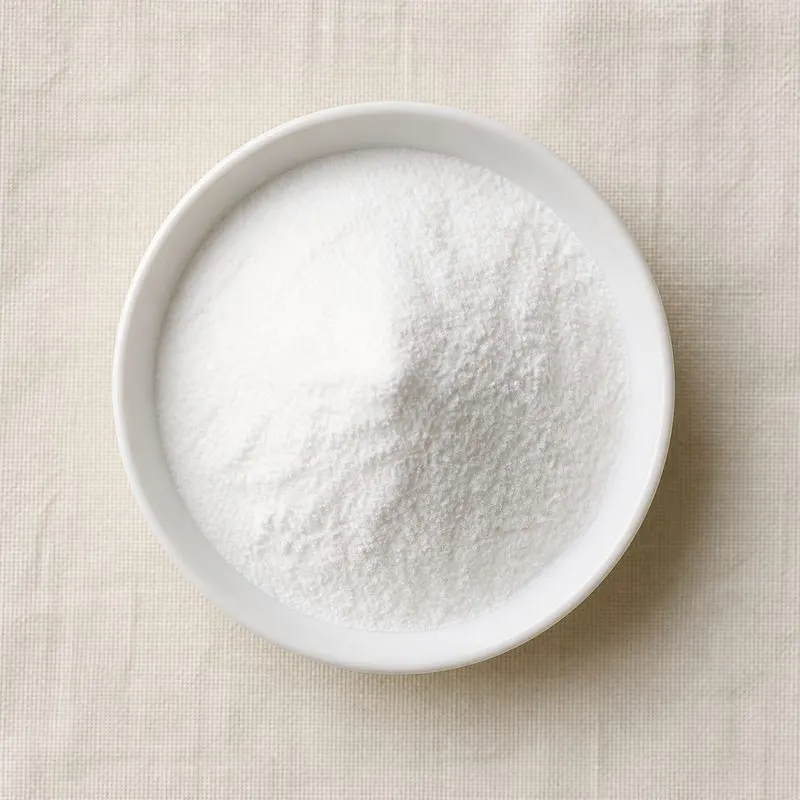
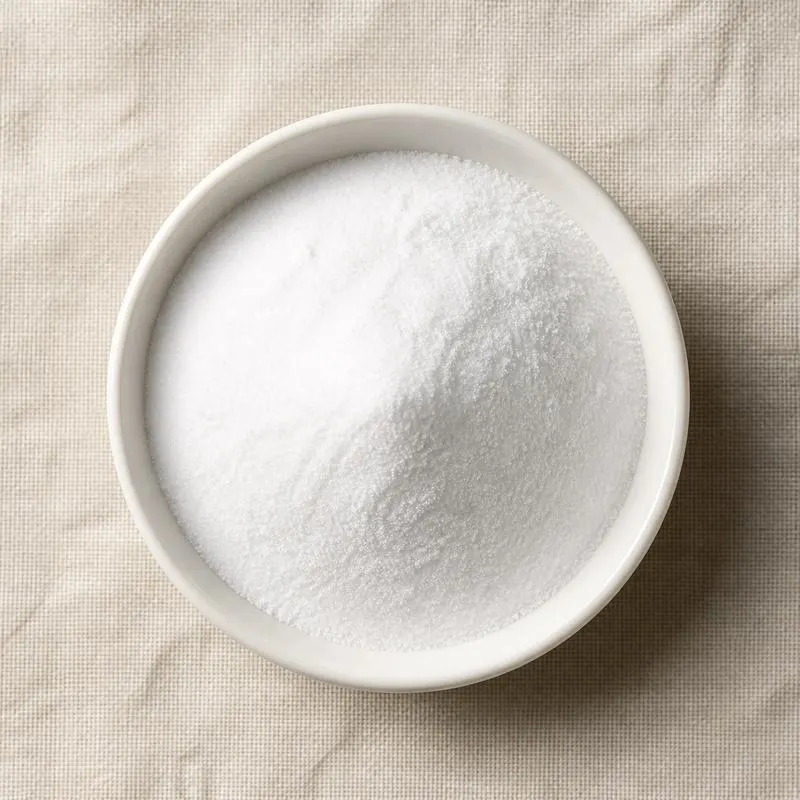
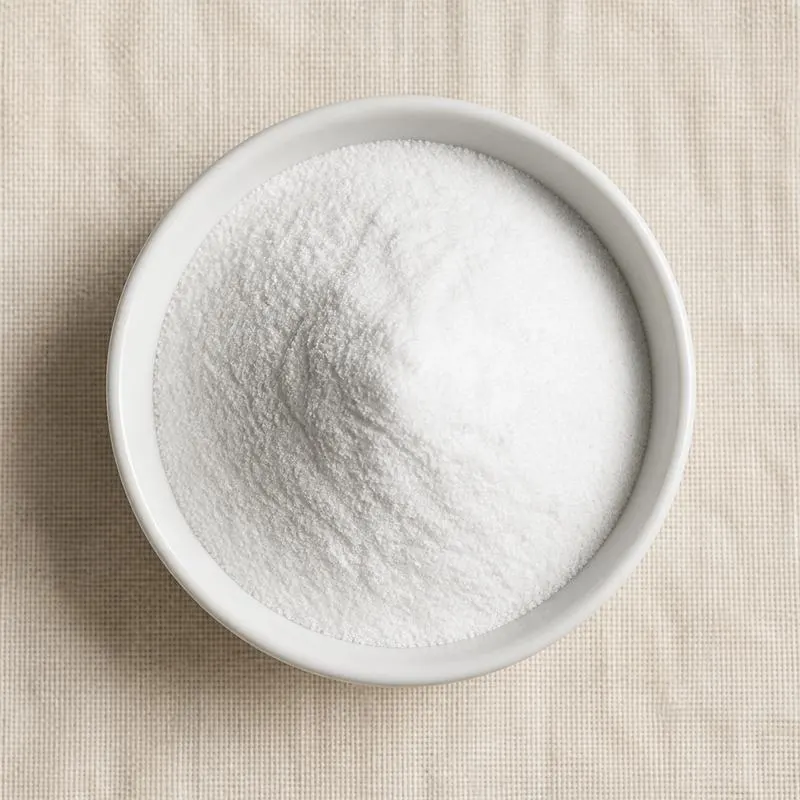
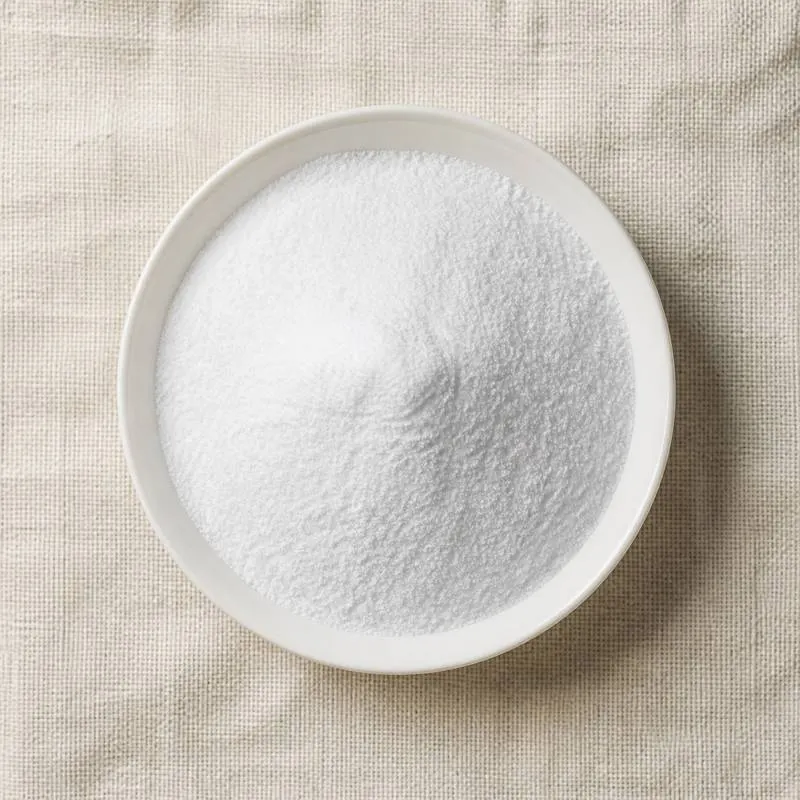
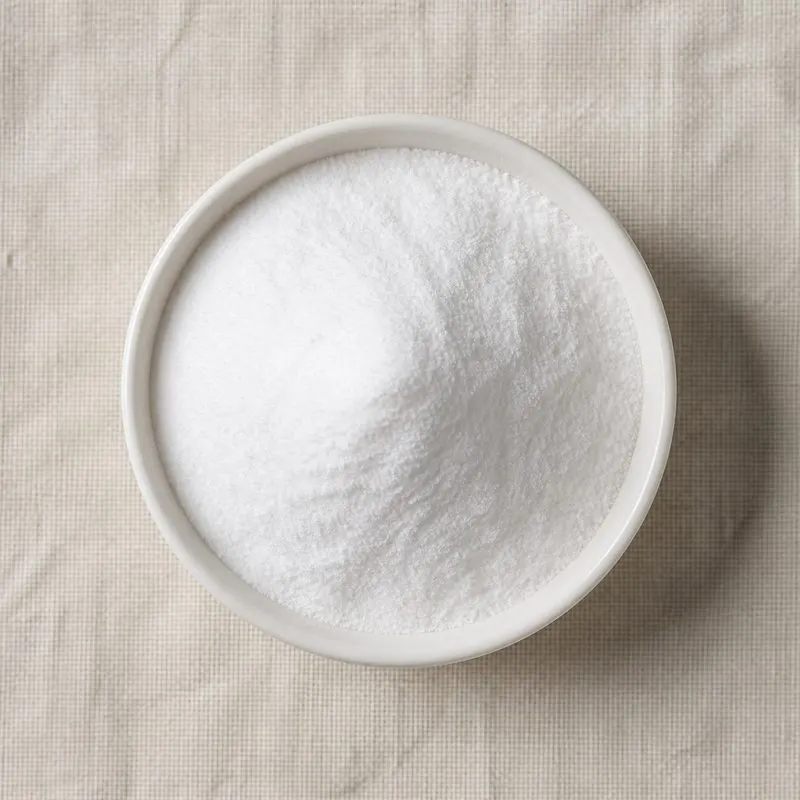
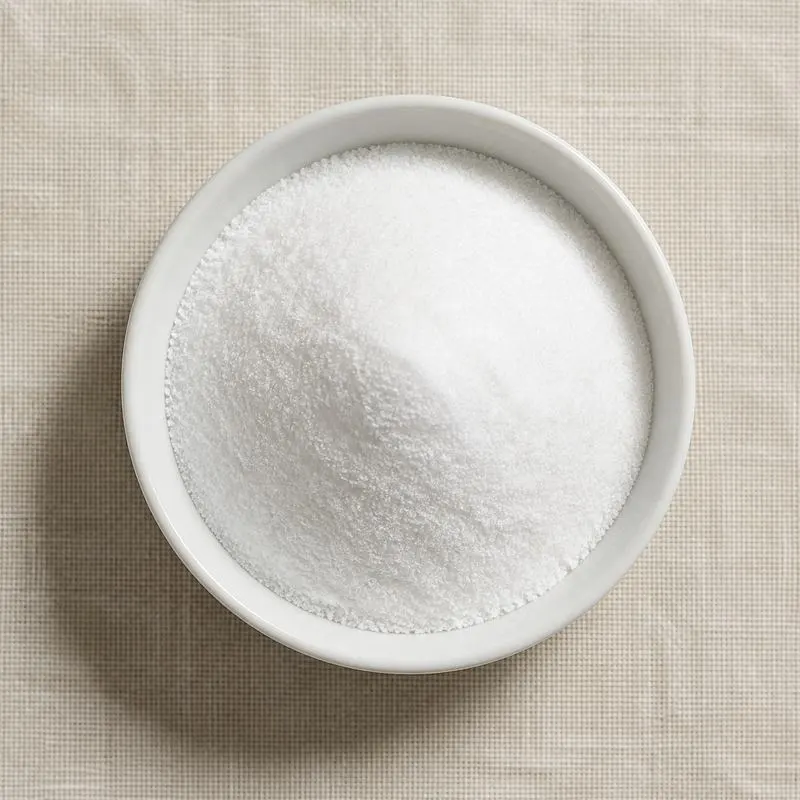
The material is a white crystalline powder, more soluble in water than aspartame alone and less hygroscopic than acesulfame potassium. It contains no potassium and no sodium, which suits low mineral formulations. Being an aspartame derivative it hydrolyses under prolonged heat and at extremes of pH, releasing its amino acid components and losing sweetness, so it is used in beverages and cold or short bake applications rather than in long thermal processes.
We source bulk Twinsweet from top China manufacturers for our partners. The manufacturer is in Jiangsu. A smaller requirement can ship in a combined container with other ingredients.
Please send the grade you need, the volume and your destination port, and we will come back with a solution and a price.
or call +86-21-6858 0751
- Function
- Sweetener
Specifications
| Item | Specification |
|---|---|
| Appearance | White crystalline powder, odourless |
| Assay, dried basis | 98.0 to 101.0 percent |
| Aspartame moiety | 63.0 to 66.0 percent |
| Acesulfame moiety | 34.0 to 37.0 percent |
| Identification | Infrared spectrum and HPLC retention conform to reference |
| Loss on drying | 0.5 percent maximum |
| Specific rotation | Plus 14.5 to plus 16.5 degrees |
| pH, 1 percent aqueous solution | 4.0 to 5.5 |
| Transmittance, 1 percent solution | 95 percent minimum at 430 nm |
| 5-benzyl-3,6-dioxo-2-piperazineacetic acid | 0.5 percent maximum |
| Free acesulfame potassium | Complies with specification limit |
| Heavy metals, as Pb | 10 mg/kg maximum |
| Lead | 1.0 mg/kg maximum |
| Arsenic | 3.0 mg/kg maximum |
Common Markets Grades
The compound is traded to a single chemical specification, as a crystalline powder at not less than 98 percent assay with the aspartame and acesulfame moieties in the fixed ratio inherent to the salt. There is no food grade against feed grade distinction and no range of assay levels, because the material either is the salt or it is a mechanical blend of the two parent sweeteners, which is a different article.
What does vary is physical form. Standard, fine and micronised granulations are offered so that dissolution rate and dry blend uniformity can be matched to the application, and agglomerated grades are made for instant dissolution in dry beverage mixes. Encapsulated versions are produced for chewing gum, where the coating delays release. Free flowing preparations diluted onto a carrier are also sold for tabletop and sachet blending.
Applications
- Carbonated soft drinks, where the combined sweetness curve tracks sucrose more closely than either component alone
- Powdered beverage mixes and instant drinks, where a single salt avoids the segregation a two component blend suffers in dry handling
- Flavoured waters and sports drinks, contributing no sodium or potassium to the mineral balance of the formulation
- Chewing gum and mints, usually in an encapsulated form that extends sweetness through the chew
- Table top sweeteners in tablet and sachet form, blended with a bulking agent
- Yoghurt and chilled dairy desserts, where processing temperatures stay low enough to preserve the aspartame moiety
- Sugar free jellies, mousses and cold set desserts
- Pharmaceutical syrups and chewable tablets, masking bitterness in the active ingredient
- Reduced sugar sauces and dressings held at ambient rather than retort processed
China Manufacturers of Twinsweet
Top Twinsweet manufacturers in China.

Company names and logos are the property of the manufacturers themselves. They are listed here because our own directory records them as producing this ingredient. A listing is not an endorsement by them, and we do not represent them or speak on their behalf.
Regulatory Status
In the European Union the salt is authorised as E 962, aspartame acesulfame salt, under the food additives framework, with purity criteria set out in the specifications regulation. Because it releases phenylalanine on hydrolysis, EU labelling rules require foods containing it to carry the statement that the product contains a source of phenylalanine, the same requirement that applies to aspartame itself, and the maximum levels permitted for the salt are calculated against those set for its aspartame and acesulfame components.
In the United States the salt has been the subject of a generally recognised as safe notification to the Food and Drug Administration for use as a sweetener, and the food additive regulations separately permit its two components, aspartame under 21 CFR 172.804 and acesulfame potassium under 21 CFR 172.800. United States labelling likewise requires a phenylketonurics phenylalanine statement on foods containing aspartame or the salt. JECFA has evaluated aspartame acesulfame salt and maintains a specification monograph for it, and Codex lists it among the permitted sweeteners in the General Standard for Food Additives.
Manufacturing Process
Manufacture starts from the two finished sweeteners rather than from primary raw materials. Acesulfame potassium is converted to the free acid form of acesulfame, usually by passing a solution through a strongly acidic cation exchange resin that exchanges potassium for hydrogen, or by acidification followed by extraction. Aspartame, produced separately by coupling L aspartic acid and L phenylalanine methyl ester, is dissolved in warm water or in an aqueous alcohol mixture.
The acesulfame acid solution is combined with the aspartame solution under controlled temperature and stoichiometry, and the acid base reaction forms the salt in solution. The mixture is concentrated and cooled under controlled conditions so that the salt crystallises, seeding being used to fix the crystal habit and particle size. The crystals are separated by centrifugation or filtration, washed to remove residual free sweeteners and any potassium carried through, dried under vacuum or in a fluid bed drier at a temperature low enough to avoid hydrolysis of the aspartame moiety, then milled and screened to the required granulation and packed with a desiccant barrier.