Aspartame
Aspartame is a high-intensity sweetener built from two protein-derived amino acids, L-aspartic acid and L-phenylalanine, joined as a methyl ester dipeptide. The combination yields a clean, sugar-like sweetness about 200 times the intensity of sucrose at typical use levels.
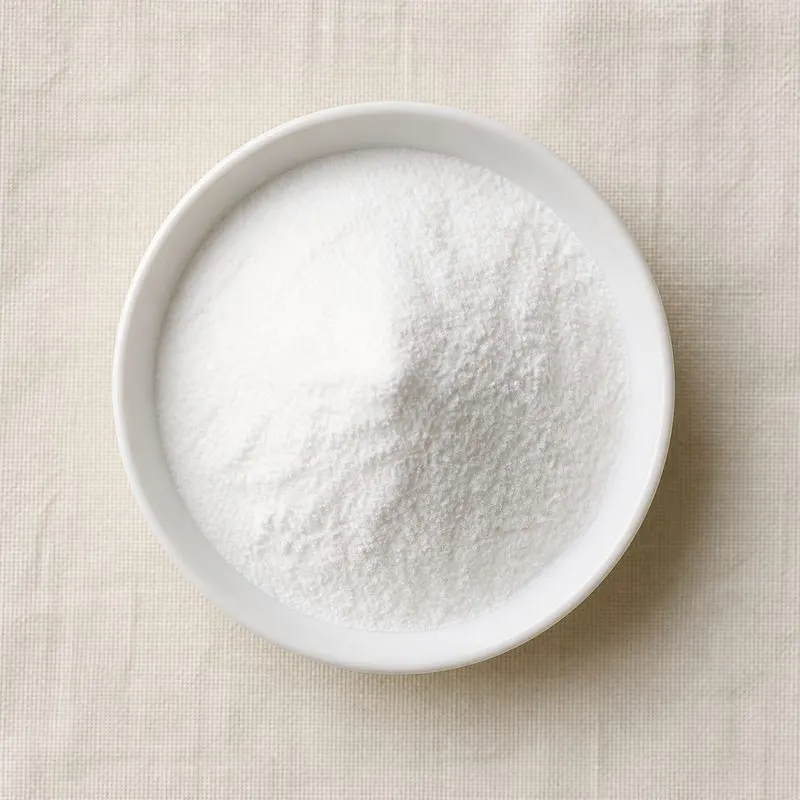
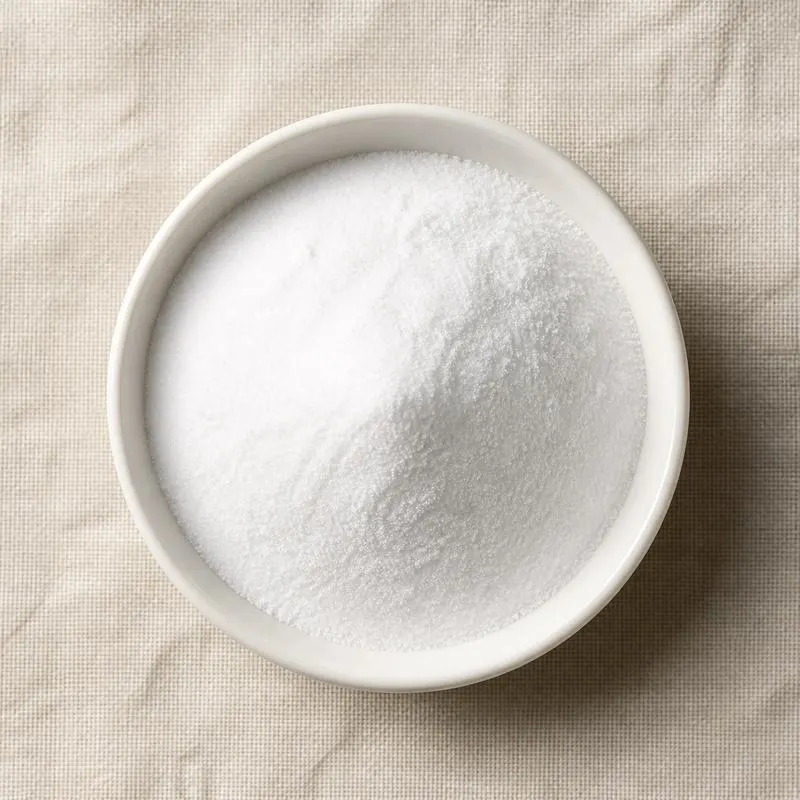
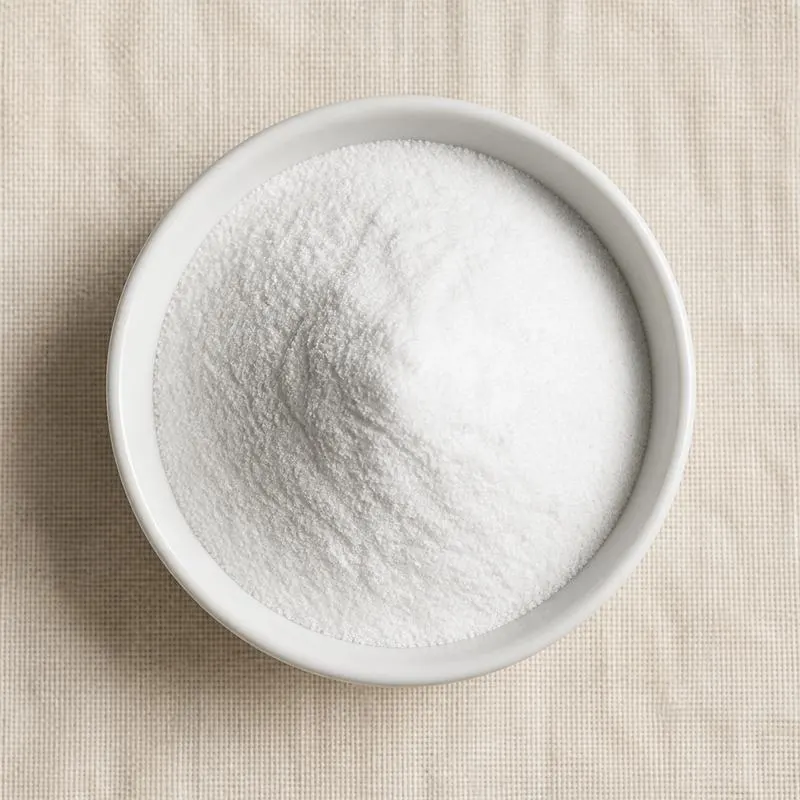
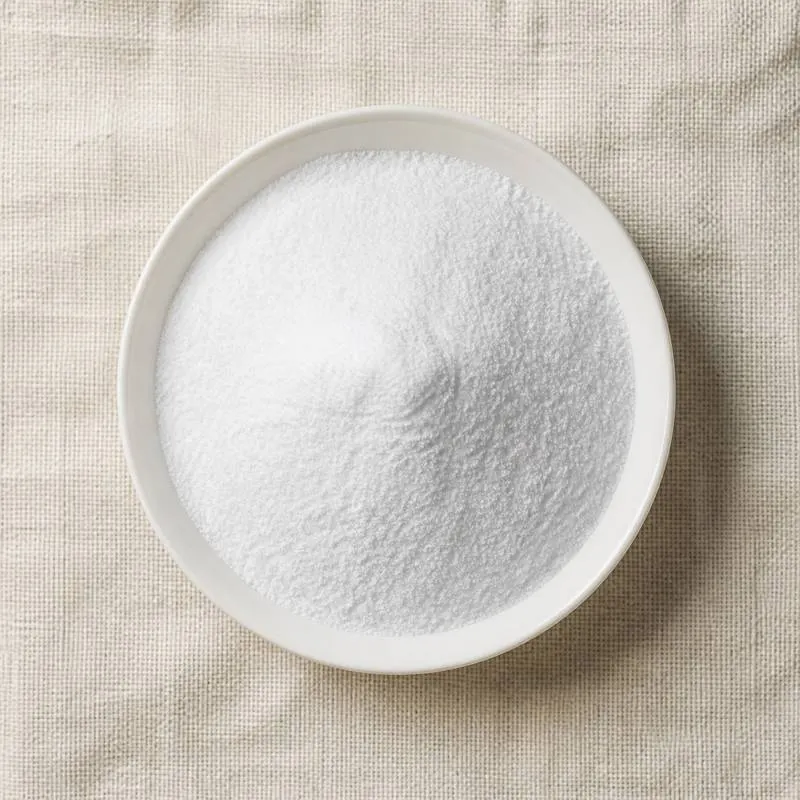
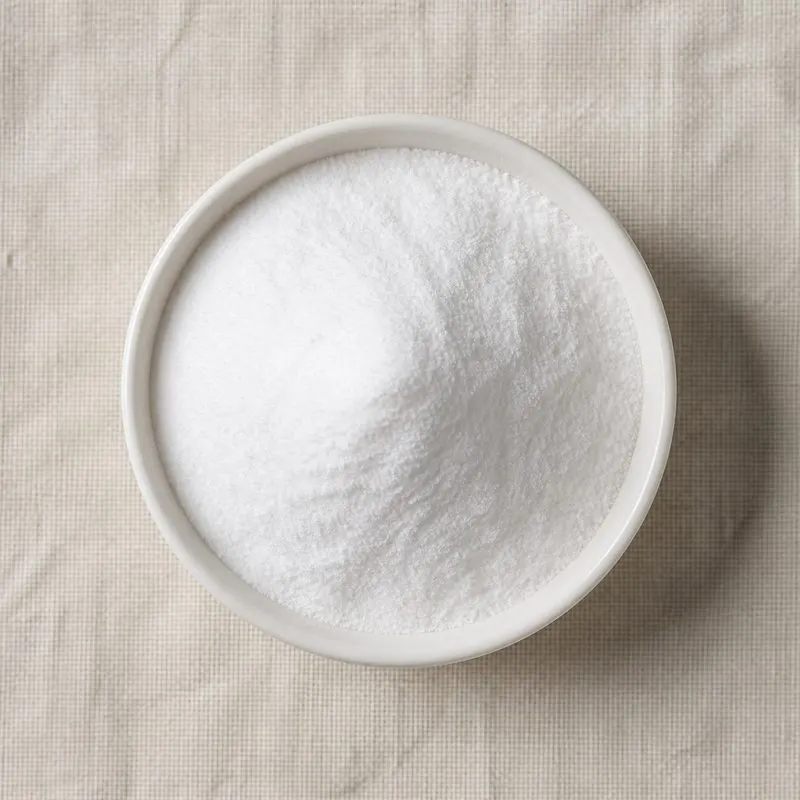
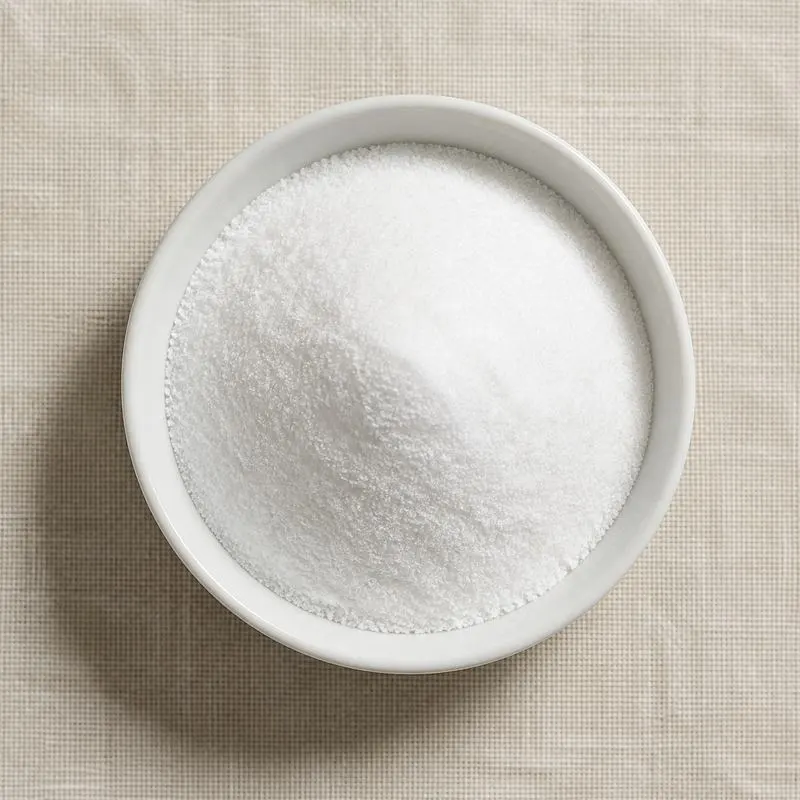
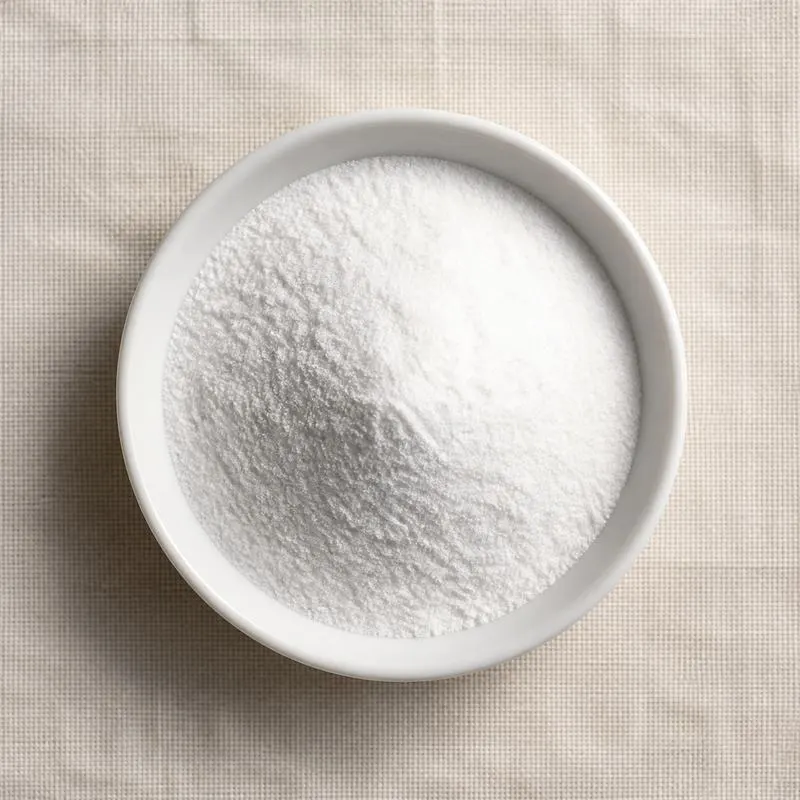
The molecule has the formula C₁₄H₁₈N₂O₅ and a molar mass of 294.30 g/mol. It is a white, odourless crystalline powder, sparingly soluble in water and slightly soluble in ethanol.
Unlike non-nutritive sweeteners, aspartame is fully metabolized to its component amino acids and methanol, delivering 4 kcal per gram. Because dosage is so low, the caloric contribution to a finished food is negligible.
We source bulk Aspartame from top China manufacturers for our partners, working with several of them. The manufacturers are in Jiangsu. For this ingredient the minimum order is 1,000 kg and a 20-foot container takes 13.5 MT, and a smaller requirement can ship in a combined container with other ingredients.
Please send the grade you need, the volume and your destination port, and we will come back with a solution and a price.
or call +86-21-6858 0751
- Minimum order
- 1,000 kg
- Qty in 20' FCL
- 13.5 MT
- Packaging
- 25 kg kraft paper bag with PE inner liner
- Function
- Sweetener
- ISO 9001
- HACCP
- Halal
- Kosher
Specifications
Grades / Types Available: Food Grade, Pharmaceutical Grade
| Item | Specification |
|---|---|
| Appearance | White crystalline powder |
| Assay (dry basis) | 98.0% - 102.0% |
| Loss on Drying | ≤ 4.5% |
| pH (0.8% solution) | 4.5 - 6.0 |
| Specific Rotation | +14.5° to +16.5° |
| Heavy Metals (as Pb) | ≤ 10 mg/kg |
| Arsenic | ≤ 3 mg/kg |
| Transmittance (1% solution at 430nm) | ≥ 95.0% |
| 5-Benzyl-3,6-dioxo-2-piperazineacetic acid | ≤ 1.5% |
| Purity (Food Grade) | ≥ 98.0% |
| Moisture/Loss on Drying | ≤ 5.0% |
| Lead | ≤ 1 ppm |
| Total Plate Count | ≤ 1000 cfu/g |
| Yeast & Mold | ≤ 100 cfu/g |
Common Markets Grades
There are two grades of Aspartame: food and pharmaceutical. Both meet 98 to 102 percent assay on the dried basis, the pharmaceutical grade to the tighter specification.
The crystalline form comes in several particle-size distributions. A fine micronized grade is preferred for tablet sweeteners and dry beverage mixes, where rapid dissolution and uniform blending at very low dose levels are required.
A standard crystalline grade with larger particles is used in tabletop sachets, granular sweetener blends, and direct addition to syrups. A spray-dried agglomerated grade improves flow and reduces dusting in high-speed packaging lines.
Pharmaceutical-grade material complies with USP, BP, and Ph. Eur. monographs, with tighter limits on related substances such as diketopiperazine and free amino acids.
Applications
- Diet carbonated soft drinks and low-calorie flavoured waters
- Tabletop sweeteners in sachet, tablet, and granular formats
- Sugar-free chewing gum, breath mints, and hard candies
- Powdered drink mixes, instant tea, and instant coffee whiteners
- Flavoured low-fat yogurts and fermented milk drinks
- Sugar-free puddings, gelatin desserts, and frozen novelties
- Breakfast cereals and reduced-sugar cereal bars
- Pharmaceutical chewable tablets, lozenges, and oral suspensions to mask bitter actives
- Children's vitamin syrups and effervescent tablets
- Oral-care products including toothpaste, mouthwash, and fluoride rinses
- Sugar-free salad dressings, table syrups, and dessert toppings
- Multi-sweetener blends with acesulfame potassium for synergistic sweetness profiles
Brands Using Aspartame
Widely-distributed consumer products that list Aspartame on the ingredient label.
- Coca-ColaDiet Coke ↗Ingredient panel verbatim: 'CARBONATED WATER, CARAMEL COLOR, ASPARTAME, PHOSPHORIC ACID, POTASSIUM BENZOATE (TO PROTECT TASTE), NATURAL FLAVORS, CITRIC ACID, CAFFEINE.'Label verified 2026-05-24
- Coca-ColaCoca-Cola Zero Sugar ↗Ingredient panel verbatim: 'CARBONATED WATER, CARAMEL COLOR, PHOSPHORIC ACID, ASPARTAME, POTASSIUM BENZOATE (TO PROTECT TASTE), NATURAL FLAVORS, POTASSIUM CITRATE, ACESULFAME POTASSIUM, CAFFEINE, STEVIA EXTRACT.'Label verified 2026-05-24
- PepsiCo (Pepsi)Diet Pepsi ↗Ingredient panel verbatim: 'CARBONATED WATER, CARAMEL COLOR, ASPARTAME, PHOSPHORIC ACID, POTASSIUM BENZOATE (PRESERVES FRESHNESS), CAFFEINE, CITRIC ACID, NATURAL FLAVOR, ACESULFAME POTASSIUM.'Label verified 2026-05-24
- PepsiCo (Pepsi)Pepsi Zero Sugar ↗Ingredient panel verbatim: 'CARBONATED WATER, CARAMEL COLOR, PHOSPHORIC ACID, ASPARTAME, POTASSIUM BENZOATE (PRESERVES FRESHNESS), CAFFEINE, NATURAL FLAVOR, ACESULFAME POTASSIUM, CITRIC ACID, PANAX GINSENG ROOT EXTRACT, CALCIUM DISODIUM EDTA (TO PROTECT FLAVOR).'Label verified 2026-05-24
- Equal (Merisant)Equal Original Sweetener Packets ↗Sweetener packets whose ingredients are dextrose with maltodextrin, aspartame and acesulfame potassium.Label verified 2026-05-24
- Equal (Merisant)Equal Sweetener Tablets ↗Equal FAQ specifies tablets contain 'lactose (from milk), aspartame, acesulfame potassium, cellulose gum, and calcium stearate'.Label verified 2026-05-24
- Mars Wrigley (Orbit)Orbit Peppermint Sugarfree Chewing Gum ↗Ingredient panel verbatim: 'Sorbitol, Gum Base, Glycerol, Mannitol, Natural And Artificial Flavors; Less Than 2% Of: Hydrogenated Starch Hydrolysate, Aspartame, Acesulfame K, Soy Lecithin, Xylitol, Bht (To Maintain Freshness).' With 'PHENYLKETONURICS: CONTAINS PHENYLALANINE.'Label verified 2026-05-24
- Mars Wrigley (5 Gum)5 Gum Peppermint Cobalt Sugarfree Chewing Gum ↗Ingredient panel verbatim: 'Sorbitol, Gum Base, Glycerol, Natural And Artificial Flavors; Less Than 2% Of: Hydrogentated Starch Hydrolysate, Aspartame, Mannitol, Acesulfame K, Soy Lecithin, Color (Blue 1 Lake), Bht (To Maintain Freshness).'Label verified 2026-05-24
- Keurig Dr PepperDiet Dr Pepper ↗Official Dr Pepper product page lists ingredients as 'carbonated water, caramel color, aspartame, phosphoric acid, natural and artificial flavors, sodium benzoate (preservative), and caffeine'.Label verified 2026-05-24
Brand names, product names and logos are the property of their owners. They appear here as published evidence that the ingredient is used, taken from the brand's own label or website. Their appearance is not an endorsement, and it does not mean the brand buys from us or from any manufacturer listed on this site.
China Manufacturers of Aspartame
Top Aspartame manufacturers in China.
 Changmao Biochemical Engineering Co., Ltd.8 ingredients in the directory
 Changzhou Guanghui Food Ingredients Co., Ltd.1 ingredient in the directory
 Nantong Changhai Food Additive Co., Ltd.8 ingredients in the directory
 SinoSweet Co., Ltd.1 ingredient in the directory
 Vitasweet Co., Ltd.2 ingredients in the directory
Company names and logos are the property of the manufacturers themselves. They are listed here because our own directory records them as producing this ingredient. A listing is not an endorsement by them, and we do not represent them or speak on their behalf.
How We Help Source Aspartame
Direct Factory Sourcing
We run the whole process: selecting the manufacturer from the top Chinese food ingredient producers, negotiating the price, verifying quality, and coordinating the logistics. You deal with us instead of with several factories at once.
Original Packaging and Documents from the Manufacturer
The manufacturer sends your Aspartame out of its own factory in the original packing, through to your destination port. The COA, COO, MSDS, TDS and any certifications reach you from the manufacturer as well.
Free Samples and Lead Time
We send 100 to 500 g free for your own laboratory to test and you cover only the courier, usually within 2 to 3 working days. ETD is usually within 7 to 15 days once the order is confirmed, and we check that date against the factory's own manufacturing schedule before we give it to you.
Combined Shipment
We can load Aspartame together with other ingredients such as Stevia, Erythritol and Maltitol into one 20' FCL. If your quantity is small, we can also ship LCL.
Regulatory Status
Aspartame is approved as a food-additive sweetener in more than 90 countries.
In the European Union it carries the E number E951 under Regulation (EC) No 1333/2008. The European Food Safety Authority (EFSA) completed a full re-evaluation in 2013 and confirmed the safety of aspartame at current use levels.
The U.S. Food and Drug Administration approved aspartame in 1981 for dry foods and tabletop use, expanded approval to carbonated beverages in 1983, and granted general-purpose status in 1996 (21 CFR 172.804). The Joint FAO/WHO Expert Committee on Food Additives (JECFA) has reaffirmed safety at multiple evaluations.
In July 2023 the International Agency for Research on Cancer (IARC) classified aspartame as Group 2B, possibly carcinogenic to humans, based on limited evidence. On the same day, JECFA reaffirmed the existing acceptable daily intake, finding no convincing evidence of adverse effects at current exposure levels.
Because aspartame releases L-phenylalanine on digestion, labels of foods containing it must carry a warning for people with phenylketonuria (PKU), an inherited inability to metabolize phenylalanine. The standard phrase in the EU and US is "Contains a source of phenylalanine" or "Phenylketonurics: contains phenylalanine."
Manufacturing Process
Industrial aspartame manufacture follows two main synthetic routes that converge on the same protected dipeptide intermediate.
The chemical route couples N-protected L-aspartic acid with L-phenylalanine methyl ester using a carbodiimide or mixed-anhydride activation. The reaction produces both the desired alpha-aspartame and the bitter, non-sweet beta-isomer, requiring crystallisation to isolate the alpha form.
The enzymatic route, originally developed by Toyo Soda (now Tosoh) and refined by Holland Sweetener Company and Ajinomoto, uses the metalloprotease thermolysin to couple N-carbobenzoxy-L-aspartic acid with D,L-phenylalanine methyl ester. The enzyme is regioselective for the alpha-amide bond and stereoselective for the L-phenylalanine, eliminating the bitter beta-isomer in one step.
The intermediate is then deprotected by catalytic hydrogenation, neutralised, and crystallised as the free dipeptide methyl ester. Final material is dried, milled, and screened to the target particle size.