UMP,2Na
UMP·2Na is disodium uridine 5'-monophosphate, the disodium salt of uridylic acid and one of the pyrimidine nucleotides. Unlike the purine nucleotides inosinate and guanylate, it is not a flavour enhancer, and its commercial value lies almost entirely in nutrition, principally as one of the nucleotides added to infant formula to bring the nucleotide profile closer to that of human milk.
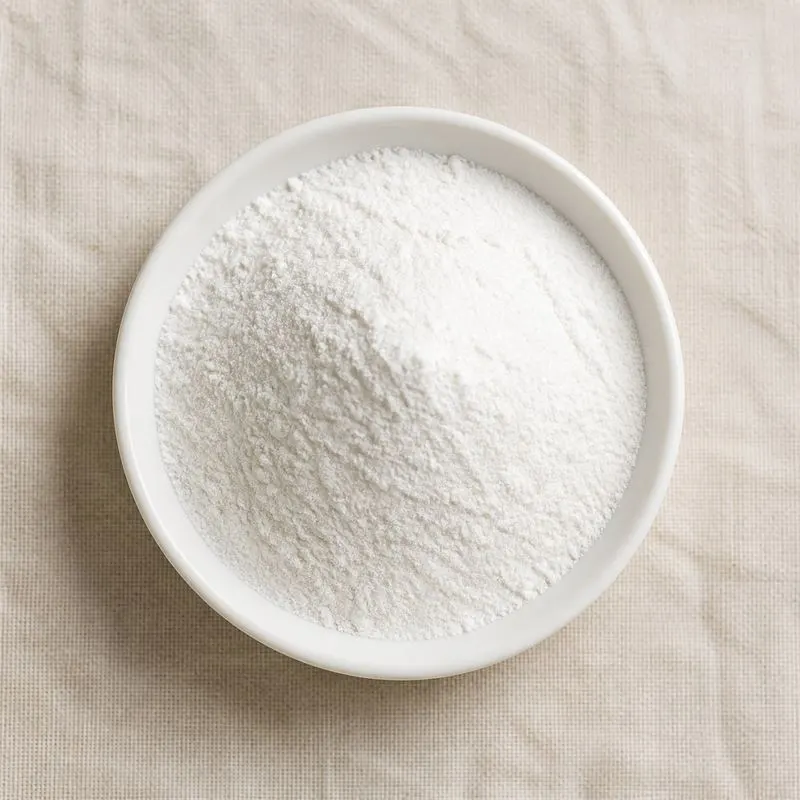
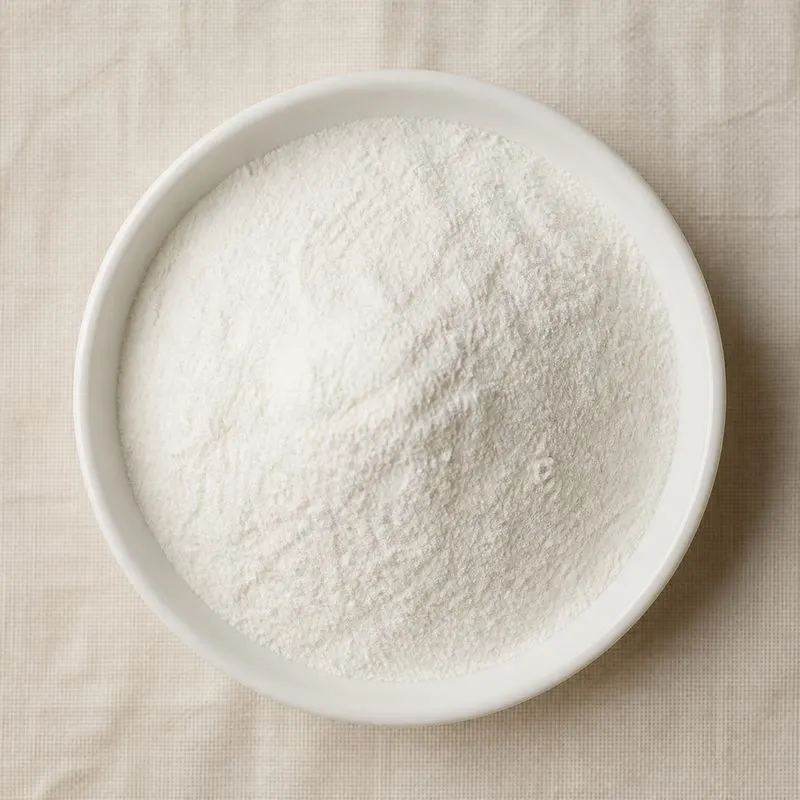
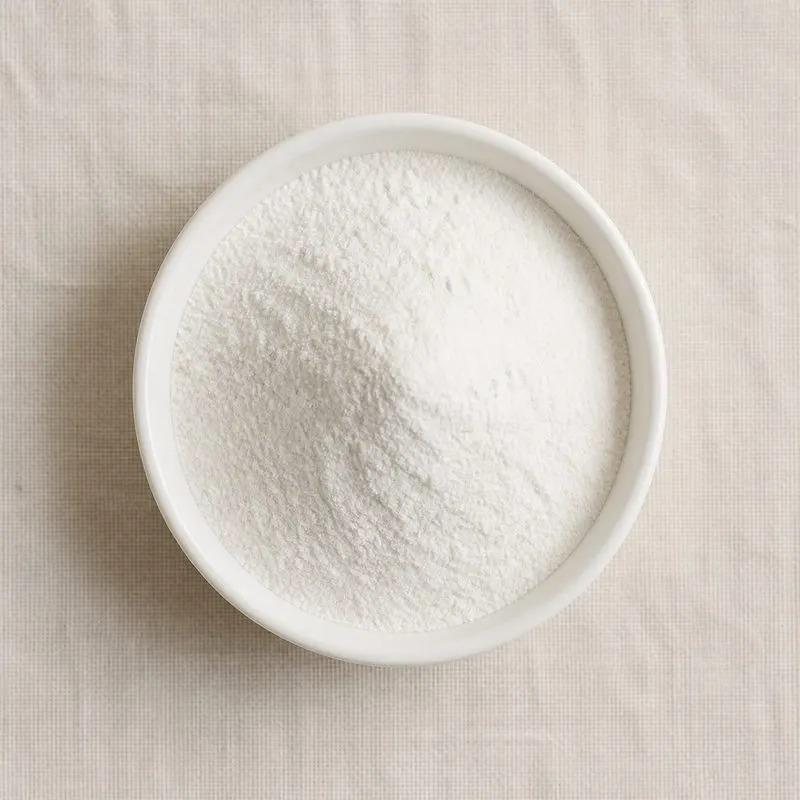
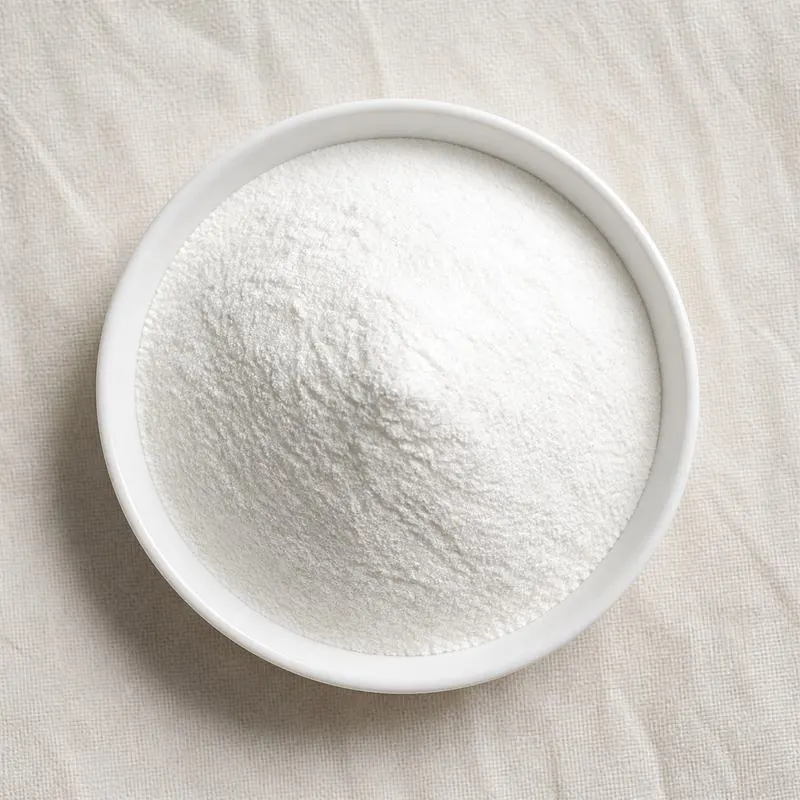
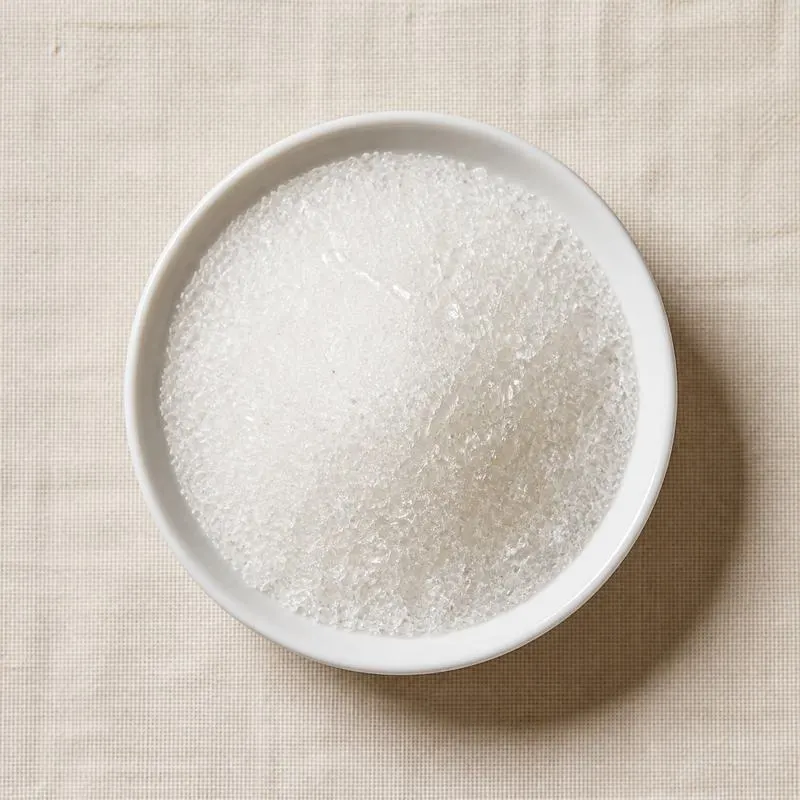
The compound consists of the pyrimidine base uracil linked to ribose, which carries a phosphate group at the 5' position, neutralised with two sodium equivalents. It is a white crystalline powder, usually the hydrate, freely soluble in water and practically insoluble in ethanol. Aqueous solutions are close to neutral.
The salt is stable as a dry powder and tolerates the heat of formula processing, but it hydrolyses on prolonged heating in strong acid, which cleaves the glycosidic bond and the phosphate ester. Because it is used at low milligram per litre levels in a finished formula, it is normally dosed as part of a nucleotide premix rather than weighed alone, and uniform blending rather than solubility is the practical handling concern.
We source bulk UMP,2Na from top China manufacturers for our partners. The manufacturer is in Liaoning. A smaller requirement can ship in a combined container with other ingredients.
Please send the grade you need, the volume and your destination port, and we will come back with a solution and a price.
or call +86-21-6858 0751
- Function
- Probiotic
Specifications
| Item | Specification |
|---|---|
| Appearance | White crystalline powder |
| Assay, anhydrous basis | 98.0% to 102.0% |
| Identification | Ultraviolet maximum near 262 nm, positive for sodium |
| Related Nucleotides | ≤ 1.0% total |
| Loss on Drying | ≤ 10.0% |
| pH, 5% solution | 7.0 to 9.0 |
| Clarity of Solution | Clear, free from foreign matter |
| Residue on Ignition | Conforms to disodium salt content |
| Heavy Metals as Pb | ≤ 10 mg/kg |
| Lead | ≤ 0.5 mg/kg |
| Arsenic | ≤ 0.5 mg/kg |
| Total Plate Count | ≤ 1,000 CFU/g |
| Yeast and Mould | ≤ 50 CFU/g |
| E. coli | Absent in 1 g |
| Salmonella | Absent in 25 g |
Common Markets Grades
The material is traded as a single food grade specification, a crystalline salt of 98 percent or higher assay on the anhydrous basis, and there is little differentiation beyond that. What varies is the documentation, since material destined for infant formula carries a far heavier dossier covering residual solvents, related nucleotides, endotoxin and full traceability of the fermentation route.
The more common purchase is not the single salt but a nucleotide premix in which uridine 5'-monophosphate is blended in fixed proportion with cytidine 5'-monophosphate, adenosine 5'-monophosphate, guanosine 5'-monophosphate and inosine 5'-monophosphate to the profile a formula specification requires. Physical grades are limited to crystal and milled powder, the milled version chosen for blend uniformity at low inclusion.
Applications
- Infant and follow-on formula, as part of the nucleotide addition intended to approximate human milk composition
- Nucleotide premixes for infant nutrition, blended with the cytidine, adenosine, guanosine and inosine monophosphates
- Growing up milk powders and paediatric nutrition, at declining inclusion levels as the age band rises
- Clinical and enteral nutrition formulations, where dietary nucleotides are specified for gut mucosal support
- Piglet and calf milk replacers, where nucleotide demand peaks at weaning
- Aquaculture feed for shrimp and fish larvae, supporting gut and immune development
- Dietary supplements sold on a nucleotide content basis
- Cell culture and fermentation media, as a defined pyrimidine source
- Precursor in the synthesis of nucleoside based pharmaceutical intermediates
China Manufacturers of UMP,2Na
Top UMP,2Na manufacturers in China.

Company names and logos are the property of the manufacturers themselves. They are listed here because our own directory records them as producing this ingredient. A listing is not an endorsement by them, and we do not represent them or speak on their behalf.
Regulatory Status
In the United States nucleotides including disodium uridine 5'-monophosphate may be used in infant formula, and the Food and Drug Administration has accepted GRAS notifications for the individual nucleotides used at levels approximating those in human milk. Infant formula manufacture is additionally subject to the specific quality factor, nutrient and current good manufacturing practice requirements for that product category, and any new formulation must be notified before marketing.
In the European Union the nucleotides that may be added to infant and follow-on formula are listed in the delegated regulation covering those products, which names the permitted chemical forms and sets maximum levels, and uridine 5'-monophosphate and its sodium salt appear among them. Outside infant nutrition the substance is a food ingredient rather than an additive, so no E number applies. Codex addresses the matter through its Standard for Infant Formula, which treats nucleotides as an optional ingredient subject to national authorisation, and JECFA has evaluated ribonucleotide preparations in the course of its work on the flavour enhancer nucleotides.
Manufacturing Process
The dominant route is microbial fermentation to the nucleoside followed by chemical phosphorylation. A carbohydrate feedstock, normally glucose derived from corn or cassava starch, is fermented by a selected strain of Bacillus subtilis or a related bacterium engineered to accumulate uridine in the broth. Cells are removed by filtration or centrifugation, and the uridine is recovered by ion exchange and crystallisation. The purified nucleoside is phosphorylated selectively at the 5' position with a phosphorylating agent such as phosphorus oxychloride under controlled low temperature conditions, and the resulting uridylic acid is neutralised with sodium hydroxide or sodium carbonate to the disodium salt.
The alternative route hydrolyses yeast ribonucleic acid with a 5'-phosphodiesterase, which cleaves the polymer into its four constituent 5'-nucleotides. The uridylate is separated from the adenylate, guanylate and cytidylate fractions by ion exchange chromatography and then neutralised. In either route the neutralised liquor is decolourised over activated carbon, concentrated under vacuum, crystallised, centrifuged, washed, dried and milled to the specified particle size before assay and packing.