Vitamin B3
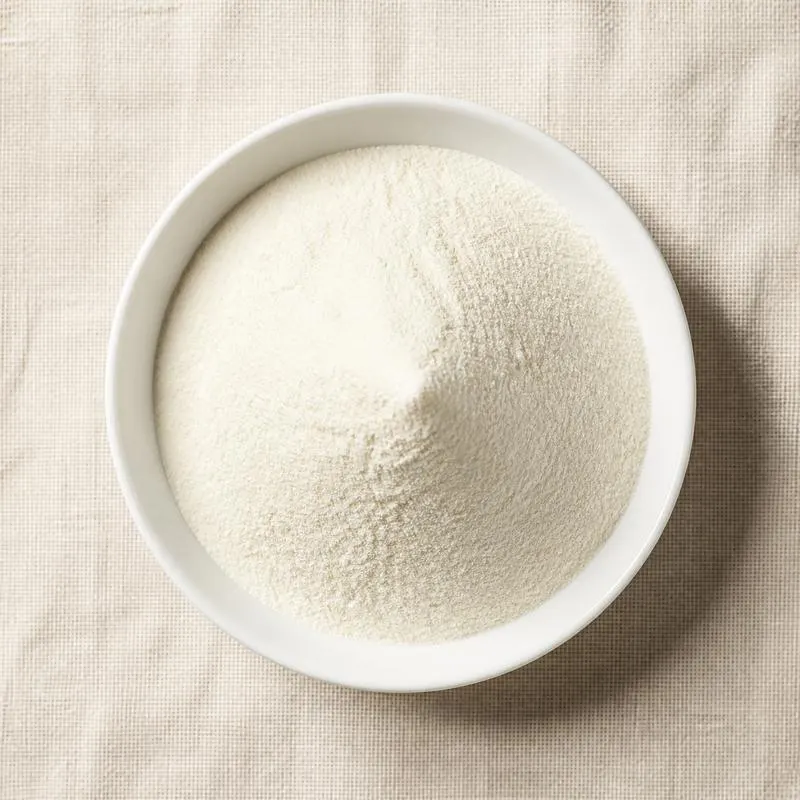
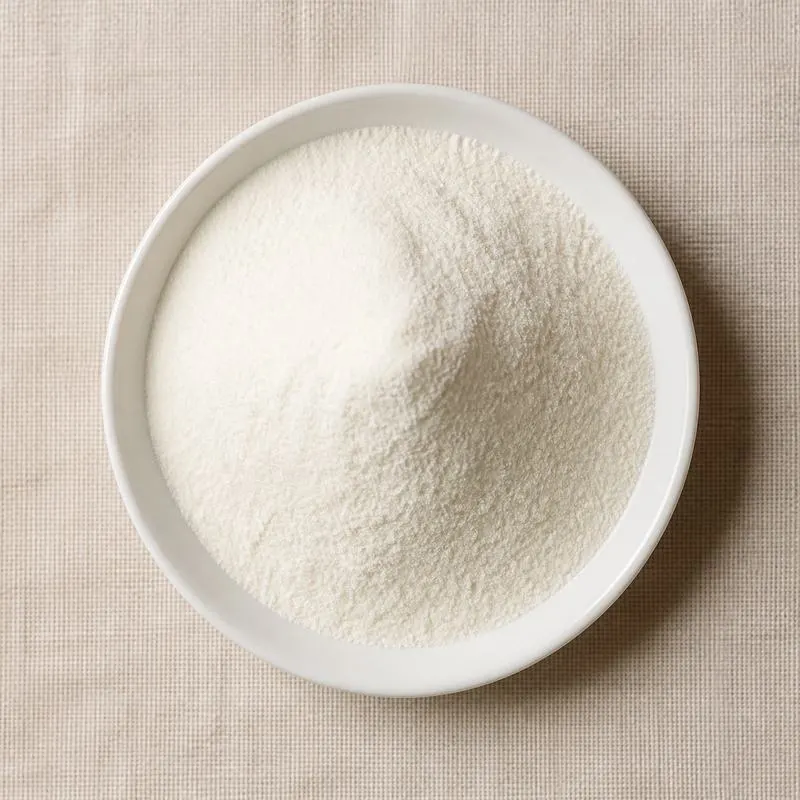
Vitamin B3 reaches industry in two distinct chemical forms: niacin, also called nicotinic acid (CAS 59-67-6), and niacinamide, also called nicotinamide (CAS 98-92-0).
Both forms are pyridine-3-carboxyl compounds that serve as precursors to the redox cofactors NAD and NADP in human metabolism. The two forms share nutritional equivalence but differ sharply in pharmacology, with niacin causing the well-known cutaneous flushing reaction that niacinamide does not.
We source bulk Vitamin B3 from top China manufacturers for our partners. The manufacturers are in Zhejiang and Tianjin. For this ingredient the minimum order is 500 kg, and a smaller requirement can ship in a combined container with other ingredients.
Please send the grade you need, the volume and your destination port, and we will come back with a solution and a price.
or call +86-21-6858 0751
- Minimum order
- 500 kg
- Packaging
- 25 kg kraft paper bag with PE inner liner
- ISO 9001
- HACCP
- Halal
- Kosher
Specifications
| Item | Specification |
|---|---|
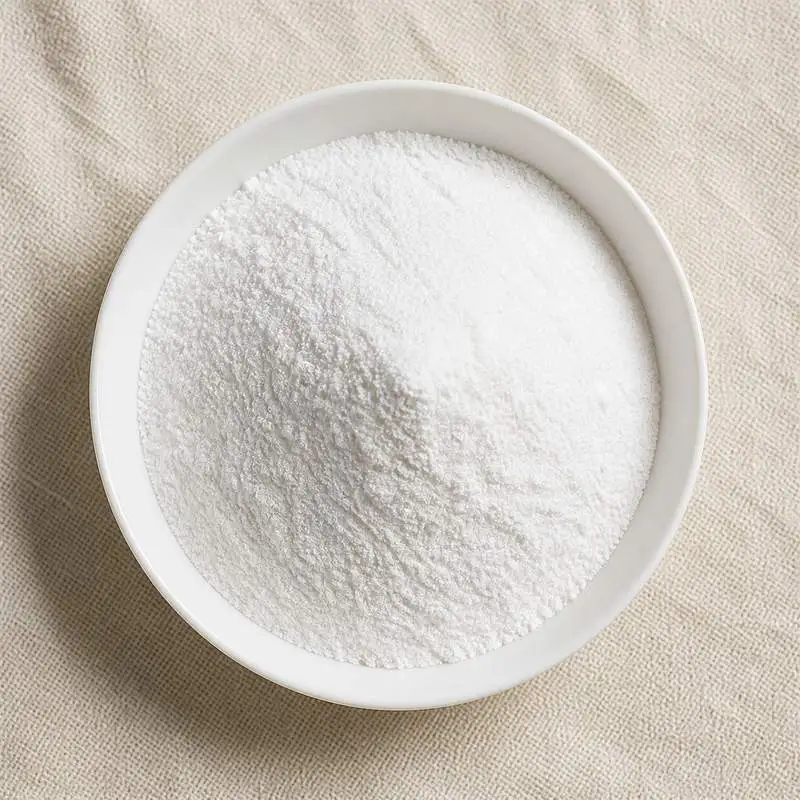
| Appearance | White to almost white crystalline powder |
| Assay (dried basis) | 99.0% to 101.0%; Niacin grade ≥ 99.5% |
| Melting Range | 234 °C to 238 °C (Niacin); 128 °C to 131 °C (Niacinamide) |
| Loss on Drying | ≤ 0.5% |
| Residue on Ignition | ≤ 0.1% |
| pH (1% aqueous solution) | 3.0 to 4.0 (Niacin); 6.0 to 7.5 (Niacinamide) |
| Related Substances | Any single impurity ≤ 0.1%, total ≤ 0.5% |
| Chloride | ≤ 0.02% |
| Sulfate | ≤ 0.02% |
| Solubility | Freely soluble in water (Niacinamide); sparingly soluble in water, soluble in alkali (Niacin) |
| Heavy Metals (as Pb) | ≤ 10 mg/kg |
| Lead (Pb) | ≤ 2 mg/kg |
| Arsenic (As) | ≤ 3 mg/kg |
| Total Plate Count | ≤ 1,000 CFU/g |
| Salmonella | Negative/25g |
Common Markets Grades
The two forms trade as distinct products with separate specifications and applications.
Niacin (nicotinic acid) meets 99.5 percent minimum assay under USP, Ph. Eur., and JP monographs. The standard powder grade serves dietary supplements and pharmaceutical use, while granulated and direct-compression grades are produced for high-dose tableting in cholesterol-management products.
Niacinamide (nicotinamide) is a fine crystalline powder at 99.0 percent minimum assay. A separate cosmetic-grade niacinamide is produced for skincare, where it is used at 2 to 10 percent in serums and creams for barrier and pigmentation support.
Feed-grade niacinamide at 99 percent is produced for poultry, swine, dairy, and aquaculture premixes. Feed-grade niacin is also offered, though niacinamide is generally preferred in feed for better stability in mineral-rich premixes.
Slow-release niacin tablets, sold under separate pharmaceutical brands, use a controlled-release matrix to reduce the flushing reaction while retaining the lipid-modifying effect at 1 to 2 g per day.
Applications
- Wheat-flour and cereal enrichment programs in mandatory fortification countries, typically as niacinamide
- Infant formula and follow-on formula to meet Codex compositional requirements
- Multivitamin tablets, capsules, and gummies as a B-complex component
- Energy drinks, sports nutrition, and pre-workout formulas using niacin for the deliberate flush effect
- Cholesterol-management pharmaceuticals based on immediate or extended-release niacin at gram-level doses
- Cosmetic serums and moisturizers at 2 to 10 percent niacinamide for barrier and tone
- Sunscreens and after-sun preparations leveraging niacinamide for skin support
- Hair-care products and scalp treatments containing niacinamide
- Clinical and enteral nutrition formulas for hospital and tube feeding
- Animal feed premixes for poultry, swine, ruminants, and aquaculture, principally as niacinamide
- Pet food fortification across dry, wet, and treat formats
- Pharmaceutical excipient and pellagra-prevention therapy in endemic regions
Brands Using Vitamin B3
Widely-distributed consumer products that list Vitamin B3 on the ingredient label.
- 5-Hour EnergyExtra Strength Energy Shot ↗Supplement Facts list Niacin (as Niacinamide) 40 mg (250% DV) per shot.Label verified 2026-05-24
- Red BullRed Bull Energy Drink ↗Original 8.4 fl oz can contains Niacin 25.4 mg (158% DV).Label verified 2026-05-24
- Monster EnergyOriginal Energy Drink ↗Ingredient list includes niacinamide (20 mg per serving).Label verified 2026-05-24
- Bang EnergyBang Energy Drink ↗Official Bang label lists Vitamin B3 (niacinamide) 5 mg per 16 oz can.Label verified 2026-05-24
- Nature MadeSuper B-Complex with Vitamin C Tablets ↗Provides Niacin 25 mg per serving (USP Verified).Label verified 2026-05-24
- Kellogg'sFrosted Flakes Cereal ↗Fortified cereal ingredient list includes niacinamide.Label verified 2026-05-24
- General MillsLucky Charms Cereal ↗Ingredient list includes a B Vitamin (Niacinamide).Label verified 2026-05-24
Brand names, product names and logos are the property of their owners. They appear here as published evidence that the ingredient is used, taken from the brand's own label or website. Their appearance is not an endorsement, and it does not mean the brand buys from us or from any manufacturer listed on this site.
China Manufacturers of Vitamin B3
Top Vitamin B3 manufacturers in China.
 Brother Enterprises Holding Co., Ltd.11 ingredients in the directory
 Tianjin Zhongrui Pharmaceutical Co., Ltd.(天津中瑞药业股份有限公司)3 ingredients in the directory
Company names and logos are the property of the manufacturers themselves. They are listed here because our own directory records them as producing this ingredient. A listing is not an endorsement by them, and we do not represent them or speak on their behalf.
How We Help Source Vitamin B3
Direct Factory Sourcing
We run the whole process: selecting the manufacturer from the top Chinese food ingredient producers, negotiating the price, verifying quality, and coordinating the logistics. You deal with us instead of with several factories at once.
Original Packaging and Documents from the Manufacturer
The manufacturer sends your Vitamin B3 out of its own factory in the original packing, through to your destination port. The COA, COO, MSDS, TDS and any certifications reach you from the manufacturer as well.
Free Samples and Lead Time
We send 100 to 500 g free for your own laboratory to test and you cover only the courier, usually within 2 to 3 working days. ETD is usually within 7 to 15 days once the order is confirmed, and we check that date against the factory's own manufacturing schedule before we give it to you.
Combined Shipment
We can load Vitamin B3 together with other ingredients such as Vitamin C, Vitamin D3 and Vitamin E into one 20' FCL. If your quantity is small, we can also ship LCL.
Regulatory Status
Both niacin and niacinamide are approved as nutrients in essentially every regulated market.
In the European Union Regulation (EC) No 1925/2006 authorises both forms for food fortification, and Directive 2002/46/EC authorises them for food supplements. EFSA has set tolerable upper intake levels of 10 mg/day for nicotinic acid (based on flushing) and 900 mg/day for nicotinamide in adults.
The U.S. Food and Drug Administration recognises niacin and niacinamide as GRAS under 21 CFR 184.1530 and 21 CFR 184.1535. The Institute of Medicine has set a tolerable upper intake level of 35 mg/day from supplemental sources, again driven by the flushing endpoint.
JECFA has reviewed both forms and assigned them group acceptable status as nutrients. Pharmacopoeial monographs appear in the USP, Ph. Eur., JP, and BP for both compounds.
For cosmetic use, niacinamide is listed in the EU CosIng database with no restriction. Halal and Kosher certifications are widely available given the fully synthetic supply chain.
Manufacturing Process
Both forms are made by chemical synthesis from petrochemical feedstocks. The dominant starting material is 3-methylpyridine (beta-picoline), itself produced from acetaldehyde, formaldehyde, and ammonia or via dealkylation of mixed pyridines.
Niacin is produced by vapor-phase ammoxidation of beta-picoline to 3-cyanopyridine, followed by alkaline hydrolysis to nicotinic acid. The acid is acidified, crystallised, and dried to pharmacopoeial purity.
Niacinamide is produced from 3-cyanopyridine by controlled partial hydrolysis. An enzymatic route using nitrile hydratase from Rhodococcus rhodochrous J1 was commercialized by Lonza in the 1980s and remains the industry-leading process for niacinamide on energy efficiency and waste profile.
Production is concentrated in a small number of large plants in China and Switzerland, with Lonza and Jubilant historically the technology leaders. World demand for niacinamide now substantially exceeds demand for niacin, driven by feed and cosmetic uses.