Nicotinamide
Nicotinamide, also called niacinamide, is pyridine-3-carboxamide, the amide form of vitamin B3 and the form in which the vitamin is incorporated into the coenzymes NAD and NADP.
Those coenzymes act as hydride carriers in several hundred enzymatic oxidation and reduction reactions, and nicotinamide is metabolically interchangeable with nicotinic acid for that purpose. The practical difference between them is the flushing response: nicotinic acid dilates the blood vessels of the skin at doses above nutritional levels, while nicotinamide does not, which is why the amide is preferred wherever a higher intake is intended and why it dominates cosmetic and high dose supplement use.
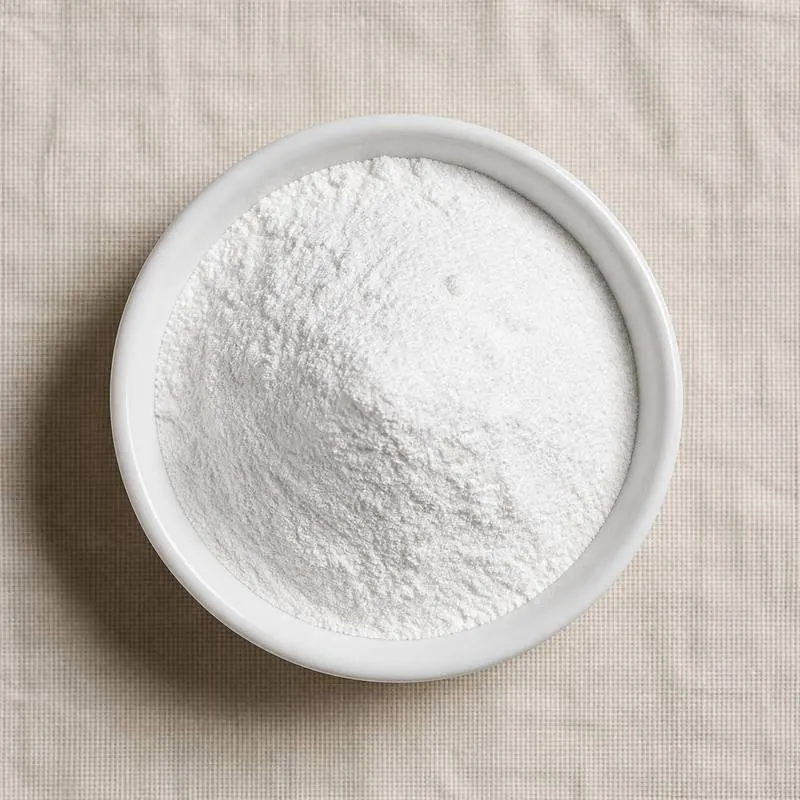
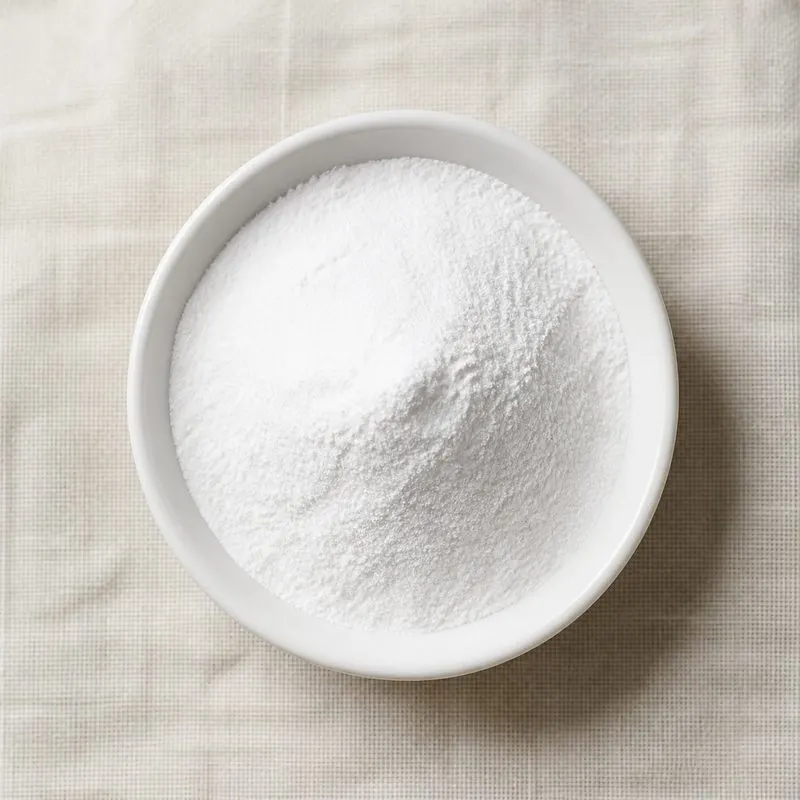
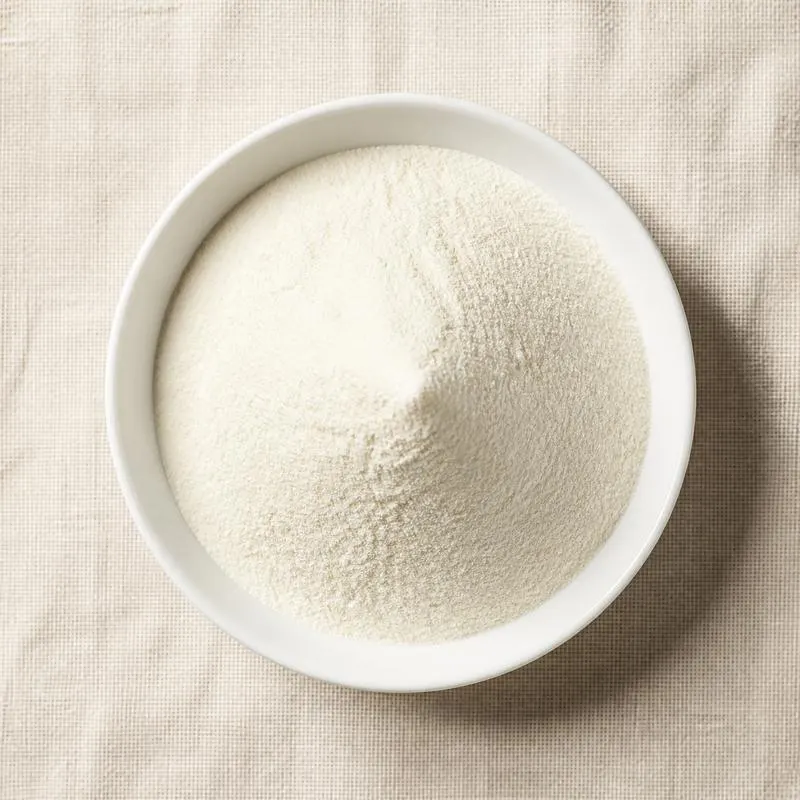
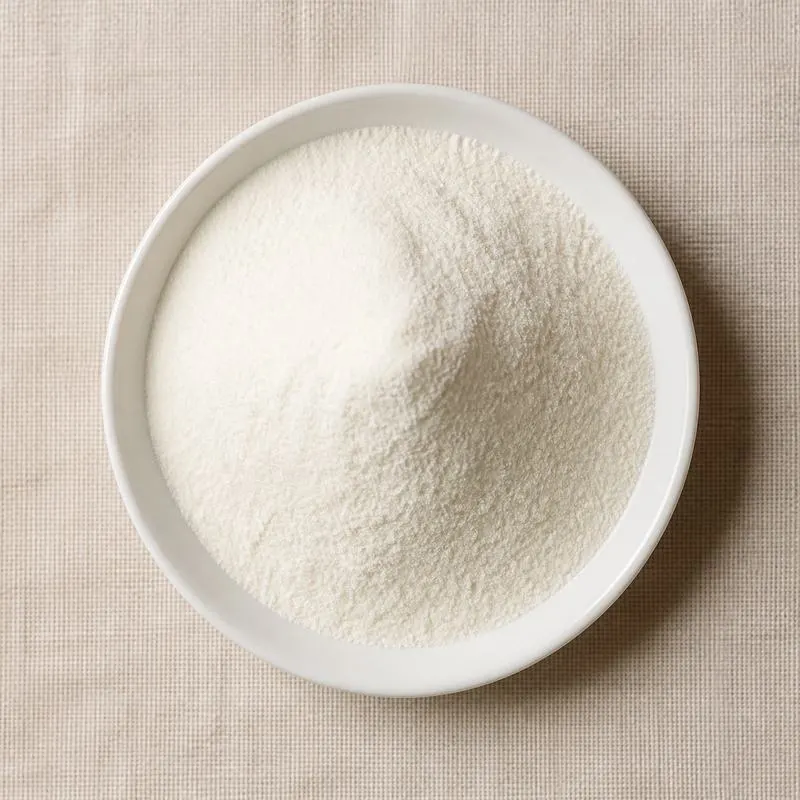
It is a white crystalline powder or colourless needles, melting between about 128 and 131 degrees Celsius. Unlike the acid it is freely soluble in water, taking up more than its own weight, and it is also soluble in ethanol and glycerol, which makes it straightforward to use in liquid and topical systems. In the dry state it is stable to heat, air and light and survives baking, extrusion and retorting intact. In solution it is stable across a broad pH band but hydrolyses back to nicotinic acid under prolonged strong acid or alkaline conditions at elevated temperature, and that hydrolysis is what is watched in aqueous cosmetic formulations, since the acid released causes flushing.
We source bulk Nicotinamide from top China manufacturers for our partners. The manufacturer is in Zhejiang. A smaller requirement can ship in a combined container with other ingredients.
Please send the grade you need, the volume and your destination port, and we will come back with a solution and a price.
or call +86-21-6858 0751
- Function
- Vitamin
Specifications
| Item | Specification |
|---|---|
| Appearance | White crystalline powder or colourless needles |
| Identification | Infrared spectrum conforms to reference standard |
| Assay, dried basis | 99.0 to 101.0% |
| Melting Range | 128 to 131 °C |
| Nicotinic Acid | ≤ 0.05% |
| Related Substances | Any single impurity ≤ 0.1%, total ≤ 0.3% |
| Loss on Drying | ≤ 0.5% |
| Residue on Ignition | ≤ 0.1% |
| pH, 5% aqueous solution | 6.0 to 7.5 |
| Clarity of Solution | Clear and colourless at 5% in water |
| Heavy Metals | ≤ 10 mg/kg |
| Lead | ≤ 2.0 mg/kg |
| Arsenic | ≤ 2.0 mg/kg |
| Total Plate Count | ≤ 1,000 cfu/g |
Common Markets Grades
The standard article is crystalline nicotinamide assaying 99.0 to 101.0 percent on the dried basis, produced to the United States Pharmacopeia and European Pharmacopoeia monographs and used across food, supplement, pharmaceutical and cosmetic applications. Cosmetic buyers add a tighter limit on residual nicotinic acid than the pharmacopoeial monograph requires, because free acid in a leave on product produces flushing.
Physical variants are the main axis of choice. Fine crystalline, granular and micronised grades are traded, granular for direct compression tableting where flow matters and micronised where content uniformity at low dose is the deciding factor. Because the crystal is hygroscopic, anti-caking treated and coated grades are produced for humid climates and long premix storage. Feed grade material is made to the same assay with looser appearance criteria, and dilutions on a carrier such as dicalcium phosphate or maltodextrin are used for premix blending.
Applications
- Multivitamin tablets and capsules, as the non flushing form of vitamin B3
- Flour, bread and cereal fortification programmes, added through a dry vitamin premix
- Fortified beverages, energy drinks and liquid supplements, where its high water solubility is decisive
- Infant formula and follow on formula, where niacin is a mandated nutrient
- Skin care serums and creams, used topically at percentage levels for barrier and pigmentation claims
- Sun care and anti-ageing formulations, included as an active with a long topical safety record
- Clinical and enteral nutrition, supplying the B3 requirement in tube fed preparations
- Sports nutrition powders and meal replacements, contributing the declared B vitamin profile
- Poultry, swine and ruminant feed, supporting energy metabolism in the vitamin premix
- Pharmaceutical preparations, including topical treatments and combination vitamin products
Brands Using Nicotinamide
Widely-distributed consumer products that list Nicotinamide on the ingredient label.
- HorbaachNicotinamide 500 mg Quick Release Capsules ↗A single ingredient capsule supplying 500 mg of nicotinamide, the flush-free form of vitamin B3.Label verified 2026-08-31
- ToniiqNicotinamide D-Ribose ↗Capsules pairing nicotinamide with D-ribose as an NAD precursor combination.Label verified 2026-08-31
Brand names, product names and logos are the property of their owners. They appear here as published evidence that the ingredient is used, taken from the brand's own label or website. Their appearance is not an endorsement, and it does not mean the brand buys from us or from any manufacturer listed on this site.
China Manufacturers of Nicotinamide
Top Nicotinamide manufacturers in China.

Company names and logos are the property of the manufacturers themselves. They are listed here because our own directory records them as producing this ingredient. A listing is not an endorsement by them, and we do not represent them or speak on their behalf.
Regulatory Status
In the United States niacinamide is affirmed as generally recognised as safe for use as a nutrient in food under 21 CFR 184.1535, and it is one of the vitamins used to meet the enrichment requirements in the standards of identity for enriched grain products. The United States Pharmacopeia carries a monograph for niacinamide, and cosmetic use is not subject to premarket approval, with the ingredient listed in the international cosmetic nomenclature as niacinamide.
In the European Union nicotinamide is not a food additive and has no E number. Regulation (EC) No 1925/2006 lists it among the permitted forms of niacin for the addition of vitamins to foods, Directive 2002/46/EC does the same for food supplements, and niacin is a mandatory nutrient in infant and follow on formula under the compositional rules for those products. Cosmetic use falls under Regulation (EC) No 1223/2009, where niacinamide is neither restricted nor prohibited. The European feed additives regulation authorises feed use, the European Pharmacopoeia carries a monograph for nicotinamide, and Codex references niacin in its nutrient standards for infant and special purpose foods.
Manufacturing Process
Nicotinamide is made from 3-cyanopyridine, the same intermediate that feeds niacin production. 3-methylpyridine, obtained by condensing acetaldehyde or acrolein with ammonia over a zeolite catalyst, is ammoxidised in the vapour phase with ammonia and air over a vanadium catalyst, converting the methyl group into a nitrile. The cyanopyridine is purified by distillation and crystallisation.
Converting the nitrile to the amide without carrying on to the acid is the technically interesting step, because chemical hydrolysis is hard to stop at the amide stage. Industrial practice therefore uses a biocatalytic route: whole cells of a Rhodococcus strain expressing nitrile hydratase are contacted with an aqueous 3-cyanopyridine feed at low temperature and near neutral pH, and the enzyme hydrates the nitrile to the amide with essentially quantitative conversion and no over hydrolysis. The cells are removed by filtration or centrifugation, the solution is decoloured on activated carbon and concentrated by vacuum evaporation, and nicotinamide is crystallised on cooling. The crystals are separated, washed, recrystallised where pharmacopoeial purity is required, dried in a vacuum or fluid bed dryer, then milled or granulated and screened. Some plants still run the older alkaline or acid chemical hydrolysis with careful control of conversion.