Wheat Peptide
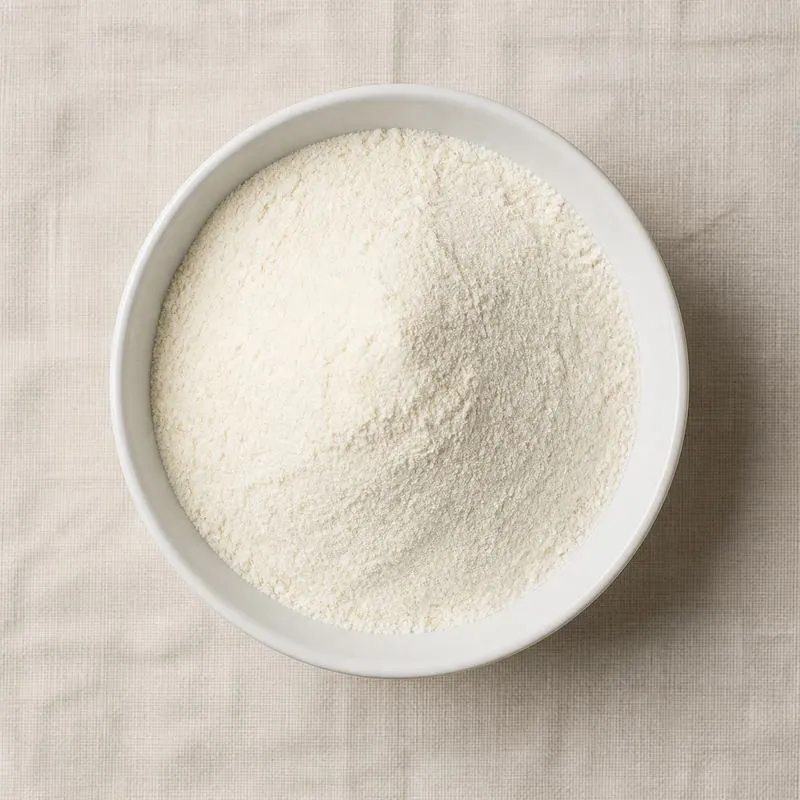
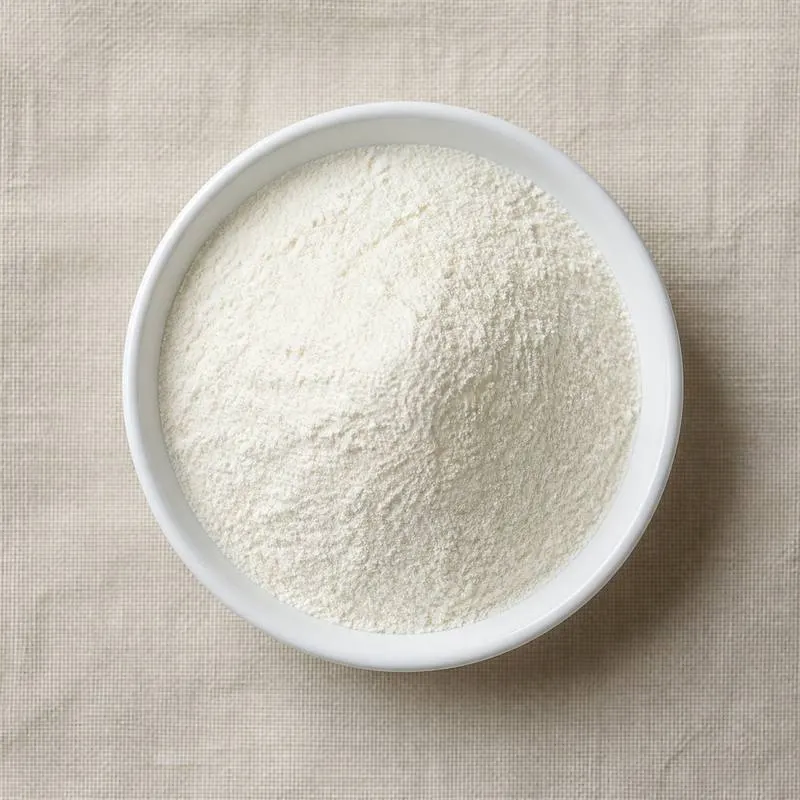
Wheat Peptide is an enzymatic hydrolysate of wheat gluten, presented as a free-flowing powder of short-chain peptides with molecular weights typically below 5,000 Daltons and a large fraction below 1,000 Daltons.
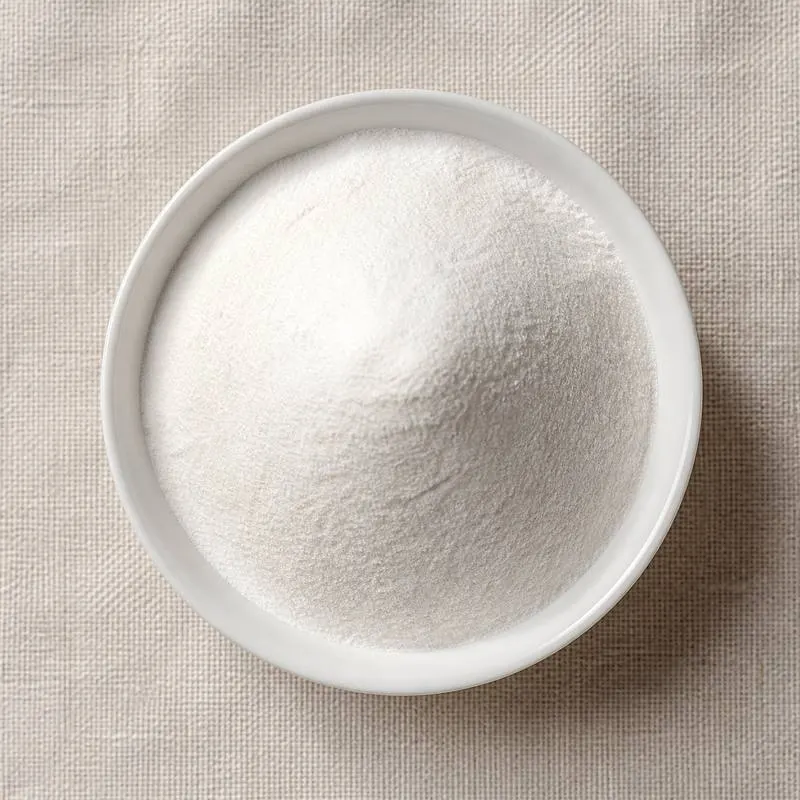
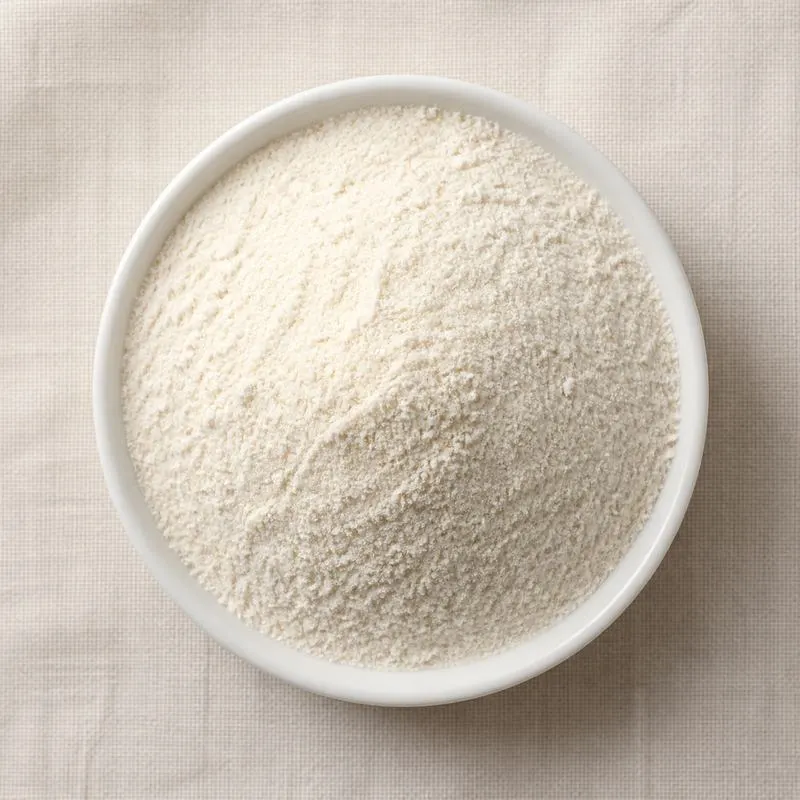
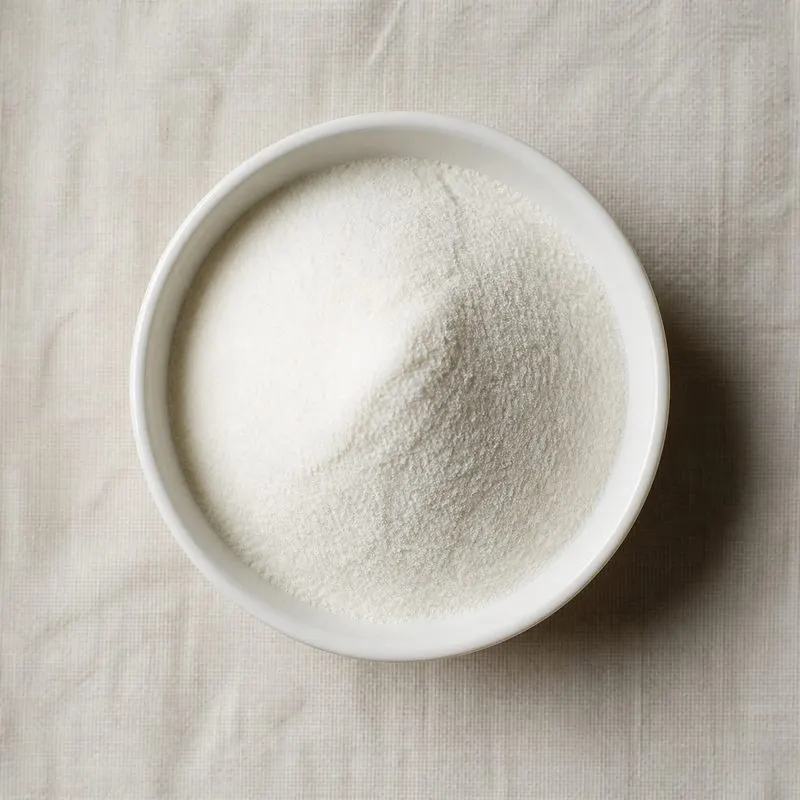
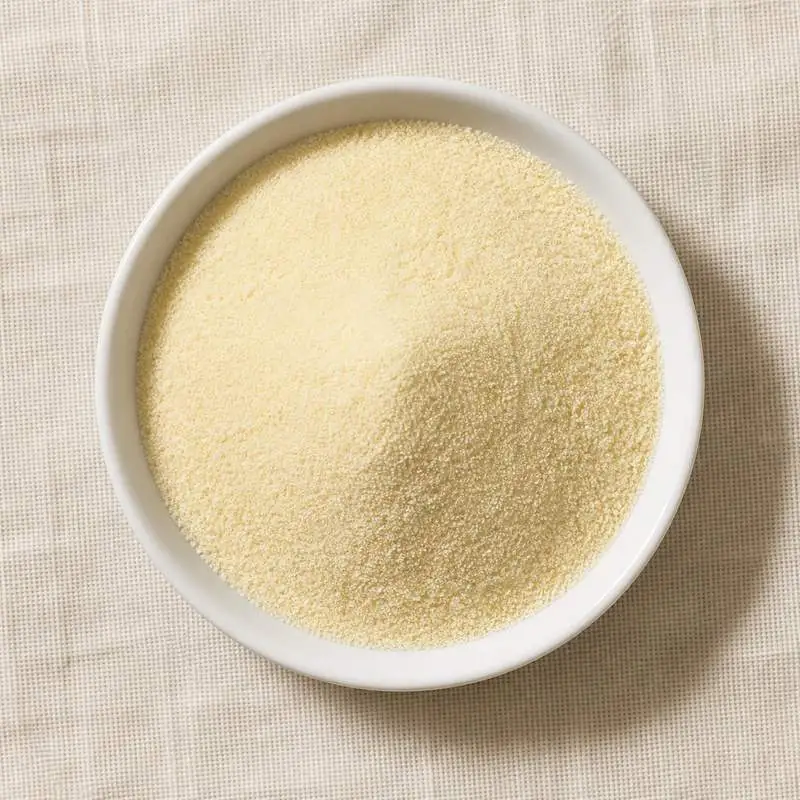
The powder is pale yellow to light brown with a mild, slightly savory taste. It dissolves rapidly in cold water and remains clear under acidic beverage conditions.
Wheat peptides are valued as a precursor pool for glutathione, the body's central intracellular antioxidant tripeptide, because of the elevated glutamic acid and cysteine content carried over from wheat gluten.
We source bulk Wheat Peptide from top China manufacturers for our partners. The manufacturer is in Shandong. A smaller requirement can ship in a combined container with other ingredients.
Please send the grade you need, the volume and your destination port, and we will come back with a solution and a price.
or call +86-21-6858 0751
- Packaging
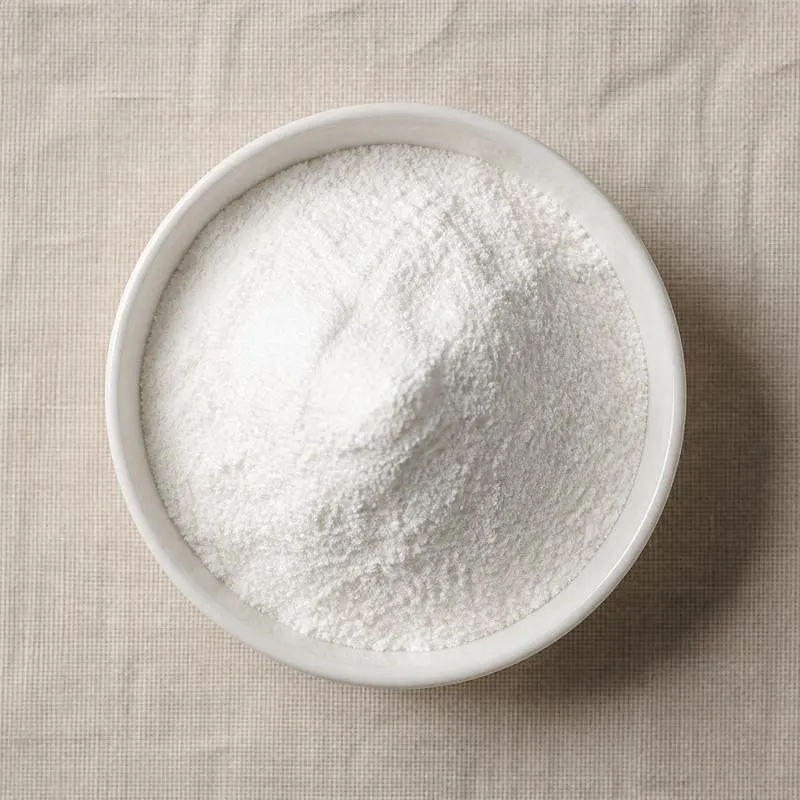
- 25 kg kraft paper bag with PE inner liner
- ISO 9001
- HACCP
- Halal
- Kosher
Specifications
| Item | Specification |
|---|---|
| Appearance | Light yellow to tan free-flowing powder |
| Protein (N×6.25, dry basis) | ≥ 80.0% |
| Peptide Content (< 2,000 Da) | ≥ 85.0% |
| Glutamine + Glutamic Acid | ≥ 30.0% |
| Moisture | ≤ 7.0% |
| Ash | ≤ 6.0% |
| Fat | ≤ 1.0% |
| pH (1% solution) | 5.0–7.0 |
| Solubility | ≥ 95.0% |
| Heavy Metals (as Pb) | ≤ 1 mg/kg |
| Lead (as Pb) | ≤ 0.5 mg/kg |
| Arsenic (as As) | ≤ 1 mg/kg |
| Total Plate Count | ≤ 10,000 CFU/g |
| Yeast & Mold | ≤ 100 CFU/g |
| E. coli | Negative/g |
| Salmonella | Negative/25g |
Common Markets Grades
Wheat Peptide is graded primarily by molecular weight distribution and by protein content.
The standard grade carries 75 to 85 percent protein and a balanced peptide distribution from 200 to 5,000 Daltons. It is used in beverages, sports nutrition, and bakery applications.
The low-molecular-weight grade is enriched in peptides below 1,000 Daltons, often above 80 percent of the peptide pool. It is targeted at rapid absorption, sports recovery, and clinical nutrition products.
Glutamine-rich grades are standardised to elevated glutamine content, typically 25 to 35 percent of total amino acids, for sports recovery and gut-health positioning.
Low-bitterness grades use specific exopeptidase blends to reduce the hydrophobic-peptide bitter notes that hydrolysis tends to release.
Applications
- Sports nutrition powders and recovery drinks for fast amino acid delivery
- Glutathione precursor supplements paired with cysteine and glycine
- Glutamine-style supplements for gut and immune support
- Clinical nutrition products including elemental and semi-elemental formulas
- Functional beverages with clear-stability requirements at acidic pH
- Protein-fortified bakery for crust colour, dough conditioning, and aroma
- Confectionery products for protein enrichment and Maillard browning
- Cosmetic skincare and haircare products for film-forming and conditioning
- Liver-support and detoxification supplement blends
- Fermentation media as a nitrogen source for cell culture and brewing
- Pet nutrition for highly digestible protein delivery
China Manufacturers of Wheat Peptide
Top Wheat Peptide manufacturers in China.

Company names and logos are the property of the manufacturers themselves. They are listed here because our own directory records them as producing this ingredient. A listing is not an endorsement by them, and we do not represent them or speak on their behalf.
How We Help Source Wheat Peptide
Direct Factory Sourcing
We run the whole process: selecting the manufacturer from the top Chinese food ingredient producers, negotiating the price, verifying quality, and coordinating the logistics. You deal with us instead of with several factories at once.
Original Packaging and Documents from the Manufacturer
The manufacturer sends your Wheat Peptide out of its own factory in the original packing, through to your destination port. The COA, COO, MSDS, TDS and any certifications reach you from the manufacturer as well.
Free Samples and Lead Time
We send 100 to 500 g free for your own laboratory to test and you cover only the courier, usually within 2 to 3 working days. ETD is usually within 7 to 15 days once the order is confirmed, and we check that date against the factory's own manufacturing schedule before we give it to you.
Combined Shipment
We can load Wheat Peptide together with other ingredients such as Collagen Peptide, Soy Protein Isolate and Fish Collagen Peptide into one 20' FCL. If your quantity is small, we can also ship LCL.
Regulatory Status
Wheat Peptide is regulated as a conventional food in major markets, with one critical caveat: it is derived from wheat and is therefore subject to mandatory gluten and wheat labelling.
The United States requires wheat declaration under the Food Allergen Labelling and Consumer Protection Act. The European Union requires both wheat and gluten declaration under Regulation EU 1169/2011, Annex II.
Wheat peptide hydrolysates are not gluten-free unless specifically engineered to fall below the 20 milligrams per kilogram gluten threshold. Standard commercial wheat peptide is not suitable for celiac consumers.
Self-affirmed GRAS status is the typical US route for food-use applications. Cosmetic-grade material is regulated under separate cosmetic ingredient frameworks.
Kosher and Halal certifications are commonly available. Non-GMO Project Verified material can be sourced when the supplier documents non-GMO wheat origin.
Manufacturing Process
Wheat Peptide is produced from food-grade vital wheat gluten, typically sourced from European, Australian, or Chinese wheat-starch plants.
The gluten is slurried in water and adjusted to working pH and temperature. A combination of endopeptidases and exopeptidases is added in carefully sequenced stages.
The endopeptidases cleave the gluten chain into intermediate fragments. The exopeptidases trim terminal residues to lower bitterness and produce the target molecular weight distribution.
Hydrolysis is stopped by enzyme inactivation at elevated temperature. The hydrolysate is clarified by centrifugation or membrane filtration, often followed by ultrafiltration to fractionate molecular weight.
The clarified peptide solution is decolorised, deodorised, and spray-dried to yield the finished powder. Final material is screened, blended for batch uniformity, and packed under desiccated conditions.