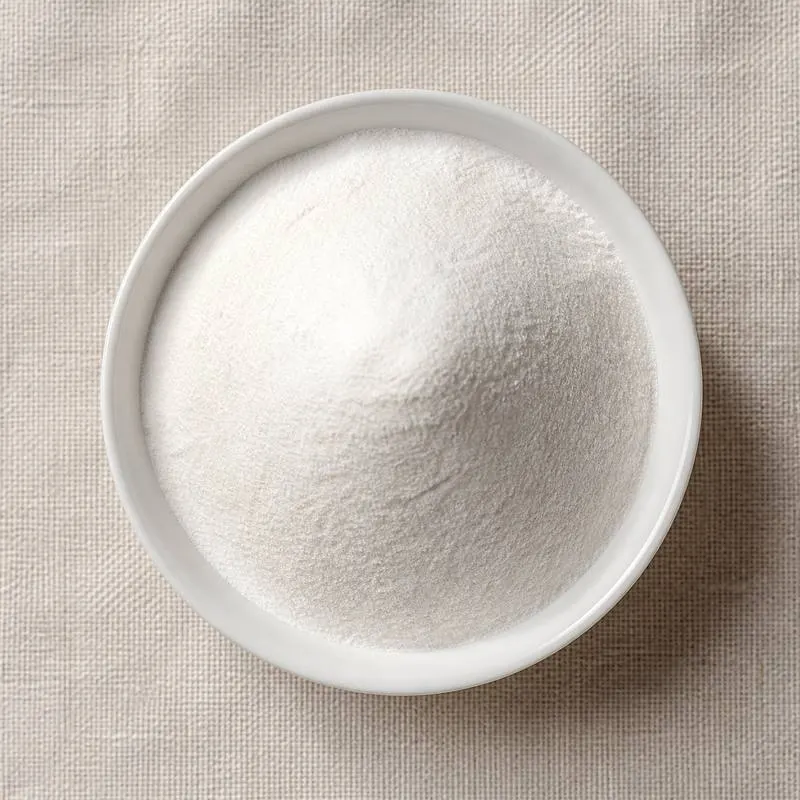
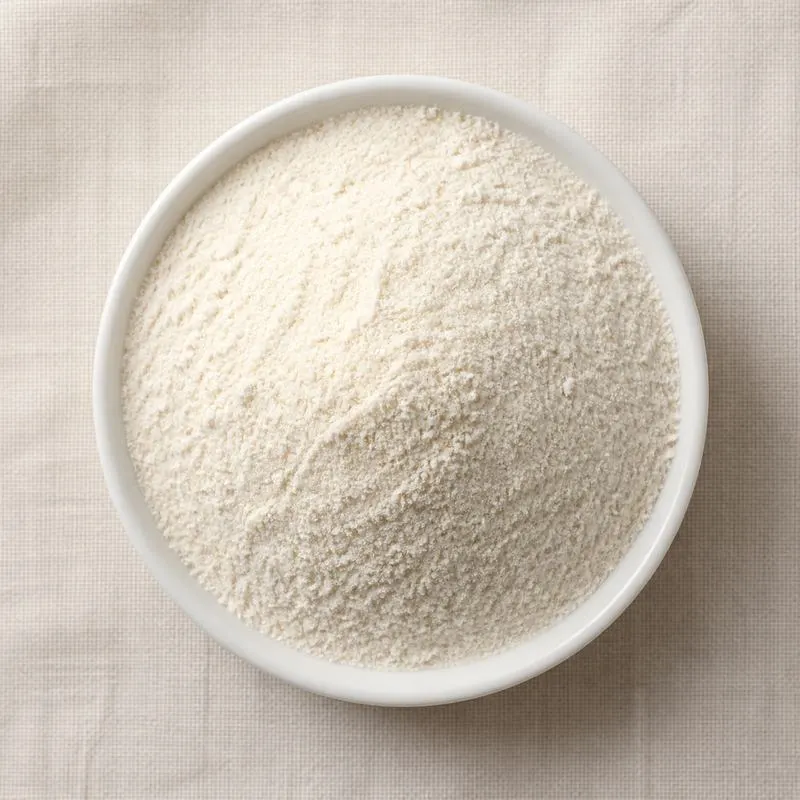
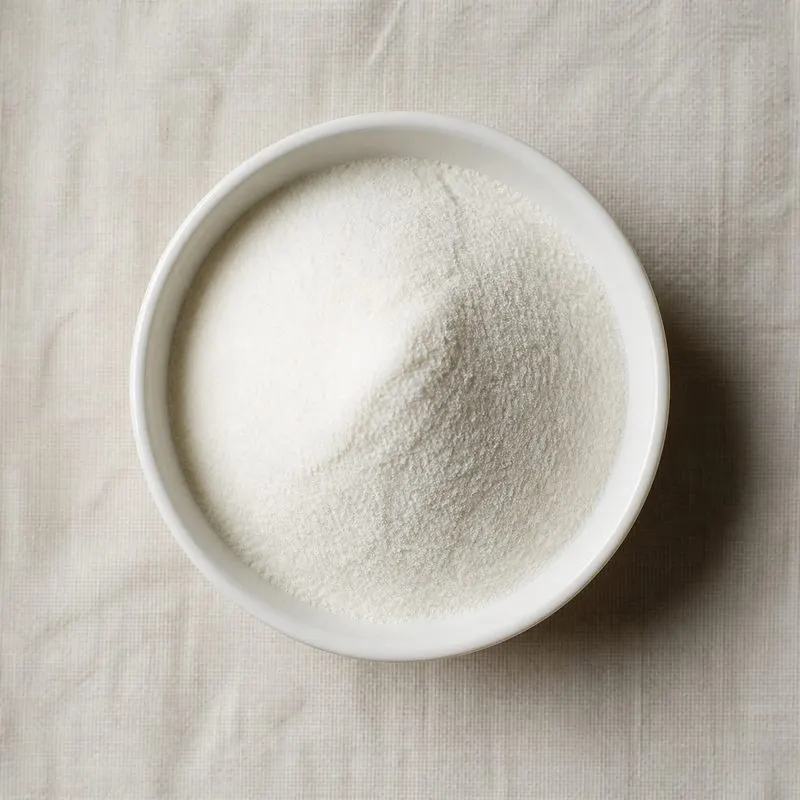
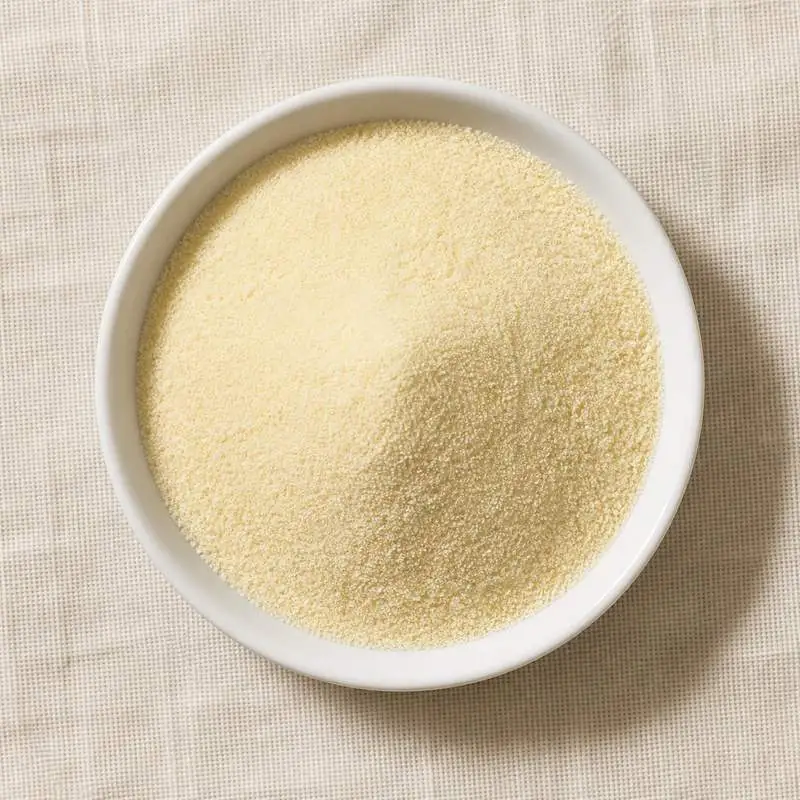
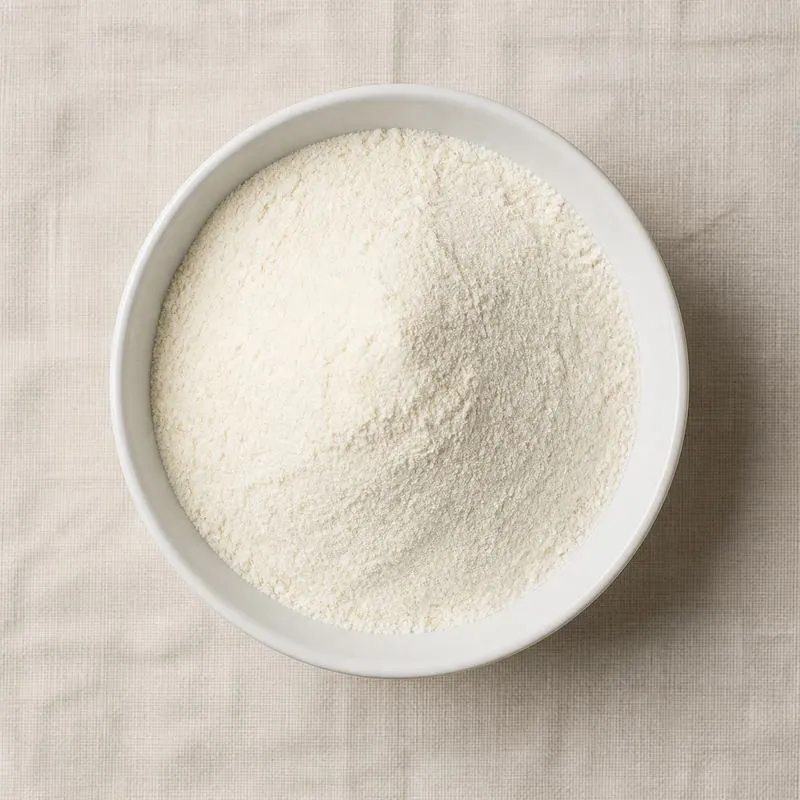
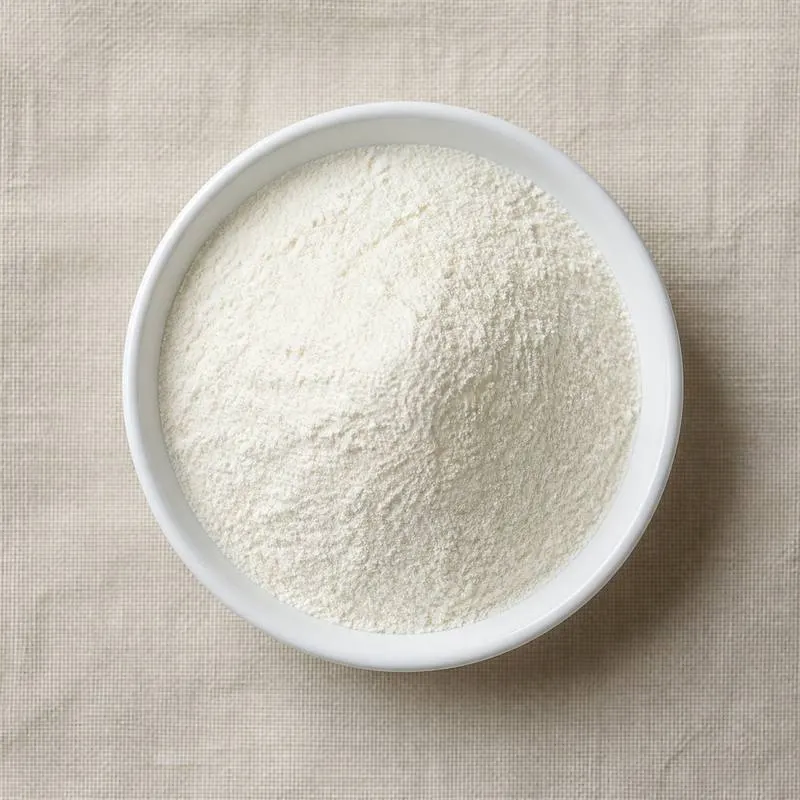
Whey Protein Concentrate80
Whey Protein Concentrate80 is the 80 percent protein grade of whey protein concentrate, abbreviated WPC80. It is the standard format of the global sports-nutrition industry and the most widely traded whey grade by value.
The powder is produced by ultrafiltration and diafiltration of sweet cheese whey, followed by evaporation and spray drying. On a dry basis it carries about 80 percent protein, 4 to 8 percent lactose, 4 to 8 percent fat, and 3 to 4 percent ash, with moisture below 5 percent.
or call +86-21-6858 0751
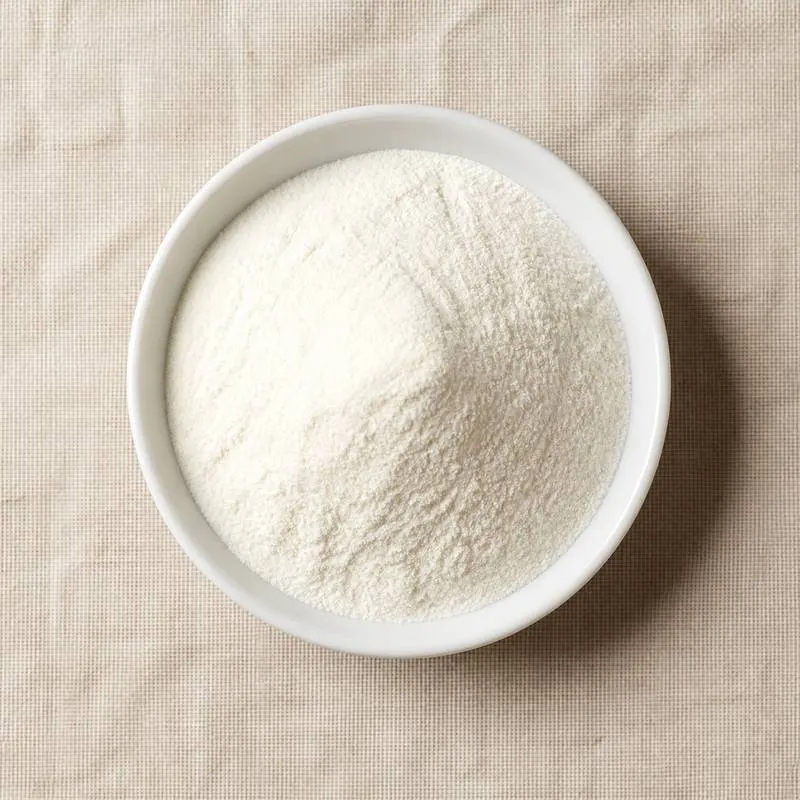
- Packaging
- 25 kg kraft paper bag with PE inner liner
- ISO 9001
- HACCP
- Halal
- Kosher
Specifications
| Item | Specification |
|---|---|
| Appearance | Light cream free-flowing powder |
| Protein (dry basis, N×6.38) | ≥80% |
| Fat | ≤7.0% |
| Lactose | ≤6.0% |
| Ash | ≤4.0% |
| Moisture | ≤5.0% |
| pH (10% sol.) | 6.3–6.9 |
| Solubility Index | ≥95% |
| Heavy Metals (as Pb) | ≤2 mg/kg |
| Total Plate Count | ≤30,000 cfu/g |
| Coliforms | Negative in 0.1g |
| Salmonella | Absent in 25g |
Common Markets Grades
WPC80 is made to a tight compositional window, but suppliers differ on functional and sensory attributes.
Instantized WPC80 is lecithinated to wet readily in cold water and is the standard for consumer shaker-cup powders. Non-instantized material targets bar manufacturers and bakery users who blend it dry.
Agglomerated and free-flowing grades target high-speed bar dosing lines. Low-bitterness or undenatured grades are produced under careful heat control for clear acidic beverages and flavoured milks.
Specialty marketing tiers include grass-fed, organic, non-GMO Project verified, rBST-free, and A2-only milk source. Some suppliers also offer reduced-lactose WPC80 in the 1 to 3 percent lactose range for lactose-sensitive consumers.
Kosher dairy and Halal certifications are routinely available. Heat classification follows the WPNI (whey protein nitrogen index) and undenatured whey protein scales used by membrane-process specialists.
Applications
- Sports-nutrition protein powders, both single-flavour tubs and ready-to-mix sachets
- Protein bars, cookies, brownies, and snack clusters
- Meal-replacement shakes and weight-management formulas
- Ready-to-drink protein beverages, neutral pH and flavoured milk styles
- High-protein yogurt and yogurt-style desserts
- Ice cream and frozen-dessert protein fortification
- Bakery enrichment of breads, muffins, pancakes, and pizza crusts
- Cereal coatings and protein-fortified breakfast cereals
- Processed cheese and cream cheese for body and protein claims
- Coffee creamers and barista-style fortified milk alternatives
- Senior nutrition powders and clinical oral nutritional supplements
- Pet food and treats sold on protein content
Brands Using Whey Protein Concentrate80
Widely-distributed consumer products that list Whey Protein Concentrate80 on the ingredient label.
- Optimum NutritionGold Standard 100% Whey Protein Powder ↗The Gold Standard 100% Whey ingredient panel lists whey protein concentrate alongside whey protein isolate and hydrolysed whey in its whey blend.Label verified 2026-05-24
- MuscleTechNitro-Tech Whey Protein ↗The Nitro-Tech Premium Protein Blend lists Whey Protein Concentrate alongside Whey Protein Isolate and Whey Peptides, providing 30 g protein per serving.Label verified 2026-05-24
- Premier ProteinPremier Protein Chocolate Shake (Ready-to-Drink) ↗Premier Protein RTD shake protein blend is made of milk protein concentrate, calcium caseinate, and whey protein concentrate (30 g protein per bottle).Label verified 2026-05-24
- Premier ProteinChocolate Milkshake Protein Powder ↗Premier Protein Chocolate Milkshake Powder ingredient panel lists whey protein isolate and whey protein concentrate as the protein sources.Label verified 2026-05-24
Brand names, product names and logos are the property of their owners. They appear here as published evidence that the ingredient is used, taken from the brand's own label or website. Their appearance is not an endorsement, and it does not mean the brand buys from us or from any manufacturer listed on this site.
How We Help Source Whey Protein Concentrate80
Direct Factory Sourcing
We run the whole process: selecting the manufacturer from the top Chinese food ingredient producers, negotiating the price, verifying quality, and coordinating the logistics. You deal with us instead of with several factories at once.
Original Packaging and Documents from the Manufacturer
The manufacturer sends your Whey Protein Concentrate80 out of its own factory in the original packing, through to your destination port. The COA, COO, MSDS, TDS and any certifications reach you from the manufacturer as well.
Free Samples and Lead Time
We send 100 to 500 g free for your own laboratory to test and you cover only the courier, usually within 2 to 3 working days. ETD is usually within 7 to 15 days once the order is confirmed, and we check that date against the factory's own manufacturing schedule before we give it to you.
Combined Shipment
We can load Whey Protein Concentrate80 together with other ingredients such as Collagen Peptide, Soy Protein Isolate and Fish Collagen Peptide into one 20' FCL. If your quantity is small, we can also ship LCL.
Regulatory Status
Whey Protein Concentrate is recognised as a safe dairy ingredient worldwide.
In the United States 21 CFR 184.1979c covers it as GRAS. Codex Alimentarius standard CODEX STAN 289-1995 defines whey powders and concentrates, including compositional and labelling rules.
The European Union treats WPC80 as an ordinary food ingredient under general food law. Use in infant formula is restricted to validated specifications under Regulation (EU) 2016/127.
Milk allergen labelling is mandatory in all major jurisdictions. Lactose-content declarations are required where lactose-free or low-lactose claims are made.
Halal, Kosher, organic, grass-fed, and Non-GMO Project certifications are routinely provided by major processors in the United States, the European Union, Oceania, and South America.
Manufacturing Process
WPC80 starts as sweet whey drained from cheddar, mozzarella, or similar rennet cheeses. The whey is clarified to remove curd fines, separated to recover residual cream, and pasteurised.
The clean serum is microfiltered to lower fat and bacteria, then concentrated by ultrafiltration through 10 kDa spiral-wound membranes. Protein, fat, and large peptides are retained while water, lactose, minerals, and small molecules pass into the permeate.
Diafiltration is then applied. Soft water is added to the retentate and the membrane stage is repeated, washing out further lactose and ash. Multiple diafiltration cycles bring the protein on dry basis up from roughly 35 percent at WPC34 to the 80 percent target.
The high-protein retentate is concentrated by falling-film evaporation and dried in a multi-stage spray dryer with an integrated fluid bed. Lecithin is sprayed onto the falling powder curtain for instantized grades.
The finished powder is sieved, packed in lined kraft bags or totes, and held under ambient storage. Modern plants apply low-heat processing throughout to preserve native protein structure and minimise bitterness.