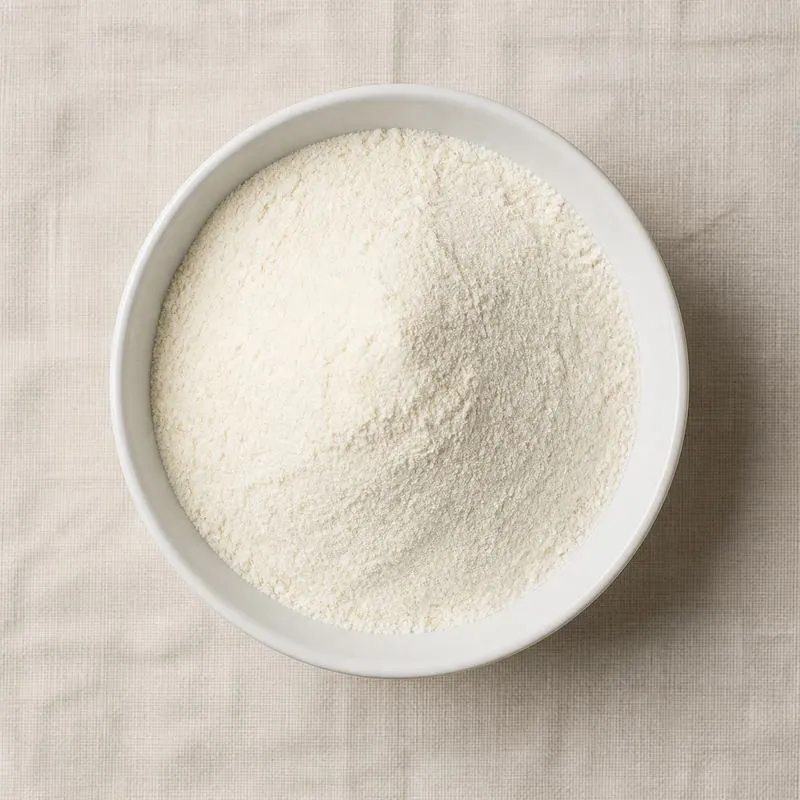
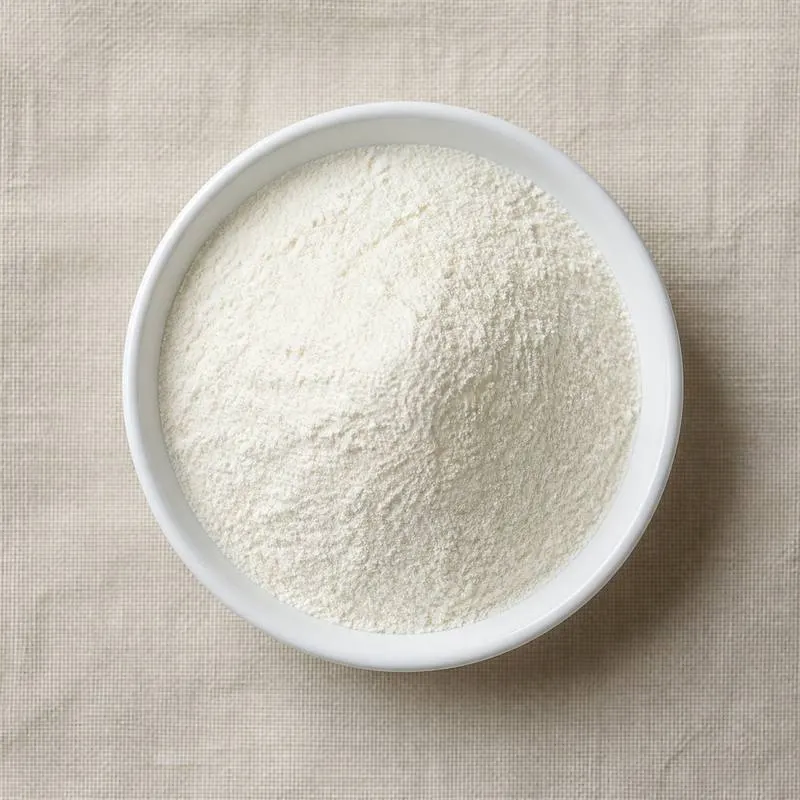
Whey Protein
Whey Protein is the family of globular proteins recovered from the liquid serum that separates from milk during cheese or casein manufacture. It is one of the two dominant protein fractions of bovine milk, accounting for roughly 20 percent of total milk protein.
The fraction is dominated by beta-lactoglobulin and alpha-lactalbumin, with smaller amounts of bovine serum albumin, immunoglobulins, lactoferrin, and lactoperoxidase. Its amino-acid profile is rich in branched-chain amino acids and is widely treated as a reference for sports and clinical nutrition.
We source bulk Whey Protein from top China manufacturers for our partners, working with several of them. The manufacturers are in Beijing, Hubei and Shandong. A smaller requirement can ship in a combined container with other ingredients.
Please send the grade you need, the volume and your destination port, and we will come back with a solution and a price.
or call +86-21-6858 0751
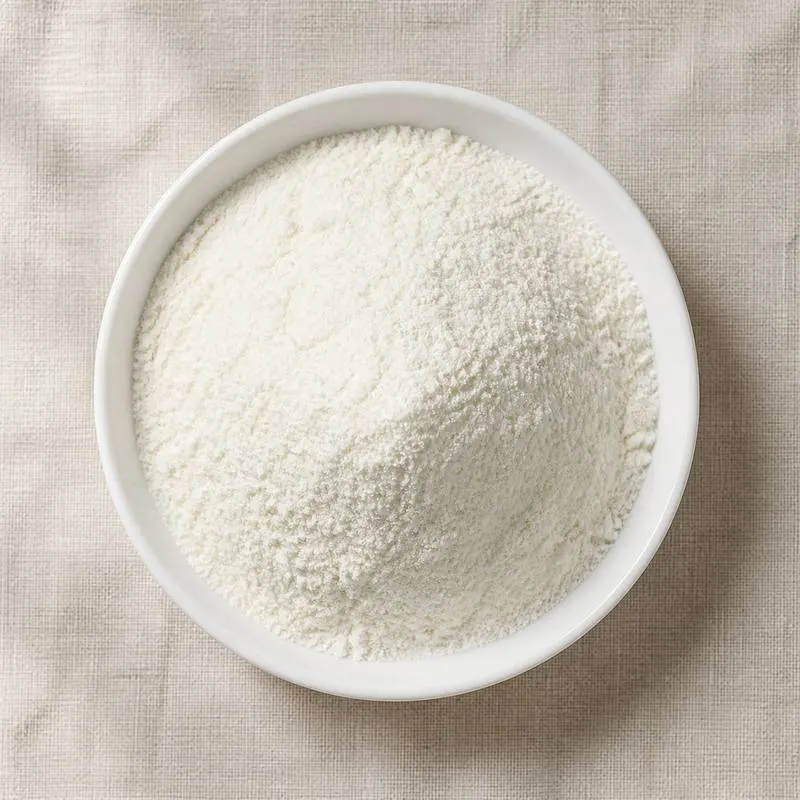
- Packaging
- 25 kg kraft paper bag with PE inner liner
- ISO 9001
- HACCP
- Halal
- Kosher
Specifications
| Item | Specification |
|---|---|
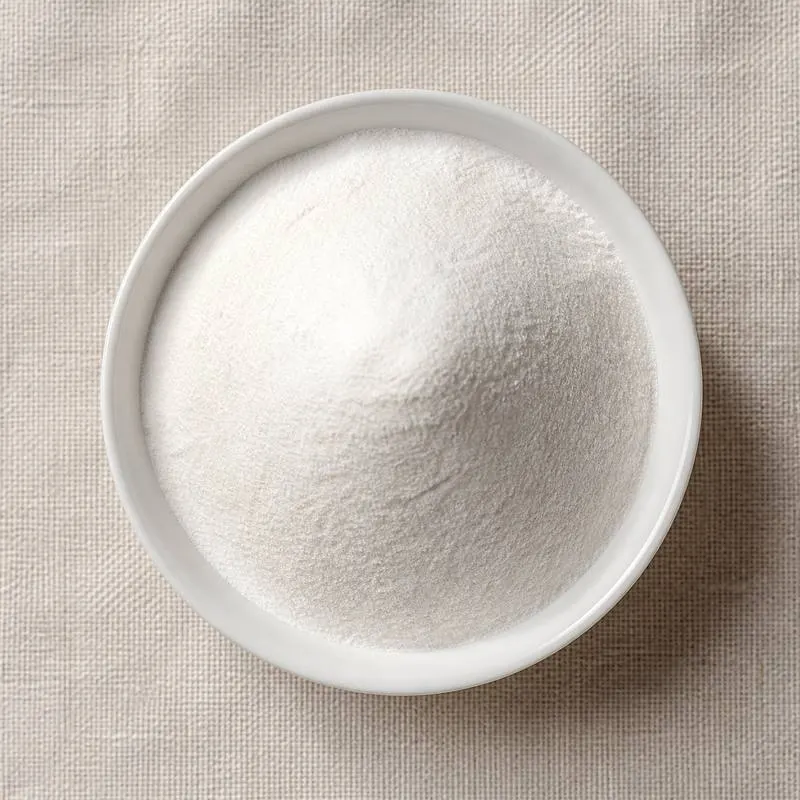
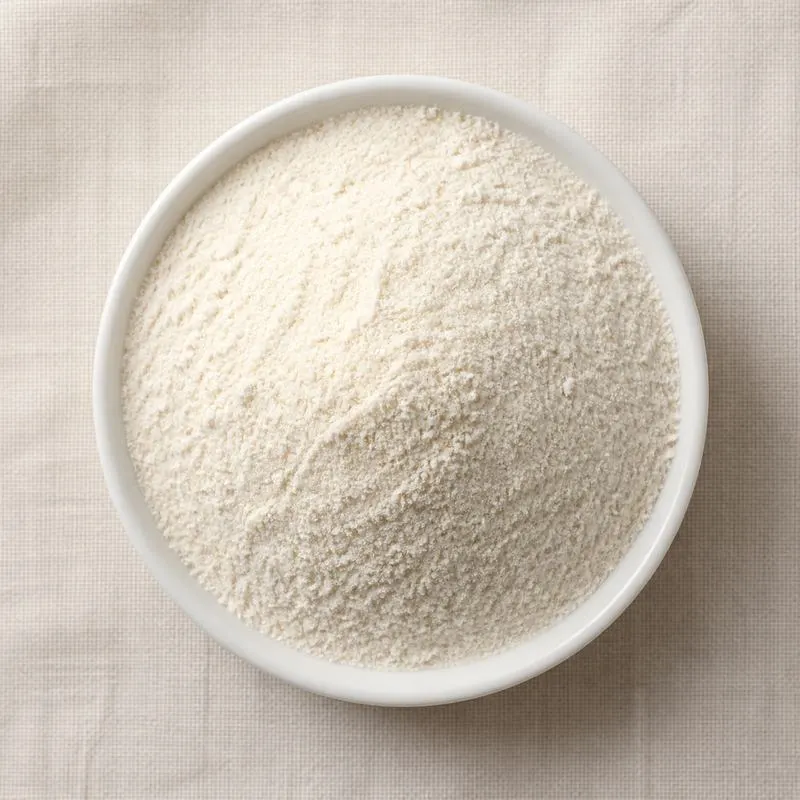
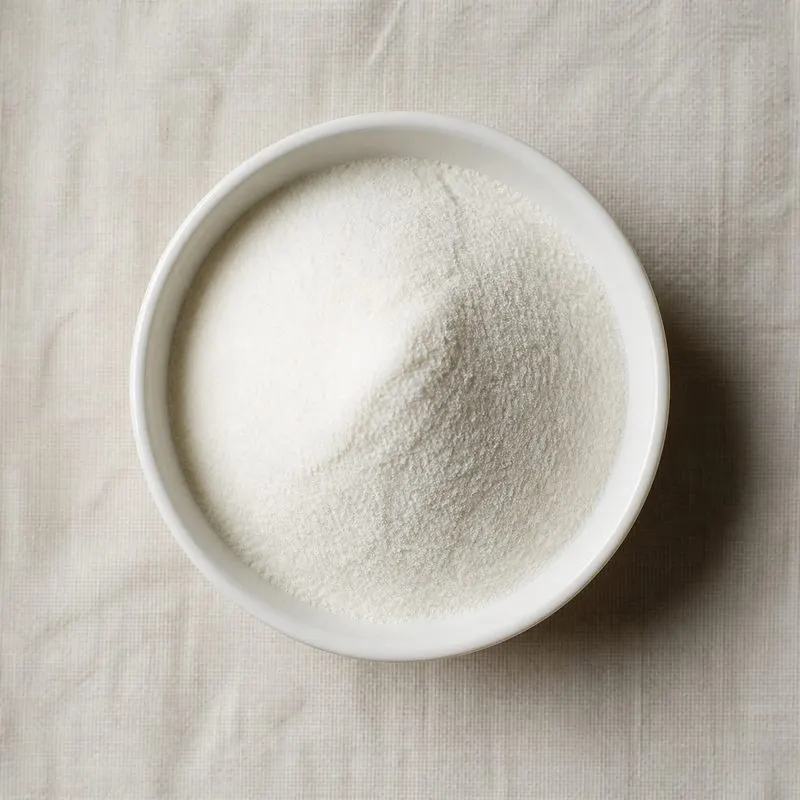
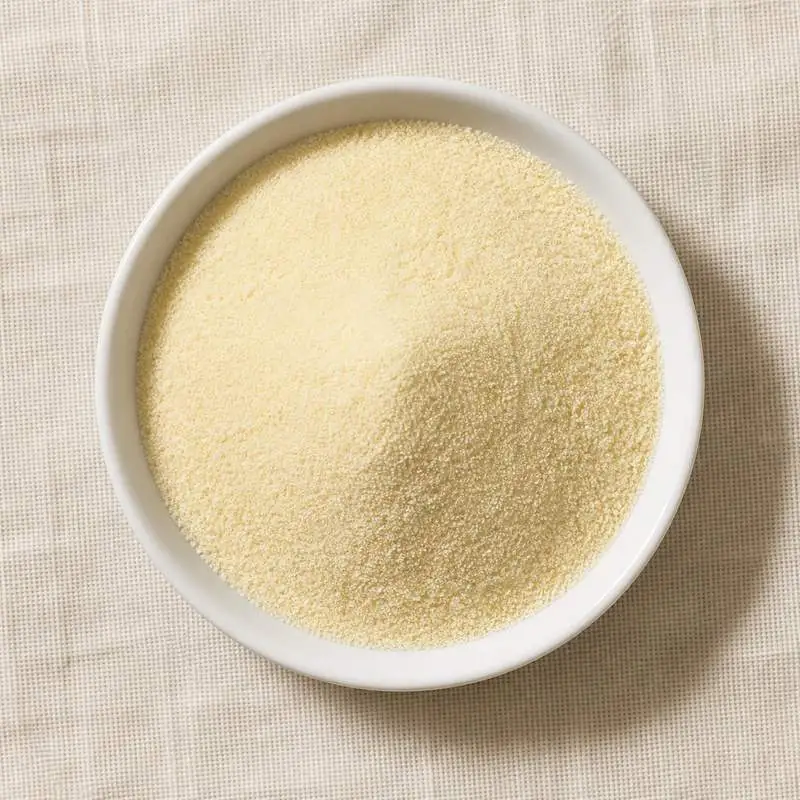
| Appearance | White to pale yellow fine powder |
| Protein (dry basis) | ≥ 80% (WPC) / ≥ 90% (WPI) |
| Moisture | ≤ 5.0% |
| Fat | ≤ 7.0% (WPC) / ≤ 1.0% (WPI) |
| Lactose | ≤ 8.0% (WPC) / ≤ 1.0% (WPI) |
| Ash | ≤ 7.0% |
| Particle Size | 60-80 mesh |
| Total Plate Count | ≤ 30,000 cfu/g |
| Salmonella | Absent in 25g |
Common Markets Grades
Whey Protein forms a tiered family of ingredients defined by protein content on a dry basis.
Whey Protein Concentrate (WPC) covers products from roughly 34 percent to 89 percent protein. The 34 to 35 percent grade replaces non-fat dry milk in bakery, confectionery, and processed foods. The 80 percent grade is the standard grade of sports-nutrition powders and meal-replacement bars.
Whey Protein Isolate (WPI) sits at 90 percent protein or higher with very low lactose and fat. Membrane-filtered WPI preserves native globular structure for clear-beverage and clinical use. Ion-exchange WPI is whiter and even higher in protein but carries a slightly altered fraction balance.
Whey Protein Hydrolysate (WPH) is enzymatically pre-digested WPC or WPI, sold by degree of hydrolysis from light (3 to 8 percent) for sports nutrition to extensive (above 20 percent) for hypoallergenic infant formula.
Specialty fractions are also marketed individually, including alpha-lactalbumin enriched powders, lactoferrin, and glycomacropeptide.
Applications
- Sports-nutrition powders, ready-to-mix shakes, and recovery beverages
- Protein bars, cookies, and high-protein snack formats
- Infant formula, follow-on formula, and toddler nutrition
- Medical nutrition for surgical recovery, sarcopenia, and oncology support
- Clear protein beverages and ready-to-drink waters using native or hydrolysed isolate
- Yogurt fortification, drinkable yogurts, and high-protein dairy desserts
- Ice cream and frozen-dessert protein enrichment
- Bakery applications for crumb softness, browning, and protein claims
- Processed cheese and cheese-sauce systems for body and emulsification
- Meat and seafood binders, including injection brines and surimi
- Confectionery nougats, caramels, and aerated bar centres
- Coffee creamers, whiteners, and barista-style plant-dairy blends
Brands Using Whey Protein
Widely-distributed consumer products that list Whey Protein on the ingredient label.
- Optimum NutritionGold Standard 100% Whey Protein Powder ↗Gold Standard 100% Whey is a blend of whey protein isolate, listed first, with whey protein concentrate and hydrolysed whey protein, with 24 g whey protein per serving.Label verified 2026-05-24
- DymatizeISO100 Hydrolyzed Whey Protein Isolate (Gourmet Vanilla) ↗ISO100 ingredient panel lists hydrolysed whey protein isolate and whey protein isolate as the protein sources, providing 25 g of fast-absorbing whey protein per serving.Label verified 2026-05-24
- Quest NutritionVanilla Milkshake Protein Powder ↗Quest Vanilla Milkshake Protein Powder lists whey protein isolate and micellar casein as the primary protein blend.Label verified 2026-05-24
- MyproteinImpact Whey Protein ↗Impact Whey Protein ingredient panel lists Whey Protein Concentrate (Milk) as the primary protein source, with flavour variants additionally including Whey Protein Isolate.Label verified 2026-05-24
Brand names, product names and logos are the property of their owners. They appear here as published evidence that the ingredient is used, taken from the brand's own label or website. Their appearance is not an endorsement, and it does not mean the brand buys from us or from any manufacturer listed on this site.
China Manufacturers of Whey Protein
Top Whey Protein manufacturers in China.
- China Animal Husbandry Group3 ingredients in the directory
 Hubei Baitewei Biotechnology Co., Ltd.6 ingredients in the directory
- Shandong Mingze Biotechnology Co., Ltd.8 ingredients in the directory
Company names and logos are the property of the manufacturers themselves. They are listed here because our own directory records them as producing this ingredient. A listing is not an endorsement by them, and we do not represent them or speak on their behalf.
How We Help Source Whey Protein
Direct Factory Sourcing
We run the whole process: selecting the manufacturer from the top Chinese food ingredient producers, negotiating the price, verifying quality, and coordinating the logistics. You deal with us instead of with several factories at once.
Original Packaging and Documents from the Manufacturer
The manufacturer sends your Whey Protein out of its own factory in the original packing, through to your destination port. The COA, COO, MSDS, TDS and any certifications reach you from the manufacturer as well.
Free Samples and Lead Time
We send 100 to 500 g free for your own laboratory to test and you cover only the courier, usually within 2 to 3 working days. ETD is usually within 7 to 15 days once the order is confirmed, and we check that date against the factory's own manufacturing schedule before we give it to you.
Combined Shipment
We can load Whey Protein together with other ingredients such as Collagen Peptide, Soy Protein Isolate and Fish Collagen Peptide into one 20' FCL. If your quantity is small, we can also ship LCL.
Regulatory Status
Whey Protein products are recognised dairy ingredients in essentially every regulated market.
In the United States the FDA defines whey, reduced lactose whey, reduced minerals whey, and whey protein concentrate under 21 CFR 184.1979 series as GRAS substances. Whey Protein Isolate falls under the same recognition through the broader dairy-derived category.
The Codex Alimentarius standard CODEX STAN 289-1995 covers whey powders. Whey protein products for infant formula must additionally meet Codex STAN 72-1981 and corresponding regional infant-formula regulations.
The European Union treats whey products as ordinary food ingredients under the general food law and lists them in compositional rules for milk-based products. Hydrolysates for hypoallergenic infant use require clinical substantiation under EU 2016/127.
Halal and Kosher dairy certifications are routinely available. Allergen labelling for milk is mandatory in all major jurisdictions.
Manufacturing Process
Whey enters the process as sweet whey from rennet-coagulated cheese or as acid whey from cottage cheese and Greek yogurt. Sweet whey dominates global supply because of its neutral pH and cleaner flavour.
The fresh whey is clarified, pasteurised, and cold-stored before fractionation. Fat and casein fines are removed by centrifugation and microfiltration to give a clean serum stream.
Protein is then concentrated by ultrafiltration through spiral-wound polymer membranes with a 10 kDa cut-off. Water, lactose, and minerals pass into the permeate while the proteins are retained. Diafiltration with soft water progressively raises the protein content from WPC34 to WPC80 and beyond.
For isolate-grade material, the retentate moves to a second stage of microfiltration or ion-exchange chromatography to strip residual fat and lactose. The concentrate is evaporated and spray-dried to a free-flowing powder.
Hydrolysates are produced by digesting WPC or WPI with food-grade proteases, often a combination of trypsin and chymotrypsin or Bacillus-derived enzymes, followed by heat inactivation and spray drying.