Whey Protein Hydrolysates
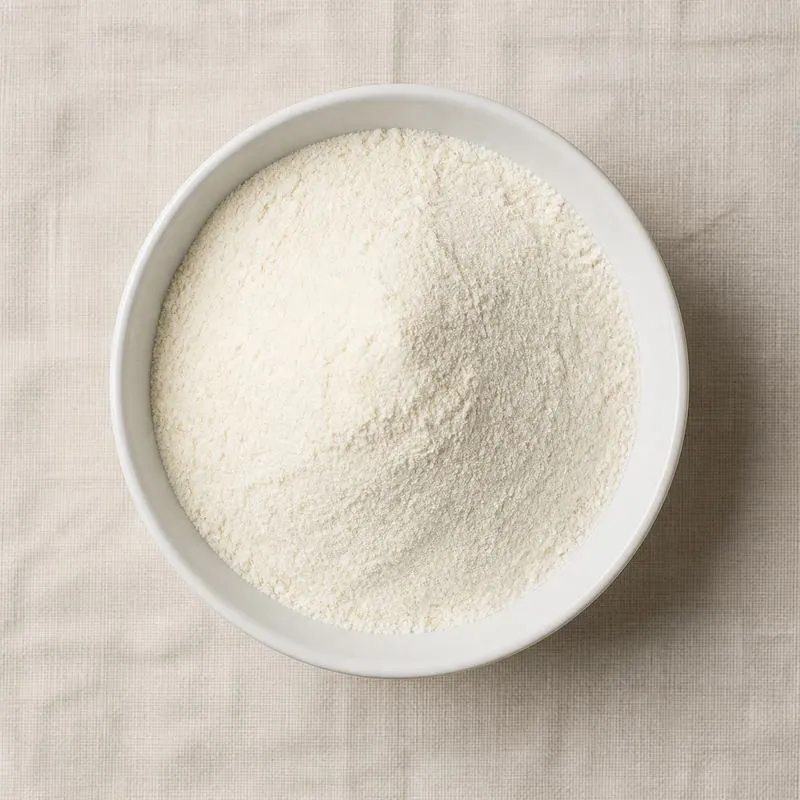
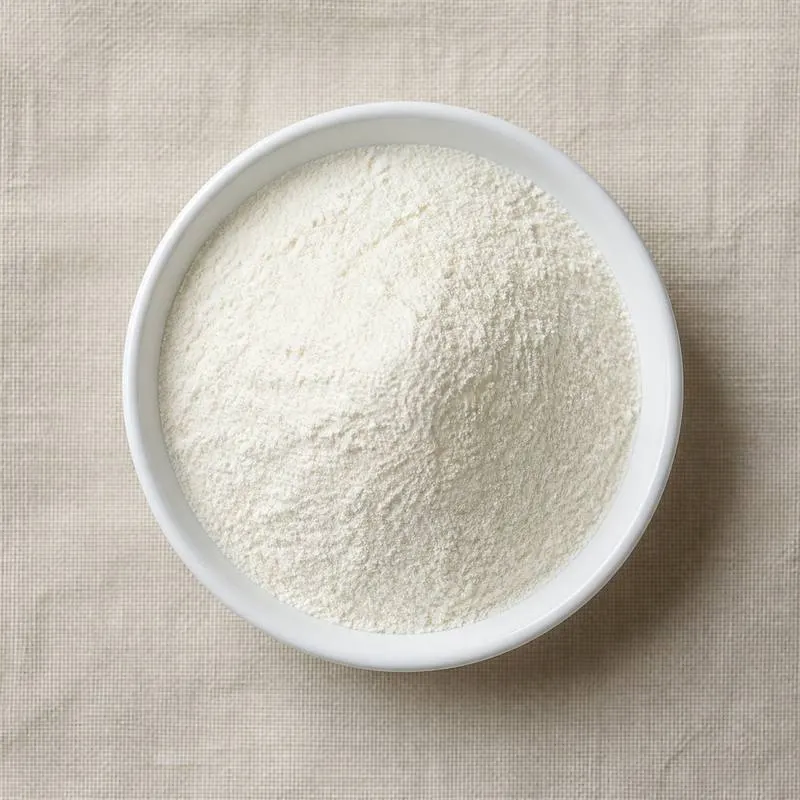
Whey Protein Hydrolysates are whey-derived powders in which the intact protein chains have been pre-cleaved into shorter peptides by food-grade proteolytic enzymes. The abbreviation WPH is used industrially.
The enzymatic pre-digestion shortens the work the human digestive system has to do, accelerates amino-acid appearance in plasma, and lowers the antigenic potential of beta-lactoglobulin and other intact whey proteins.
or call +86-21-6858 0751
- Packaging
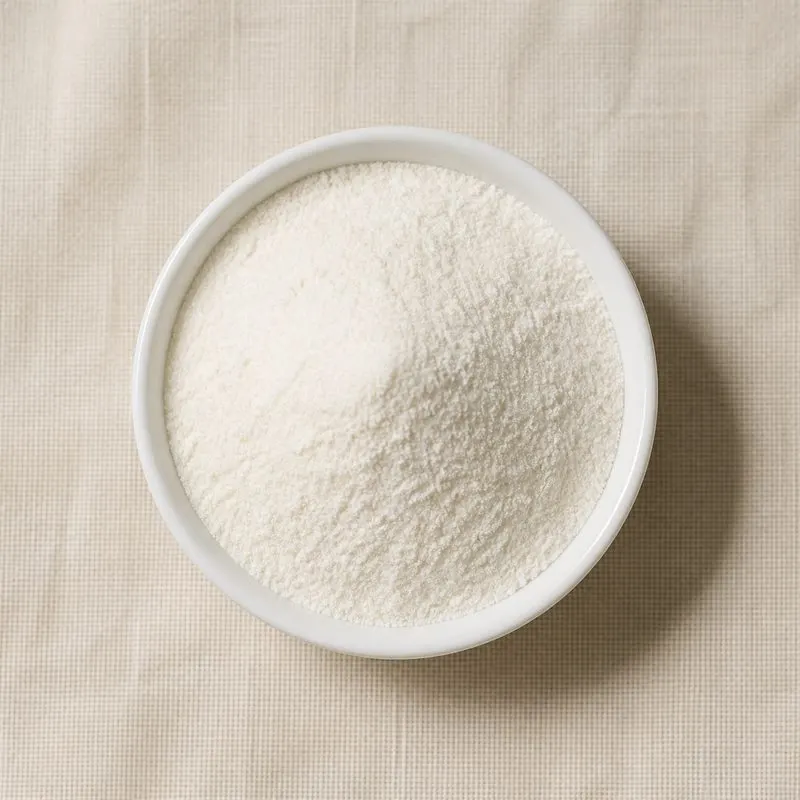
- 25 kg kraft paper bag with PE inner liner
- ISO 9001
- HACCP
- Halal
- Kosher
Specifications
| Item | Specification |
|---|---|
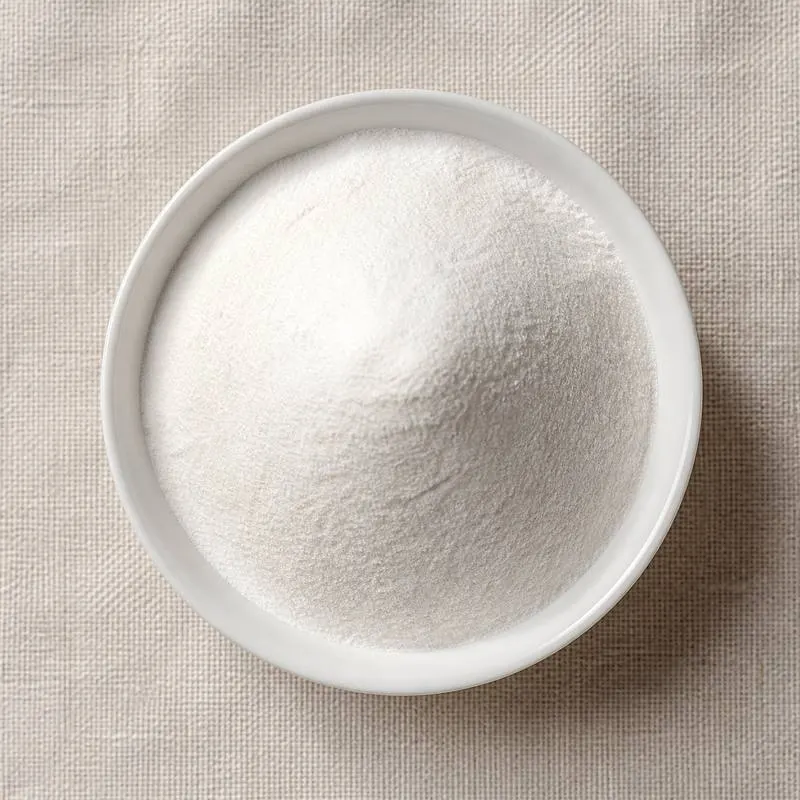
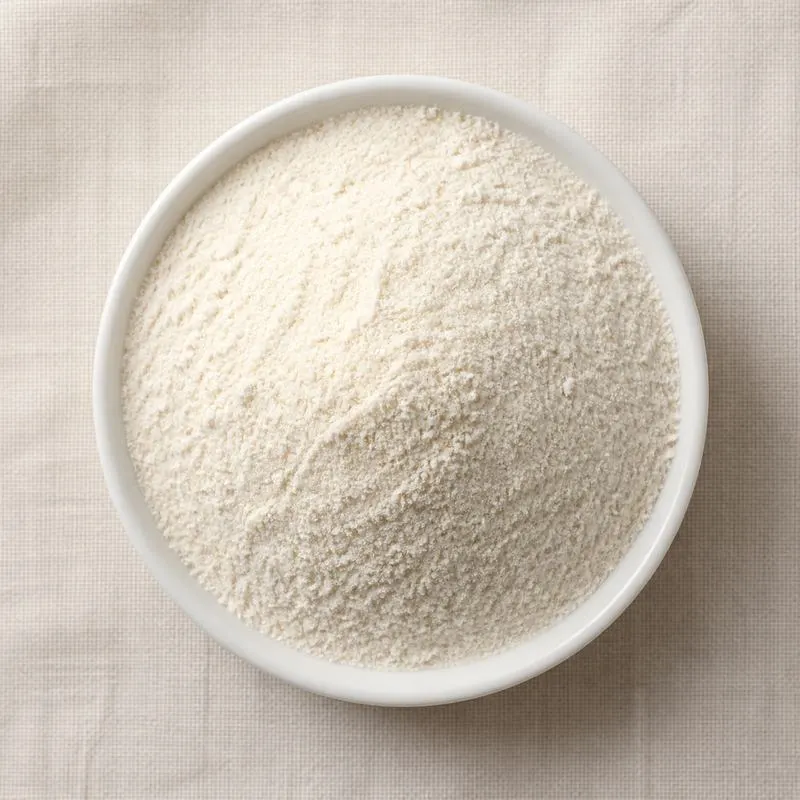
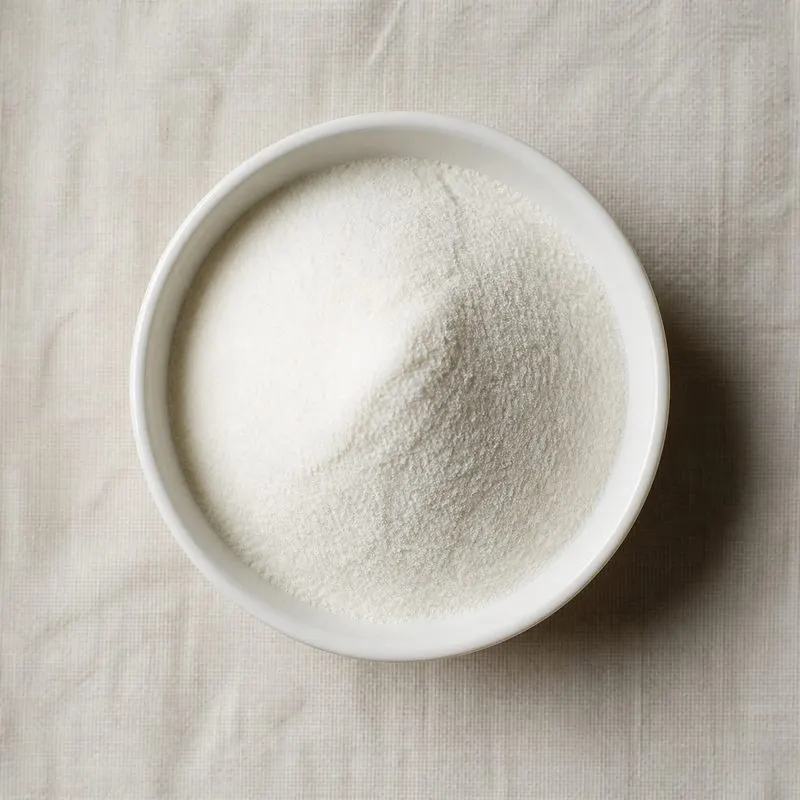
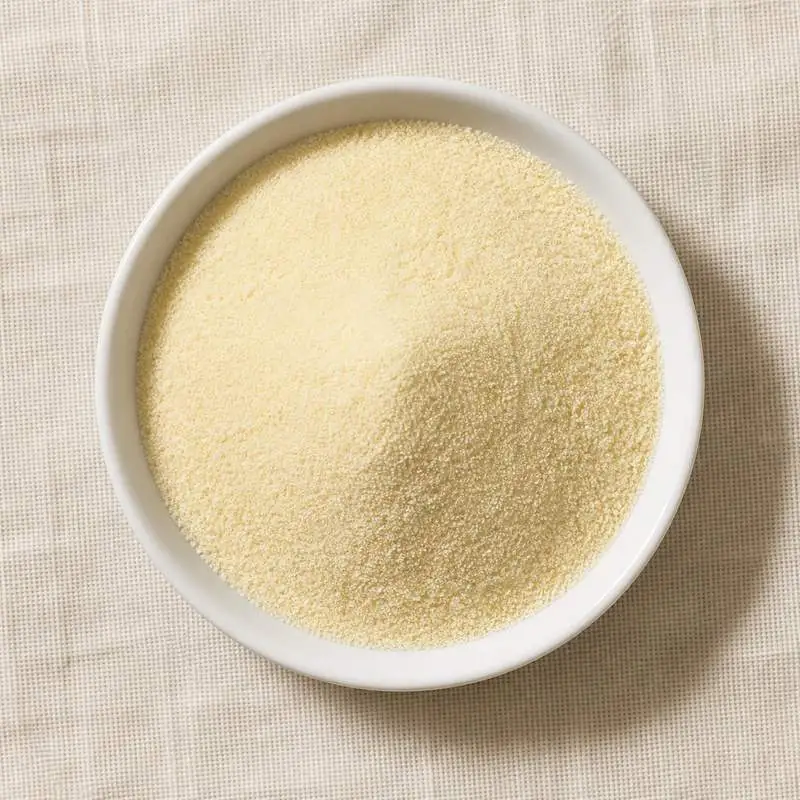
| Appearance | Cream to light yellow free-flowing fine powder |
| Protein (dry basis, N × 6.38) | ≥ 80.0% |
| Degree of Hydrolysis (DH) | 10.0-15.0% |
| Free Amino Acids | ≤ 15.0% of total nitrogen |
| Fat | ≤ 6.0% |
| Lactose | ≤ 5.0% |
| Ash | ≤ 5.0% |
| Moisture | ≤ 5.0% |
| pH (10% solution, 20 °C) | 6.0-7.0 |
| Solubility | ≥ 98.0% |
| Odour and Taste | Characteristic, slightly bitter, free from foreign odour |
| Heavy Metals (as Pb) | ≤ 2 mg/kg |
| Total Plate Count | ≤ 10,000 cfu/g |
| Yeast and Mould | ≤ 100 cfu/g |
| Salmonella | Negative/25g |
Common Markets Grades
Whey Protein Hydrolysates are classified by starting material and by degree of hydrolysis (DH), the percentage of peptide bonds cleaved.
Light hydrolysates with a DH of 3 to 8 percent are produced from WPC80 or WPI for sports-nutrition use. They keep most of the parent flavour profile while delivering faster gastric emptying and earlier plasma amino-acid peaks.
Moderate hydrolysates with a DH of 10 to 15 percent target clinical and performance recovery formulas where rapid uptake matters more than taste. They are commonly used in pre- and post-workout shots.
Extensive hydrolysates with a DH above 20 percent are produced for hypoallergenic infant formulas. Most peptides are below 1500 Da and free amino acids dominate, which reduces the risk of triggering cow's milk protein allergy.
Bioactive-peptide concentrates are a specialty subclass, isolating fractions with documented ACE-inhibitory, opioid, or immunomodulatory activity.
Applications
- Pre-workout and intra-workout sports drinks
- Post-workout recovery shots and clear protein waters
- Hypoallergenic infant formula and follow-on formula
- Elemental and semi-elemental enteral medical nutrition
- Oral nutritional supplements for surgical recovery and oncology
- Clinical formulas for inflammatory bowel disease and pancreatic insufficiency
- Geriatric nutrition for sarcopenia and protein-energy malnutrition
- Bioactive ingredient blends for blood-pressure and satiety positioning
- Performance gels and chews for endurance athletes
- Aquaculture and young-animal feeds for digestibility
- Cosmetic and personal-care peptide blends for skin and hair
- Functional bakery and bar formats targeting fast protein absorption
Brands Using Whey Protein Hydrolysates
Widely-distributed consumer products that list Whey Protein Hydrolysates on the ingredient label.
- DymatizeISO100 Hydrolyzed Whey Protein Isolate ↗A hydrolysed 100% whey protein isolate powder, listing hydrolysed whey protein isolate as the first ingredient on the panel.Label verified 2026-05-24
- Optimum NutritionPlatinum Hydrowhey Hydrolyzed Whey Protein Powder ↗Platinum Hydrowhey is described on the product page as 100% Hydrolyzed Whey Protein Isolate, providing 30 g of fast-absorbing protein per serving.Label verified 2026-05-24
- MusclePharmCombat Protein Powder ↗MusclePharm Combat Protein 5-protein blend includes hydrolysed whey protein (whey protein hydrolysate) alongside whey isolate, whey concentrate, egg albumin, and milk protein concentrate.Label verified 2026-05-24
Brand names, product names and logos are the property of their owners. They appear here as published evidence that the ingredient is used, taken from the brand's own label or website. Their appearance is not an endorsement, and it does not mean the brand buys from us or from any manufacturer listed on this site.
How We Help Source Whey Protein Hydrolysates
Direct Factory Sourcing
We run the whole process: selecting the manufacturer from the top Chinese food ingredient producers, negotiating the price, verifying quality, and coordinating the logistics. You deal with us instead of with several factories at once.
Original Packaging and Documents from the Manufacturer
The manufacturer sends your Whey Protein Hydrolysates out of its own factory in the original packing, through to your destination port. The COA, COO, MSDS, TDS and any certifications reach you from the manufacturer as well.
Free Samples and Lead Time
We send 100 to 500 g free for your own laboratory to test and you cover only the courier, usually within 2 to 3 working days. ETD is usually within 7 to 15 days once the order is confirmed, and we check that date against the factory's own manufacturing schedule before we give it to you.
Combined Shipment
We can load Whey Protein Hydrolysates together with other ingredients such as Collagen Peptide, Soy Protein Isolate and Fish Collagen Peptide into one 20' FCL. If your quantity is small, we can also ship LCL.
Regulatory Status
Whey Protein Hydrolysates are recognised food and clinical-nutrition ingredients in all major jurisdictions.
The United States FDA covers them under the broader GRAS status of whey-derived ingredients. Extensively hydrolysed formulas for infant use are reviewed individually under the Infant Formula Act.
The European Union allows WPH in foods for special medical purposes under Regulation (EU) 2016/128 and in infant formula under Regulation (EU) 2016/127. Hypoallergenic claims must be supported by clinical evidence in at least 90 percent of the target population.
Codex standard CODEX STAN 72-1981 covers hydrolysate-based infant formula. Halal and Kosher dairy certifications are routinely available.
Milk allergen labelling is required even for extensively hydrolysed products in most markets, because trace intact protein cannot be guaranteed to zero.
Manufacturing Process
WPH manufacture starts from a clean whey-protein concentrate or isolate base. The base powder is reconstituted in soft water, pH-adjusted, and warmed to the optimum temperature for the chosen enzyme.
Food-grade proteases are then dosed. Common choices include pancreatic trypsin and chymotrypsin, Bacillus licheniformis alkaline protease (Alcalase), and microbial neutral proteases. Single enzymes give defined cleavage patterns, while enzyme cocktails drive higher degrees of hydrolysis.
The hydrolysis is held under controlled pH and temperature for a set time. Real-time monitoring uses pH-stat or osmolality methods to track the degree of hydrolysis.
The reaction is stopped by short high-temperature inactivation, after which the hydrolysate is clarified, optionally ultrafiltered or nanofiltered to remove unwanted peptide sizes, deodorised, and spray-dried.
Carbon treatment and activated-carbon polishing are common at this stage to control bitterness, which arises from hydrophobic peptide side chains.