Yam Postbiotic
Yam postbiotic is a fermented and then deliberately inactivated preparation made by culturing lactic acid bacteria on a substrate of Chinese yam, Dioscorea opposita or a related species. A postbiotic, as the term is defined by the International Scientific Association for Probiotics and Prebiotics, is a preparation of inanimate microorganisms and their components that confers a benefit, so the finished ingredient carries no live count and is not sold as a probiotic.
The material combines three fractions. From the yam itself come starch, mucilaginous polysaccharides and the storage protein dioscorin. From the fermentation come organic acids, peptides and free amino acids released by microbial proteolysis, and short chain fatty acids. From the inactivated cells come cell wall fragments, peptidoglycan, teichoic acids and exopolysaccharide.
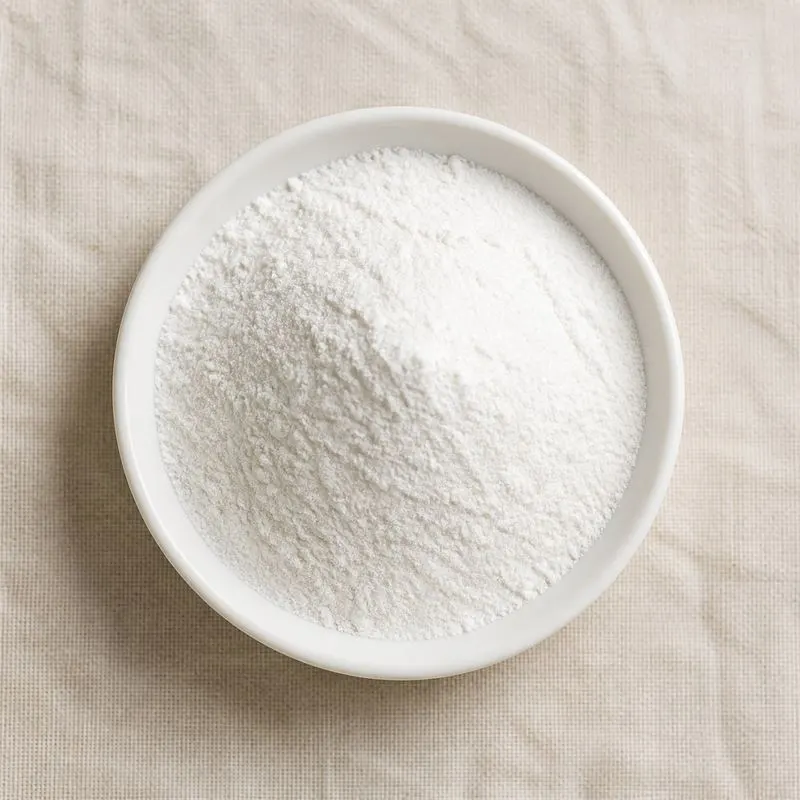
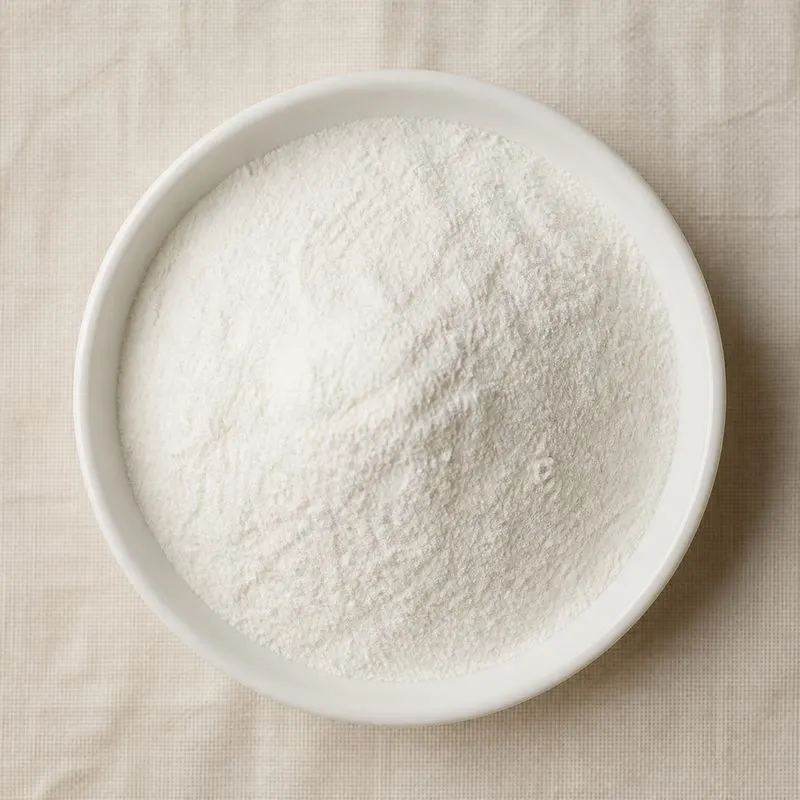
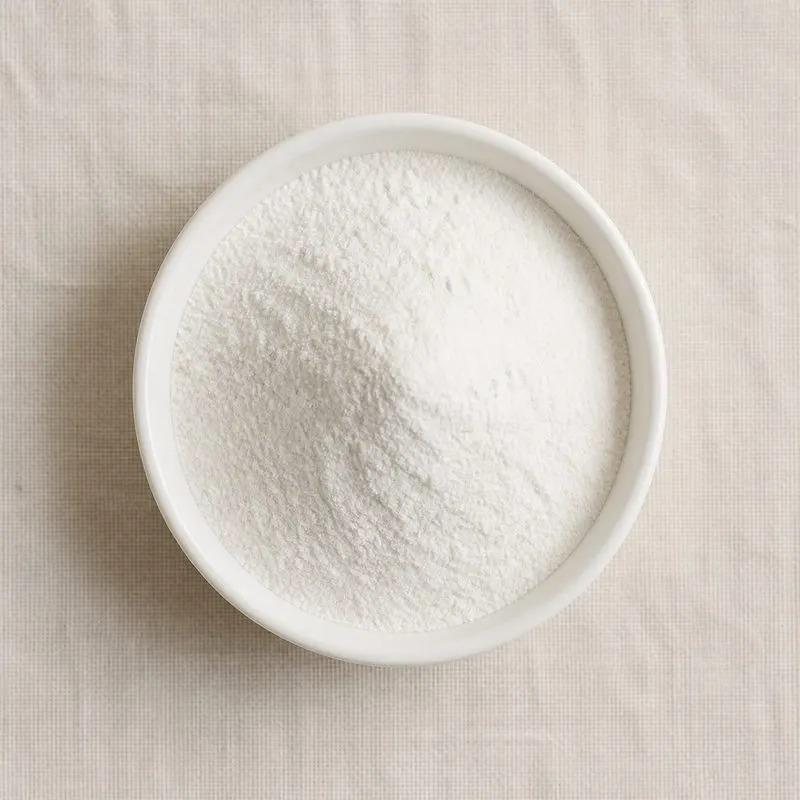
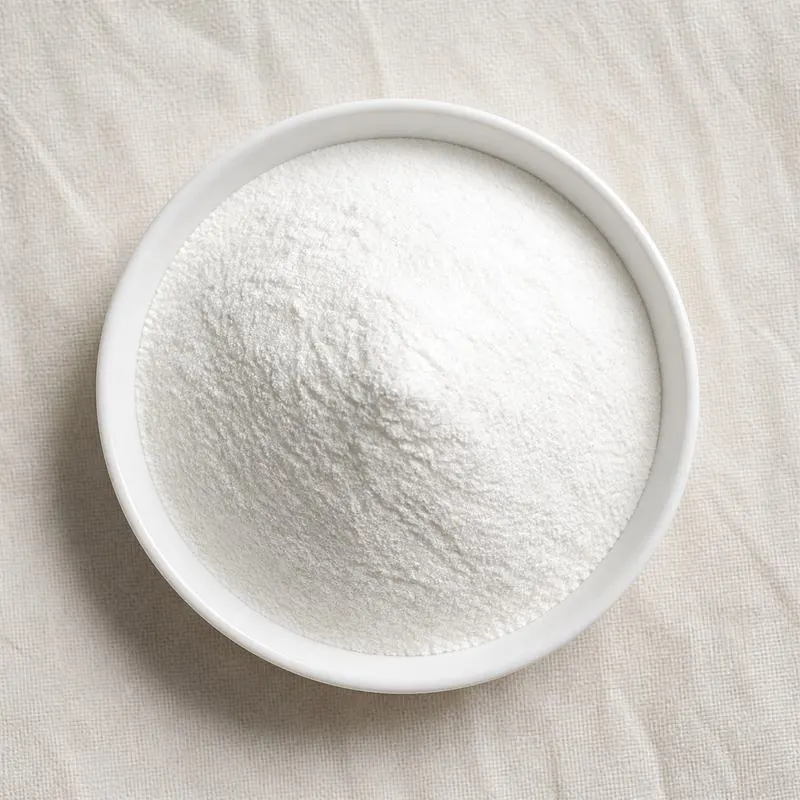
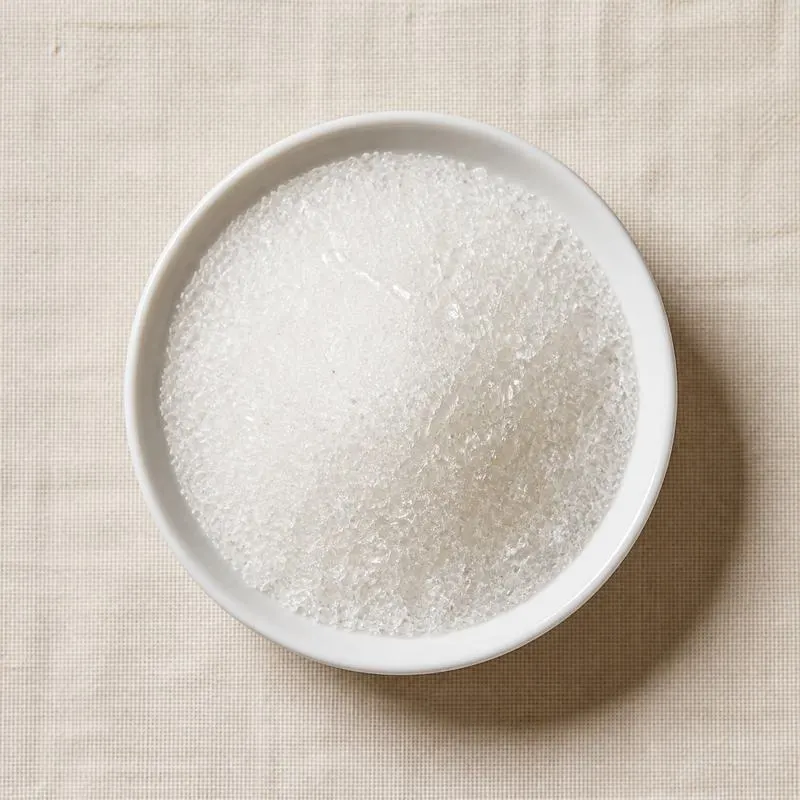
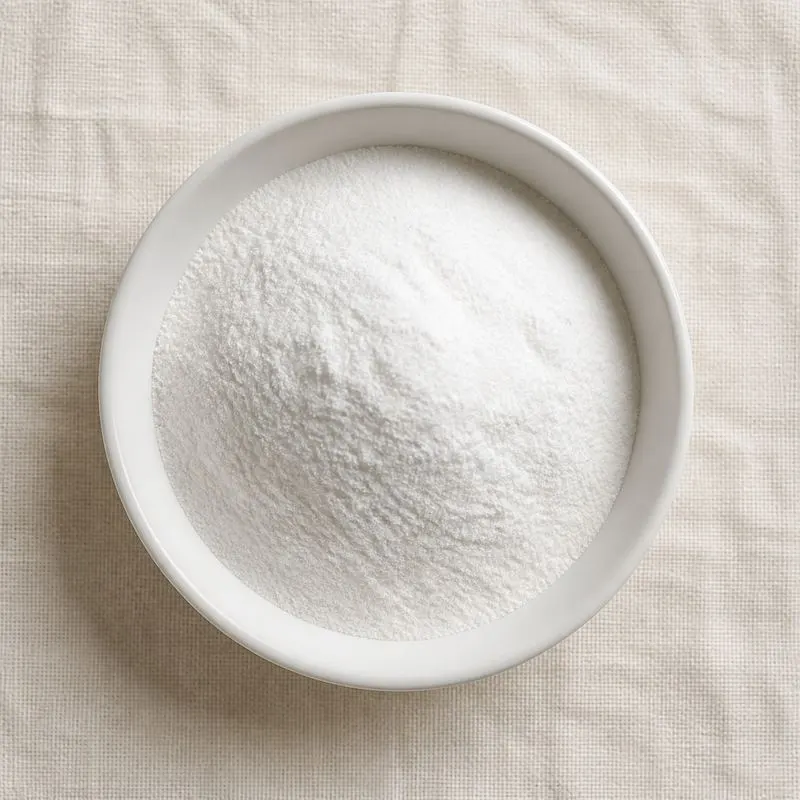
It is a cream to light beige fine powder with a mildly sour, faintly cereal aroma, usually at 5 to 7 percent moisture. Because the cells are dead, the powder needs no cold chain, tolerates heat and shear that would kill a live culture, and holds a long ambient shelf life, which is the main practical argument for the format. It is hygroscopic and disperses in water rather than dissolving, the yam polysaccharide giving a slightly viscous suspension.
We source bulk Yam Postbiotic from top China manufacturers for our partners. The manufacturer is in Tianjin. A smaller requirement can ship in a combined container with other ingredients.
Please send the grade you need, the volume and your destination port, and we will come back with a solution and a price.
or call +86-21-6858 0751
- Function
- Probiotic
Specifications
| Item | Specification |
|---|---|
| Appearance | Cream to light beige fine powder |
| Odour and Taste | Mildly sour, faintly cereal, free from off notes |
| Identification | Fermentation strain confirmed by 16S rRNA sequencing of the biomass |
| Inactivated Cell Count | Per declared specification, typically 10¹⁰ to 10¹¹ cells/g |
| Viable Organisms | Absent, confirmed by plate count |
| Polysaccharides | ≥ 10.0% by colorimetric assay |
| Protein, N x 6.25 | ≥ 8.0% |
| Moisture | ≤ 7.0% |
| Ash | ≤ 8.0% |
| pH, 10% suspension | 4.0 to 6.0 |
| Particle Size | ≥ 95% through 80 mesh |
| Lead | ≤ 1.0 mg/kg |
| Arsenic | ≤ 1.0 mg/kg |
| Total Plate Count | ≤ 1,000 CFU/g |
| Yeast and Mould | ≤ 50 CFU/g |
| Salmonella | Absent in 25 g |
Common Markets Grades
The ingredient is a formulated fermentate rather than a defined chemical substance, so specifications are set by agreement rather than by a pharmacopoeial monograph. The declarations a buyer normally negotiates are the polysaccharide content of the yam fraction, the inactivated cell count expressed as cells per gram, and the identity of the strain or strains used in the fermentation, since the postbiotic inherits its identity from the organism even though that organism is no longer alive.
Physical grades divide by drying route. Spray dried powder on a carrier is the common commercial form and the cheapest, while freeze dried material retains more of the heat labile fraction and costs more. Whole fermentate powders retain the yam solids and the cells together, whereas separated versions dry only the cell fraction or only the clarified supernatant. Organic certified material grown on certified yam is produced, and particle size is normally specified at 80 to 120 mesh.
Applications
- Digestive health supplements in capsule, tablet and sachet form, positioned as a heat stable alternative to live cultures
- Shelf stable functional beverages, where the absence of live cells removes the cold chain requirement
- Powdered nutrition and meal replacement blends, dosed for gut positioning alongside fibre
- Baked goods, cereal bars and extruded snacks, which live cultures cannot survive
- Infant and children's supplement formats where a live culture is not wanted
- Traditional tonic formulations, since Chinese yam is a long established constituent of that category
- Combination products with prebiotic fibres, forming a fibre and postbiotic pairing
- Pet supplements and feed, where processing temperatures rule out most live organisms
- Cosmetic formulations, using the fermentate as a skin conditioning botanical ferment
China Manufacturers of Yam Postbiotic
Top Yam Postbiotic manufacturers in China.
Company names and logos are the property of the manufacturers themselves. They are listed here because our own directory records them as producing this ingredient. A listing is not an endorsement by them, and we do not represent them or speak on their behalf.
Regulatory Status
In the United States the ingredient is marketed as a dietary ingredient under the dietary supplement framework or as a conventional food ingredient. The organisms used are established food cultures with generally recognised as safe status, and inactivation does not create a new regulatory category, so the substance is assessed on its composition and its history of use. Digestive or immune statements are structure and function claims rather than authorised health claims, and the term postbiotic itself is a scientific rather than a regulatory designation.
In the European Union the position turns on novel food status. Chinese yam has a history of consumption in some member states, but a fermented and processed preparation of it may fall within the novel food regulation and require authorisation before being placed on the market, so the production route and the history of use of the specific preparation determine the pathway. The ingredient is a food ingredient rather than an additive, so no E number applies, and any health claim requires separate authorisation under the nutrition and health claims regulation. Codex has no standard covering fermented plant preparations of this kind, so the general standards for contaminants, hygiene and labelling apply.
Manufacturing Process
Yam tubers are washed, peeled, sliced and either dried and milled or pulped directly into a slurry. The slurry is cooked to gelatinise the starch, then treated with amylase and sometimes protease so that the polysaccharide and protein are partially broken down into forms the culture can use. The mash is heat sterilised, cooled and inoculated with a defined lactic acid bacteria culture, commonly a Lactiplantibacillus or Lacticaseibacillus strain, and held at controlled temperature until pH and titratable acidity reach their target, which normally takes a day or two.
The fermented mash is then heat treated deliberately, at a temperature and hold time sufficient to kill every viable cell, since inactivation is the defining step of a postbiotic rather than an incidental loss. Depending on the grade, the whole fermentate is carried forward, or the cells and supernatant are separated by centrifugation and one fraction taken. The material is homogenised, concentrated under vacuum, and dried by spray drier onto a carrier such as maltodextrin or by freeze drier where the heat sensitive fraction matters. The dried cake is milled and sieved, checked for absence of viable organisms as a release test, and packed in foil laminate.