Yeast Cell Wall
Yeast cell wall is the insoluble structural residue of Saccharomyces cerevisiae left after the soluble intracellular contents have been extracted, and it is the co-product of yeast extract manufacture. Physically it is the shell of the cell, which is why it is also traded under the names yeast hulls and yeast cell wall fraction.
Chemically the wall is built from two polysaccharide systems. The inner layer is beta-1,3-glucan cross linked with beta-1,6-glucan, which provides the mechanical strength, and the outer layer is mannan covalently bound to protein as mannoprotein, which carries the mannose residues on the cell surface. A typical commercial product runs 25 to 35 percent beta-glucan and 20 to 30 percent mannan with 15 to 25 percent residual protein and a small lipid fraction.
Those two polysaccharides account for the two distinct functional claims made for the material. The mannan fraction binds certain enteric bacteria that carry mannose specific fimbriae, and the beta-glucan fraction is the immune modulating component. In a separate, purely physical role, the wall adsorbs mycotoxins and, in winemaking, the medium chain fatty acids that inhibit fermentation.
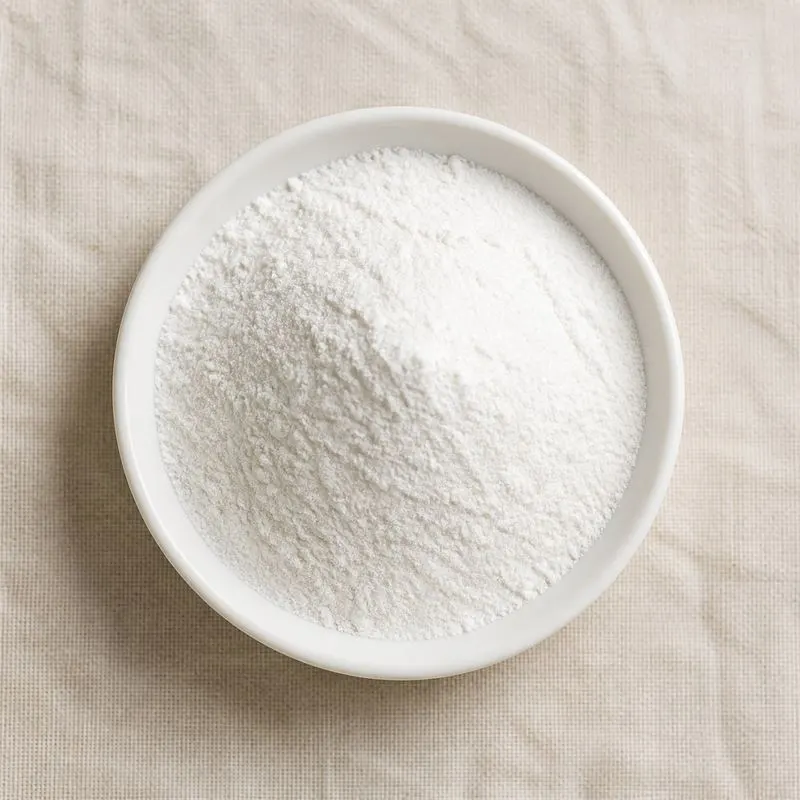
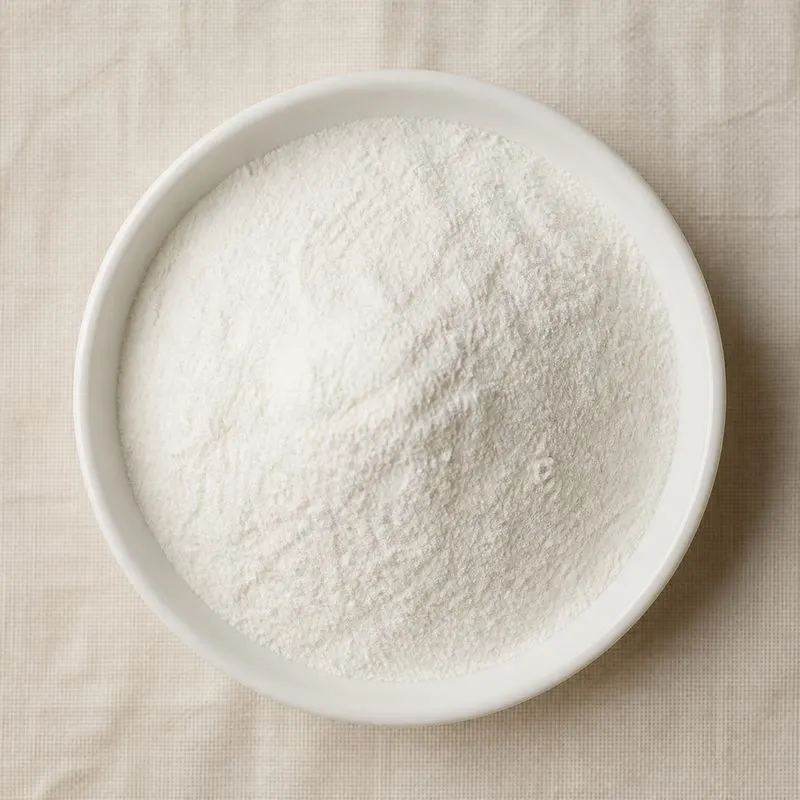
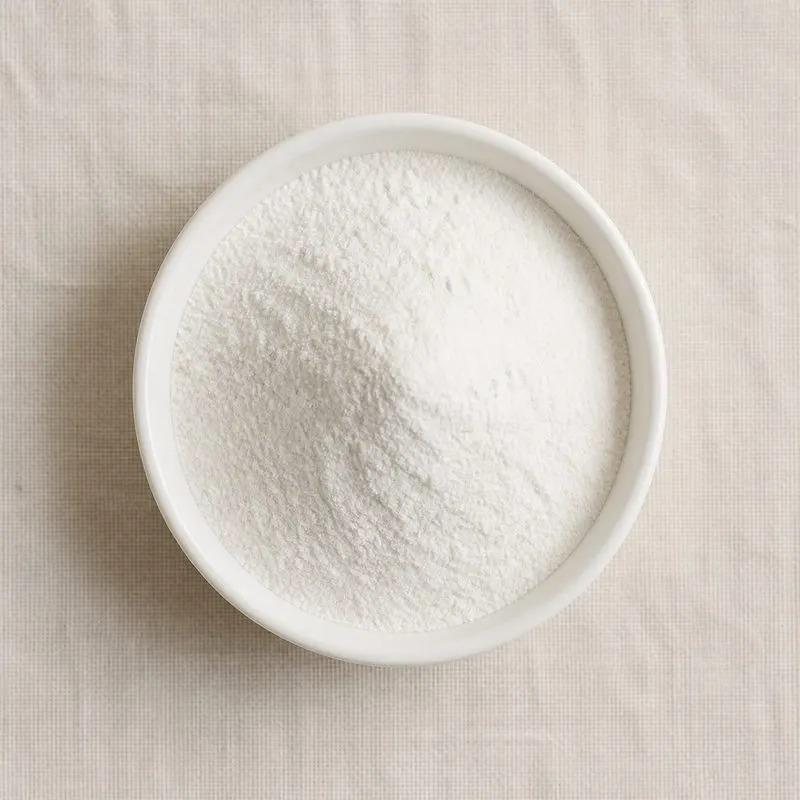
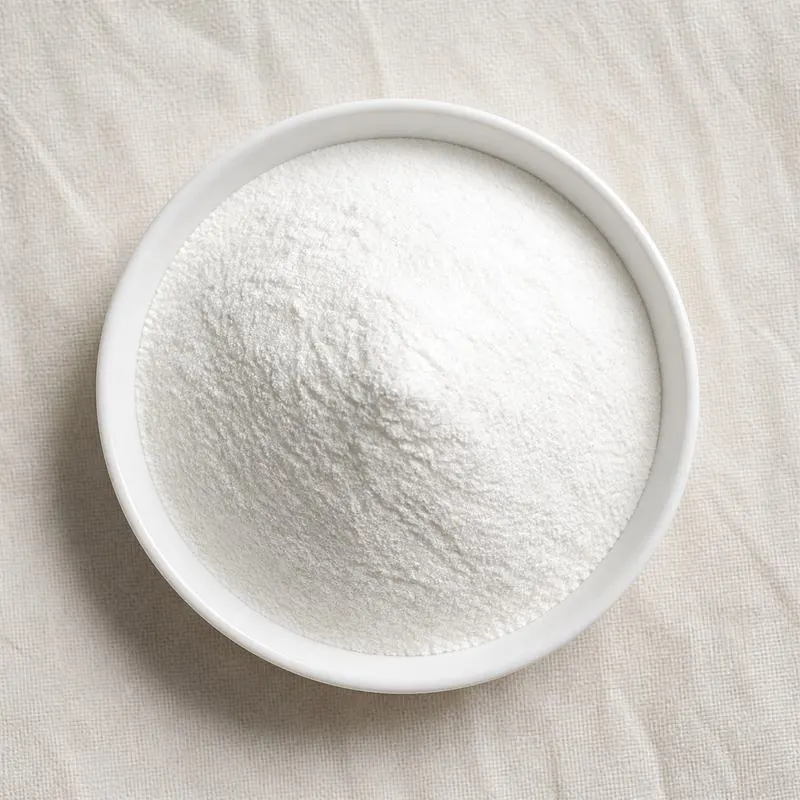
It is a light brown to tan free flowing powder at 5 to 8 percent moisture, insoluble in water and forming a settling suspension.
We source bulk Yeast Cell Wall from top China manufacturers for our partners. The manufacturer is in Zhejiang. A smaller requirement can ship in a combined container with other ingredients.
Please send the grade you need, the volume and your destination port, and we will come back with a solution and a price.
or call +86-21-6858 0751
- Function
- Probiotic
Specifications
| Item | Specification |
|---|---|
| Appearance | Light brown to tan free flowing powder |
| Odour | Characteristic yeasty, free from putrid notes |
| Beta-glucan, dry basis | ≥ 25.0% |
| Mannan, dry basis | ≥ 20.0% |
| Protein, N x 6.25 | 15.0% to 25.0% |
| Moisture | ≤ 8.0% |
| Ash | ≤ 8.0% |
| Fat | ≤ 8.0% |
| pH, 10% suspension | 4.5 to 6.5 |
| Particle Size | ≥ 95% through 60 mesh, per grade |
| Lead | ≤ 2.0 mg/kg |
| Arsenic | ≤ 2.0 mg/kg |
| Total Plate Count | ≤ 50,000 CFU/g |
| Yeast and Mould | ≤ 1,000 CFU/g |
| E. coli | Absent in 1 g |
| Salmonella | Absent in 25 g |
Common Markets Grades
The material is graded chiefly on beta-glucan and mannan content, declared as minimum percentages on the dry basis, since those two figures determine both the price and the application. A basic hull grade is specified loosely and sold for its adsorptive and physical properties, while a purified cell wall grade has been washed more thoroughly to strip residual protein and raise the polysaccharide figures.
Beyond that, the trade divides by application. Feed grade is the largest volume and is specified on polysaccharide content, moisture and uniformity. Oenological grade, sold as yeast hulls for wine, is specified on its capacity to adsorb inhibitory fatty acids and on the absence of off flavours. A purified beta-glucan grade, in which the mannan and protein have been largely removed by alkali and acid washing to give 60 to 80 percent beta-glucan, is a separate and more expensive product used in human supplements. Particle size runs from fine milled powder to coarse granules for pelleted feed.
Applications
- Poultry, swine and calf feed, where the mannan fraction is used to bind mannose specific enteric bacteria
- Mycotoxin binders in feed, using the physical adsorption capacity of the wall polysaccharides
- Aquaculture feed for shrimp and finfish, as an immune supporting additive in the grow out phase
- Pet food, in digestive and immune positioned formulations
- Winemaking, as yeast hulls added to stuck or sluggish fermentations to adsorb inhibitory medium chain fatty acids and supply sterols
- Human supplements, using the purified beta-glucan grade for immune positioning
- Fermentation media, as an inexpensive source of nitrogen and growth factors
- Emulsion stabilisation, where the mannoprotein fraction acts as a surface active biopolymer
- Cosmetic formulations, using beta-glucan as a film forming and skin conditioning ingredient
Brands Using Yeast Cell Wall
Widely-distributed consumer products that list Yeast Cell Wall on the ingredient label.
Brand names, product names and logos are the property of their owners. They appear here as published evidence that the ingredient is used, taken from the brand's own label or website. Their appearance is not an endorsement, and it does not mean the brand buys from us or from any manufacturer listed on this site.
China Manufacturers of Yeast Cell Wall
Top Yeast Cell Wall manufacturers in China.

Company names and logos are the property of the manufacturers themselves. They are listed here because our own directory records them as producing this ingredient. A listing is not an endorsement by them, and we do not represent them or speak on their behalf.
Regulatory Status
In the United States dried Saccharomyces cerevisiae and yeast derived products are affirmed as generally recognised as safe for food use, and yeast cell wall preparations used in animal nutrition fall under the animal food framework, where the Association of American Feed Control Officials ingredient definitions determine how the material may be named on a feed label. Beta-glucan preparations from yeast used in human food have been the subject of GRAS notifications to which the Food and Drug Administration has responded without objection.
In the European Union yeast cell wall products are feed materials, listed in the catalogue of feed materials, when sold for animal nutrition, and specific preparations claiming a zootechnical effect are authorised individually as feed additives following European Food Safety Authority assessment. For human food, yeast beta-glucan preparations have been authorised as novel foods with conditions of use set in the Union list, so the specific preparation and its authorisation determine what is permitted. In winemaking, yeast hulls are among the substances authorised for use under the wine market regulation and the international oenological codex. Codex has no commodity standard for yeast cell wall.
Manufacturing Process
Production starts from yeast cream, either grown deliberately on molasses or a glucose substrate or recovered as surplus biomass from brewing or ethanol production, which is washed to remove residual medium and debittered where it comes from brewing. The cream is then autolysed or hydrolysed with enzymes: it is held at roughly 45 to 55 degrees Celsius at a controlled pH, the cell's own proteases and nucleases digest the intracellular protein and nucleic acid, and added food grade proteases speed the process up. The wall itself is left largely intact because it is resistant to these enzymes.
The hydrolysed slurry is then separated by centrifugation or decanter into two streams. The soluble phase is the yeast extract and goes on to its own concentration and drying line, while the insoluble sediment is the cell wall fraction. The wall is washed repeatedly, often in counter current flow, to strip residual soluble solids and lower the ash and free amino nitrogen, then pasteurised, concentrated and dried on a spray or drum drier. Where a purified beta-glucan grade is being made, the washed wall is additionally treated with dilute alkali and acid to dissolve away the mannoprotein and residual protein before a final wash and dry. Dried material is milled and sieved to the specified particle size and assayed for beta-glucan and mannan.