Beta-1,3-Glucan
Beta-1,3-Glucan is a high molecular weight polysaccharide built from glucose units linked through β-1,3 glycosidic bonds, often with β-1,6 branches.
The most widely traded forms are derived from the cell wall of baker's yeast (Saccharomyces cerevisiae), where the polymer makes up roughly 30 to 50 percent of cell wall dry mass. Other commercial sources include oat and barley bran, several mushroom species, and the unicellular alga Euglena gracilis.
We source bulk Beta-1,3-Glucan from top China manufacturers for our partners. The manufacturer is in Hebei. A smaller requirement can ship in a combined container with other ingredients.
Please send the grade you need, the volume and your destination port, and we will come back with a solution and a price.
or call +86-21-6858 0751
- Packaging
- 25 kg kraft paper bag with PE inner liner
- ISO 9001
- HACCP
- Halal
- Kosher
Specifications
| Item | Specification |
|---|---|
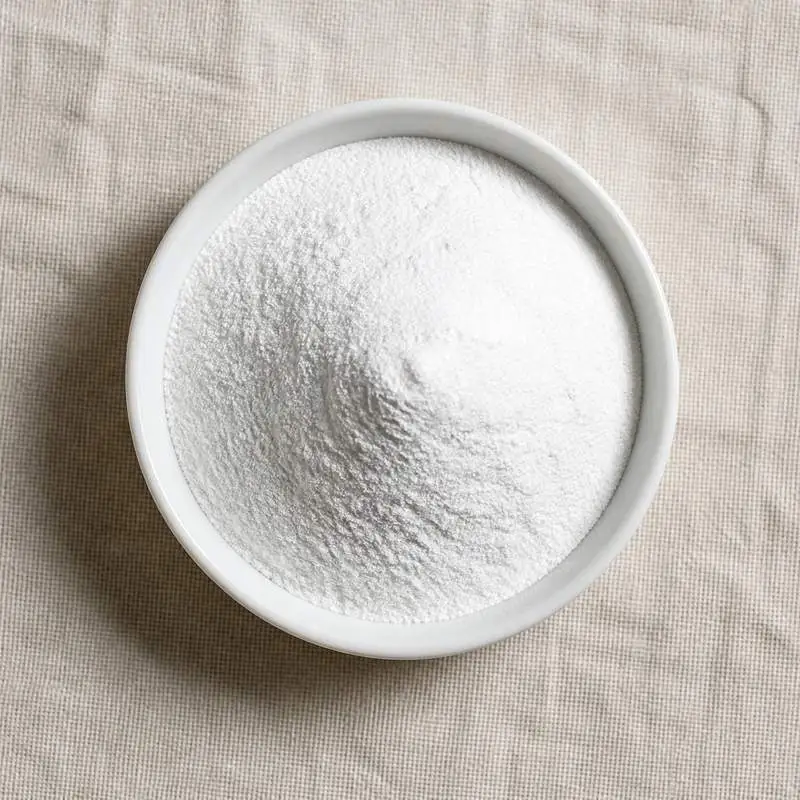
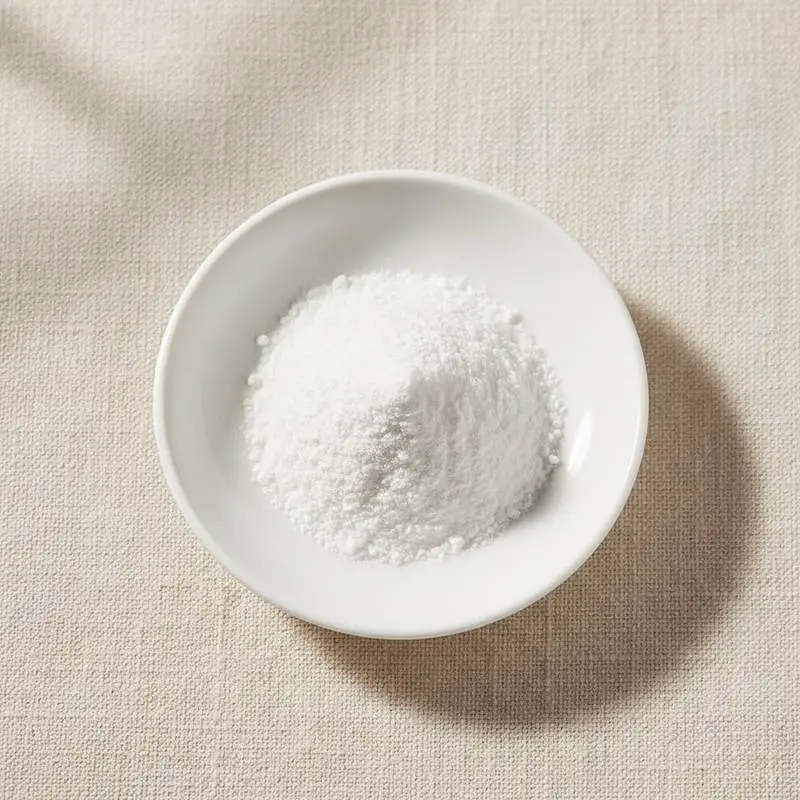
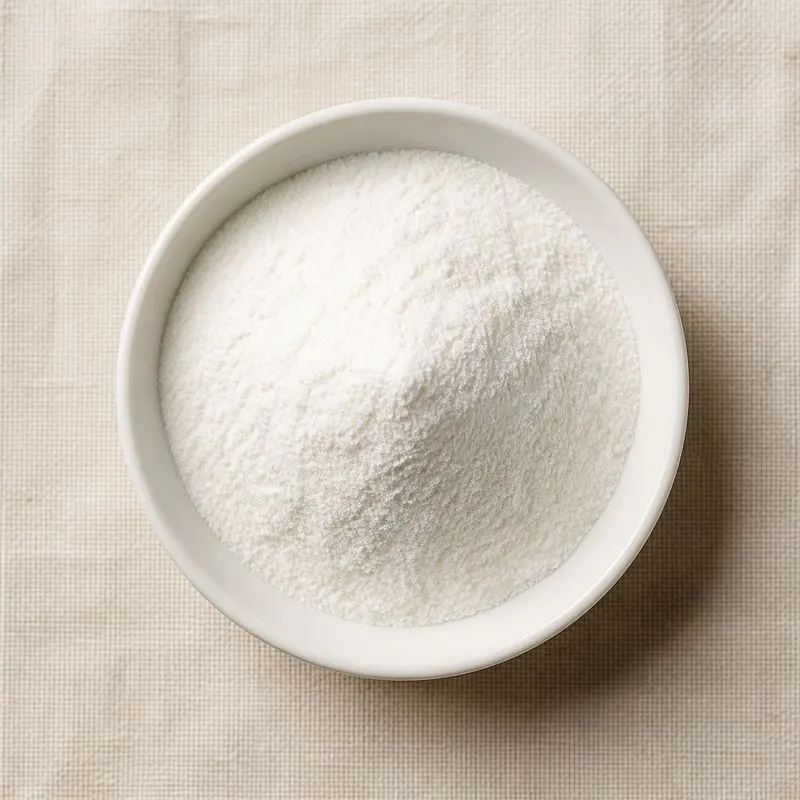
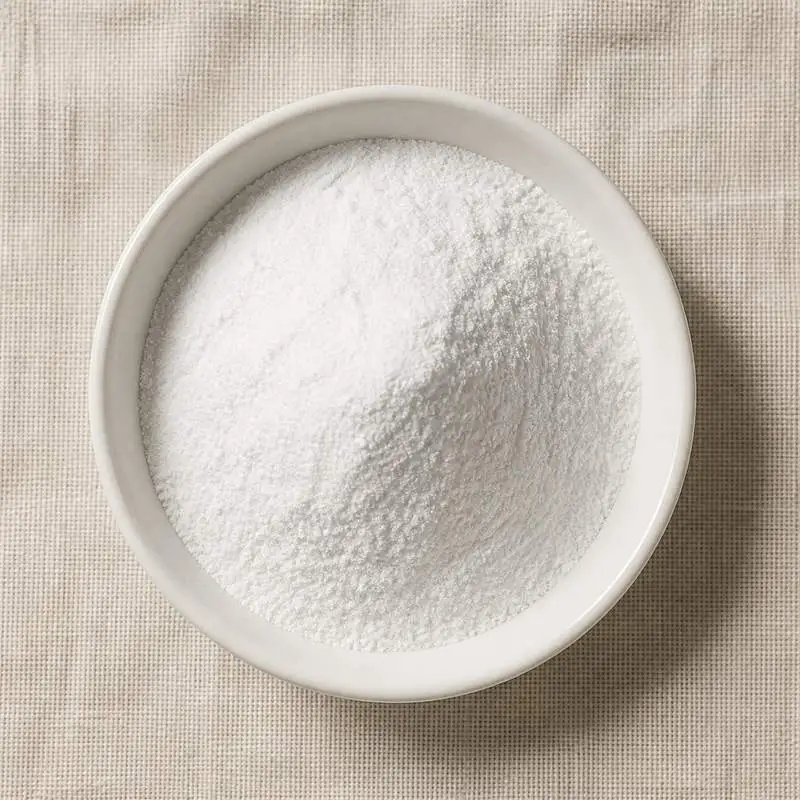
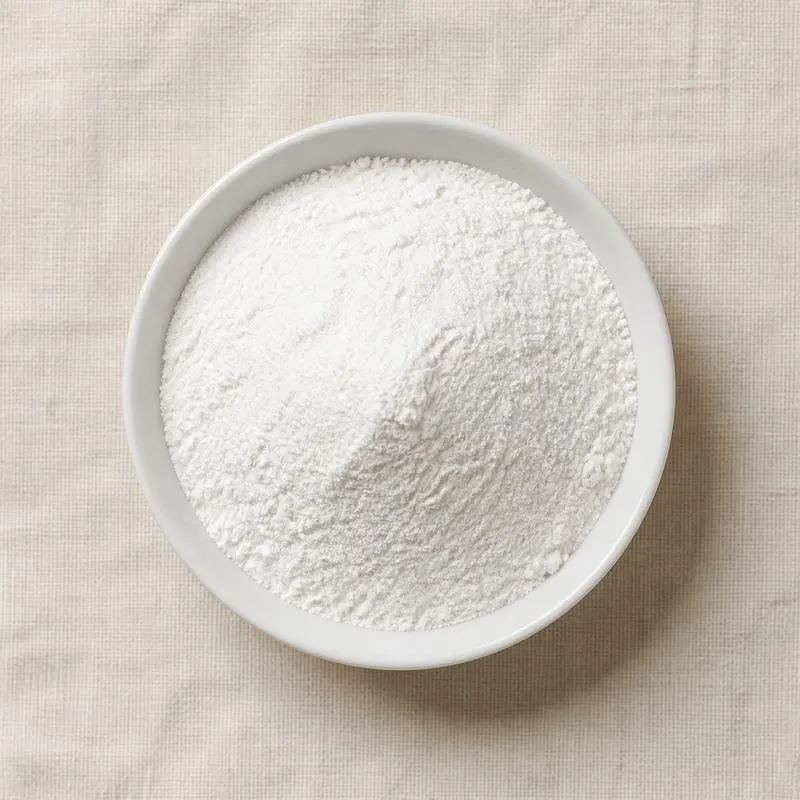
| Appearance | Off-white to light beige powder |
| Beta-1,3-Glucan Content | ≥ 70.0% (yeast-derived) / ≥ 30% (oat-derived) |
| Loss on Drying | ≤ 8.0% |
| Residue on Ignition | ≤ 5.0% |
| pH (1% suspension) | 5.0–7.5 |
| Particle Size | ≥ 90% through 80 mesh |
| Heavy Metals (as Pb) | ≤ 5 ppm |
| Arsenic (as As) | ≤ 1 ppm |
| Total Plate Count | ≤ 1,000 CFU/g |
| Yeast & Mold | ≤ 100 CFU/g |
| Salmonella | Negative/25g |
| 模块 | IIS Web Core |
| 通知 | MapRequestHandler |
| 处理程序 | StaticFile |
| 错误代码 | 0x80070002 |
Common Markets Grades
Yeast beta-1,3-glucan is graded by purity and by particulate state.
Whole-glucan particle (WGP) grades retain the original yeast cell shape with mannoprotein removed. They are dispersible powders typically standardised to 75 to 85 percent beta-glucan content. These grades are the standard choice in the dietary supplement market.
Soluble beta-1,3/1,6-glucan grades have undergone enzymatic or alkaline modification to reduce molecular weight and improve solubility. They suit beverage applications and clear softgel formats. Assays range from 70 to 90 percent.
Highly purified grades above 90 percent beta-glucan, with low residual mannan and protein, are positioned for clinical nutrition and topical applications.
Microparticulate grades milled below 5 microns are used in topical cosmetic formulations, where particle size influences feel and film formation.
Oat-source and barley-source beta-glucan, dominated by the β-1,3/1,4 mixed-linkage type, sit in a separate commodity category aimed at cholesterol-claim foods and are not interchangeable with the yeast 1,3/1,6 material.
Applications
- Immune-support dietary supplements as capsules, tablets, and gummies
- Functional beverage fortification including sports drinks and shots
- Infant and toddler nutrition for early immune development positioning
- Sports nutrition products targeting recovery and upper-respiratory resilience
- Topical cosmetic actives in serums, creams, and post-procedure formulations
- Wound-care preparations including hydrogels and non-woven dressings
- Aquaculture feed for shrimp, salmon, and tilapia as an immunostimulant
- Poultry and swine feed additives positioned as antibiotic alternatives
- Pet nutrition for immune and skin support in dogs and cats
- Plant biostimulant sprays that prime defense responses in crops
- Vaccine adjuvant research in both human and veterinary programs
- Functional food ingredient in bakery, dairy, and meal-replacement formats
Brands Using Beta-1,3-Glucan
Widely-distributed consumer products that list Beta-1,3-Glucan on the ingredient label.
- Better Way HealthBeta Glucan 500 ↗Delivers 500 mg per capsule of purified beta-1,3D glucan extracted from the cell walls of baker's yeast (Saccharomyces cerevisiae).Label verified 2026-05-24
- GNCGNC Immune Mushroom Complex with Wellmune ↗An immune formula built on Wellmune, a beta-1,3/1,6 glucan from a non-GMO baker's yeast strain, combined with maitake, reishi, lion's mane, cordyceps, elderberry and vitamin C.Label verified 2026-05-24
- Wellmune (Kerry)Wellmune Beta-1,3/1,6 Glucan ↗Wellmune.com identifies Wellmune as a highly purified beta-1,3/1,6 glucan derived from the cell wall of a proprietary strain of baker's yeast, sold as a branded ingredient used in food, beverage and supplement brands such as Emergen-C Immune+ with Wellmune, Olly Kids Immunity and SuperBeets IMMUNE.Label verified 2026-05-24
Brand names, product names and logos are the property of their owners. They appear here as published evidence that the ingredient is used, taken from the brand's own label or website. Their appearance is not an endorsement, and it does not mean the brand buys from us or from any manufacturer listed on this site.
China Manufacturers of Beta-1,3-Glucan
Top Beta-1,3-Glucan manufacturers in China.
Company names and logos are the property of the manufacturers themselves. They are listed here because our own directory records them as producing this ingredient. A listing is not an endorsement by them, and we do not represent them or speak on their behalf.
How We Help Source Beta-1,3-Glucan
Direct Factory Sourcing
We run the whole process: selecting the manufacturer from the top Chinese food ingredient producers, negotiating the price, verifying quality, and coordinating the logistics. You deal with us instead of with several factories at once.
Original Packaging and Documents from the Manufacturer
The manufacturer sends your Beta-1,3-Glucan out of its own factory in the original packing, through to your destination port. The COA, COO, MSDS, TDS and any certifications reach you from the manufacturer as well.
Free Samples and Lead Time
We send 100 to 500 g free for your own laboratory to test and you cover only the courier, usually within 2 to 3 working days. ETD is usually within 7 to 15 days once the order is confirmed, and we check that date against the factory's own manufacturing schedule before we give it to you.
Combined Shipment
We can load Beta-1,3-Glucan together with other ingredients such as Arachidonic Acid, Coenzyme Q10 and Chondroitin Sulphate Sodium into one 20' FCL. If your quantity is small, we can also ship LCL.
Regulatory Status
Yeast beta-glucan is recognised as a food ingredient in the major regulated markets.
In the United States, several yeast beta-1,3/1,6-glucan preparations from Saccharomyces cerevisiae hold self-affirmed and FDA-no-objection GRAS notices for use in a broad range of conventional foods and beverages.
In the European Union, yeast cell wall beta-glucan has been authorised as a novel food under Regulation 2015/2283, with defined maximum levels in food categories including supplements, breakfast cereals, dairy products, and beverages.
For feed use, yeast beta-glucan products are listed as zootechnical or sensory additives in the EU register and are widely recognised in the U.S. AAFCO framework.
The European Food Safety Authority has issued positive scientific opinions on the safety of several specific yeast beta-glucan preparations as novel foods. EFSA has not approved a general disease or immune health claim for beta-glucan from yeast under Article 13 of Regulation 1924/2006.
Cosmetic-grade beta-glucan is listed in the INCI dictionary under names such as Beta-Glucan and Saccharomyces Cerevisiae Extract and is widely accepted across major cosmetic markets.
Manufacturing Process
Industrial yeast beta-1,3-glucan starts from spent brewer's yeast or purpose-grown baker's yeast biomass.
The cells are first autolyzed or enzymatically treated to release intracellular components for separate recovery as yeast extract. The remaining cell wall fraction is washed and then subjected to alkaline extraction, typically with dilute sodium hydroxide, to solubilise mannoprotein.
The insoluble glucan-rich residue is washed neutral and treated with dilute acid to remove residual mannan and chitin. The remaining material is the whole-glucan particle.
For soluble grades, the particle is further treated with controlled enzymatic hydrolysis using endo-1,3-β-glucanases, or with mild oxidative depolymerization, to bring molecular weight into a soluble range while preserving the β-1,3 backbone and β-1,6 branching pattern.
The slurry is spray-dried or freeze-dried into a free-flowing powder. Quality control includes assay by enzymatic Megazyme method, residual protein, residual ash, microbial counts, and endotoxin testing for cosmetic and clinical grades.