Yeast Extract Pumping
Yeast extract for pumping is the highly soluble grade of yeast extract developed for injection brines and marinades in processed meat, where pumping is the trade term for injecting a curing solution into whole muscle before tumbling. It is the soluble fraction of autolysed or enzymatically hydrolysed Saccharomyces cerevisiae, carrying free amino acids, peptides and 5'-nucleotides, with the insoluble cell wall removed.
Its function in a brine is savoury. Glutamate and the purine nucleotides in the extract act together to raise perceived meatiness, round the harshness of salt and phosphate, and carry the flavour into the interior of the muscle where a surface applied seasoning cannot reach. In reduced sodium and higher yield products, where dilution has thinned the flavour, that contribution is the main reason the ingredient is specified.
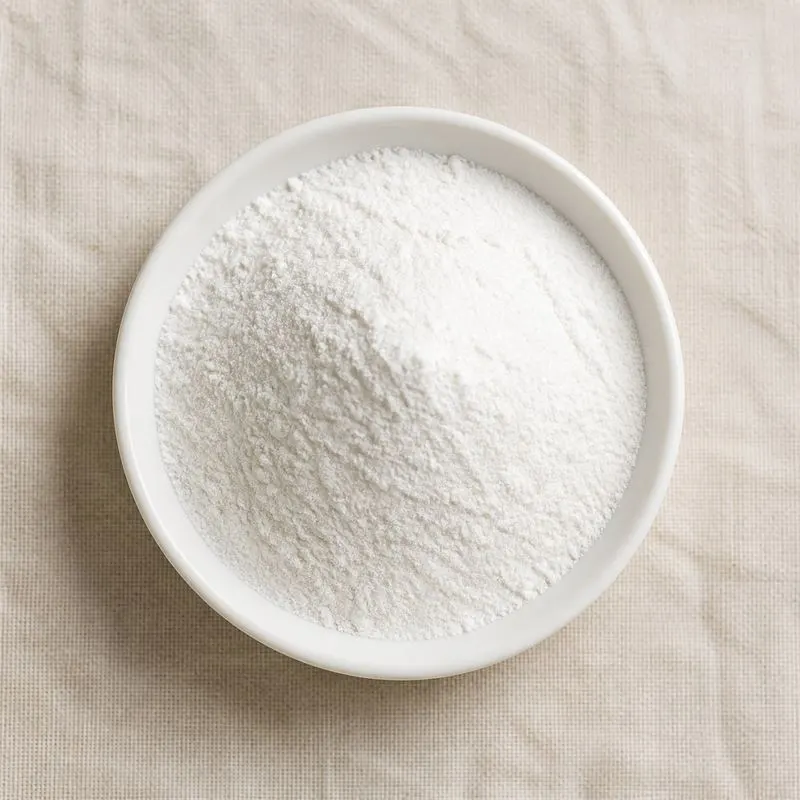
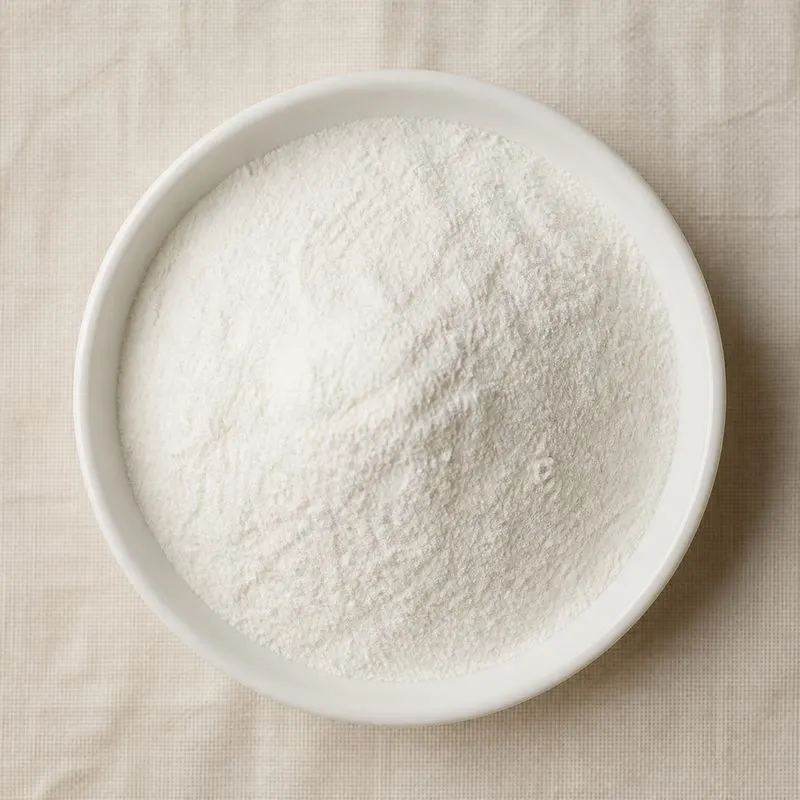
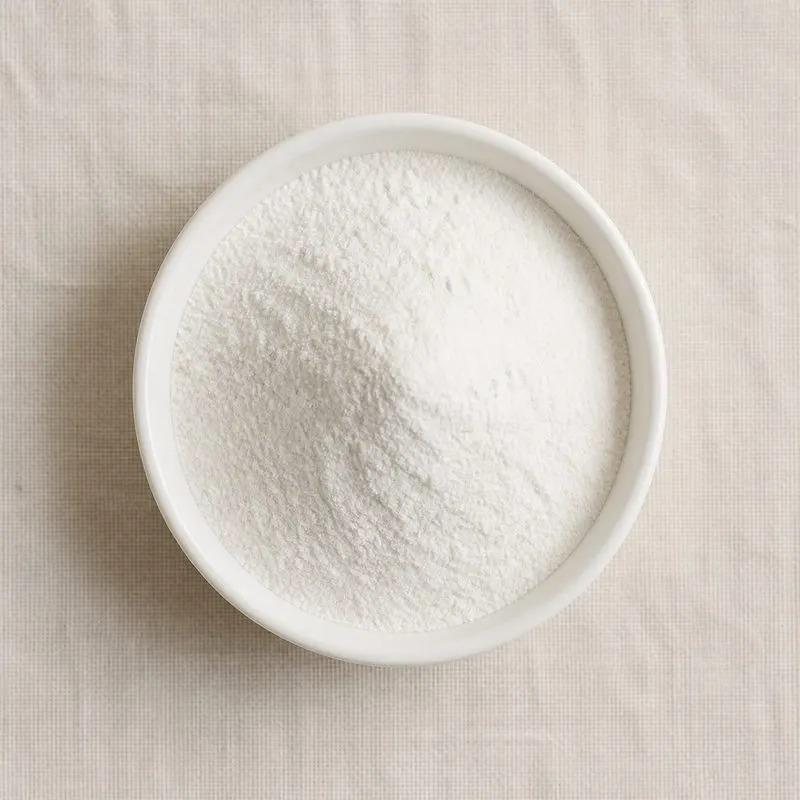
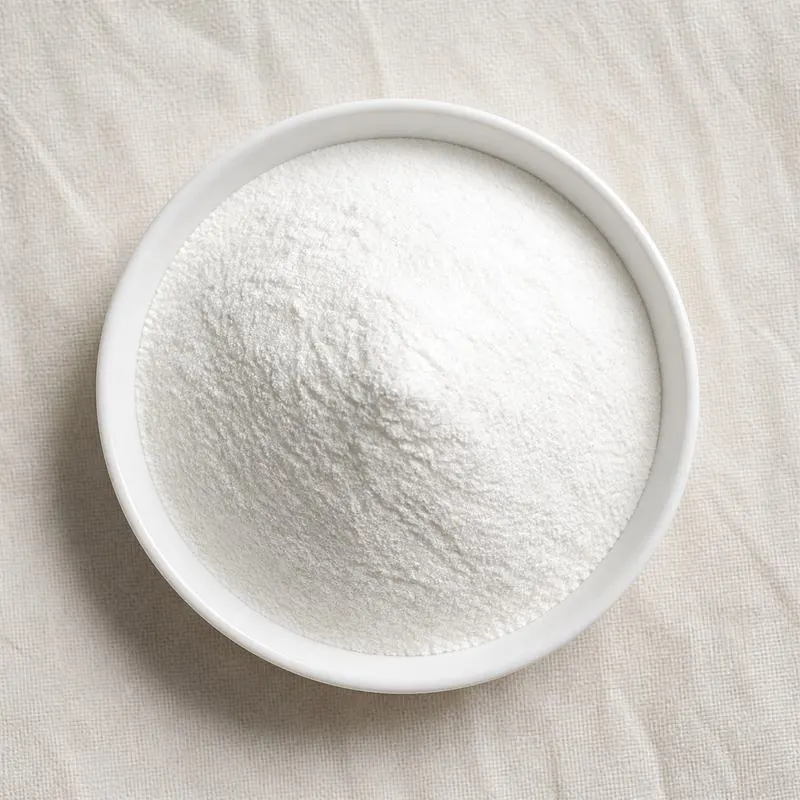
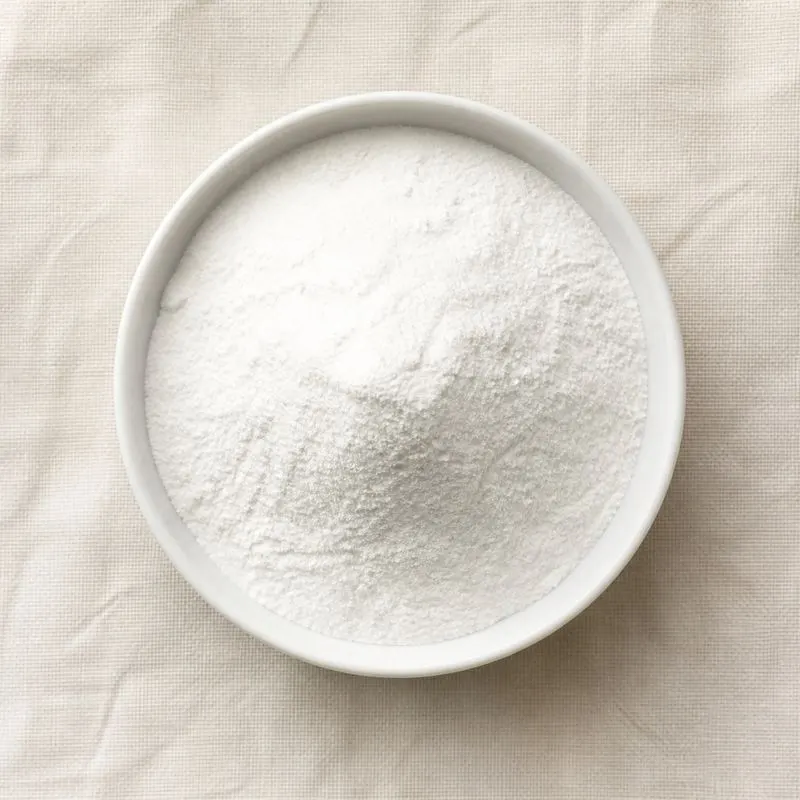
What separates this grade from a general savoury extract is solubility behaviour rather than composition. A brine is a cold, concentrated solution of salt, phosphate, sugars and cure that is held for hours and then forced through fine injector needles, so the extract must dissolve rapidly and completely in cold water at high ionic strength, leave the brine clear or at a predictable turbidity, and neither sediment nor block the needles or the brine filter over the run. It is a light yellow to tan free flowing powder, often agglomerated for dispersion, at 3 to 6 percent moisture, and is hygroscopic enough to require barrier packaging.
We source bulk Yeast Extract Pumping from top China manufacturers for our partners. The manufacturer is in Guangdong. A smaller requirement can ship in a combined container with other ingredients.
Please send the grade you need, the volume and your destination port, and we will come back with a solution and a price.
or call +86-21-6858 0751
- Function
- Probiotic
Specifications
| Item | Specification |
|---|---|
| Appearance | Light yellow to tan free flowing or agglomerated powder |
| Odour and Taste | Characteristic savoury, meaty, free from burnt notes |
| Solution Appearance, 5% cold water | Clear to slightly hazy, no sediment on standing |
| Dissolution Time, cold water | Complete within specified time |
| Total Nitrogen, dry basis | 8.0% to 11.0% |
| Amino Nitrogen, dry basis | ≥ 4.0% |
| Glutamic Acid | Per declared grade |
| Sodium Chloride | Per declared grade |
| Loss on Drying | ≤ 6.0% |
| Ash | ≤ 20.0% |
| pH, 2% solution | 5.0 to 6.5 |
| Lead | ≤ 2.0 mg/kg |
| Arsenic | ≤ 2.0 mg/kg |
| Total Plate Count | ≤ 10,000 CFU/g |
| Yeast and Mould | ≤ 100 CFU/g |
| Salmonella | Absent in 25 g |
Common Markets Grades
The grade is selected on functional behaviour in brine as much as on assay. The declarations that matter are dissolution time in cold water, the clarity or turbidity of the resulting solution, sediment on standing, and the filterability of the brine, alongside the ordinary compositional figures of total nitrogen, amino nitrogen, sodium chloride and glutamic acid content.
Within the family, a clear soluble grade is chosen for injected ham and poultry where brine clarity and keeping the needles clear matter most, while a slightly turbid, higher bodied grade is acceptable in tumbled and massaged products. Nucleotide enriched versions, in which the inosinate and guanylate fraction has been raised during hydrolysis, are specified where a stronger meaty impact is wanted at low dosage. Low sodium grades are produced for sodium reduced formulations, and a separate coarse or paste form is used where the brine is prepared hot. Kosher, halal and non-GMO documentation is standard, and clean label declarations are a common reason for choosing the ingredient over added monosodium glutamate.
Applications
- Injection brines for cooked and smoked ham, the core application, where it carries savoury flavour into the muscle interior
- Injected and marinated poultry, including whole birds, breast fillets and further processed portions
- Bacon and cured pork bellies, rounding the salt and cure notes in the brine
- Tumbled and massaged whole muscle products, where the brine is worked into the meat mechanically
- Sodium reduced meat products, compensating for the loss of flavour intensity when salt is cut
- High yield injected products, restoring meatiness diluted by added water
- Marinades and glazes for retail and food service meat and poultry
- Clean label reformulations, replacing declared monosodium glutamate and disodium ribonucleotides with a yeast extract declaration
- Emulsified sausage and restructured products, where the brine grade dissolves readily in the batter
China Manufacturers of Yeast Extract Pumping
Top Yeast Extract Pumping manufacturers in China.
Company names and logos are the property of the manufacturers themselves. They are listed here because our own directory records them as producing this ingredient. A listing is not an endorsement by them, and we do not represent them or speak on their behalf.
Regulatory Status
In the United States yeast extract is affirmed as generally recognised as safe and is declared on the label by its common name. Its use in meat and poultry brines additionally falls under the Food Safety and Inspection Service rules on products with added solutions, which govern how injected products must be named and how the percentage of added solution is declared. Yeast extract is not monosodium glutamate and is labelled as yeast extract, though it naturally contains glutamate, and labelling that implies the absence of glutamate would be misleading.
In the European Union yeast extract is a food ingredient rather than a food additive, so it carries no E number and is declared in the ingredient list by name. It is frequently used precisely because it avoids the E number declaration that monosodium glutamate and the ribonucleotides require, though the other brine components, phosphates, nitrite cure and ascorbate, remain authorised additives subject to the food additives regulation with their own maximum levels in meat preparations. Codex has no commodity standard for yeast extract, and JECFA has evaluated yeast extract preparations in the course of its work on flavour ingredients.
Manufacturing Process
The starting material is a yeast cream, either grown for the purpose by fed batch aerobic fermentation on molasses or glucose or recovered as surplus brewing or ethanol biomass, washed to remove residual medium and debittered where hop resins are present. The cream is held at roughly 45 to 55 degrees Celsius at controlled pH so that the cell's own proteases and nucleases digest the intracellular protein and nucleic acid, with added food grade proteases and, where a nucleotide rich profile is wanted, a 5'-phosphodiesterase and deaminase driving the hydrolysis toward free amino acids and 5'-nucleotides.
When the target degree of hydrolysis is reached, the slurry is heated to inactivate the enzymes and separated by centrifugation and membrane filtration into the soluble extract and the insoluble cell wall. For a pumping grade the clarification is taken further than for a general savoury extract, with fine filtration or ultrafiltration removing the colloidal material that would otherwise cloud a brine or foul an injector, and this filtration step is what defines the grade. The clarified liquor is concentrated under vacuum, spray dried, and normally agglomerated in a fluidised bed so the powder wets out rather than lumping when it is scattered into a cold brine tank. Each lot is released against a dissolution and brine clarity test in addition to the compositional assays.