Yeast Polysaccharide
Yeast polysaccharide is the purified carbohydrate fraction of the Saccharomyces cerevisiae cell wall, sold as a concentrate of beta-glucan, of mannan, or of the two together. It is a step further along the same processing chain as yeast cell wall: where the cell wall product is simply the washed insoluble residue of yeast extract manufacture, the polysaccharide product has had the residual protein and lipid stripped out to raise the carbohydrate assay.
Two distinct polymers make up the fraction. Beta-glucan is a chain of glucose units joined by beta-1,3 bonds with beta-1,6 branching, forming the insoluble structural skeleton of the wall and the component associated with immune modulation. Mannan is a highly branched mannose polymer, present in the outer layer covalently bound to protein as mannoprotein, and it is the component that binds mannose specific bacterial fimbriae and acts as a surface active emulsion stabiliser.
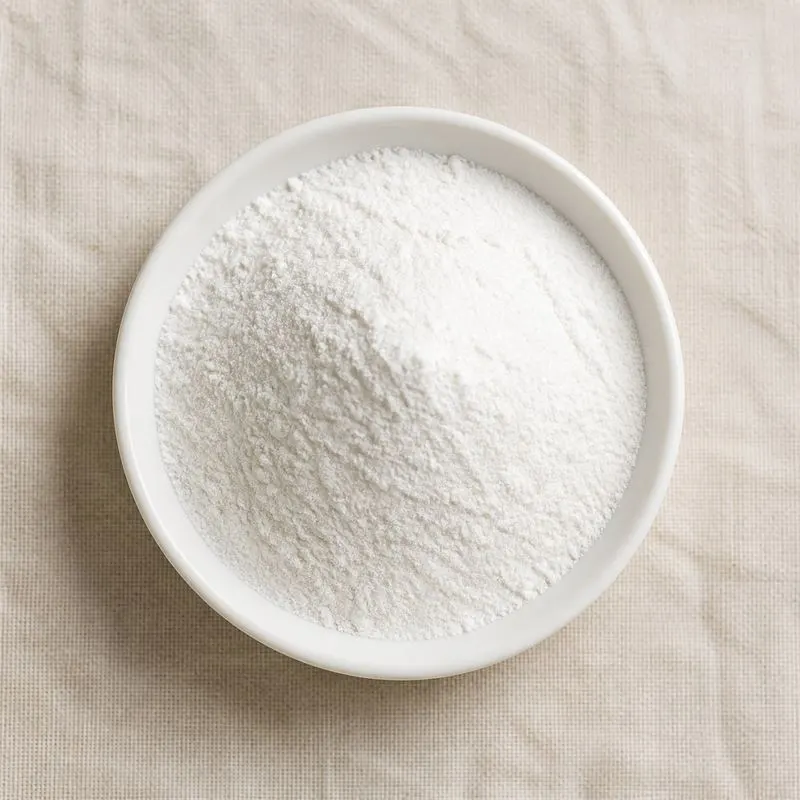
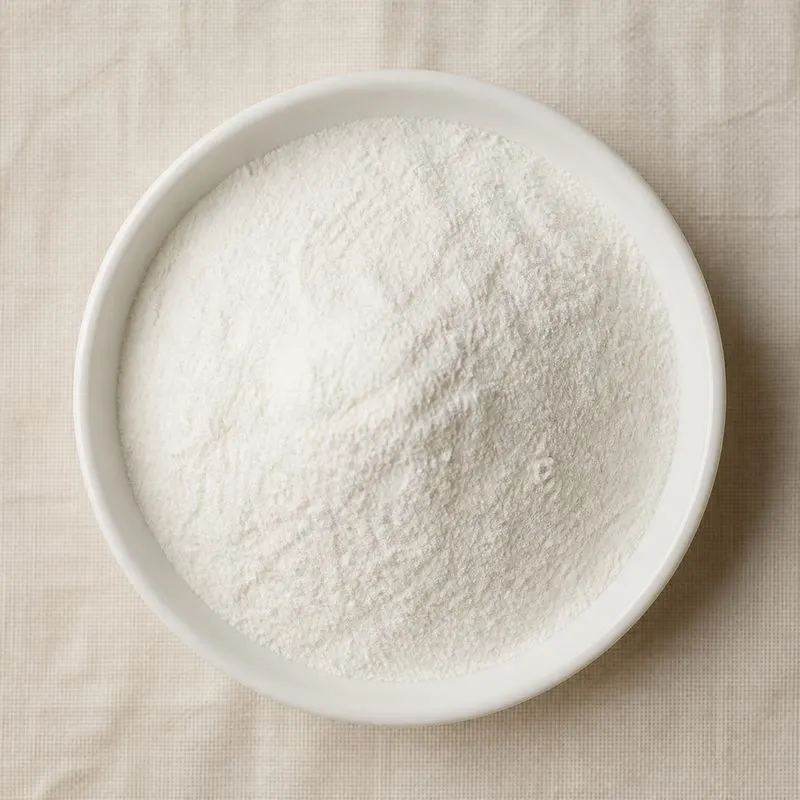
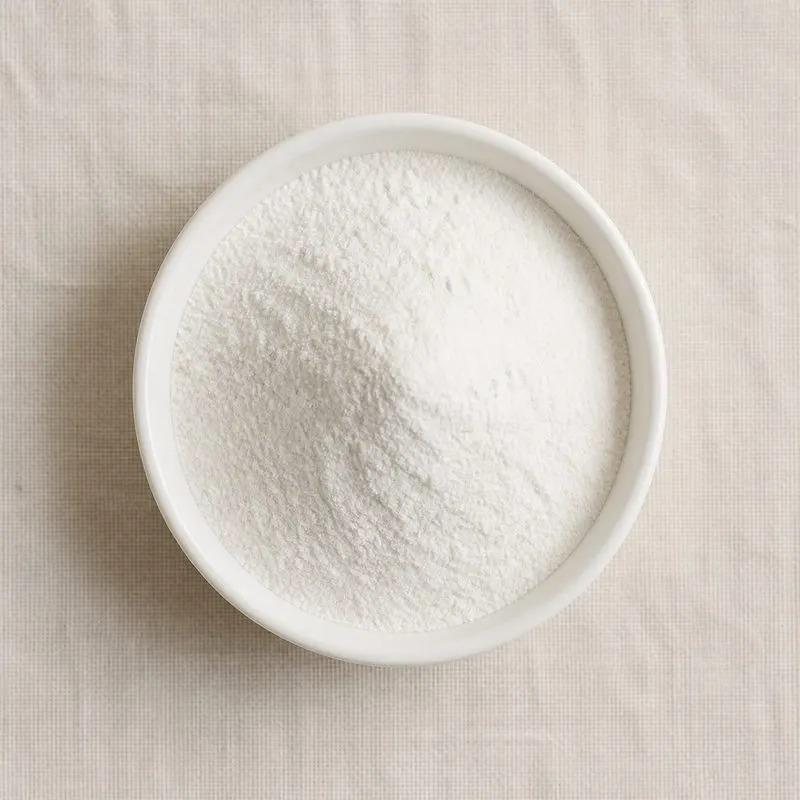
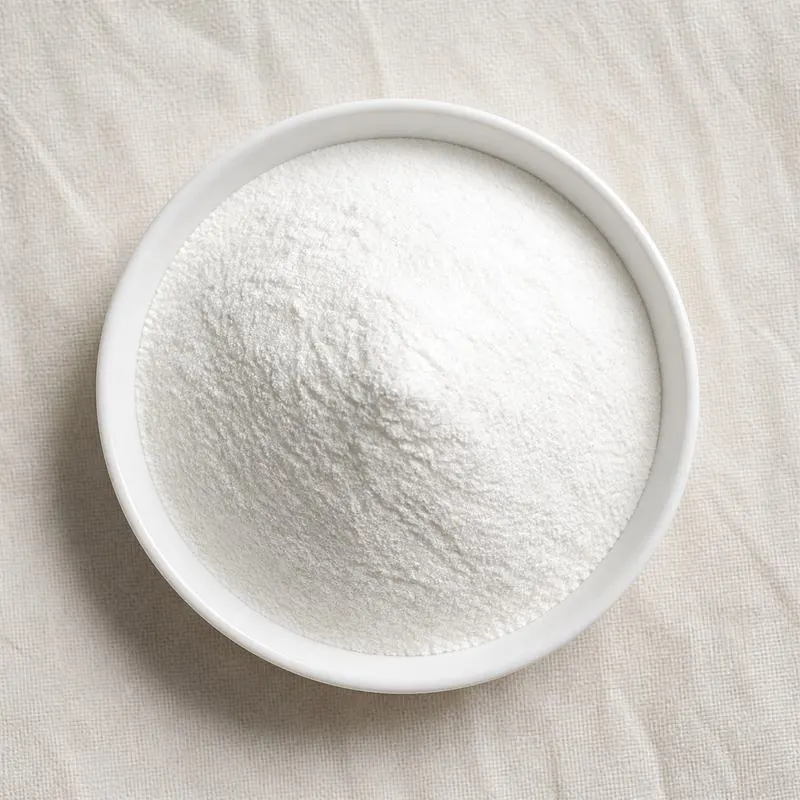
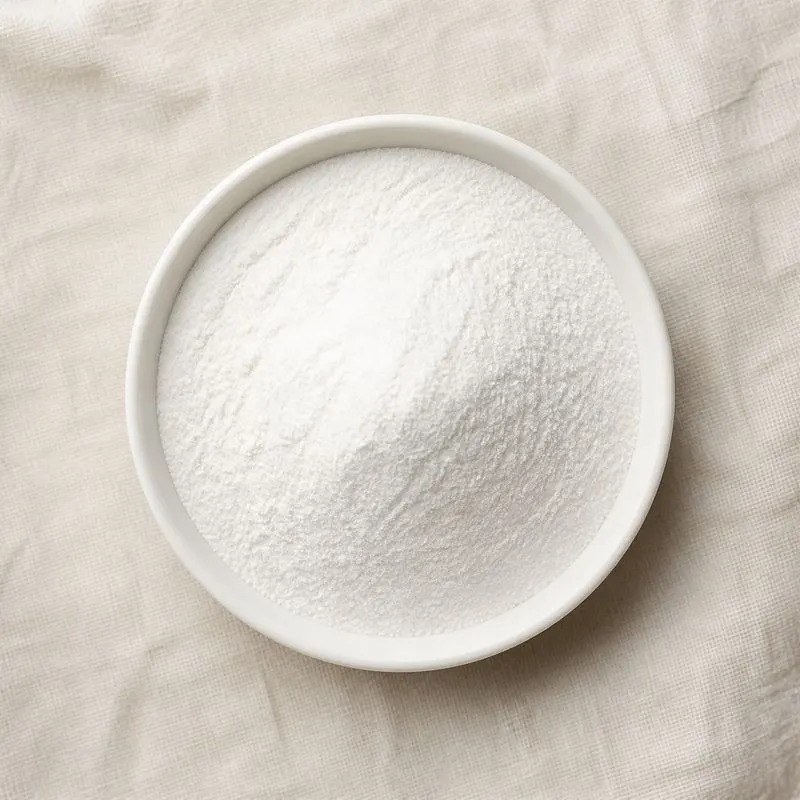
Commercial material is an off white to light tan fine powder at 5 to 7 percent moisture, with beta-glucan grades commonly assaying 60 to 85 percent. Beta-glucan itself is insoluble in water and forms a settling suspension, so a particle size and dispersibility specification matters more than a solubility figure, while mannoprotein preparations are largely water soluble and give a slightly viscous solution.
We source bulk Yeast Polysaccharide from top China manufacturers for our partners. The manufacturer is in Hebei. A smaller requirement can ship in a combined container with other ingredients.
Please send the grade you need, the volume and your destination port, and we will come back with a solution and a price.
or call +86-21-6858 0751
- Function
- Probiotic
Specifications
| Item | Specification |
|---|---|
| Appearance | Off white to light tan fine powder |
| Odour and Taste | Bland, faintly yeasty, free from off notes |
| Beta-glucan, dry basis | ≥ 70.0%, per declared grade |
| Mannan, dry basis | Per declared grade where specified |
| Identification | Positive for beta-1,3-glucan by enzymatic assay |
| Protein, N x 6.25 | ≤ 6.0% |
| Fat | ≤ 3.0% |
| Moisture | ≤ 7.0% |
| Ash | ≤ 5.0% |
| pH, 1% suspension | 5.0 to 7.5 |
| Particle Size | ≥ 95% through 100 mesh, per grade |
| Lead | ≤ 1.0 mg/kg |
| Arsenic | ≤ 1.0 mg/kg |
| Total Plate Count | ≤ 10,000 CFU/g |
| Yeast and Mould | ≤ 100 CFU/g |
| Salmonella | Absent in 25 g |
Common Markets Grades
Grading is by which polysaccharide has been concentrated and to what assay. Beta-glucan grades are the largest part of the trade, offered at minimum contents of roughly 60, 70 and 85 percent on the dry basis; the higher assays require more aggressive alkali and acid washing and carry a higher price. Mannan or mannan oligosaccharide grades are specified on mannan content and are largely a feed product. Combined preparations declaring both figures serve applications where the two functions are wanted together.
Beyond assay, particle size is a genuine specification rather than a formality, since a micronised beta-glucan disperses and suspends far better than a coarse one in beverages and supplements. Soluble beta-glucan grades, produced by controlled partial hydrolysis or carboxymethylation, are traded for clear liquid applications. Non-GMO, kosher, halal and allergen free documentation is standard, and pharmaceutical and cosmetic grades carry tighter endotoxin and heavy metal limits than the feed grade.
Applications
- Human immune support supplements in capsule and tablet form, the main outlet for high assay beta-glucan
- Functional foods and beverages positioned on immune benefit, using micronised or soluble grades
- Sports nutrition products aimed at the immune stress of heavy training
- Poultry, swine and calf feed, where mannan grades bind mannose specific enteric bacteria
- Aquaculture feed for shrimp and finfish, as an immune supporting additive
- Pet food and pet supplements in digestive and immune positioned formulations
- Cosmetic and personal care products, where beta-glucan is used as a film forming, humectant and soothing ingredient
- Emulsion and foam stabilisation, using the surface activity of the mannoprotein fraction
- Fat replacement in reduced fat foods, where the hydrated glucan network contributes body
- Winemaking, where mannoprotein preparations are used to improve mouthfeel and protein stability
China Manufacturers of Yeast Polysaccharide
Top Yeast Polysaccharide manufacturers in China.

Company names and logos are the property of the manufacturers themselves. They are listed here because our own directory records them as producing this ingredient. A listing is not an endorsement by them, and we do not represent them or speak on their behalf.
Regulatory Status
In the United States yeast beta-glucan preparations have been the subject of GRAS notifications to which the Food and Drug Administration has responded without objection, covering defined preparations at specified use levels in conventional foods, and the material is also marketed as a dietary ingredient under the dietary supplement framework. Immune statements are structure and function claims rather than authorised health claims. Feed use falls under the animal food framework and the relevant ingredient definitions.
In the European Union yeast beta-glucan from Saccharomyces cerevisiae has been authorised as a novel food, with the authorised preparation, its specification and its conditions of use set out in the Union list of novel foods, so both the identity of the preparation and the food categories in which it may be used are limited. It is a food ingredient rather than an additive, so no E number applies, and any health claim requires separate authorisation under the nutrition and health claims regulation. For animal nutrition, yeast polysaccharide preparations are feed materials or, where a zootechnical effect is claimed, individually authorised feed additives following European Food Safety Authority assessment. Codex has no commodity standard for the material.
Manufacturing Process
Production begins from a yeast cell wall stream, the insoluble residue separated by centrifugation after the autolysis or enzymatic hydrolysis that produces yeast extract. That wall is already largely polysaccharide, but it carries 15 to 25 percent residual protein together with lipid and nucleic acid fragments, and removing those is the whole of the purification.
The washed wall is treated with dilute sodium hydroxide at elevated temperature, which dissolves the mannoprotein and much of the residual protein while leaving the insoluble beta-glucan skeleton behind. The alkali insoluble fraction is recovered by centrifugation and washed, then treated with dilute acid to hydrolyse residual glycogen and remaining alkali soluble material, and washed again to neutrality. Where lipid content must be reduced further, a solvent wash with ethanol or isopropanol is applied. The purified glucan slurry is neutralised, sometimes homogenised at high pressure to reduce particle size, then concentrated and dried on a spray drier or by flash drying, milled and sieved to the specified particle size. Where the mannan fraction is the target instead, it is the alkali soluble supernatant that is kept, precipitated with a solvent or concentrated by ultrafiltration, and dried. Each lot is assayed for beta-glucan or mannan by enzymatic or colourimetric method, and for protein, ash and moisture.