Zhongyuan Leavening Agent
A compound leavening agent is a dry blend of a carbon dioxide source, one or more acidulants and a starch or carbonate diluent, sold to bakeries as a single powder that raises dough or batter during mixing and baking.
The gas source is almost always sodium bicarbonate, occasionally supported by ammonium bicarbonate in biscuit systems. The acid component decides when the gas is released: monocalcium phosphate reacts on contact with water, sodium acid pyrophosphate and sodium aluminium phosphate react mainly under heat, and glucono delta lactone releases slowly as it hydrolyses. Blending several acids gives the double acting behaviour that most industrial bakeries need, with part of the lift generated at the mixer and the balance in the oven. Cornstarch is added as a carrier to keep the reactive components apart and to hold moisture away from the bicarbonate.
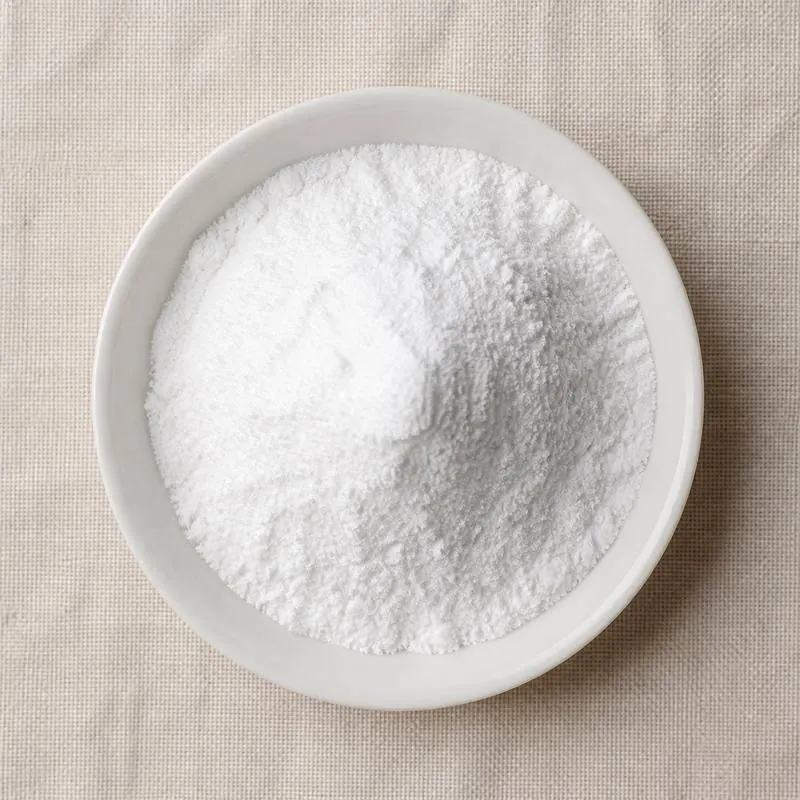
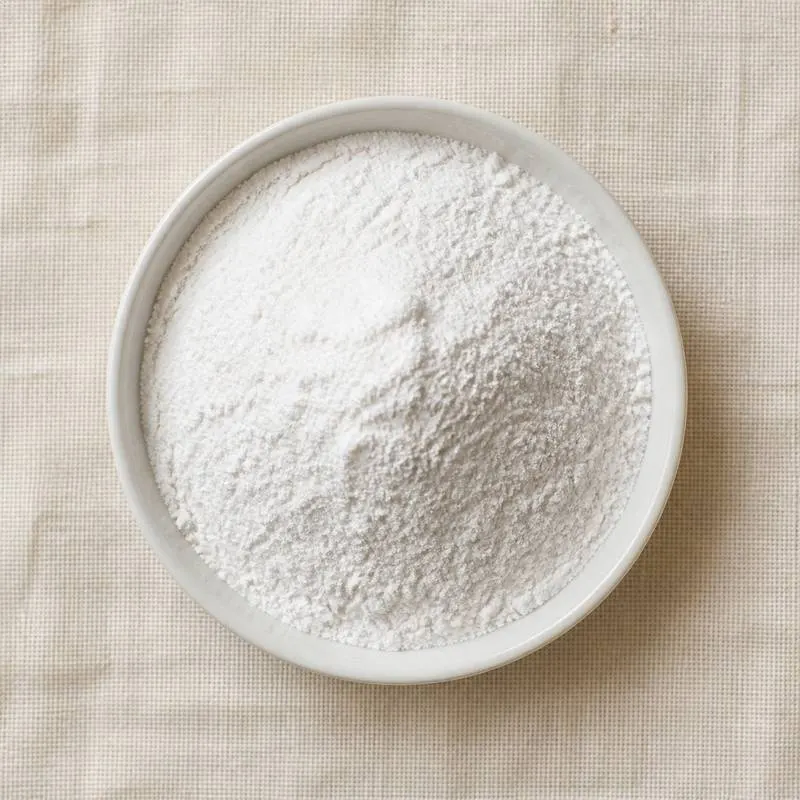
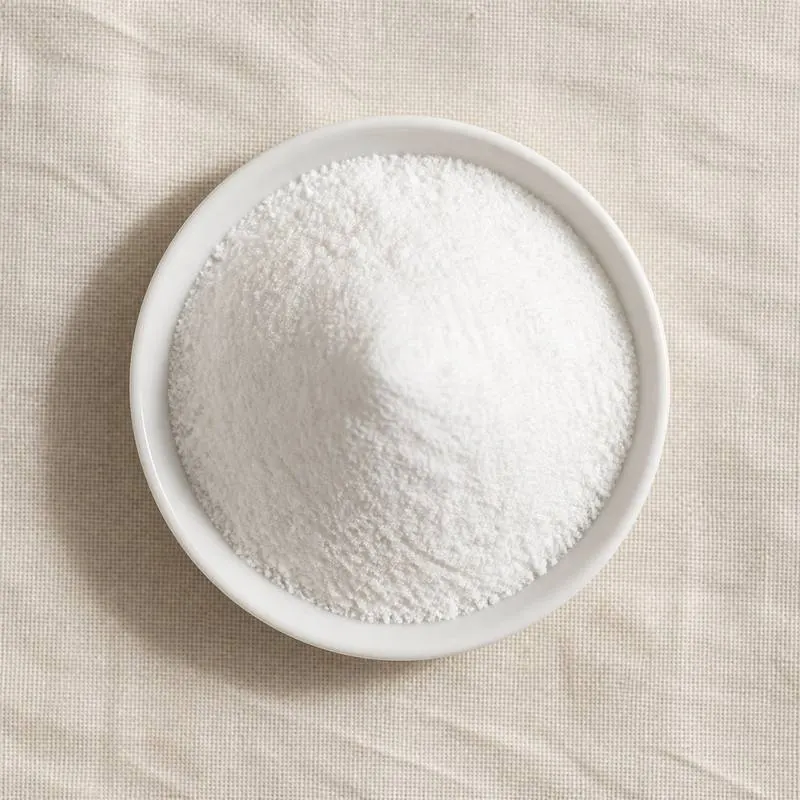
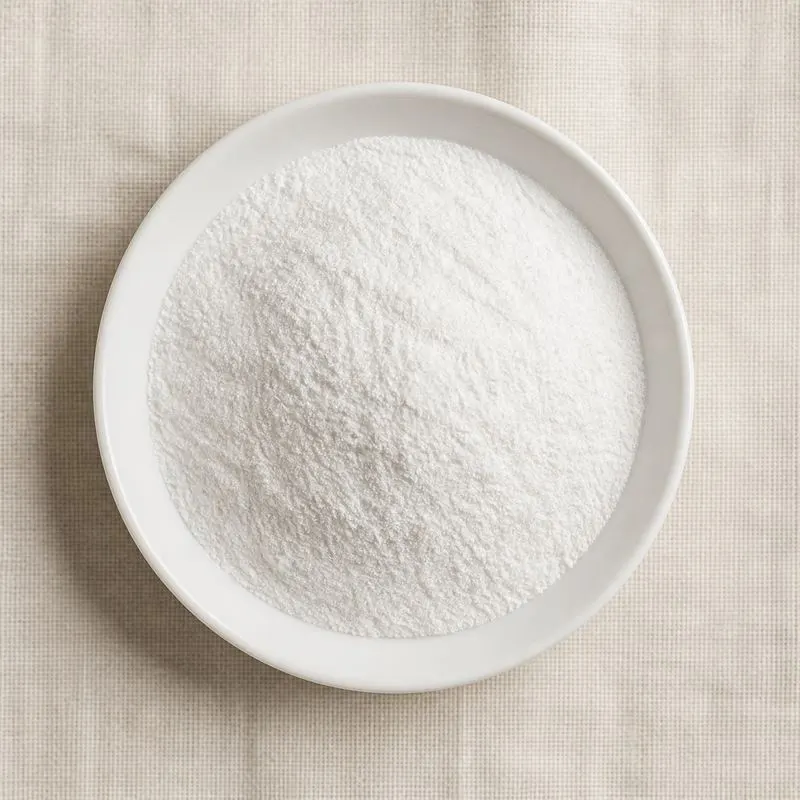
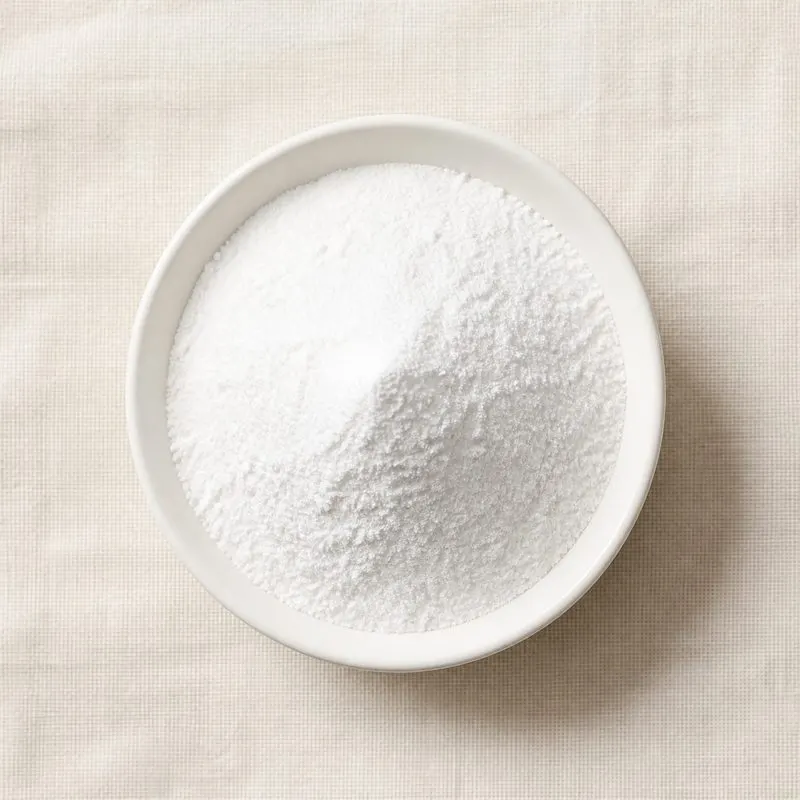
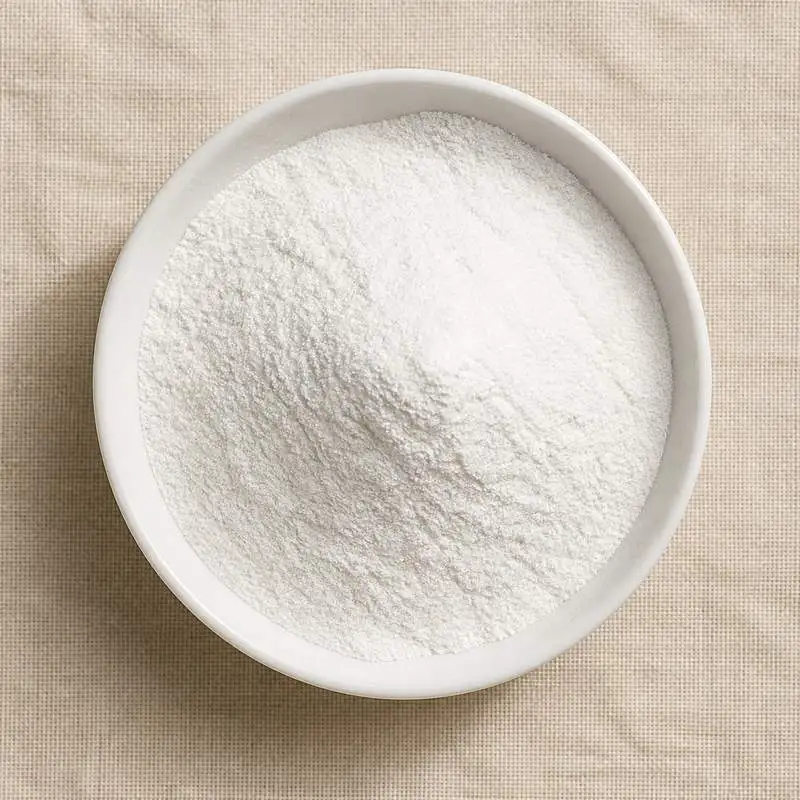
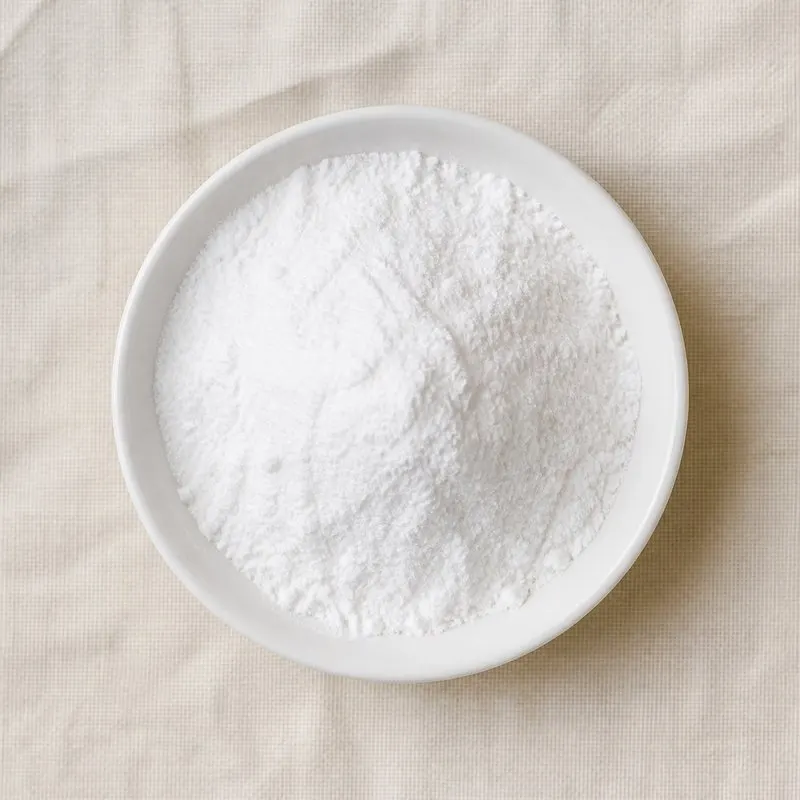
The product is a fine white free flowing powder, fully water soluble on reaction, and hygroscopic. It is dosed on flour weight, typically between 0.5 and 3 percent depending on the formula, and its performance is described by neutralising value and by available carbon dioxide rather than by assay of any single component.
We source bulk Zhongyuan Leavening Agent from top China manufacturers for our partners. The manufacturer is in Henan. A smaller requirement can ship in a combined container with other ingredients.
Please send the grade you need, the volume and your destination port, and we will come back with a solution and a price.
or call +86-21-6858 0751
- Function
- Bakery ingredient
Specifications
| Item | Specification |
|---|---|
| Appearance | White free flowing powder, free from lumps |
| Odour | Odourless |
| Available carbon dioxide | 12.0 percent minimum |
| Neutralising value | Declared per grade, 72 to 80 typical |
| Reaction rate at 27 degrees Celsius | 30 to 45 percent gas released in 8 minutes |
| Moisture | 1.0 percent maximum |
| pH of 1 percent solution | 6.0 to 8.5 |
| Particle size | 95 percent through 60 mesh |
| Bulk density | 0.75 to 0.95 g/mL |
| Heavy metals as lead | 10 mg/kg maximum |
| Lead | 2 mg/kg maximum |
| Arsenic | 3 mg/kg maximum |
| Fluoride | 10 mg/kg maximum |
Common Markets Grades
Blends are traded by reaction speed and by phosphate chemistry. Fast acting grades built on monocalcium phosphate suit batters and pancake mixes that go to the griddle quickly. Slow and double acting grades built on sodium acid pyrophosphate or sodium aluminium phosphate suit cakes, muffins and refrigerated dough, where the bulk of the gas has to survive the standing time. Aluminium free grades, which replace sodium aluminium sulphate with pyrophosphate and calcium phosphate systems, are now the default for many export specifications.
Particle size is offered as standard powder, and as a coarser granulated version that resists caking and dusts less on automatic dosing lines. Some blends are sold pre mixed with an emulsifier or with a small level of anticaking agent. Bulk density and mesh are specified alongside available carbon dioxide, since both affect dispersion into dry mixes.
Applications
- Cake and muffin batters, where a double acting blend gives volume at the mixer and again in the oven
- Cookies and biscuits, where the acid choice controls spread, surface cracking and final pH
- Steamed buns and Chinese steamed breads, as a partial or complete replacement for yeast leavening
- Retail and industrial dry mixes, where the diluent stabilises the blend through long storage
- Refrigerated and frozen dough, where slow acting phosphates hold gas potential until baking
- Battered and coated fried products, where controlled gas release opens the crust texture
- Doughnuts and cake doughnuts, where the leavening rate decides fat absorption
- Pancake, waffle and crepe mixes requiring immediate gas on hydration
- Gluten free bakery, where chemical leavening replaces the gas holding structure lost with gluten
China Manufacturers of Zhongyuan Leavening Agent
Top Zhongyuan Leavening Agent manufacturers in China.

Company names and logos are the property of the manufacturers themselves. They are listed here because our own directory records them as producing this ingredient. A listing is not an endorsement by them, and we do not represent them or speak on their behalf.
Regulatory Status
The individual components rather than the blend carry the regulatory status. Sodium bicarbonate is E500 in the European Union and is affirmed as generally recognised as safe in the United States. The phosphate acids used as leavening agents, including monocalcium phosphate and the diphosphates, appear in the European Union additive lists as E341 and E450 and are permitted in bakery categories under Regulation 1333/2008. Glucono delta lactone is E575. The Codex General Standard for Food Additives lists all of them under the raising agent functional class.
In the United States chemical leavening components are used under 21 CFR Part 182 and Part 184 as generally recognised as safe substances, with sodium aluminium phosphate covered by its own listing. Labelling declares each component of the blend by name, since a compound leavening agent is not itself a label ingredient. Aluminium containing leavening acids come under extra scrutiny in several markets, which is why aluminium free versions dominate export trade.
Manufacturing Process
Compound leavening agents are produced by dry blending rather than by chemical synthesis. The individual components, food grade sodium bicarbonate, the selected leavening acids and the starch or calcium carbonate diluent, are received, sampled and checked for assay, moisture and particle size. Each is milled or screened to a matched granulation, because a mismatch in particle size causes segregation in the bag and uneven gas release in the dough.
Weighed components are combined in a ribbon or conical screw blender under controlled low humidity, since moisture pickup starts a premature reaction between bicarbonate and acid. The blend is passed through a screening or sifting stage to break soft agglomerates and remove foreign matter, then metered through a magnet and a metal detector. Available carbon dioxide, neutralising value and rate of reaction are measured on the finished blend before it is filled into moisture barrier bags with a polyethylene liner and heat sealed.