Acetylacetone
Acetylacetone, systematically pentane-2,4-dione, is the simplest beta diketone: two ketone groups separated by a single methylene carbon. That arrangement gives the molecule its defining chemistry. The central hydrogen is acidic, the compound exists as an equilibrium between the diketone and an internally hydrogen bonded enol that makes up the greater part of the neat liquid, and the enolate it forms is a bidentate ligand that binds metal ions strongly.
In flavour work it is used for its odour, which is pungent and slightly ethereal when neat and turns sweet, buttery and caramellic on dilution, with a character close to that of the diketones formed during fermentation and browning. It occurs naturally in coffee, cocoa, bread and cooked meat, and is dosed at very low levels alongside diacetyl and acetoin to build butter, caramel and toasted profiles.
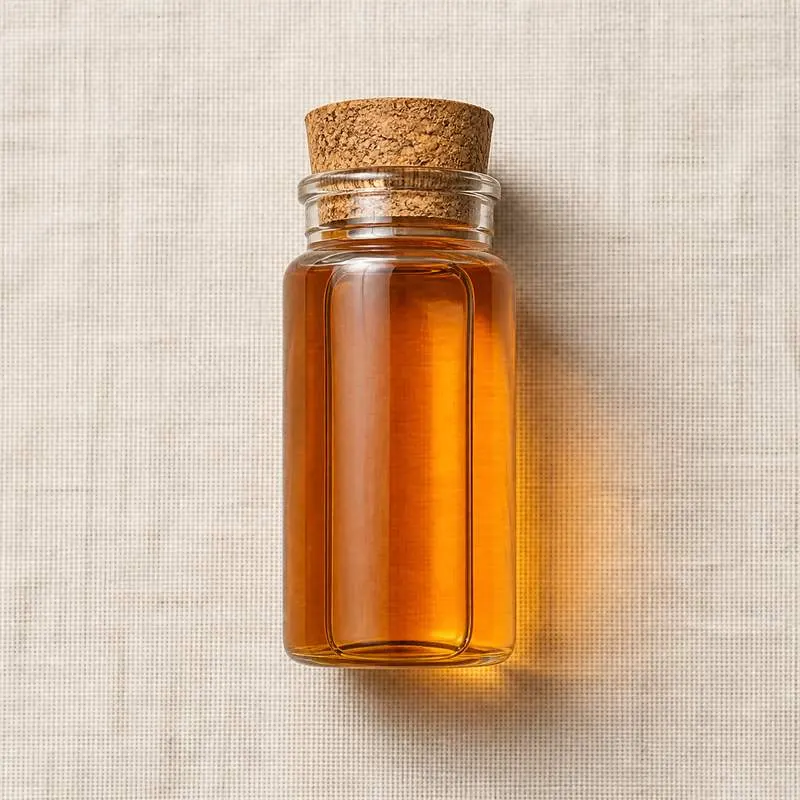
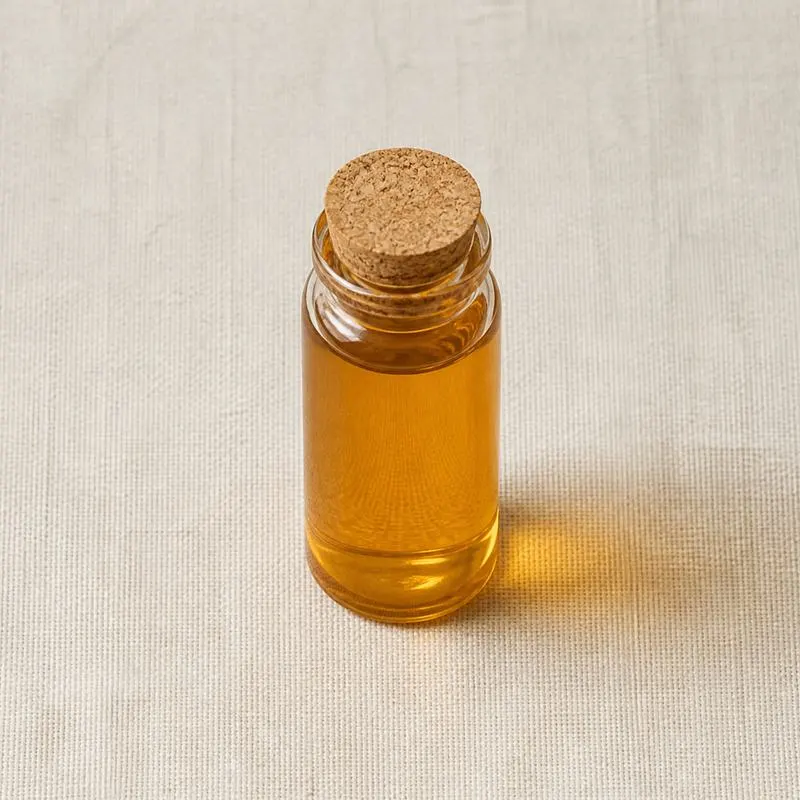
The material is a colourless to pale yellow mobile liquid boiling near one hundred and forty degrees, miscible with ethanol and most organic solvents and moderately soluble in water. It is chemically stable in neutral conditions but forms coloured complexes on contact with iron and other metal ions, so it is handled in glass, stainless steel or lined containers rather than in ordinary steel drums.
We source bulk Acetylacetone from top China manufacturers for our partners. The manufacturer is in Guangxi. A smaller requirement can ship in a combined container with other ingredients.
Please send the grade you need, the volume and your destination port, and we will come back with a solution and a price.
or call +86-21-6858 0751
- Function
- Flavours and Aromas
Specifications
| Item | Specification |
|---|---|
| Appearance | Colourless to pale yellow clear mobile liquid |
| Odour | Pungent and ethereal when neat, sweet and buttery on dilution |
| Assay by Gas Chromatography | Not less than 99.0% |
| Colour | Not more than 50 Hazen units |
| Water Content | Not more than 0.2% |
| Acidity as Acetic Acid | Not more than 0.1% |
| Relative Density at 20 C | 0.972 to 0.978 |
| Refractive Index at 20 C | 1.450 to 1.454 |
| Distillation Range | 138 C to 142 C |
| Iron | Not more than 1.0 mg/kg |
| Heavy Metals as Lead | Not more than 10 mg/kg |
| Lead | Not more than 1.0 mg/kg |
| Arsenic | Not more than 0.5 mg/kg |
Common Markets Grades
The compound is traded in a single chemical specification at ninety nine percent or better, and the practical difference between offers lies in water content, in colour and in metal contamination rather than in assay, since even traces of iron produce visible colour through complex formation. Flavour grade and industrial grade are the same molecule sold with different documentation and different colour limits.
Industrial grade accounts for the great majority of the volume and goes to the manufacture of metal acetylacetonates and to use as a chelating agent, a catalyst ligand and a synthesis intermediate. Flavour grade is a small fraction of production, packed in glass or lined containers with a low colour specification and food grade documentation, and is normally bought as a dilution at one or ten percent in ethanol, triacetin or propylene glycol because the neat material is too strong to weigh accurately at flavour dose levels.
Applications
- Butter and dairy flavours, dosed with diacetyl and acetoin to build the buttery diketone character
- Caramel and toffee flavours, where it contributes a sweet burnt sugar facet
- Coffee, cocoa and roasted flavours, reproducing a compound formed naturally during roasting
- Bread, biscuit and toasted cereal flavours, adding the browned crust note
- Savoury reaction flavours, where it participates in Maillard chemistry and forms pyrazines on heating
- Manufacture of metal acetylacetonate complexes, which are used as catalysts, driers and fuel additives
- Analytical chemistry as a chelating reagent for metal determination and extraction
- Synthesis intermediate for heterocycles including pyrazoles, pyrimidines and isoxazoles
- Fragrance compounding at trace levels for a sweet, slightly fermented effect
China Manufacturers of Acetylacetone
Top Acetylacetone manufacturers in China.

Company names and logos are the property of the manufacturers themselves. They are listed here because our own directory records them as producing this ingredient. A listing is not an endorsement by them, and we do not represent them or speak on their behalf.
Regulatory Status
Acetylacetone is an approved flavouring substance in the major markets. In the United States it holds FEMA GRAS status, and the Food and Drug Administration lists it among the synthetic flavouring substances and adjuvants permitted for use in food. In the European Union it appears on the Union list of authorised flavouring substances with its own FLAVIS number, which is the clearance that applies to food use, and no E number applies because flavourings sit outside the food additive framework.
JECFA has evaluated the substance within its group assessment of aliphatic and aromatic ketones used as flavourings and raised no safety concern at the levels at which it is used. The great majority of production, however, goes to non food chemical use, and material sold into that market is regulated under general chemical law, where the compound is classified as a flammable liquid with acute toxicity and handled accordingly.
Manufacturing Process
The dominant industrial route runs through isopropenyl acetate. Ketene, generated by the thermal cracking of acetic acid or acetone, is added to acetone under an acid catalyst to give isopropenyl acetate, the enol acetate of acetone, which is itself a commercial product used as an acetylating agent. That ester is then passed through a heated tube reactor at around five hundred degrees, where it undergoes a thermal rearrangement in which the acetyl group migrates from oxygen to the adjacent carbon, delivering the beta diketone directly.
The reactor effluent is quenched and the crude product separated from unconverted ester and by-products by fractional distillation, with the recovered isopropenyl acetate returned to the reactor. Because the compound chelates metals, the distillation train and storage vessels are built in stainless steel or lined equipment, and the finished material is passed through a polishing filter and blanketed with nitrogen. Flavour grade is given an additional low temperature fractionation to remove trace acidity and coloured impurities before filling into glass or lined drums.