Burnt Sugar
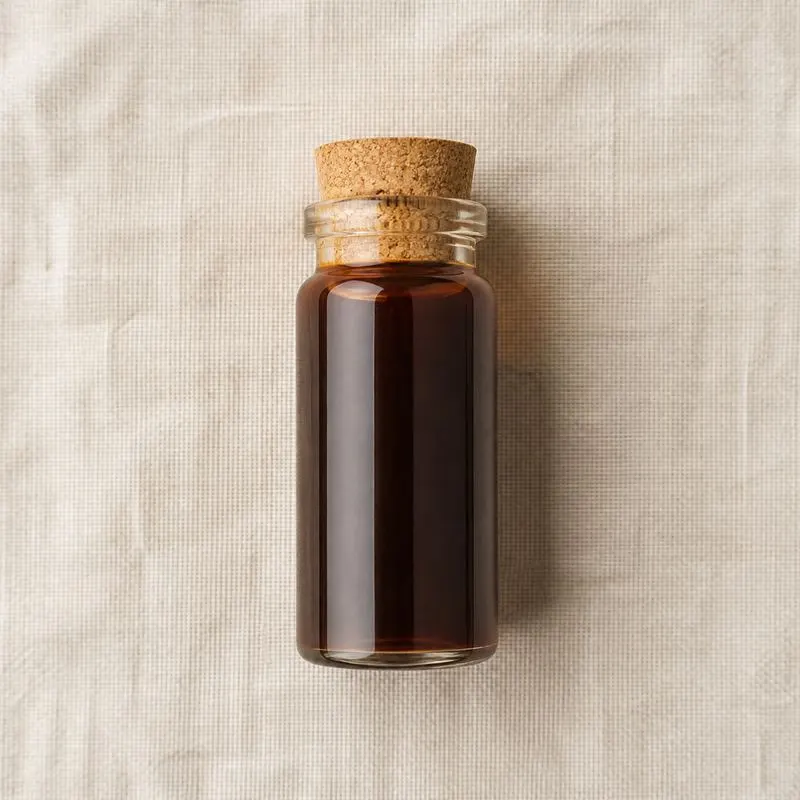
Burnt sugar is sucrose or glucose syrup taken well past the caramelisation point until it is almost black, then stopped with water to give a dark brown colouring and flavouring liquid. It sits at the boundary between an ingredient and an additive: the chemistry is the same thermal degradation of sugar that produces plain caramel colour, but burnt sugar is taken further, keeps the bitter and roasted volatiles instead of having them purified out, and is used for taste as much as for colour.
The dark colour comes from caramelan, caramelen and higher polymeric condensation products, while the characteristic flavour comes from the smaller degradation fragments, chiefly furanones, diacetyl, maltol and a set of bitter compounds formed in the last stage of the cook. Fully burnt material has almost no residual sweetness, since the sucrose has been consumed, and it tastes distinctly bitter, which is why dosage is set by taste rather than by colour target.
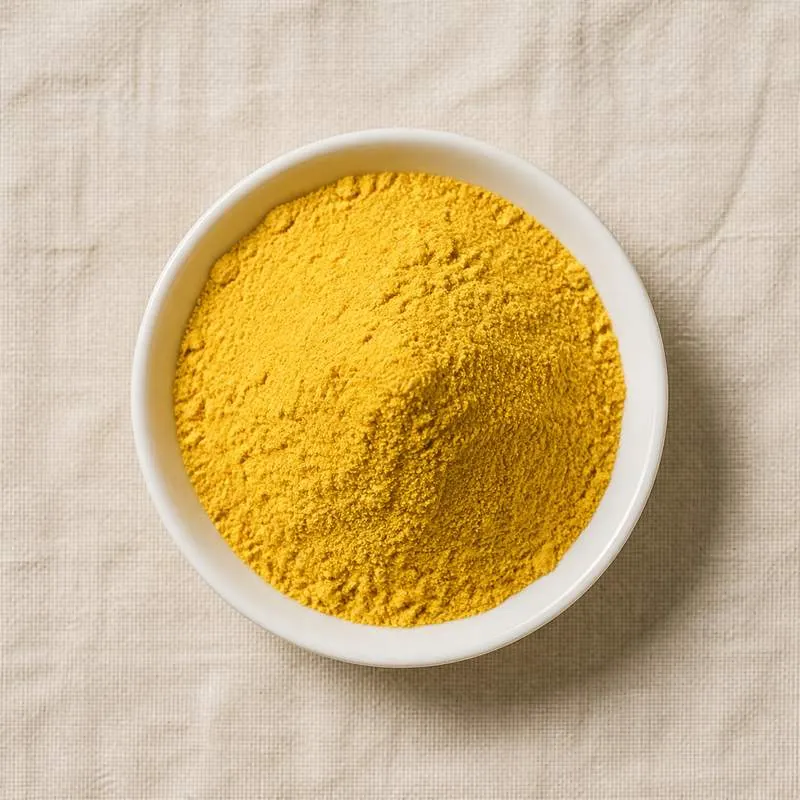
The trade sells it as a viscous dark brown to black syrup at roughly 60 to 75 percent solids, and as a spray dried powder on a starch carrier. It is fully miscible with water, insoluble in oil, and stable to heat, light and normal food pH. In cooking traditions across the Caribbean, West Africa and South Asia the same material is known as browning, and it is used to darken stews, rice and braised meat.
We source bulk Burnt Sugar from top China manufacturers for our partners. The manufacturer is in Jiangsu. A smaller requirement can ship in a combined container with other ingredients.
Please send the grade you need, the volume and your destination port, and we will come back with a solution and a price.
or call +86-21-6858 0751
- Function
- Colorant
Specifications
| Item | Specification |
|---|---|
| Appearance | Dark brown to black viscous syrup |
| Odour and Taste | Burnt sugar, roasted and bitter |
| Total Solids | 65.0% to 75.0% |
| Colour Intensity, absorbance 0.1% at 610 nm | 0.080 minimum |
| Residual Sugars as invert | 10.0% maximum |
| pH | 3.0 to 5.0 |
| Specific Gravity at 20 degrees Celsius | 1.30 to 1.40 |
| Viscosity at 25 degrees Celsius | 1000 to 5000 mPa s |
| Insoluble Matter | 0.1% maximum |
| Sulphated Ash | 3.0% maximum |
| Lead | 2 mg/kg maximum |
| Arsenic | 1 mg/kg maximum |
| Total Plate Count | 100 cfu/g maximum |
| Yeast and Mould | 50 cfu/g maximum |
Common Markets Grades
Grades separate on how far the cook has been taken. A light burnt sugar keeps some sweetness and a toffee note and is used where flavour is wanted alongside a moderate colour. A full burnt or browning grade is cooked to the point of bitterness, has the highest colour strength, and is dosed at a fraction of a percent. Colour is quoted as absorbance of a dilute solution measured near 610 nm, or in some trade as a simple colour index against a reference, and total solids and viscosity are stated alongside.
Beyond the depth of cook, the practical choices are physical form and feedstock. Syrups are standard; spray dried powders on maltodextrin or starch are used in dry blends and seasoning mixes. Cane sugar, beet sugar and glucose syrup feedstocks are all used and give slightly different flavour profiles, and the cane version is the traditional base for browning sauces. Grades made with salt or with added flavourings are traded as browning sauces rather than as a colouring ingredient, and should be specified separately.
Applications
- Browning sauces and marinades for stewed and braised meat, the traditional use in Caribbean and West African cooking
- Gravies, stocks and bouillon, giving a roasted depth that also darkens the finished liquid
- Dark rum cakes, fruit cakes and Christmas puddings, where both colour and bitterness are wanted
- Soy style and dark seasoning sauces, deepening colour and adding roasted notes
- Rye and dark breads, contributing a baked appearance to a short fermented dough
- Confectionery, toffee and fudge, where the burnt note balances high sweetness
- Ice cream and dessert sauces in burnt caramel and salted caramel profiles
- Baked beans, barbecue sauces and glazes
- Malt style beverages and non alcoholic dark drinks
- Pet food and treats, where a food derived brown is preferred to an additive declaration
China Manufacturers of Burnt Sugar
Top Burnt Sugar manufacturers in China.

Company names and logos are the property of the manufacturers themselves. They are listed here because our own directory records them as producing this ingredient. A listing is not an endorsement by them, and we do not represent them or speak on their behalf.
Regulatory Status
Regulatory treatment depends on how the material is presented. Where burnt sugar is used and declared as a food ingredient, as in a browning sauce or a caramelised sugar syrup used for flavour and colour together, it is handled as a food rather than as a colour additive, and is labelled by its own name. Where a purified preparation is used specifically to colour a food, it falls under the rules for caramel colour instead, which in the United States means the colour additive listing for caramel in 21 CFR 73.85, exempt from certification and permitted in food generally in amounts consistent with good manufacturing practice.
In the European Union the same distinction applies. Plain caramel used as a colour is E 150a, authorised under Regulation (EC) No 1333/2008 with purity criteria in Regulation (EU) No 231/2012; burnt sugar sold and used as a food ingredient for its flavour is outside that framework and is declared as caramelised sugar or by an equivalent ingredient name. Because the boundary rests on function and on the degree of processing, the intended declaration should be agreed before purchase. JECFA has adopted specifications for plain caramel and the Codex General Standard for Food Additives carries provisions for the caramel classes.
Manufacturing Process
Refined sugar or glucose syrup is charged to a jacketed, agitated kettle with a small quantity of water and heated at atmospheric pressure. The batch passes through melting, then through the caramelisation range above about 160 degrees Celsius where sucrose inverts, dehydrates and condenses, and it is held beyond that point until the colour and the bitterness reach the target. The last stage is the one that requires control, since the reaction is exothermic and accelerates, and overshooting produces an acrid product and heavy carbon deposits on the vessel wall.
The cook is stopped by adding hot water, which quenches the mass and dissolves it; the addition is made in stages because the initial contact is violent. The liquor is then neutralised if the process used any acid, standardised to solids, colour and viscosity, and screened or filtered to remove carbonised particles. Syrup grades are pasteurised and filled hot. Powder grades are taken from the standardised liquor, blended with maltodextrin or starch and spray dried, then packed with a moisture barrier because the powder is strongly hygroscopic.