Active Fish Scale Calcium Peptide
Active fish scale calcium peptide is a calcium supplement ingredient in which calcium recovered from fish scale is combined with collagen peptides hydrolysed from the same raw material, giving a peptide chelated or peptide complexed calcium rather than a simple inorganic salt. Fish scale is a natural composite of type I collagen fibres mineralised with hydroxyapatite, so both components of the finished ingredient come from a single feedstock.
The reason for the category is absorption. Inorganic calcium salts depend on gastric acid to solubilise and on active transport that saturates at higher doses, whereas calcium bound to short peptides remains soluble at intestinal pH and is thought to be absorbed in part alongside the peptide. Whether that advantage is as large as the marketing suggests is debated, but the practical formulation benefits are real: the material dissolves without the grittiness of calcium carbonate, does not raise the pH of a beverage, and carries none of the chalky mouthfeel that limits inclusion of the inorganic salts.
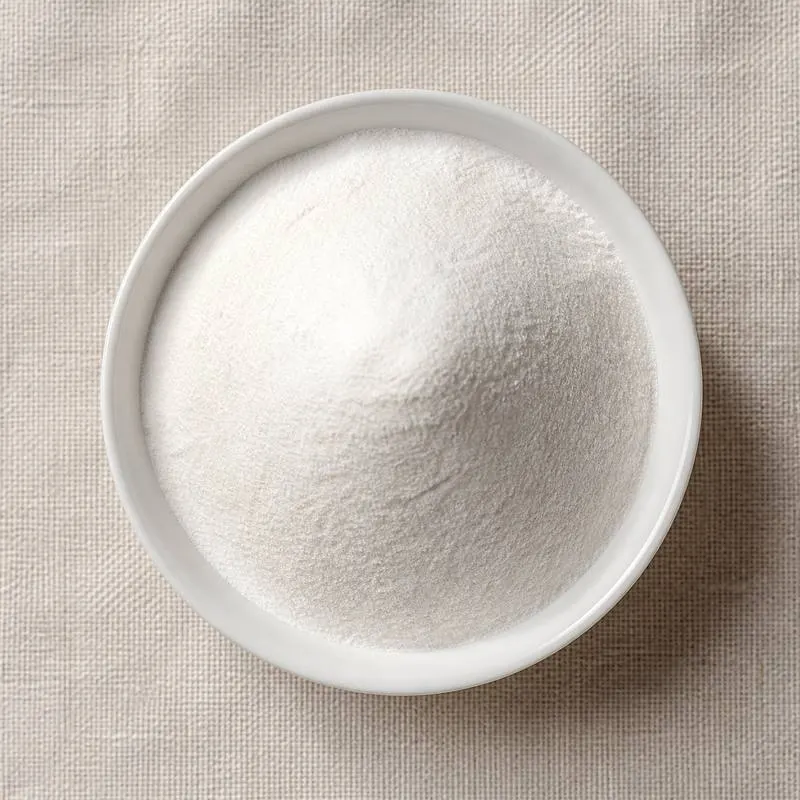
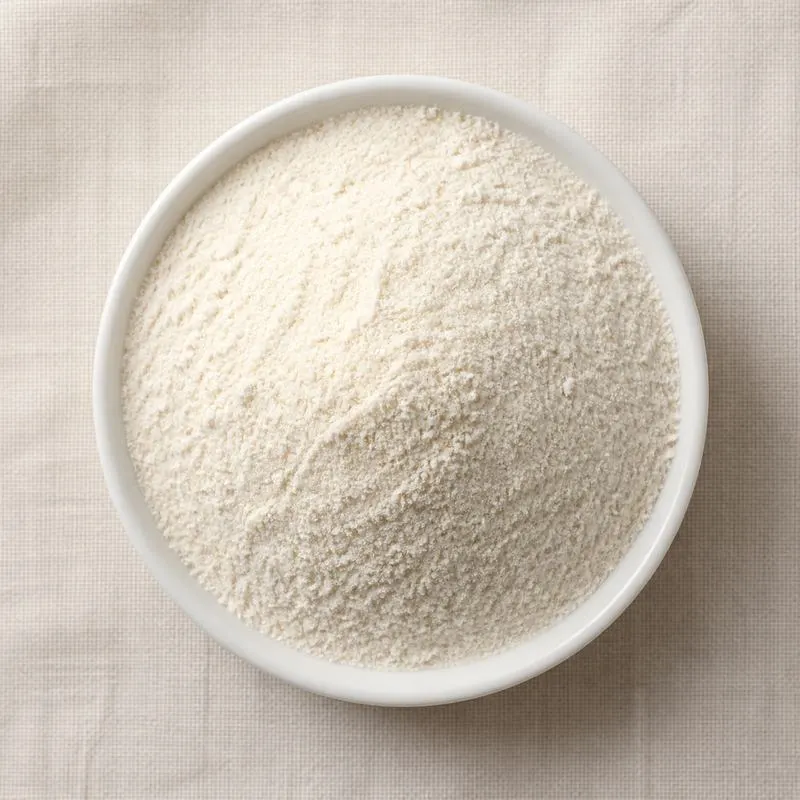
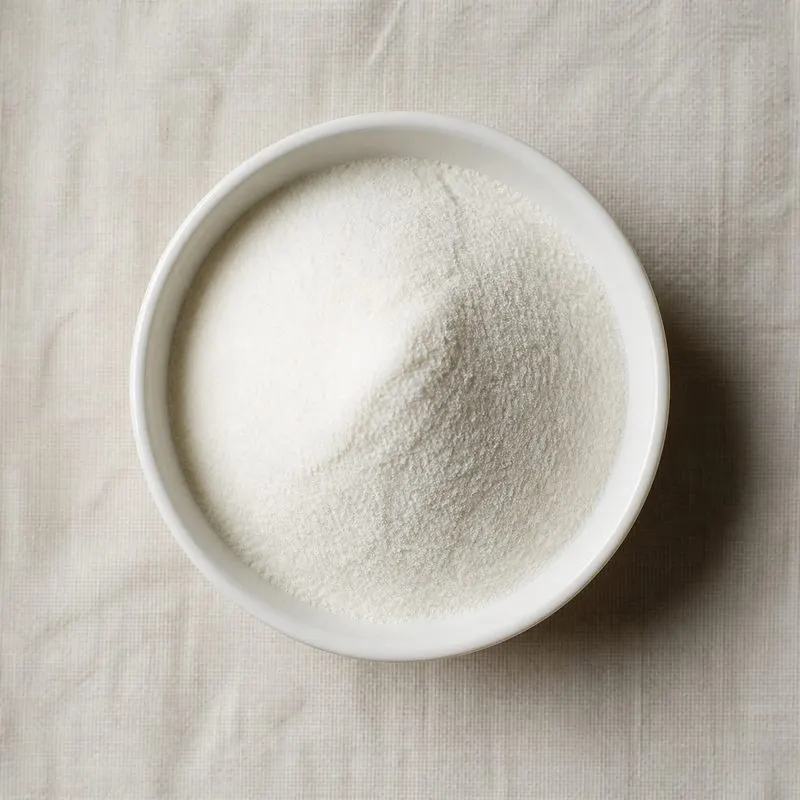
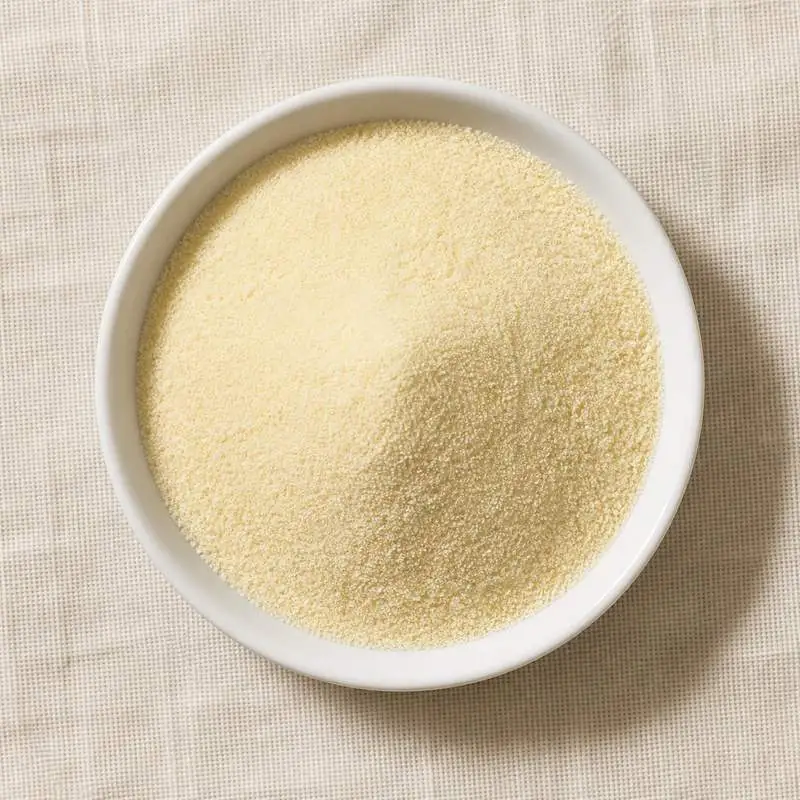
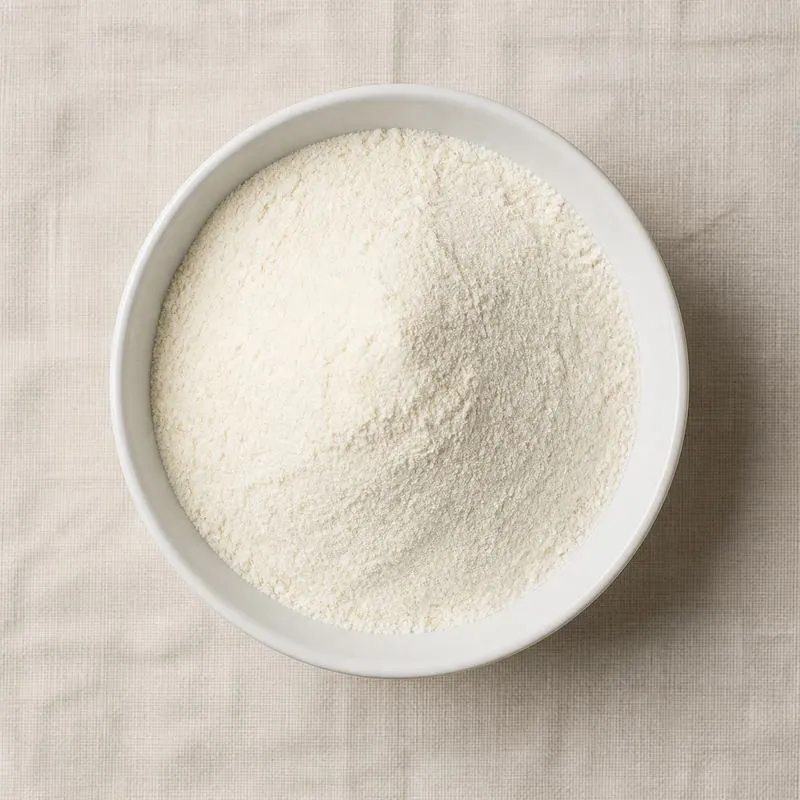
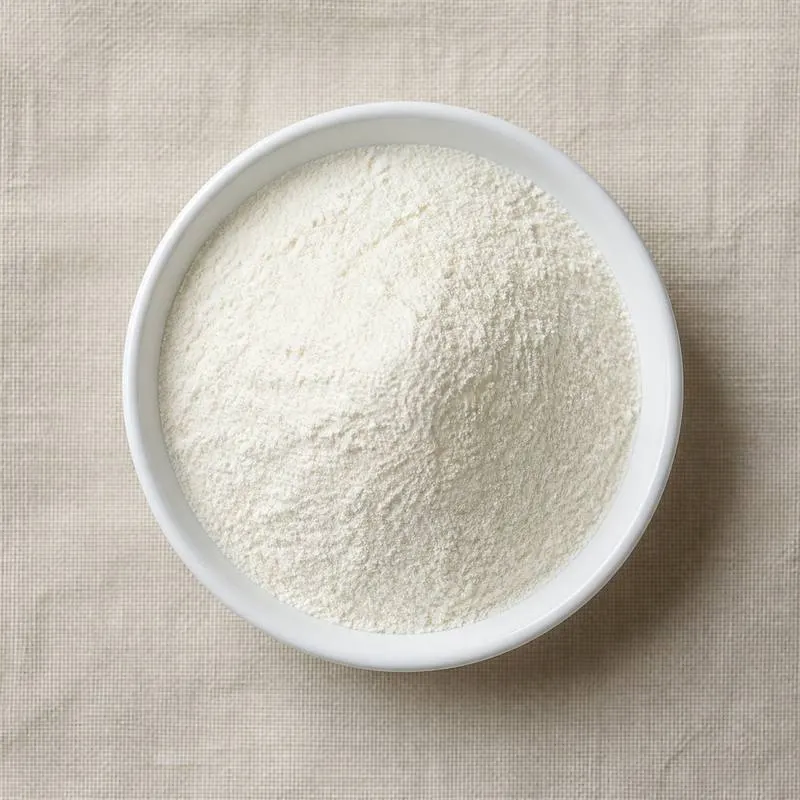
It is a white to pale yellow spray dried powder that dissolves readily in water to a slightly cloudy solution. Calcium content is typically declared between 10 and 20 percent depending on how much peptide is present, and the peptide fraction is specified by molecular weight distribution in the same way as a plain collagen peptide.
We source bulk Active Fish Scale Calcium Peptide from top China manufacturers for our partners. The manufacturer is in Hainan. A smaller requirement can ship in a combined container with other ingredients.
Please send the grade you need, the volume and your destination port, and we will come back with a solution and a price.
or call +86-21-6858 0751
- Function
- Protein
Specifications
| Item | Specification |
|---|---|
| Appearance | White to pale yellow free flowing powder |
| Odour and Taste | Slight characteristic odour, bland to slightly salty |
| Calcium | 10.0 to 14.0 percent |
| Protein (dry basis) | Not less than 70.0 percent |
| Peptides below 1000 Daltons | Not less than 85.0 percent |
| Identification | Amino acid profile characteristic of collagen, calcium confirmed by atomic absorption |
| Loss on Drying | Not more than 7.0 percent |
| Ash | Not more than 30.0 percent |
| pH (1 percent solution) | 5.5 to 7.5 |
| Solubility in Water | Not less than 98.0 percent |
| Lead | Not more than 0.5 mg/kg |
| Arsenic (inorganic) | Not more than 0.5 mg/kg |
| Mercury | Not more than 0.5 mg/kg |
| Cadmium | Not more than 0.3 mg/kg |
| Total Plate Count | Not more than 10000 cfu/g |
| Yeast and Mould | Not more than 100 cfu/g |
| E. coli | Negative in 1 g |
| Salmonella | Negative in 25 g |
Common Markets Grades
Grades are defined by the ratio of calcium to peptide and by the molecular weight of the peptide fraction. High calcium grades at 18 to 22 percent calcium carry less peptide per unit and are used where the dose form is a tablet with limited space. Balanced grades at 10 to 14 percent calcium carry a larger peptide fraction and are used in powders and beverages where the collagen contribution is itself part of the positioning. Peptide molecular weight is declared alongside, generally with the majority below 1000 daltons and the finer grades below 500.
A second distinction is the degree of true chelation. Some material is a genuine peptide calcium complex formed in solution before drying, verified by infrared shift or by solubility behaviour, while some is a physical co dried blend of collagen peptide and a calcium salt. The two are traded at different prices, and buyers who need the true complex specify the chelation rate. Fish species and religious certification are also specified, since tilapia and cod scale are the main sources and end markets in Southeast Asia and the Middle East require declarations on both.
Applications
- Calcium supplement powders and sachets, where the material dissolves clear without chalky mouthfeel
- Bone health formulations for the middle aged and elderly, combined with vitamin D and vitamin K
- Children and adolescent growth nutrition products in the Chinese and Southeast Asian markets
- Beauty and joint supplements, where the collagen peptide fraction supports a second positioning
- Calcium fortified beverages and plant milks, where inorganic salts would sediment or turn the drink chalky
- Chewable tablets and gummies, where the absence of grit matters to texture
- Maternal and prenatal nutrition powders
- Sports nutrition products aimed at bone loading and recovery
- Fortified dairy and yoghurt drinks, where solubility at low pH is required
China Manufacturers of Active Fish Scale Calcium Peptide
Top Active Fish Scale Calcium Peptide manufacturers in China.

Company names and logos are the property of the manufacturers themselves. They are listed here because our own directory records them as producing this ingredient. A listing is not an endorsement by them, and we do not represent them or speak on their behalf.
Regulatory Status
In the United States collagen peptides from fish are treated as conventional food ingredients and calcium is a permitted nutrient, so the combined product enters the market either as a food ingredient, where the manufacturer establishes generally recognised as safe status, or under the dietary supplement framework. Calcium content must be declared in the supplement or nutrition facts panel, and where a chelate structure is claimed the manufacturer must be able to support it. Fish is a major food allergen requiring source declaration on the label regardless of the degree of hydrolysis.
In the European Union collagen peptide from fish is regarded as a food rather than a novel food, but the calcium sources permitted for addition to foods and food supplements are set out in a closed list under the fortification regulation and the food supplements directive, and a peptide calcium complex is not among the entries on those lists. In practice that means the material cannot simply be used as a calcium source in the Union without an authorisation of the specific compound, whatever its status elsewhere. Fish is a listed allergen under the food information regulation. Neither JECFA nor Codex has published a specification for peptide chelated calcium, so buyers work from the manufacturer specification alongside the Codex general standard for contaminants.
Manufacturing Process
Fish scale is collected from filleting operations, washed to remove adhering flesh, slime and blood, and then decalcified. Dilute hydrochloric or lactic acid dissolves the hydroxyapatite mineral phase and leaves the collagen matrix intact, and the two streams are then handled separately. The acid liquor carrying the dissolved calcium is filtered, purified to remove heavy metals and residual protein, and held as the calcium source. The demineralised collagen is washed to neutrality, swollen in dilute alkali or acid to open the fibre structure, then hydrolysed with a food grade protease to cut the triple helix down to short peptides, and the enzyme is inactivated by heating.
The peptide liquor is clarified and passed through ultrafiltration to control molecular weight, then the purified calcium solution is metered in and the pH and temperature are held in the window where the calcium associates with the carboxyl and amide groups of the peptides. The chelation mixture is filtered, decolourised with activated carbon and concentrated under vacuum, then spray dried into a fine powder. The dried material is sieved to a uniform particle size, checked for metal and packed with a moisture barrier, since the product is hygroscopic and cakes if it takes up water.