Agaricus Bisporus Extract
Agaricus bisporus extract is prepared from the fruiting body of the cultivated white button mushroom, the same species sold fresh as button, cremini and portobello depending on strain and maturity. Because it is the most widely cultivated edible mushroom in the world, the extract has an unusually broad history of food consumption behind it compared with most fungal ingredients.
Several distinct constituents are traded on. The cell wall carries beta-glucans, chiefly beta-1,3 and beta-1,6 linked, which are the immune-associated fraction common to mushroom extracts. Ergothioneine, a sulphur-containing amino acid derivative that mammals cannot synthesise, is present at higher levels in this genus than in most foods and is the constituent behind the antioxidant positioning. The mushroom also carries ergosterol, which is converted to vitamin D2 by ultraviolet irradiation, and this is the basis of the vitamin D mushroom powders now common in the trade. Conjugated linoleic acid and aromatase-inhibiting constituents are cited in supplement positioning.
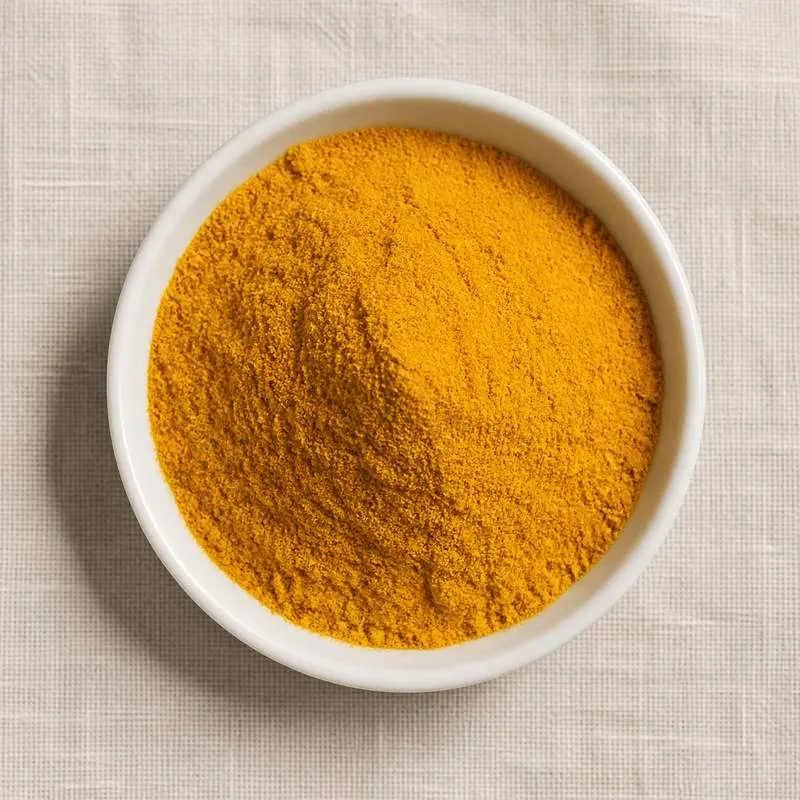
The powder is off-white to light brown with a savoury mushroom aroma, hygroscopic, and disperses in water to a slightly cloudy solution. Hot water extracts carry the polysaccharide fraction; the free amino acids and nucleotides that give the strong umami character are recovered in the same stream.
We source bulk Agaricus Bisporus Extract from top China manufacturers for our partners. The manufacturer is in Shaanxi. A smaller requirement can ship in a combined container with other ingredients.
Please send the grade you need, the volume and your destination port, and we will come back with a solution and a price.
or call +86-21-6858 0751
- Function
- Plant extract
Specifications
| Item | Specification |
|---|---|
| Appearance | Off-white to light brown fine powder with savoury mushroom odour |
| Botanical source | Fruiting body of Agaricus bisporus |
| Beta-glucan (enzymatic method) | 20.0 percent minimum |
| Ergothioneine | 0.5 mg/g minimum |
| Identification | Chromatographic profile conforms to Agaricus bisporus reference |
| Starch | 5.0 percent maximum, confirming fruiting body origin |
| Loss on drying | 6.0 percent maximum |
| Total ash | 10.0 percent maximum |
| Cadmium | 1.0 mg/kg maximum |
| Lead | 2.0 mg/kg maximum |
| Arsenic | 1.0 mg/kg maximum |
| Mercury | 0.5 mg/kg maximum |
| Total plate count | 10000 cfu/g maximum |
| Salmonella | Absent in 25 g |
Common Markets Grades
Grades follow the target constituent. Hot water extracts are standardised on beta-glucan by an enzymatic method, commonly 10, 20 or 30 percent, and buyers should require the enzymatic figure rather than a total polysaccharide colourimetric result, which reads added maltodextrin and starch as polysaccharide. Ergothioneine-standardised grades are quoted in milligrams per gram and are a separate and more expensive article. Vitamin D2 mushroom powder is specified on vitamin D content in micrograms per gram and is made by ultraviolet treatment rather than by extraction.
Plain milled mushroom powder, made by drying and grinding the fruiting body, is a distinct and much cheaper article and is not interchangeable with an extract. Ratio descriptions such as 10 to 1 are quoted alongside but carry no assurance of composition. Buyers should also confirm that the material is fruiting body rather than grain-grown mycelium, since the latter carries residual starch from the substrate, and organic certified lots are available.
Applications
- Immune support supplements standardised on beta-glucan content
- Vitamin D fortification of foods and supplements using ultraviolet treated mushroom powder, giving a non-animal vitamin D2 source
- Ergothioneine supplements and longevity blends
- Savoury seasoning and umami bases, where the extract supplies glutamate and nucleotides
- Soups, sauces and bouillon as a plant-based savoury foundation
- Meat alternative formulations, contributing umami and a mushroom note
- Mushroom coffee and instant beverage blends
- Women's health supplement formulas positioned on aromatase activity
- Skin care formulations positioned on antioxidant and brightening claims
China Manufacturers of Agaricus Bisporus Extract
Top Agaricus Bisporus Extract manufacturers in China.

Company names and logos are the property of the manufacturers themselves. They are listed here because our own directory records them as producing this ingredient. A listing is not an endorsement by them, and we do not represent them or speak on their behalf.
Regulatory Status
In the United States Agaricus bisporus is a conventional food and mushroom powders and extracts are used in foods and supplements without a specific food additive clearance. Ultraviolet treated mushroom material has a defined regulatory position: the FDA has issued food additive regulations permitting ultraviolet treatment of mushrooms to increase vitamin D2, and separate GRAS notifications have covered ultraviolet treated mushroom powder for use in foods, so a vitamin D grade should be supported by the appropriate clearance for its intended use. Ergothioneine from other sources has also been the subject of GRAS notifications.
In the European Union Agaricus bisporus is a food with a long history of consumption, and ultraviolet treated mushroom powder with increased vitamin D2 content has been authorised as a novel food with specified conditions of use, which is the clearance that matters for that grade. Plain mushroom powder and conventional extracts do not require authorisation. There is no E number. Health claims are limited to the authorised generic vitamin D claims where the conditions of use are met. Codex has adopted a standard for dried edible fungi covering identity, moisture and defect tolerances, and the general provisions on contaminants apply, with cadmium uptake by cultivated mushrooms the practical control.
Manufacturing Process
Cultivated mushrooms, or the stalk butts and trim that fall out of the fresh packing line, are washed, sliced and dried in warm air, and drying temperature is a control point because the tissue browns readily through enzymatic and Maillard reactions. Where a vitamin D grade is being made, the sliced mushroom is exposed to controlled ultraviolet B radiation before or during drying, which converts ergosterol in the tissue to vitamin D2, and the exposure is set by dose rather than by time. Dried material is milled to a coarse powder.
Hot water extraction follows, run at close to boiling for several hours, which is necessary because the beta-glucans are held inside a chitinous cell wall that shorter or cooler extraction will not open. The liquor is separated from spent solids by filtration or decanter centrifuge and concentrated under vacuum. For a polysaccharide-enriched grade the concentrate is precipitated with ethanol, and the precipitate is redissolved and reprecipitated to strip sugars and small molecules. Ergothioneine grades take a different path, using aqueous or dilute alcohol extraction at lower temperature followed by ion exchange or resin enrichment, since the compound is water soluble and does not require the harsh cell wall extraction. The standardised concentrate is spray dried at a controlled outlet temperature, sieved and packed.