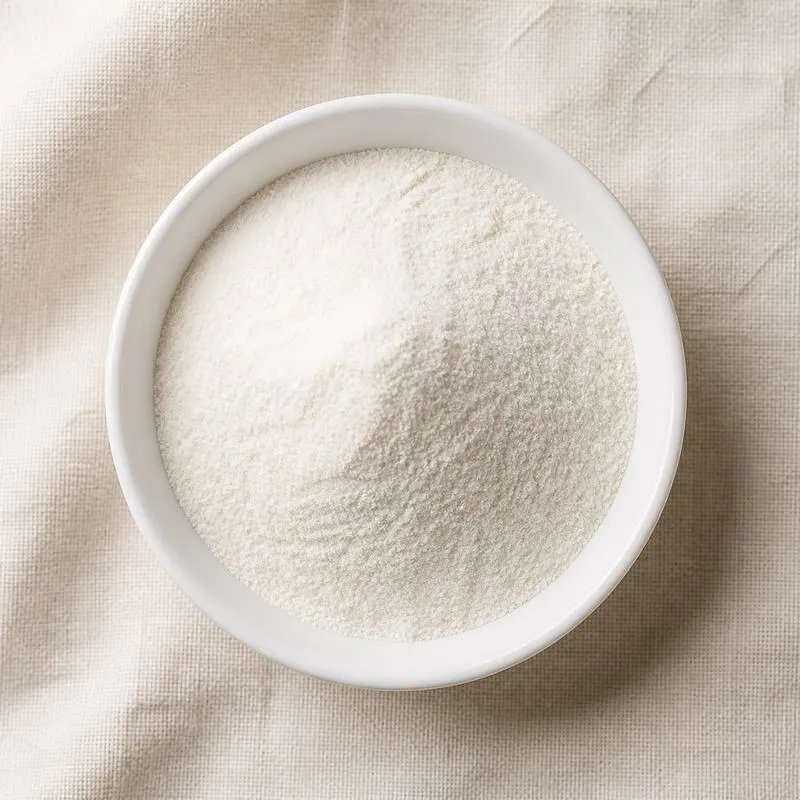
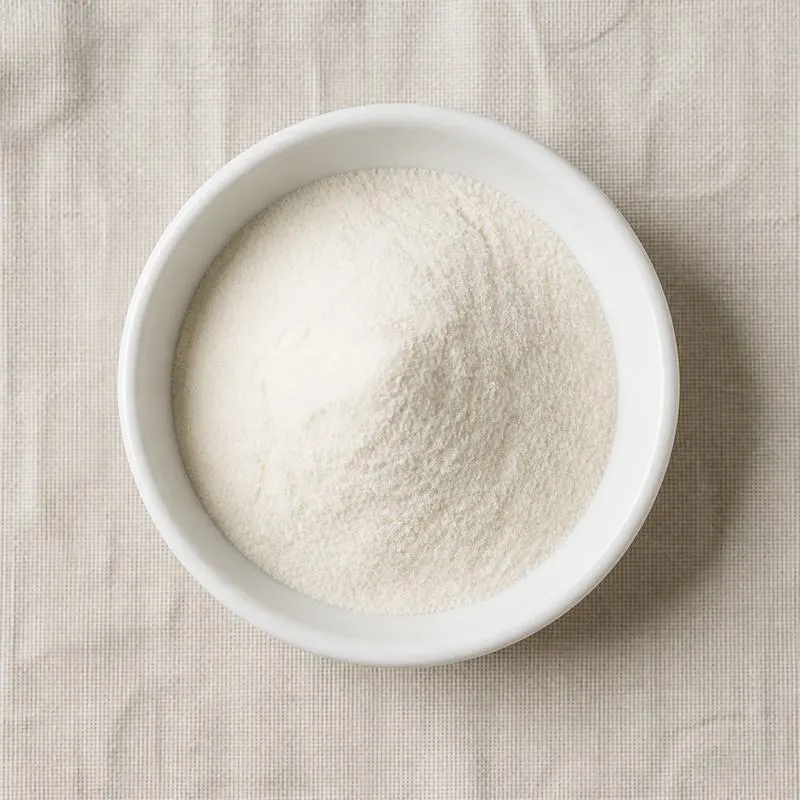
Alkali-Treated Cottonii Chips
Alkali treated cottonii chips are the chipped, dried form in which alkali treated Kappaphycus alvarezii seaweed is traded internationally. The material is carrageenan-bearing seaweed that has been cooked in hot potassium hydroxide, washed, dried and then cut into pieces of a few millimetres to a couple of centimetres, and it is the standard shipping presentation of the carrageenan supply chain between the alkali treatment plant and the powder mill.
The chip form exists for practical reasons rather than functional ones. Cooked and dried seaweed in whole frond form is bulky, tangles in conveying equipment and is awkward to sample representatively; chipping gives a free-flowing material of consistent bulk density that can be baled tightly, sampled with a spear and fed directly into a hammer mill. Chips also dry more evenly than whole weed and so reach a lower and more uniform moisture, which matters because the material is often stored for months and shipped across the tropics.
Chemically the chips are unchanged from the bulk alkali treated material. The carrageenan, roughly 60 to 70 percent of the dry weight, remains held inside the native cellulose matrix, having been converted during the alkali cook from the weakly gelling 6-sulphate precursor into full strength kappa carrageenan. The chips themselves have no functionality until milled or extracted.
We source bulk Alkali-Treated Cottonii Chips from top China manufacturers for our partners. The manufacturer is in Fujian. A smaller requirement can ship in a combined container with other ingredients.
Please send the grade you need, the volume and your destination port, and we will come back with a solution and a price.
or call +86-21-6858 0751
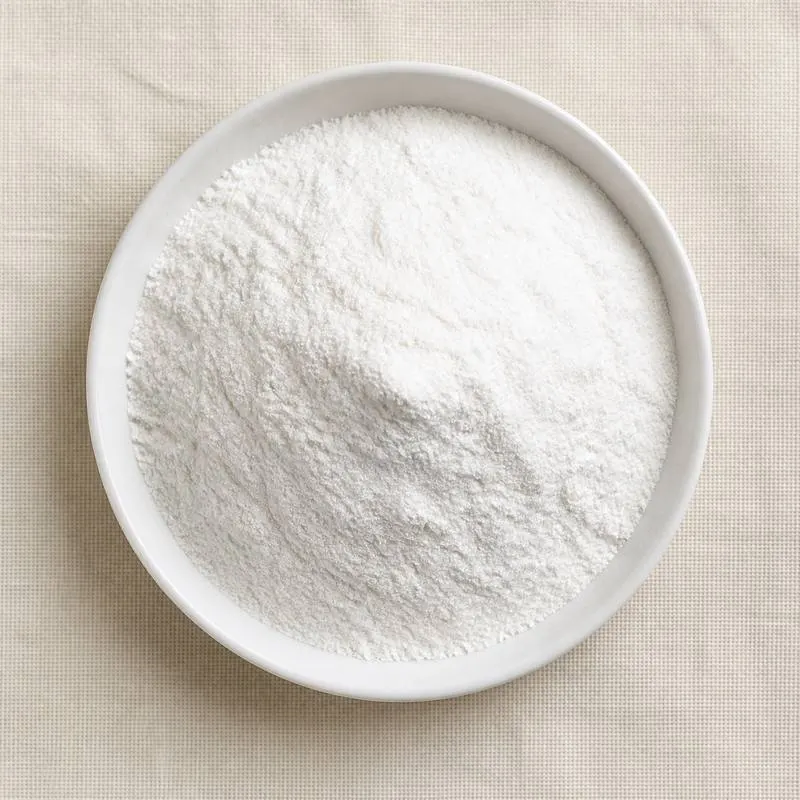
- Function
- Thickener / Hydrocolloid
Specifications
| Item | Specification |
|---|---|
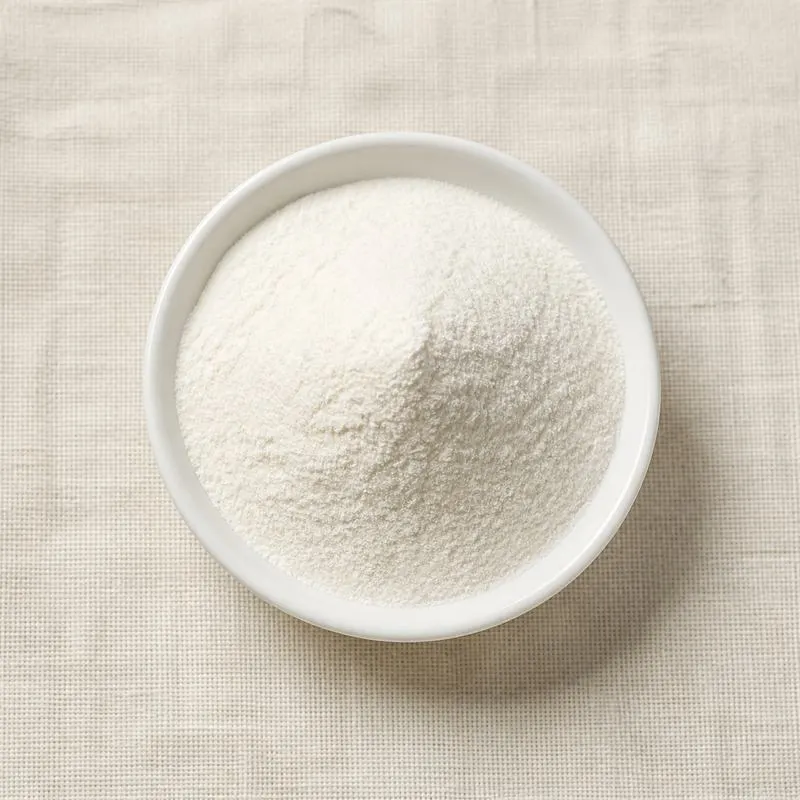
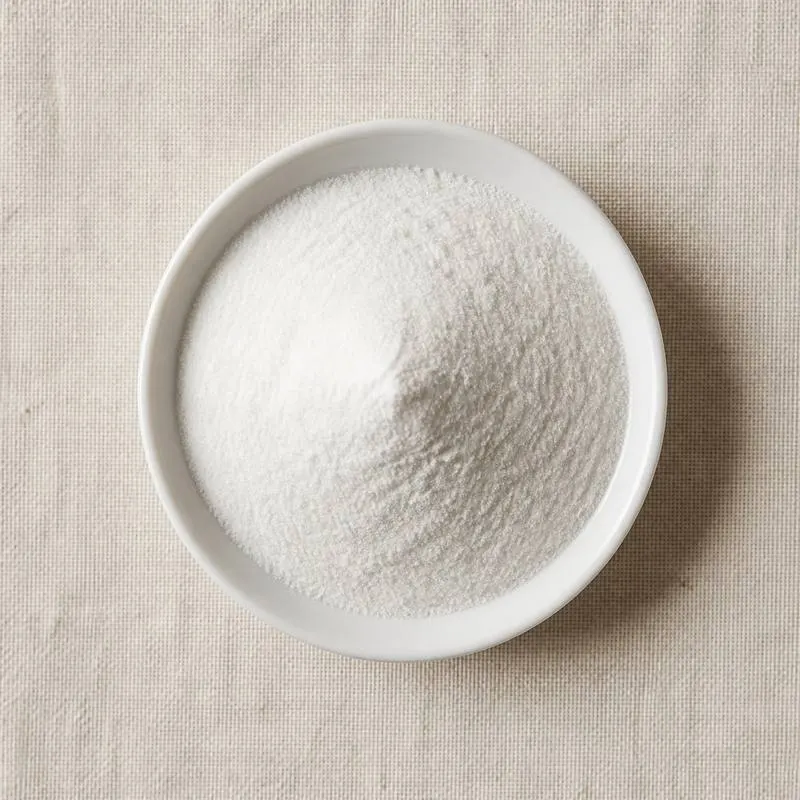
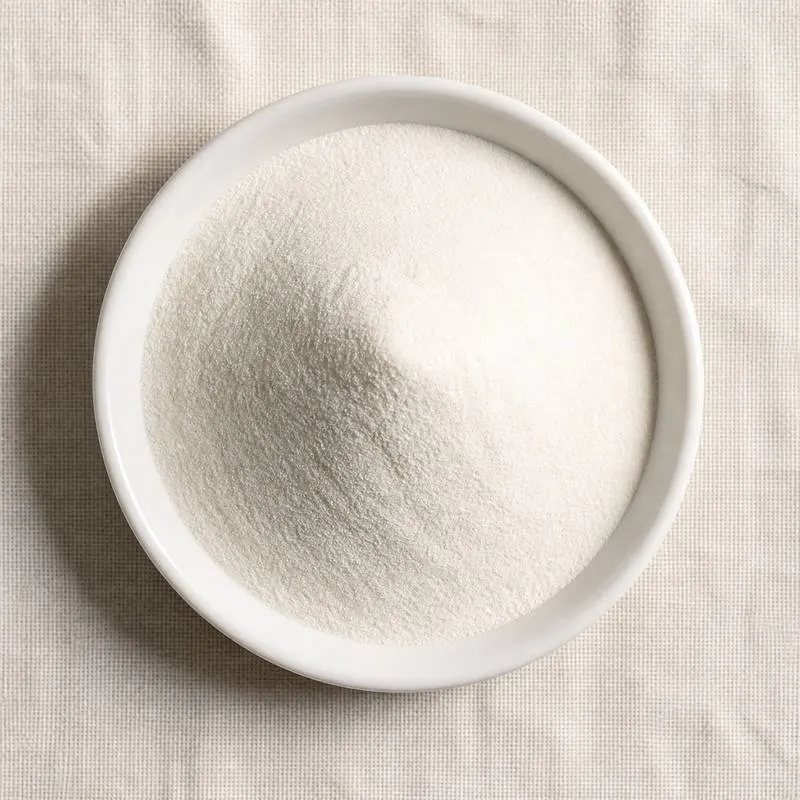
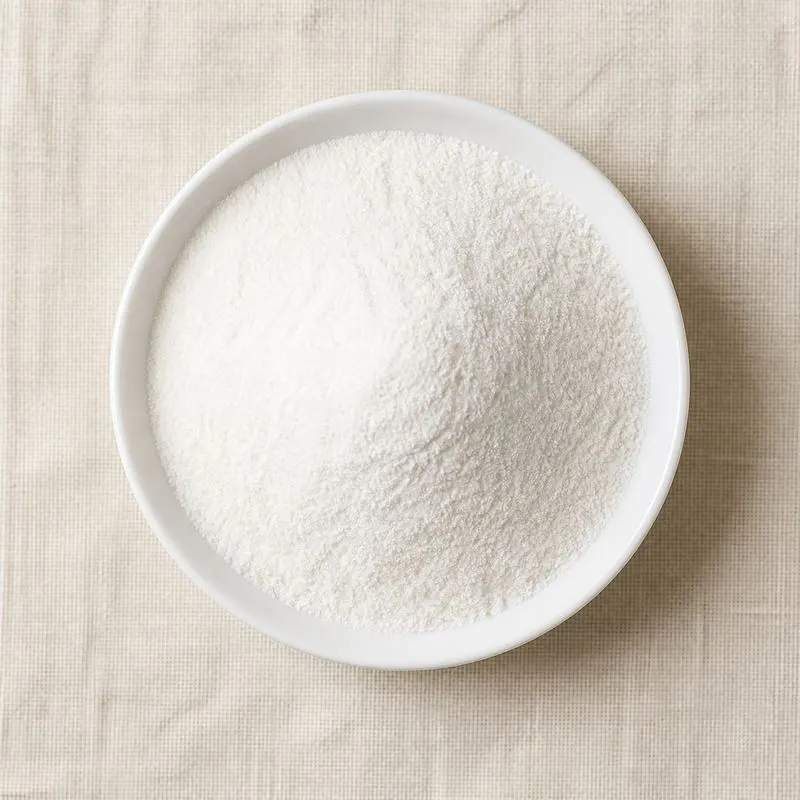
| Appearance | Pale cream to tan dried chips, uniform in size |
| Odour | Slight characteristic seaweed odour, free of putrid notes |
| Chip Size | 3 mm to 20 mm |
| Fines through 2 mm screen | Not more than 5.0% |
| Moisture | 10.0% to 14.0% |
| Gel Strength of standard extract | Not less than 700 g per square centimetre |
| Carrageenan Yield, dry basis | Not less than 60.0% |
| Acid Insoluble Ash | Not more than 2.0% |
| Salt and Sand | Not more than 2.0% |
| Foreign Matter including rope and plastic | Absent on visual inspection |
| Lead | Not more than 2 mg/kg |
| Arsenic | Not more than 3 mg/kg |
| Cadmium | Not more than 1 mg/kg |
| Total Plate Count | Not more than 10,000 CFU/g |
| Yeast and Mould | Not more than 500 CFU/g |
| Salmonella | Absent in 25 g |
Common Markets Grades
Chips are graded on the same commercial basis as the bulk material, principally the gel strength of a standard extract and the recoverable carrageenan yield, with moisture, cleanliness and colour alongside. What distinguishes chip trading is that the physical presentation is itself specified: chip size band, the proportion of fines, bulk density and freedom from clumping all appear on a chip specification because they determine how the material handles in the buyer's mill.
Colour grading separates chips destined for food grade refined carrageenan, where a pale uniform chip indicates thorough washing and bleaching, from darker material acceptable for pet food and technical grades. Cleanliness is assessed by inspection for sand, shell, rope and plastic as well as by acid insoluble ash, since foreign matter passes through the mill into the finished powder. Chips are usually pressed into bales wrapped in polypropylene fabric, and bale weight, dimensions and moisture at loading form part of the contract.
Applications
- Raw material for refined carrageenan plants, redissolved in hot alkali and purified by filtration and precipitation
- Raw material for semi-refined carrageenan powder, hammer milled and standardised without further extraction
- Traded inventory position in the carrageenan supply chain, since dried chips store and ship far better than wet weed or finished powder
- Blending stock, allowing a mill to combine chips of differing gel strength into a consistent powder specification
- Pet food grade carrageenan manufacture, where colour is less critical than gel strength
- Meat processing carrageenan production for brine injection systems
- Water dessert jelly powder manufacture in cost driven markets
- Technical and industrial gel manufacture including air freshener and household gels
China Manufacturers of Alkali-Treated Cottonii Chips
Top Alkali-Treated Cottonii Chips manufacturers in China.

Company names and logos are the property of the manufacturers themselves. They are listed here because our own directory records them as producing this ingredient. A listing is not an endorsement by them, and we do not represent them or speak on their behalf.
Regulatory Status
Chips are an intermediate rather than a finished food additive, and their regulatory position is set by the product they become. Material milled and sold as a food ingredient must comply with the specification for that additive.
In the European Union semi-refined material from Eucheuma and Kappaphycus seaweeds is authorised as E407a processed eucheuma seaweed, with purity criteria that accommodate the retained cellulose and that require control of the molecular weight distribution, since degraded low molecular weight material is not permitted as a food additive. Chips that are redissolved and purified yield E407 carrageenan, which is held to tighter criteria. In the United States there is no separate semi-refined listing, and material meeting the carrageenan regulation at 21 CFR 172.620 is declared as carrageenan. Codex and JECFA cover both forms within the carrageenan entry at INS 407. Because seaweeds concentrate heavy metals, cadmium and arsenic are monitored on incoming chips against the limits applying to seaweed derived ingredients, and phytosanitary and import documentation for dried plant material applies to the shipment itself.
Manufacturing Process
Farmed cottonii is harvested from long line cultivation, sun dried at the farm and baled for delivery to the alkali treatment plant. There it is cleaned of sand, shell, rope, plastic and epiphytes, rehydrated and cooked in potassium hydroxide solution at around 70 to 80 degrees Celsius for one to three hours. During that cook the galactose 6-sulphate residues are converted to 3,6-anhydrogalactose and the carrageenan reaches full gel strength, while the potassium in the liquor keeps it gelled inside the cell wall.
The cooked weed is drained and washed repeatedly with fresh water until the alkali and the dissolved impurities are gone, bleached with hypochlorite or hydrogen peroxide where a pale product is wanted, and washed again. It is then pressed to remove free water and dried, on drying racks in the sun in traditional operations or in a rotary or belt dryer in modern plants, to 10 to 14 percent moisture. The dried mass is fed to a chipper or shredder that cuts it to the contracted size band, then screened to remove fines and any remaining foreign matter. Chips are sampled for moisture, gel strength and cleanliness, then compressed into bales, wrapped and marked with lot identity for shipment.