Semi-Refined Carrageenan
Semi-refined carrageenan is carrageenan produced without ever dissolving the polymer. Whole dried seaweed is cooked in a hot alkaline potassium hydroxide solution strong enough to convert the sulphate groups that block gelation, and concentrated enough in potassium that the carrageenan gels in place inside the weed rather than leaching out. The soluble impurities, salts, protein and pigment wash away, and what remains is the carrageenan still held in its original cellulose matrix, which is then washed, dried and milled.
The product therefore contains the cellulosic cell wall residue that the refined process removes, typically 8 to 15 percent acid insoluble matter, which makes it slightly cloudy in solution and unsuitable where clarity matters. In gel strength and in the way it binds water and reacts with meat protein it performs comparably to refined kappa carrageenan, at a much lower cost, because the extraction, filtration and alcohol precipitation stages are avoided.
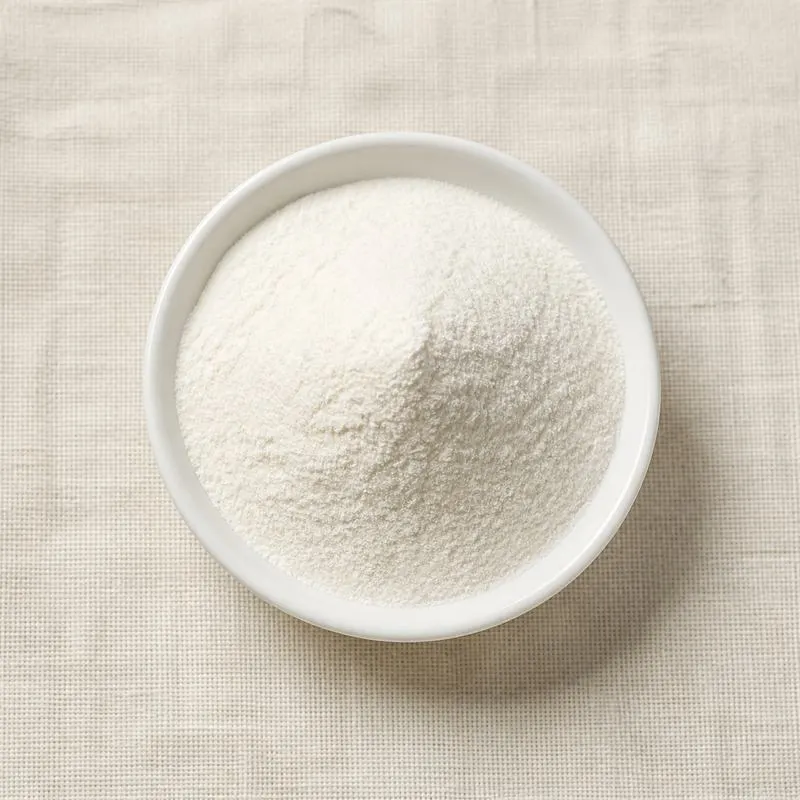
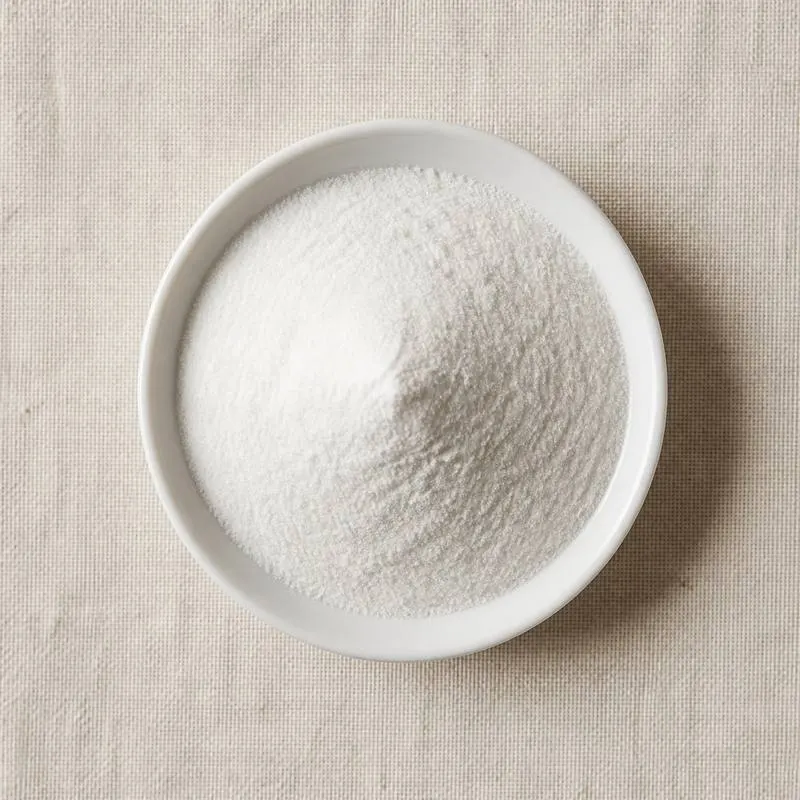
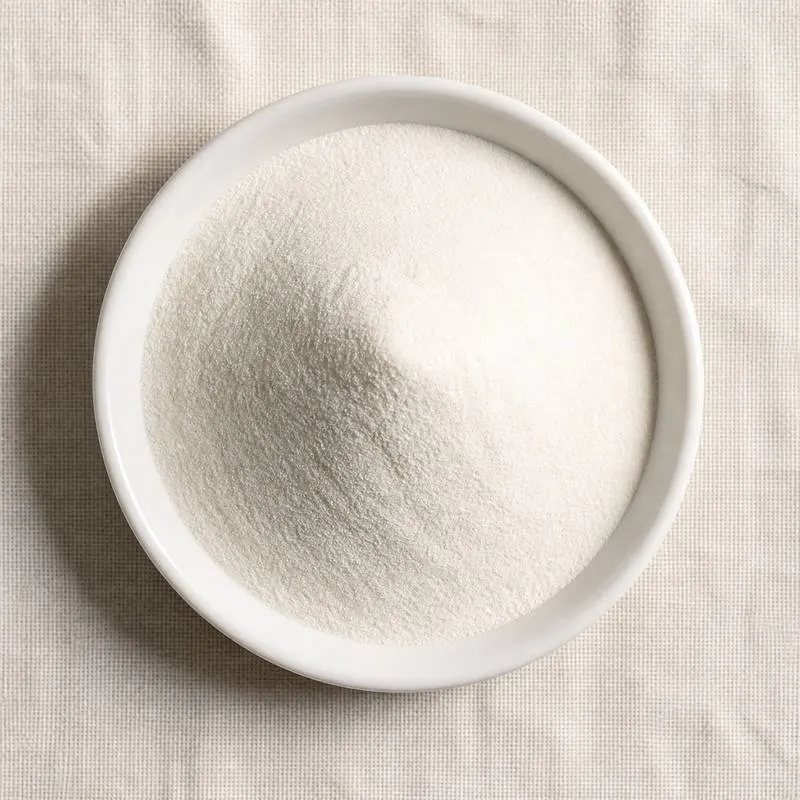
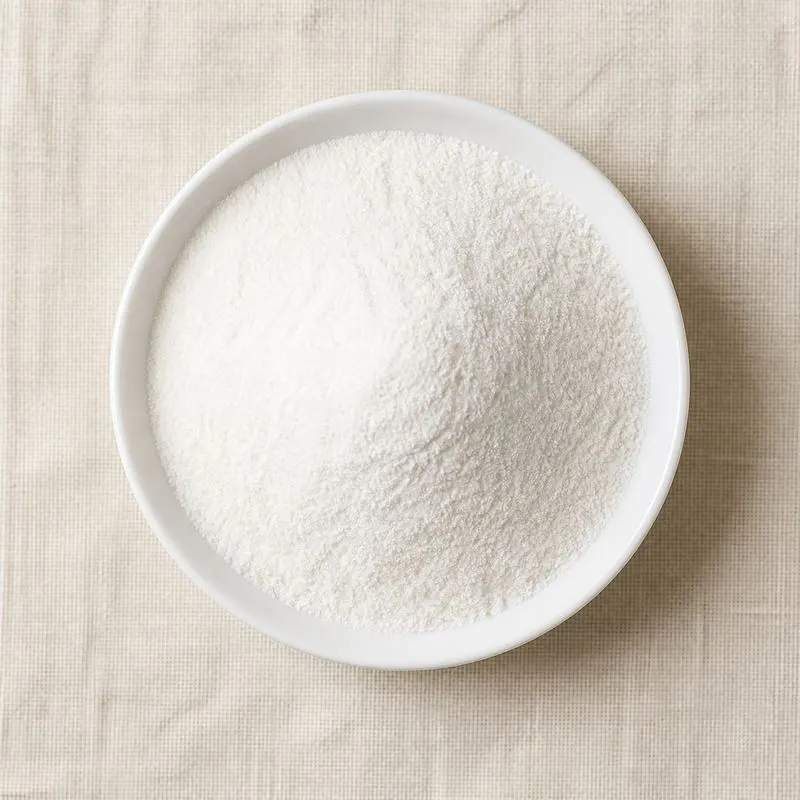
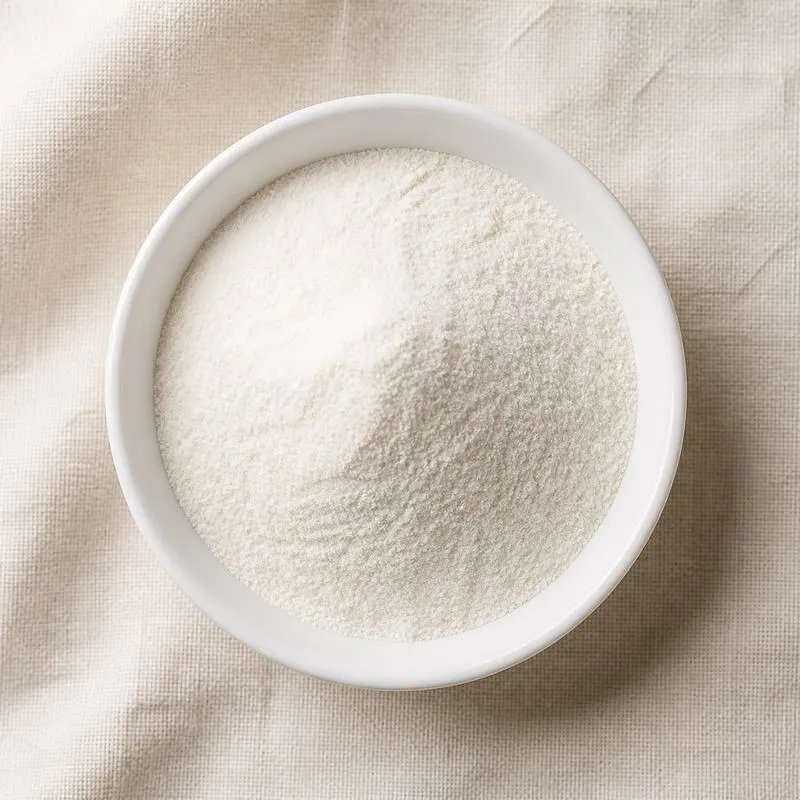
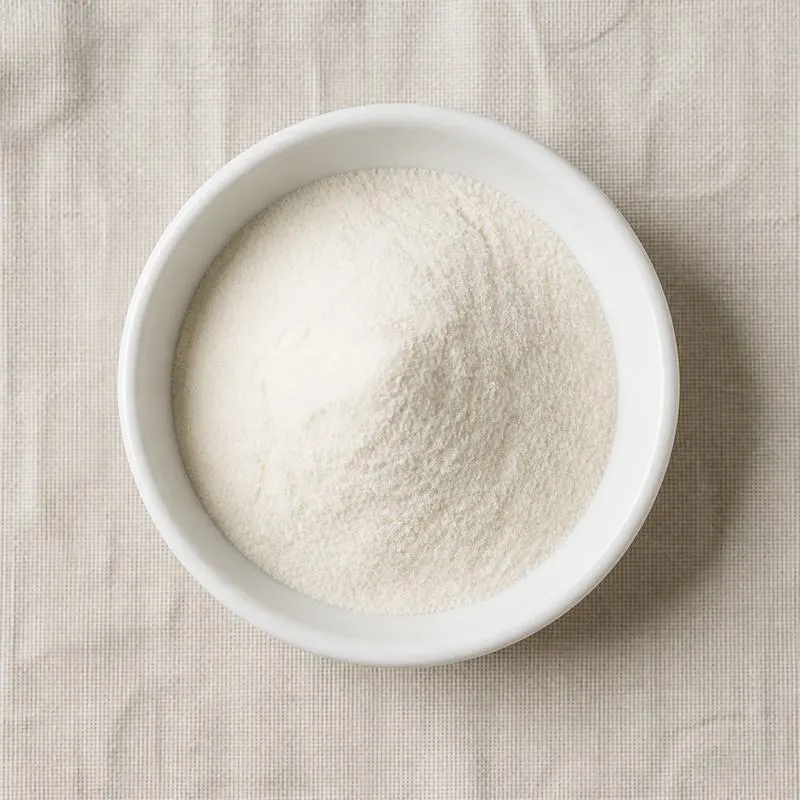
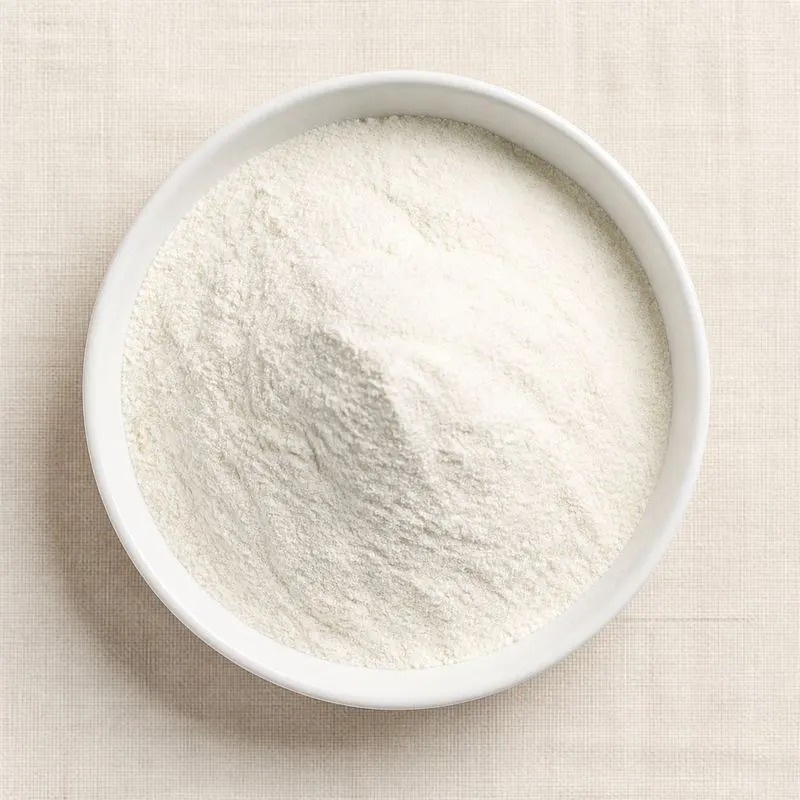
It comes as a cream to tan powder, coarser and darker than refined material, that hydrates on heating in water and forms the same firm brittle potassium-dependent gel. In the European Union the material made from Eucheuma and Kappaphycus seaweeds is listed as a separate additive, E407a processed eucheuma seaweed, rather than as carrageenan.
We source bulk Semi-Refined Carrageenan from top China manufacturers for our partners. The manufacturers are in Fujian. A smaller requirement can ship in a combined container with other ingredients.
Please send the grade you need, the volume and your destination port, and we will come back with a solution and a price.
or call +86-21-6858 0751
- Function
- Thickener / Hydrocolloid
Specifications
| Item | Specification |
|---|---|
| Appearance | Cream to tan powder, free of foreign matter |
| Odour and Taste | Slight characteristic seaweed odour, bland |
| Identification | Infrared spectrum characteristic of carrageenan |
| Gel Strength, 1.5% in 0.2% potassium chloride | Not less than 600 g per square centimetre |
| Sulphate, dry basis | 15.0% to 40.0% |
| Acid Insoluble Matter | 8.0% to 15.0% |
| Loss on Drying | Not more than 12.0% |
| Sulphated Ash, dry basis | 15.0% to 40.0% |
| pH, 1% suspension | 8.0 to 11.0 |
| Particle Size | Not less than 95% through 60 mesh |
| Lead | Not more than 2 mg/kg |
| Arsenic | Not more than 3 mg/kg |
| Cadmium | Not more than 1 mg/kg |
| Total Plate Count | Not more than 5,000 CFU/g |
| Yeast and Mould | Not more than 300 CFU/g |
| E. coli | Absent in 1 g |
| Salmonella | Absent in 25 g |
Common Markets Grades
The main division follows the seaweed used. Material from Kappaphycus alvarezii, traded as cottonii, yields kappa carrageenan and gives the firm brittle gel used in meat and gel applications. Material from Eucheuma denticulatum, traded as spinosum, yields iota carrageenan and gives a soft elastic gel that resists syneresis and recovers after shear. Blends of the two are common.
Grades are ordered by gel strength or viscosity in a stated test, by acid insoluble matter, which is the marker of how much cellulose remains and is what separates semi-refined from refined material, and by colour, since a paler powder sells at a higher price and is produced by an additional bleaching step. Standardised grades blended with potassium chloride, sugar or other gums to a fixed performance are used for meat injection, pet food and dessert use. Food grade and a lower cost pet food and technical grade are both traded, and the specification points differ enough that the intended use should be stated on enquiry.
Applications
- Injected and tumbled ham, poultry and deli meats, binding brine and raising cook yield where solution clarity is irrelevant
- Pet food chunks in jelly and gravy, setting the jelly phase around the meat pieces
- Canned and retorted meat products, forming the set jelly on cooling
- Water dessert jellies in cost driven markets, giving a firm brittle set
- Sausage and emulsified meat products, binding water and improving slice texture
- Air freshener and household gels requiring a rigid heat set structure
- Toothpaste and industrial gels where slight opacity is acceptable
- Plant based meat analogues, providing bite and water holding in the structured protein matrix
- Raw material for further refining, since semi-refined material can be redissolved and purified into refined carrageenan
China Manufacturers of Semi-Refined Carrageenan
Top Semi-Refined Carrageenan manufacturers in China.
- Fujian Dingli Yuanfeng Marine Biotechnology Co., Ltd.3 ingredients in the directory
 Fujian Green Power Biotechnology Co., Ltd.3 ingredients in the directory
Company names and logos are the property of the manufacturers themselves. They are listed here because our own directory records them as producing this ingredient. A listing is not an endorsement by them, and we do not represent them or speak on their behalf.
Regulatory Status
In the European Union semi-refined material from Eucheuma and Kappaphycus seaweeds is a distinct additive, authorised as E407a processed eucheuma seaweed, with its own identity and purity criteria that differ from those for E407 principally in allowing a much higher acid insoluble matter content reflecting the retained cellulose. Like carrageenan it must meet a molecular weight distribution requirement, since degraded low molecular weight material is not permitted, and it is generally allowed at quantum satis in the categories where it is permitted, with restrictions in foods for infants and young children. It is declared in the ingredient list as processed eucheuma seaweed or E407a.
In the United States there is no separate listing; the carrageenan regulation at 21 CFR 172.620 covers the material, and semi-refined material meeting that regulation's specification is declared on the label as carrageenan. This difference in nomenclature between the two jurisdictions is a common source of confusion in specification documents, so a supplier's certificate should state which standard the material is being certified against. Codex and JECFA recognise the substance within the carrageenan entry at INS 407 with the JECFA specification covering processed eucheuma seaweed.
Manufacturing Process
Dried seaweed is cleaned of sand, shell and epiphytes and steeped or cooked in a hot solution of potassium hydroxide, typically at 70 to 80 degrees Celsius for one to several hours. The alkali converts galactose 6-sulphate residues into 3,6-anhydrogalactose, which is what develops the gelling structure, and the potassium concentration keeps the carrageenan gelled and immobilised inside the seaweed tissue so that it cannot dissolve and be lost into the cook liquor.
The cooked weed is drained and washed repeatedly with fresh water, which removes the alkali, the dissolved salts, protein, pigment and low molecular weight material, while the carrageenan stays behind. Where a pale product is wanted the washed weed is bleached, usually with hypochlorite or hydrogen peroxide, and washed again. The material is then dewatered by pressing or centrifuge and dried, either in the sun in traditional production or in a rotary or belt dryer, to around 12 percent moisture. Dried chips are chopped, hammer milled to the specified mesh, sieved and blended. Standardised grades are then mixed with potassium chloride, sugar or other hydrocolloids to hit the declared gel strength. Because the polymer is never dissolved, there is no filtration stage and no alcohol recovery, which is the source of the cost advantage over the refined route.