Alpha-Mangostin
Alpha-Mangostin (CAS 6147-11-1) is the principal xanthone of the pericarp of mangosteen fruit (Garcinia mangostana) and the most studied compound in the xanthone family.
The molecule has the formula C₂₄H₂₆O₆ and a molar mass of 410.46 g/mol. It crystallises as bright yellow needles, practically insoluble in water and soluble in ethanol, acetone, and chlorinated solvents.
We source bulk Alpha-Mangostin from top China manufacturers for our partners. The manufacturer is in Shaanxi. A smaller requirement can ship in a combined container with other ingredients.
Please send the grade you need, the volume and your destination port, and we will come back with a solution and a price.
or call +86-21-6858 0751
- Packaging
- 25 kg kraft paper bag with PE inner liner
- ISO 9001
- HACCP
- Halal
- Kosher
Specifications
| Item | Specification |
|---|---|
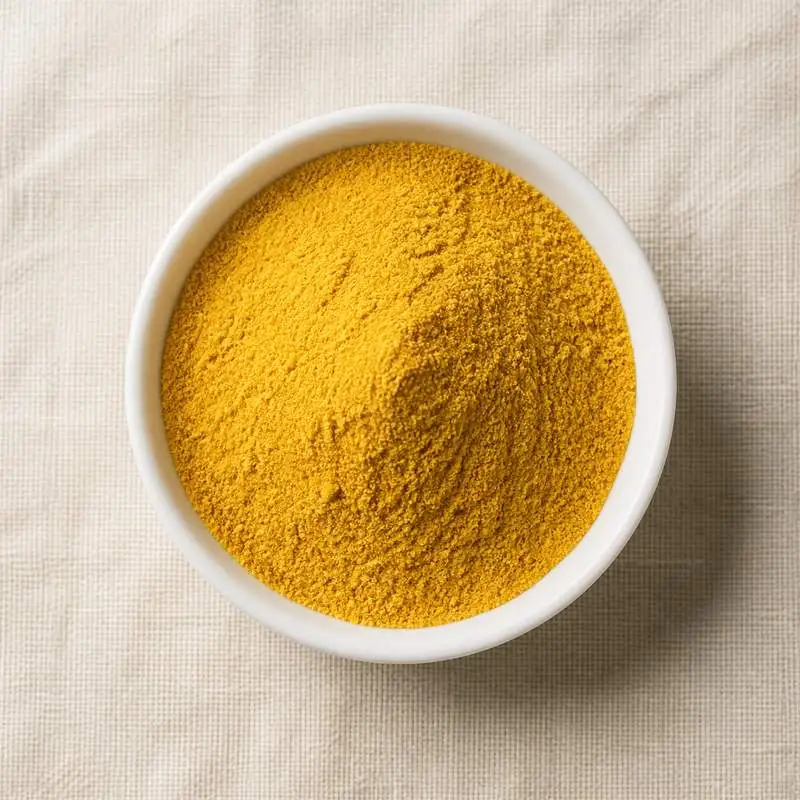
| Appearance | Yellow crystalline powder |
| Assay (HPLC) | ≥90% |
| Moisture | ≤5.0% |
| Ash | ≤1.0% |
| Melting Point | 180–182 °C |
| Solvent Residue | Complies with USP |
| Particle Size (80 mesh) | ≥95% |
| Heavy Metals (as Pb) | ≤10 mg/kg |
| Pesticide Residues | Complies |
| Total Plate Count | ≤1,000 cfu/g |
| Salmonella | Absent in 25g |
Common Markets Grades
Alpha-Mangostin is graded by HPLC purity and by the ratio of total xanthones in the source extract.
Standardised mangosteen pericarp extracts at 10, 20, and 40 percent total xanthones, with alpha-mangostin as the lead marker, are the standard grades for supplement use.
Concentrated grades at 70 to 90 percent alpha-mangostin are produced for clinical research and high-purity capsules. Reference and analytical grades reach 98 percent or higher.
Gamma-mangostin, garcinone E, and 8-deoxygartanin are commonly co-quantified and are sometimes offered as paired standards. Liposomal and self-emulsifying preconcentrates are produced where dissolution is the limiting factor.
Applications
- Antioxidant capsules and softgels positioned around mangosteen pericarp content
- Immune-support formulas combined with elderberry or beta-glucan
- Joint comfort blends alongside curcumin and boswellia
- Functional juices and shots based on whole mangosteen fruit
- Sports recovery formulas targeting inflammation and oxidative stress
- Skin and beauty supplements positioned for radiance and clarity
- Topical acne and blemish products drawing on antimicrobial positioning
- Hair-care leave-in tonics with scalp antioxidant claims
- Oral care lozenges and toothpaste with antibacterial positioning
- Pet supplements for inflammation and immune support
- Research material for apoptosis and kinase modulation studies
- Reference standard for mangosteen authentication and origin testing
Brands Using Alpha-Mangostin
Widely-distributed consumer products that list Alpha-Mangostin on the ingredient label.
- Nature's WayMangosteen Standardized Extract Capsules ↗Nature's Way Mangosteen is a mangosteen (Garcinia mangostana) pericarp extract standardised to 20% alpha-mangostin and 40% polyphenols.Label verified 2026-05-24
- XanGo (Isagenix)XanGo Mangosteen Superfruit Juice ↗XanGo Juice, distributed by Isagenix since the 2017 acquisition, is a mangosteen aril and pericarp puree blend whose pericarp supplies xanthones including alpha-mangostin.Label verified 2026-05-24
- Advance Physician FormulasMangosteen 500 mg Vegetable Capsules ↗Advance Physician Formulas Mangosteen 500 mg is a mangosteen pericarp extract delivering the xanthone fraction (alpha-, beta-, and gamma-mangostin) as its key actives.Label verified 2026-05-24
Brand names, product names and logos are the property of their owners. They appear here as published evidence that the ingredient is used, taken from the brand's own label or website. Their appearance is not an endorsement, and it does not mean the brand buys from us or from any manufacturer listed on this site.
China Manufacturers of Alpha-Mangostin
Top Alpha-Mangostin manufacturers in China.
Company names and logos are the property of the manufacturers themselves. They are listed here because our own directory records them as producing this ingredient. A listing is not an endorsement by them, and we do not represent them or speak on their behalf.
How We Help Source Alpha-Mangostin
Direct Factory Sourcing
We run the whole process: selecting the manufacturer from the top Chinese food ingredient producers, negotiating the price, verifying quality, and coordinating the logistics. You deal with us instead of with several factories at once.
Original Packaging and Documents from the Manufacturer
The manufacturer sends your Alpha-Mangostin out of its own factory in the original packing, through to your destination port. The COA, COO, MSDS, TDS and any certifications reach you from the manufacturer as well.
Free Samples and Lead Time
We send 100 to 500 g free for your own laboratory to test and you cover only the courier, usually within 2 to 3 working days. ETD is usually within 7 to 15 days once the order is confirmed, and we check that date against the factory's own manufacturing schedule before we give it to you.
Combined Shipment
We can load Alpha-Mangostin together with other ingredients such as Arachidonic Acid, Coenzyme Q10 and Chondroitin Sulphate Sodium into one 20' FCL. If your quantity is small, we can also ship LCL.
Regulatory Status
Mangosteen fruit has a long history of food use in Southeast Asia, and whole-fruit beverages have been sold in major markets since the early 2000s. The pericarp-derived extracts containing alpha-mangostin are not part of traditional food use, however, which affects regulatory status in some regions.
In the European Union, mangosteen pericarp extract has not received novel-food authorisation and is therefore restricted in food and food-supplement use. Regulation (EC) No 1223/2009 permits cosmetic use under its general framework.
In the United States, mangosteen pericarp extract and isolated alpha-mangostin are marketed as dietary-supplement ingredients under DSHEA, with several self-affirmed GRAS notifications covering beverage use.
No authorised EU health claim references alpha-mangostin. Pharmacopoeial monographs for the pure compound do not yet exist, although manufacturers use several published validated HPLC methods for batch release.
Hepatotoxicity case reports linked to high-dose mangosteen supplement use have prompted authorities in some jurisdictions to recommend careful intake monitoring.
Manufacturing Process
Alpha-Mangostin is produced exclusively by solvent extraction of mangosteen pericarp, the thick purple rind that surrounds the edible white aril.
The pericarp is a major byproduct of fresh-fruit and juice processing in Thailand, Indonesia, the Philippines, and Vietnam. It is dried, milled, and extracted with ethanol, acetone, or ethyl acetate at controlled temperature.
The crude extract is concentrated under vacuum and defatted to remove waxes and chlorophyll. It is then loaded onto silica gel or macroporous adsorption resin for primary fractionation.
Stepwise solvent elution separates alpha-mangostin from gamma-mangostin, garcinone E, and other co-occurring xanthones. Final purification is by recrystallisation from ethanol or by preparative reversed-phase chromatography for analytical grades.
The bright yellow crystalline product is dried under vacuum and packaged in light-protective containers, as the xanthone chromophore is sensitive to prolonged UV exposure.