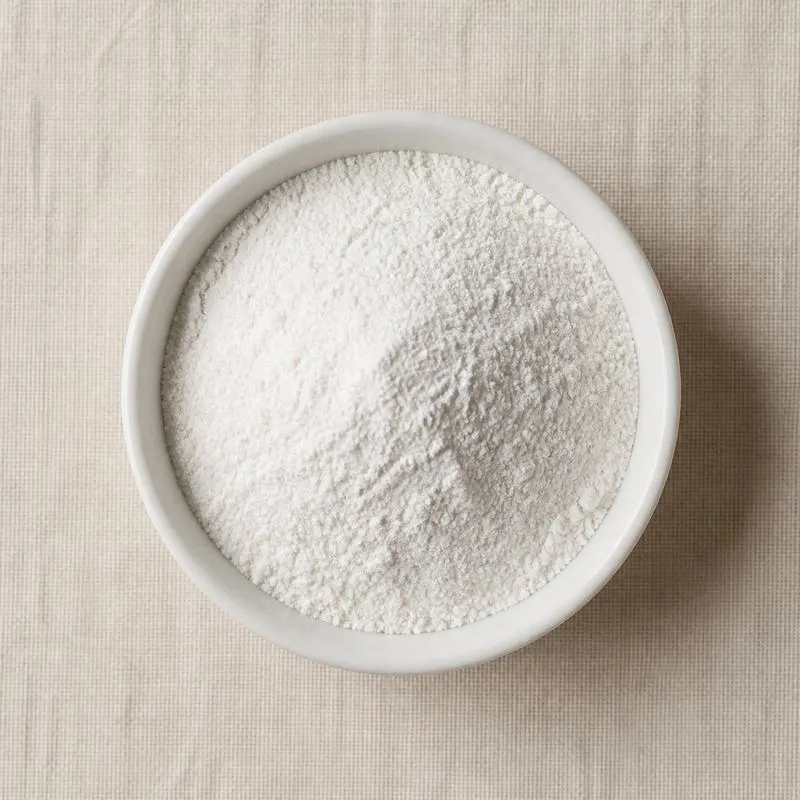
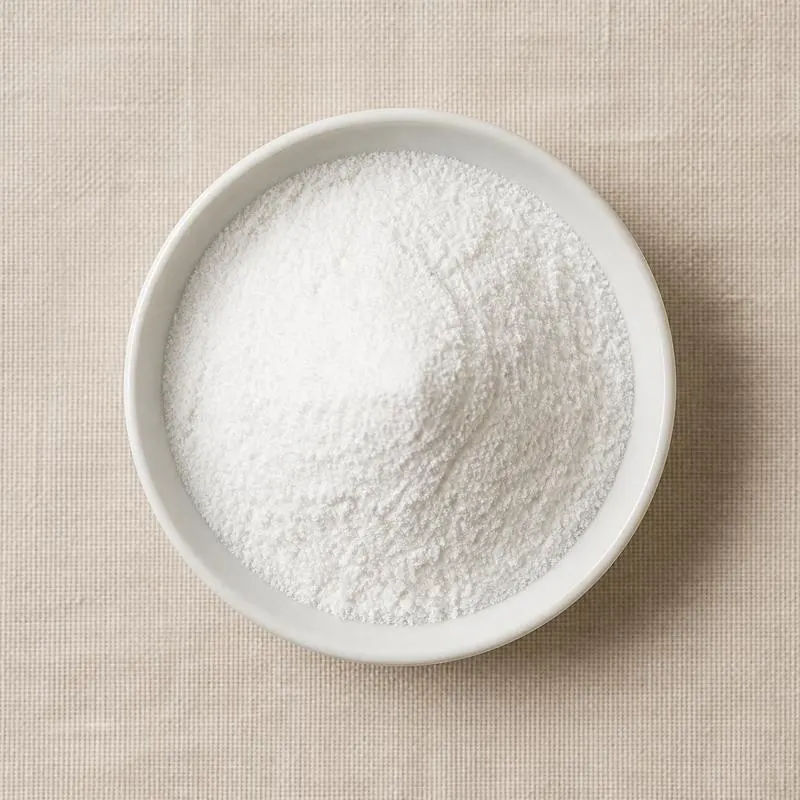
Ammonium Hydrogen Phosphate
Ammonium hydrogen phosphate, (NH4)2HPO4, generally traded as diammonium phosphate, is the dibasic ammonium salt of orthophosphoric acid, used in fermentation and food as a nitrogen and phosphorus nutrient and as an alkaline buffering salt.
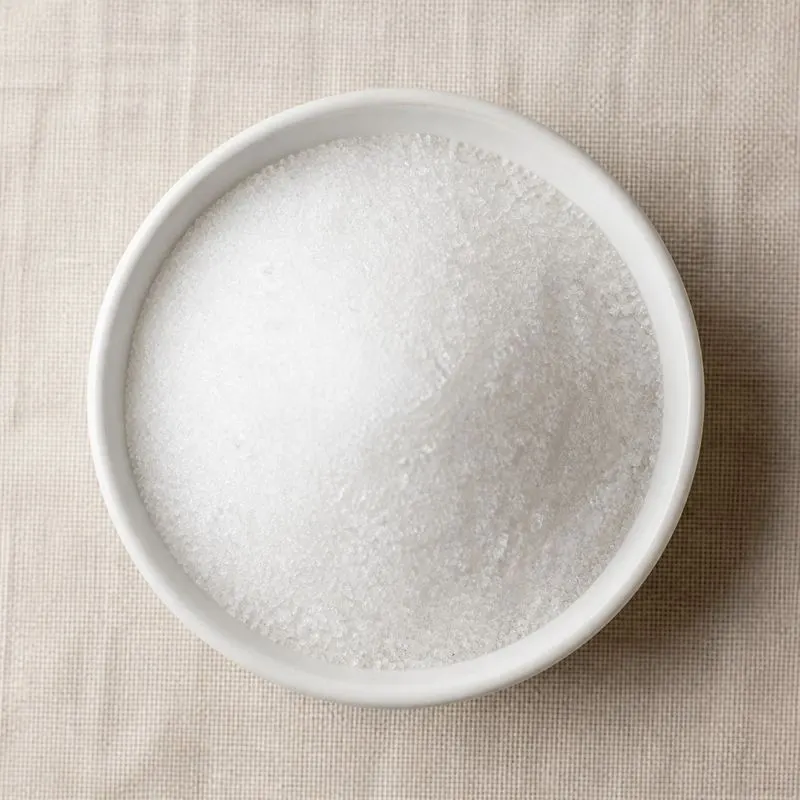
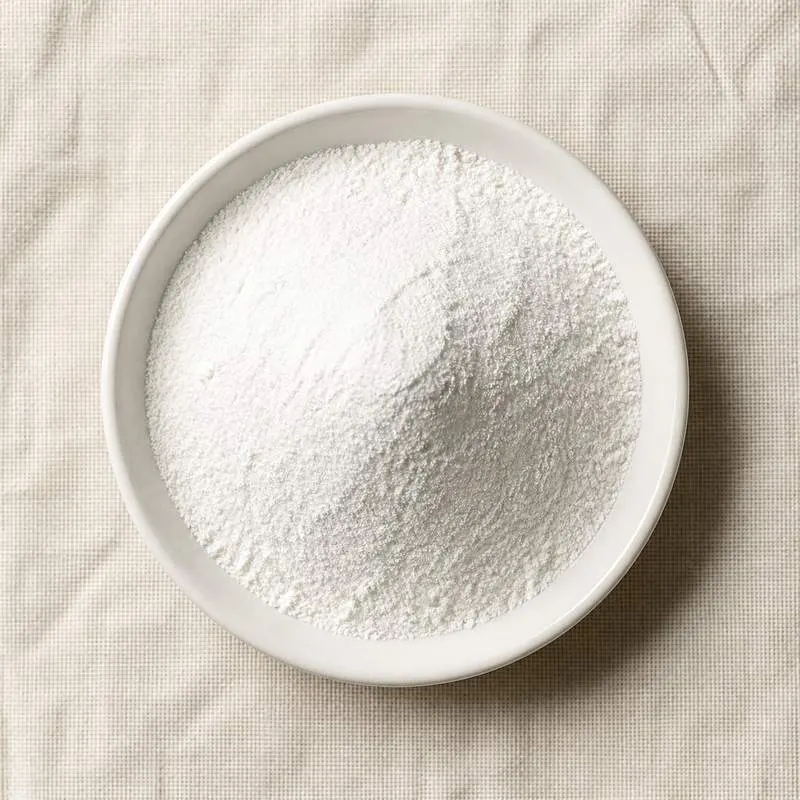
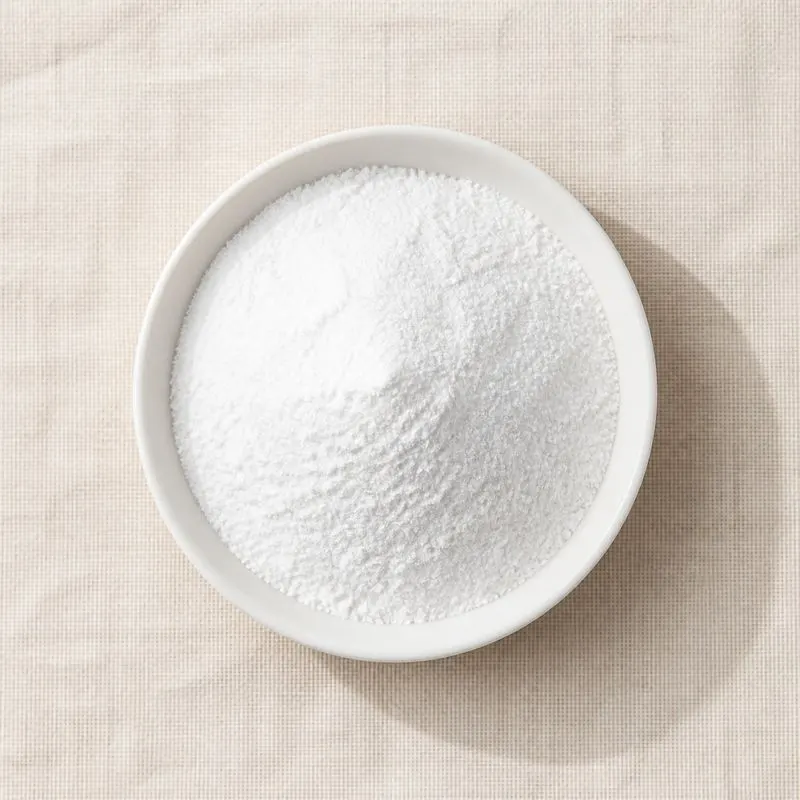
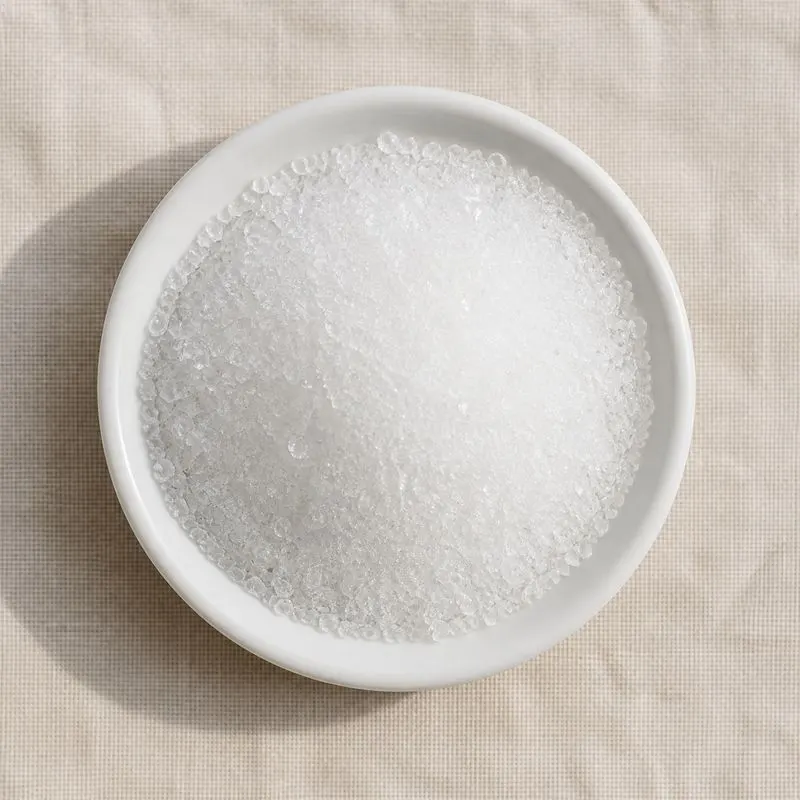
It is a white crystalline powder or granule that dissolves readily in water to give a mildly alkaline solution, around pH eight at one percent, and is practically insoluble in ethanol. Like the monobasic salt it introduces no metal cation, which makes it useful where the mineral profile of a wort, a must or a culture medium has to be left untouched, and both of the ions it supplies are directly assimilable by yeast. Because it is more alkaline than the monobasic salt it is chosen where a nutrient addition should raise rather than lower pH.
The salt is mildly hygroscopic and loses ammonia slowly on standing in warm, dry air, more quickly on heating, so it is stored in sealed bags in a cool store and solutions are not held hot. That same decomposition makes it useful as a component of ammonium leavening and as a flame retardant, since the ammonia and the phosphate residue both act to interrupt combustion.
We source bulk Ammonium Hydrogen Phosphate from top China manufacturers for our partners. The manufacturer is in Jiangsu. A smaller requirement can ship in a combined container with other ingredients.
Please send the grade you need, the volume and your destination port, and we will come back with a solution and a price.
or call +86-21-6858 0751
- Function
- Mineral salt
Specifications
| Item | Specification |
|---|---|
| Appearance | White crystalline powder or granule, faint ammoniacal odour permitted |
| Identification | Positive for ammonium and for orthophosphate |
| Assay as (NH4)2HPO4 | Not less than 97.0% on the dried basis |
| Nitrogen content | Not less than 20.5% |
| pH of 1% aqueous solution | 7.6 to 8.2 |
| Loss on drying at 60 degrees Celsius | Not more than 1.0% |
| Water insoluble matter | Not more than 0.2% |
| Chloride | Not more than 0.05% |
| Sulphate | Not more than 0.1% |
| Fluoride | Not more than 10 mg/kg |
| Heavy metals as lead | Not more than 10 mg/kg |
| Lead | Not more than 2.0 mg/kg |
| Arsenic | Not more than 3.0 mg/kg |
| Particle size | Not less than 95% through 40 mesh, or granular as specified |
Common Markets Grades
Most world production is fertiliser grade, granulated from unpurified wet process acid and never suitable for food or fermentation. Food and fermentation grade is manufactured from purified acid, assays at not less than ninety seven percent, and carries the fluoride, arsenic and lead limits of a food chemicals codex or equivalent monograph. Technical grade lies between the two and supplies flame retardant, match head and metal treatment applications.
Within the food and fermentation grade the distinctions are physical and application specific. Fine crystal dissolves quickly into a wort or must and is preferred for cellar use, while free flowing granular material is used for dry blending into yeast nutrient and bakery premixes without dusting. Blended yeast nutrients that combine the salt with thiamine, inactivated yeast and other micronutrients are traded as separate formulated products, and pharmacopoeial grade with tighter chloride, sulphate and heavy metal limits is available for buffer preparation.
Applications
- Wine and cider making, as the standard yeast nutrient for musts short of assimilable nitrogen
- Brewing, added to wort to support a clean fermentation and limit sulphide formation
- Distilling and industrial ethanol fermentation, as a bulk nitrogen and phosphorus source
- Baker's yeast propagation and enzyme production fermentations, in the growth medium
- Bakery yeast foods, standardising the rate of dough fermentation
- Buffer systems in food processing where a metal free alkaline phosphate is wanted
- Cell culture and microbiological media, as a phosphate buffer and nutrient
- Flame retardant treatments for timber, textiles and paper, and in fire extinguishing powders
- Animal feed premixes, as a source of available phosphorus and non protein nitrogen
China Manufacturers of Ammonium Hydrogen Phosphate
Top Ammonium Hydrogen Phosphate manufacturers in China.
Company names and logos are the property of the manufacturers themselves. They are listed here because our own directory records them as producing this ingredient. A listing is not an endorsement by them, and we do not represent them or speak on their behalf.
Regulatory Status
In the United States diammonium phosphate is affirmed as generally recognised as safe for use as a dough conditioner, leavening agent, buffer and yeast nutrient and appears among the generally recognised as safe substances listed in 21 CFR Part 182. Its addition to must and wine is governed separately by the wine treating material regulations administered by the Alcohol and Tobacco Tax and Trade Bureau, which set the maximum quantity that may be used as a yeast nutrient and the conditions of use. On a finished food it is declared by name in the ingredient statement.
In the European Union Regulation (EC) No 1333/2008 authorises diammonium phosphate within the ammonium phosphates group under the E number E342 and sets maximum levels by food category, expressed as phosphorus pentoxide, with purity criteria in Regulation (EU) No 231/2012. Because the European Food Safety Authority reassessed the phosphates as a single group, the permitted level in a food applies to the total added phosphate. Use as a fermentation nutrient in wine falls under the authorised oenological practices of the common market organisation rules rather than under the additives regulation. Codex includes the ammonium phosphates in its general standard for food additives, and the Joint FAO WHO Expert Committee on Food Additives has published specifications for the salt and has evaluated the phosphates as a group.
Manufacturing Process
Manufacture is the neutralisation of purified phosphoric acid with ammonia carried further than for the monobasic salt. Solvent extracted and defluorinated acid is fed to a stirred, cooled reactor and gaseous or aqueous ammonia is sparged in until the ammonia to phosphorus ratio reaches two to one. The reaction releases a large amount of heat, and the second ammonia addition also drives the mixture towards conditions where ammonia is lost to the vapour space. The reactor is therefore run under a closed vent with an ammonia scrubber, and the end point is controlled by continuous pH measurement backed by titration of the liquor.
The liquor is clarified to precipitate and remove residual fluoride, iron and metal impurities, filtered, and concentrated under vacuum at a temperature kept deliberately low so that the salt does not revert by shedding ammonia. Crystallisation is carried out in a cooling crystalliser, the crystals are separated on a centrifuge and washed with chilled mother liquor, and drying takes place in a fluid bed at moderate temperature with the exhaust scrubbed for ammonia. The dried salt is screened, oversize milled and fines recycled, and the product is tested for assay, nitrogen content, pH and insoluble matter before packing into moisture barrier lined sacks or bulk bags.