Animal Bifidobacterium Lyophilized
Animal bifidobacterium lyophilized is freeze dried Bifidobacterium animalis, the bifidobacterial species most widely used in commercial probiotic products, sold as a dry powder standardised on viable count. Almost all material traded under this name is the subspecies lactis, which was originally isolated from fermented milk and is distinguished from the subspecies animalis by a small number of genetic and phenotypic differences.
Bifidobacteria are Gram positive, anaerobic, irregularly shaped rods that ferment sugars by a distinctive route, the fructose 6 phosphate shunt, which yields acetate and lactate in a fixed ratio and is the biochemical marker of the genus. They are the dominant organisms of the breastfed infant gut and remain a significant population in adults. What sets Bifidobacterium animalis apart commercially is robustness: it tolerates oxygen far better than the human associated bifidobacteria such as Bifidobacterium longum and Bifidobacterium breve, it survives gastric acid and bile in a way that allows meaningful delivery to the colon, and it withstands freeze drying, dairy fermentation and refrigerated storage without the steep loss of count that more fastidious species show. That combination is why it appears in the majority of commercial yoghurts and supplements carrying a bifidobacterium.
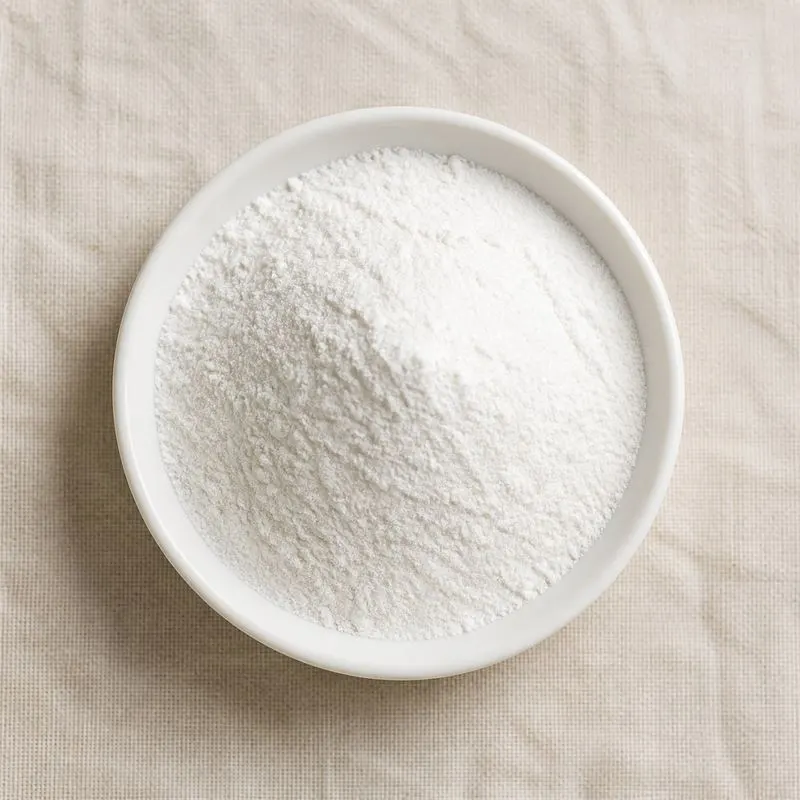
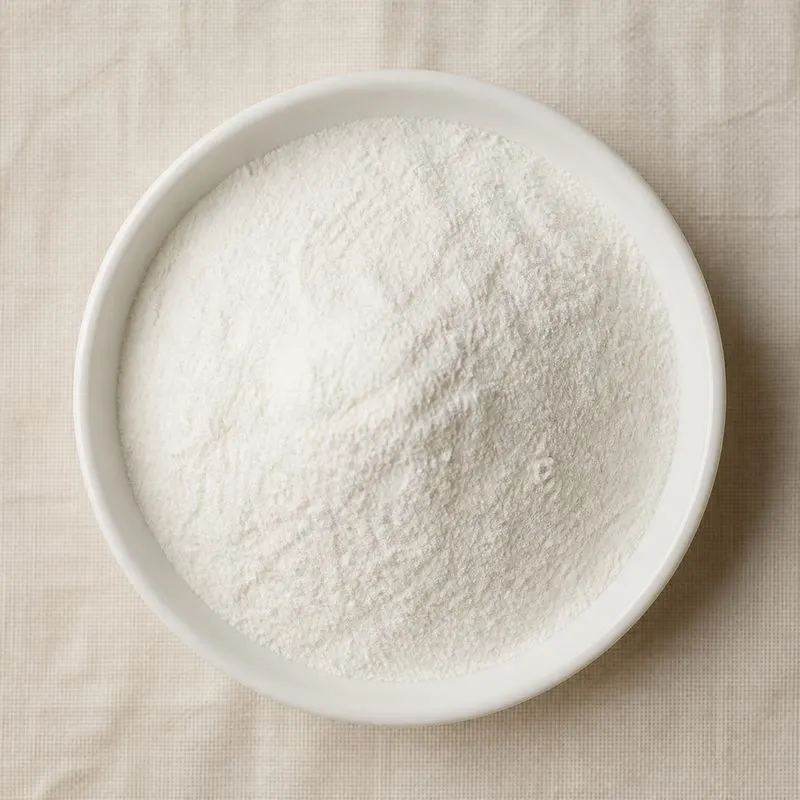
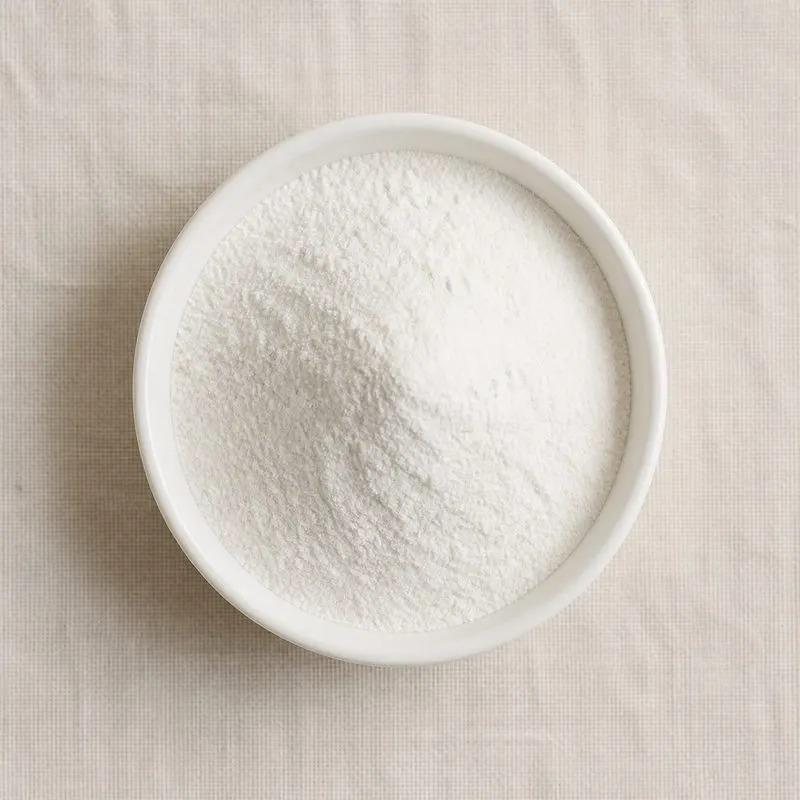
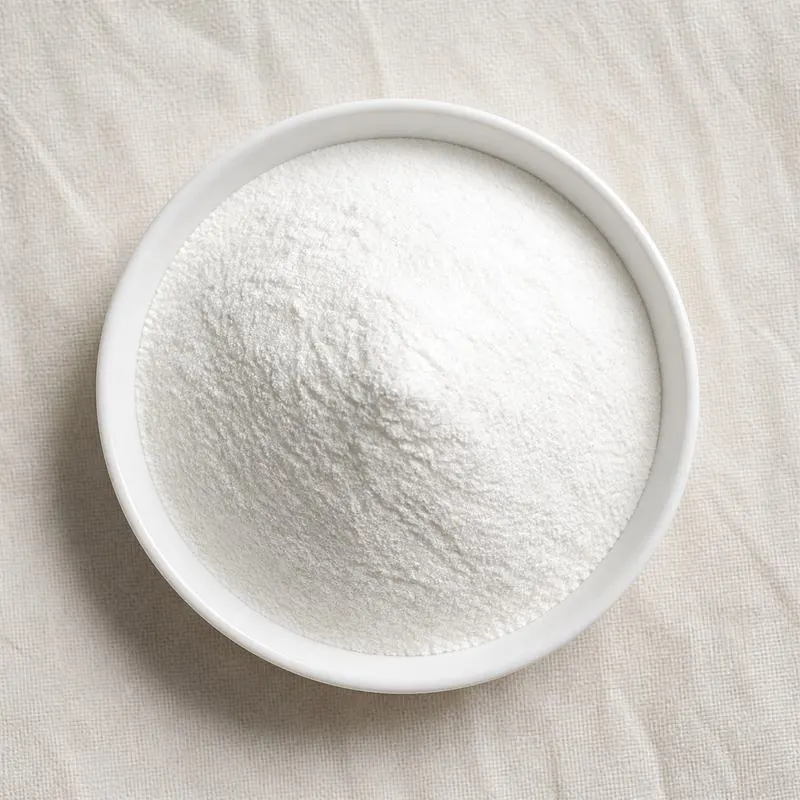
The traded material is an off white to cream lyophilised powder with a faintly fermented odour, dispersible rather than soluble, hygroscopic and oxygen sensitive. It is specified on colony forming units per gram, on strain identity, and on residual moisture and water activity, since those two properties control how quickly the count declines during storage.
We source bulk Animal Bifidobacterium Lyophilized from top China manufacturers for our partners. The manufacturer is in Guangdong. A smaller requirement can ship in a combined container with other ingredients.
Please send the grade you need, the volume and your destination port, and we will come back with a solution and a price.
or call +86-21-6858 0751
- Function
- Probiotic
Specifications
| Item | Specification |
|---|---|
| Appearance | Off white to cream free flowing lyophilised powder |
| Odour | Faintly fermented, free from foreign odour |
| Viable Count at Release | Not less than declared potency including shelf life overage |
| Identification | Bifidobacterium animalis subspecies lactis confirmed by whole genome sequencing |
| Purity | No contaminating organisms detected on selective plating |
| Loss on Drying | Not more than 4.0 percent |
| Water Activity | Not more than 0.20 |
| Particle Size | Not less than 95 percent through 60 mesh |
| Lead | Not more than 1 mg/kg |
| Arsenic | Not more than 1 mg/kg |
| Cadmium | Not more than 0.5 mg/kg |
| Coliforms | Not more than 10 cfu/g |
| Yeast and Mould | Not more than 100 cfu/g |
| Escherichia coli | Absent in 10 g |
| Salmonella | Absent in 25 g |
| Staphylococcus aureus | Absent in 10 g |
Common Markets Grades
Grades are defined first by potency and by whether the material is a concentrate or a standardised powder. Concentrates carry counts in the hundreds of billions of colony forming units per gram for dilution by the formulator, while standardised grades have been diluted onto maltodextrin or a similar carrier to a fixed count. Release counts include an overage above label claim, sized from stability data so that the declaration is still met at the end of shelf life.
The second axis is strain and documentation. Material is sold against a specific strain deposit number rather than as the species alone, because the published evidence attaches to individual strains and because purchasers of finished product specifications expect the deposit reference. The third is protection and composition: uncoated powder for capsules and refrigerated products, microencapsulated grades specified on survival through a defined gastric challenge for beverages and confectionery, and dairy free grades that avoid skim milk solids in the cryoprotectant for allergen and vegan reasons. Grades qualified for infant and follow on formula carry additional controls on the production environment and on the raw materials used in fermentation.
Applications
- Yoghurt and fermented milks, where it is added alongside the starter culture and survives to the end of refrigerated shelf life
- Probiotic supplements in capsule, tablet and sachet form, alone or blended with lactobacilli
- Infant and follow on formula, where a bifidobacterium is added to move the gut flora towards that of a breastfed infant
- Fermented and non fermented milk drinks, where acid tolerance determines survival through the shelf life
- Digestive health products positioned on transit time and stool regularity
- Immune support formulations, where specific strains carry the supporting evidence
- Nutritional and meal replacement powders, where it is one component of a dry blend
- Chocolate and fat based confectionery, where the absence of free water gives good survival
- Plant based fermented products, where it supplies the bifidobacterium consumers expect from a dairy equivalent
- Animal feed and pet supplements, where robustness through processing is the deciding property
Brands Using Animal Bifidobacterium Lyophilized
Widely-distributed consumer products that list Animal Bifidobacterium Lyophilized on the ingredient label.
Brand names, product names and logos are the property of their owners. They appear here as published evidence that the ingredient is used, taken from the brand's own label or website. Their appearance is not an endorsement, and it does not mean the brand buys from us or from any manufacturer listed on this site.
China Manufacturers of Animal Bifidobacterium Lyophilized
Top Animal Bifidobacterium Lyophilized manufacturers in China.
Company names and logos are the property of the manufacturers themselves. They are listed here because our own directory records them as producing this ingredient. A listing is not an endorsement by them, and we do not represent them or speak on their behalf.
Regulatory Status
In the United States Bifidobacterium animalis subspecies lactis strains are used as dietary ingredients in supplements and as food ingredients. The usual route for food use is a determination that the specific strain and preparation are generally recognised as safe, and several strains have been the subject of notifications to which the Food and Drug Administration has responded without objection. Addition to infant formula is handled within the framework governing formula composition and manufacturer notification. Claims are limited to structure and function statements with the required disclaimer, and milk derived cryoprotectants trigger a milk allergen declaration.
In the European Union Bifidobacterium animalis holds qualified presumption of safety status in the assessments of the European Food Safety Authority, reflecting an established history of use in fermented milks, so a preparation of the species does not require novel food authorisation for conventional food use. The term probiotic is treated as an implied health claim and cannot generally be used on labels, since no probiotic health claim has been authorised, although several member states permit it as a category description nationally. Use in infant formula is governed by the delegated regulation on infant and follow on formula. Strains used in animal feed require authorisation under the feed additives regulation. Internationally, the joint guidelines of the Food and Agriculture Organisation and the World Health Organisation set the expectations for strain identification, characterisation and labelling, including declaration of the viable count through shelf life.
Manufacturing Process
A vial from the master cell bank is expanded through shake flask and seed fermenter stages into a production fermenter charged with a medium of carbohydrate, a nitrogen source such as yeast extract or a protein hydrolysate, and mineral salts, often supplemented with a growth factor fraction, since bifidobacteria are nutritionally demanding. The fermentation is anaerobic, with the headspace held under nitrogen or carbon dioxide, and pH is controlled by continuous alkali addition because the acetate and lactate produced would otherwise stop growth well short of the achievable cell density. Harvest is timed for robustness as much as for yield, since cells taken in the stationary phase generally survive drying better than cells in rapid growth.
The broth is concentrated by centrifugation or microfiltration to remove spent medium, and the concentrate is blended with a cryoprotectant system, typically sucrose, trehalose, skim milk solids or a combination, and allowed to equilibrate. The suspension is frozen at a controlled rate, either on trays or as pellets in liquid nitrogen, and lyophilised in two stages. Primary drying removes frozen water by sublimation under deep vacuum, and secondary drying desorbs bound water to bring residual moisture down to a low single figure percentage. The cake is milled in a low humidity room, assayed for viable count and water activity, blended with carrier to the declared potency, and filled into aluminium foil laminate under nitrogen. Product is stored and shipped refrigerated, and stability trials at several temperatures support both the overage and the declared shelf life.