Antarctic Krill Peptide
Antarctic Krill Peptide is a low molecular weight protein hydrolysate produced from Euphausia superba, the small pelagic crustacean that forms one of the largest single-species biomasses in the Southern Ocean.
The ingredient is distinct from krill oil. It captures the water-soluble protein fraction of the animal, leaving most of the phospholipid and astaxanthin behind for separate processing.
We source bulk Antarctic Krill Peptide from top China manufacturers for our partners. The manufacturer is in Shandong. A smaller requirement can ship in a combined container with other ingredients.
Please send the grade you need, the volume and your destination port, and we will come back with a solution and a price.
or call +86-21-6858 0751
- Packaging
- 190 kg steel drum or 25 kg jerrican
- ISO 9001
- HACCP
- Halal
- Kosher
Specifications
Grades / Types Available: Food Grade, Feed Grade
| Item | Specification |
|---|---|
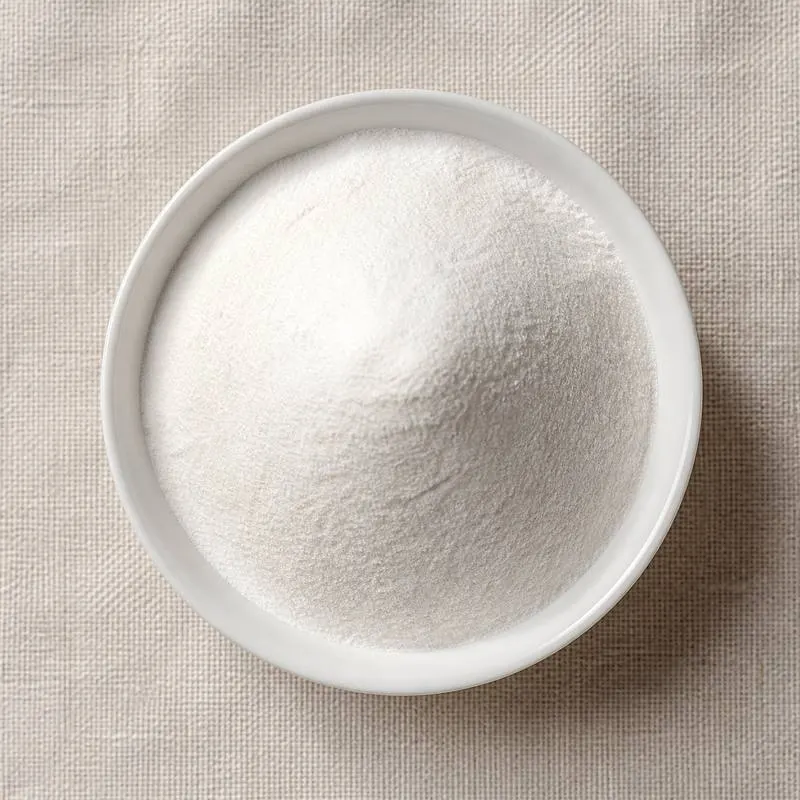
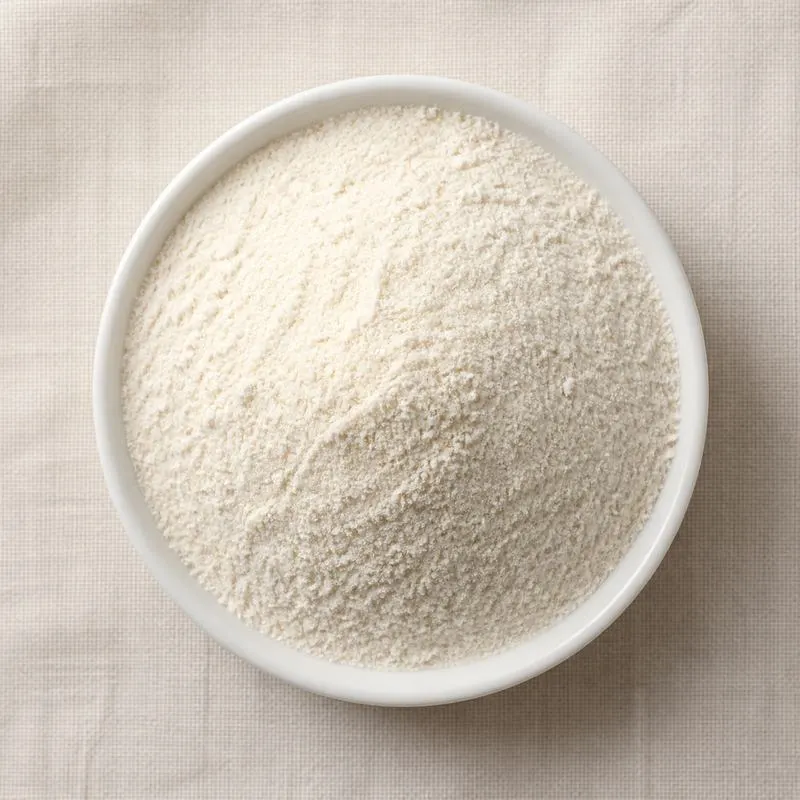
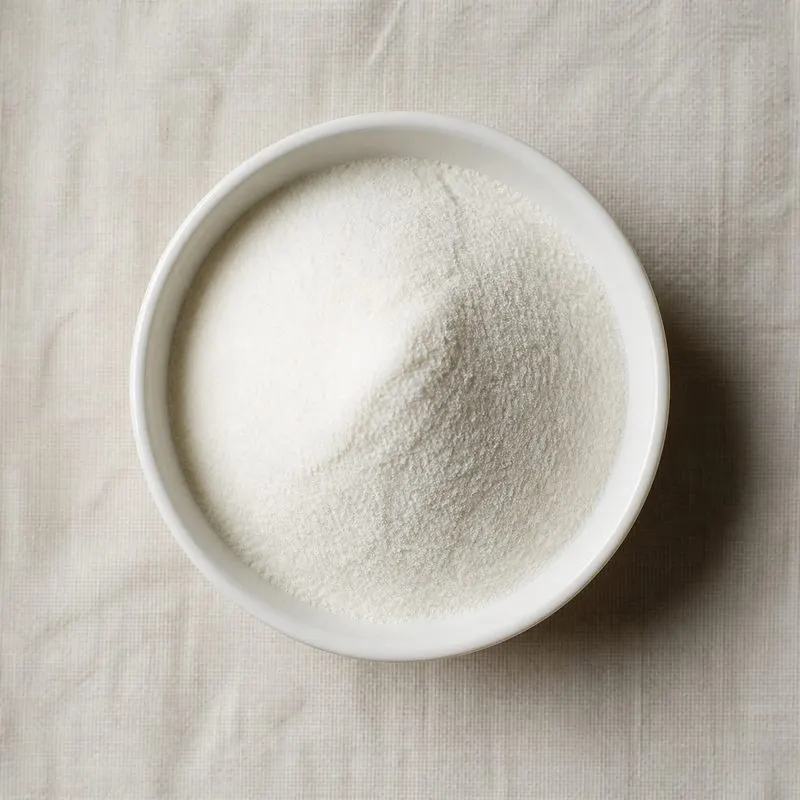
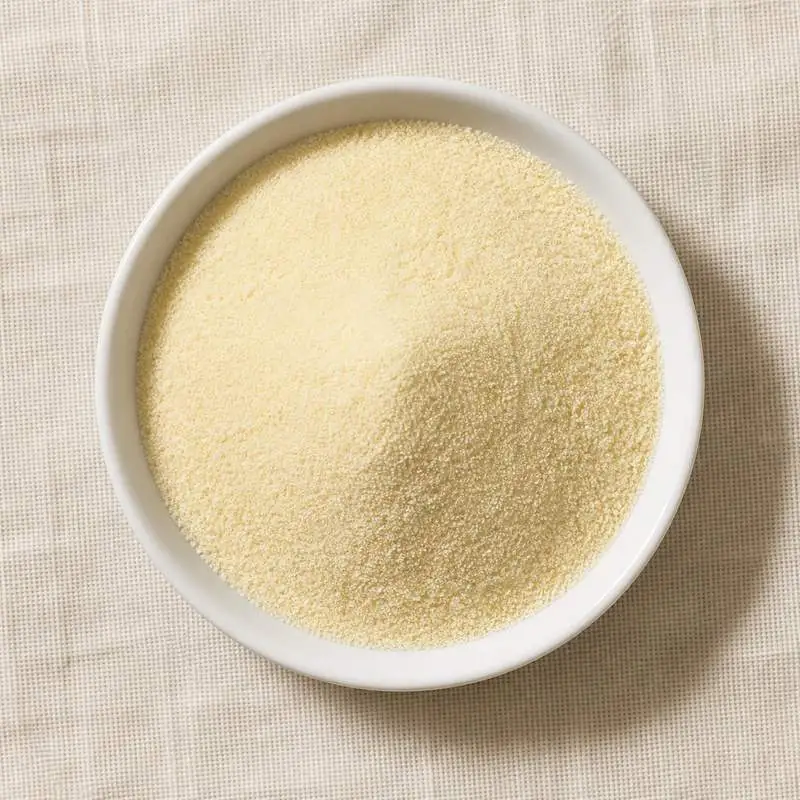
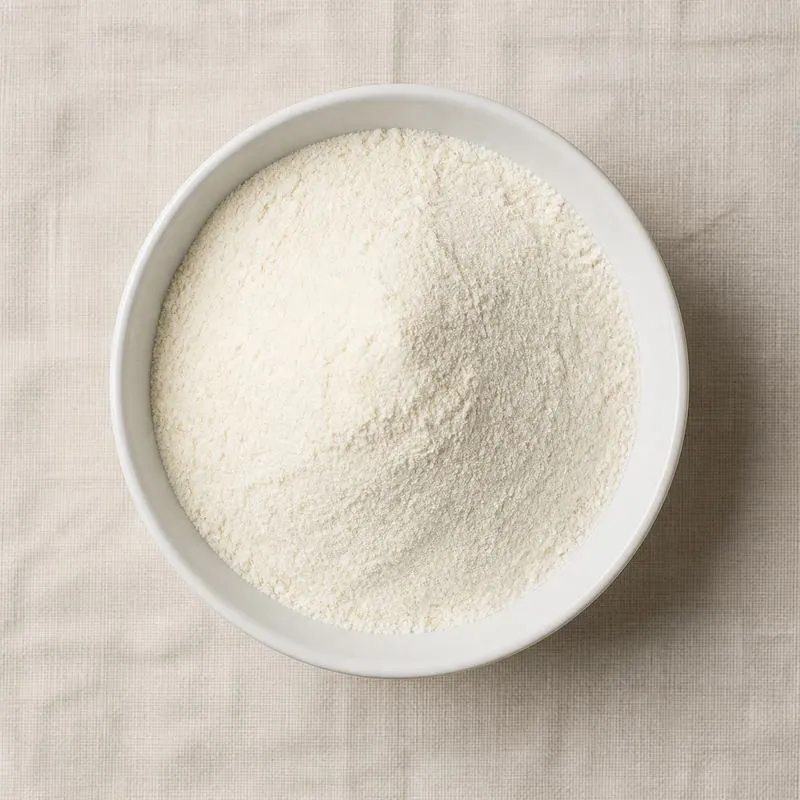
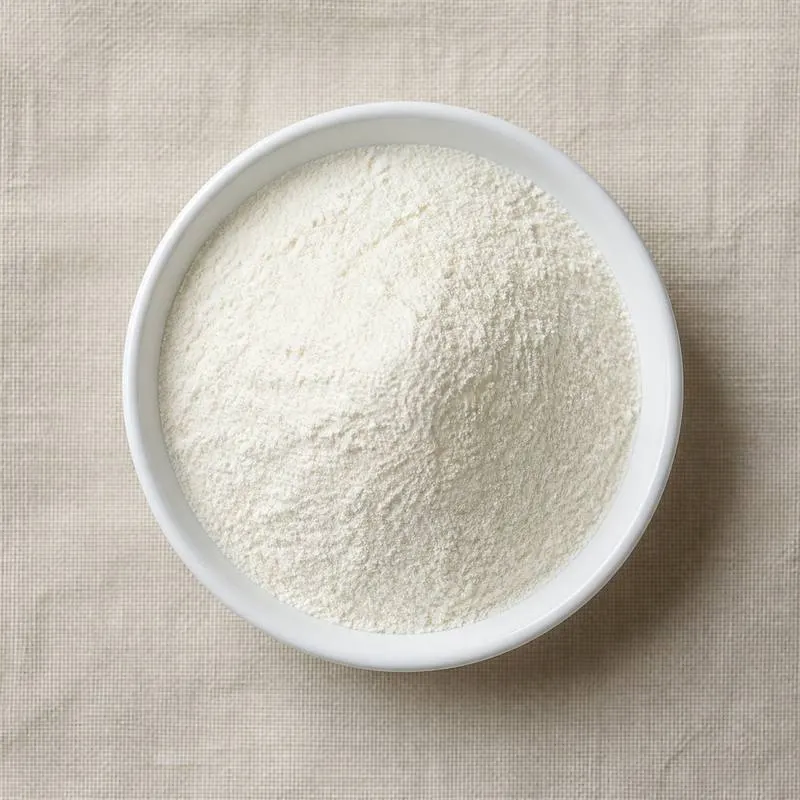
| Appearance | Light yellow to brown fine powder |
| Protein (dry basis) | ≥ 75% |
| Molecular Weight ≤ 1000 Da | ≥ 80% |
| Moisture | ≤ 7.0% |
| Ash | ≤ 10% |
| Heavy Metals (as Pb) | ≤ 1.0 mg/kg |
| Total Plate Count | ≤ 10,000 cfu/g |
| Salmonella | Absent in 25g |
| Average Molecular Weight (Da) | ≤1000 |
| Peptide content (%) | ≥80 |
| Protein content (%) | ≥90 |
| Insoluble (%) | ≤0.5 |
| Inorganic Arsenic (ppm) | ≤0.5 |
| Total Microbial Count (cfu/g) | n=5, c=2, m=104, M=105 |
| Pathogenic bacteria (cfu/g) | Negative |
Common Markets Grades
Commercial Antarctic Krill Peptide is sorted by protein content, peptide molecular weight, and fluoride level.
Standard food grade typically delivers 80 to 90 percent crude protein on a dry basis, with the bulk of peptides between 500 and 3000 Daltons. Fluoride content is the key purity parameter because krill exoskeleton concentrates fluoride, which must be removed during processing.
Premium oligopeptide grade is hydrolysed and filtered to push average molecular weight below 1000 Daltons, with fluoride pulled below 100 ppm to meet supplement and infant nutrition specifications.
Some suppliers also offer a defatted krill protein concentrate that sits between unhydrolysed krill meal and a true peptide, intended for sports nutrition and aquaculture feed rather than oral liquid use.
Applications
- Sports nutrition powders and ready-to-drink shakes seeking an alternative marine protein source
- Capsule and tablet supplements positioned around recovery and joint comfort
- Functional beverages including marine collagen and electrolyte blends
- Clinical and elderly nutrition where a low molecular weight, easily absorbed protein is preferred
- Aquaculture feed for salmonids, shrimp larvae, and ornamental fish, where krill peptides function as an attractant and digestible nitrogen source
- Pet food toppers and dental treats for cats and dogs
- Cosmetic essences positioned on marine and polar biotech themes
- Savoury seasonings and bouillon cubes seeking a clean marine umami
- Soup bases for instant noodle and frozen seafood products
- Functional confectionery such as marine collagen jellies blended with krill peptide
- Ingredients in hangover-recovery shots in the Asian functional drink segment
Brands Using Antarctic Krill Peptide
Widely-distributed consumer products that list Antarctic Krill Peptide on the ingredient label.
- Schiff MegaRedMegaRed Omega-3 Superior Krill Oil Softgels (350 mg) ↗Once-daily softgel using Antarctic krill oil that delivers omega-3 EPA/DHA bound to phospholipids plus naturally occurring astaxanthin and krill peptides for heart-health support.Label verified 2026-05-24
- Schiff MegaRedMegaRed Advanced 4-in-1 Omega-3 Fish & Krill Oil (900 mg) ↗Combination fish-oil + Antarctic krill-oil softgel formulated for heart, brain, joint and eye support; krill component supplies phospholipid-bound omega-3s and krill-derived peptides/astaxanthin.Label verified 2026-05-24
Brand names, product names and logos are the property of their owners. They appear here as published evidence that the ingredient is used, taken from the brand's own label or website. Their appearance is not an endorsement, and it does not mean the brand buys from us or from any manufacturer listed on this site.
China Manufacturers of Antarctic Krill Peptide
Top Antarctic Krill Peptide manufacturers in China.

Company names and logos are the property of the manufacturers themselves. They are listed here because our own directory records them as producing this ingredient. A listing is not an endorsement by them, and we do not represent them or speak on their behalf.
How We Help Source Antarctic Krill Peptide
Direct Factory Sourcing
We run the whole process: selecting the manufacturer from the top Chinese food ingredient producers, negotiating the price, verifying quality, and coordinating the logistics. You deal with us instead of with several factories at once.
Original Packaging and Documents from the Manufacturer
The manufacturer sends your Antarctic Krill Peptide out of its own factory in the original packing, through to your destination port. The COA, COO, MSDS, TDS and any certifications reach you from the manufacturer as well.
Free Samples and Lead Time
We send 100 to 500 g free for your own laboratory to test and you cover only the courier, usually within 2 to 3 working days. ETD is usually within 7 to 15 days once the order is confirmed, and we check that date against the factory's own manufacturing schedule before we give it to you.
Combined Shipment
We can load Antarctic Krill Peptide together with other ingredients such as Collagen Peptide, Soy Protein Isolate and Fish Collagen Peptide into one 20' FCL. If your quantity is small, we can also ship LCL.
Regulatory Status
Harvest of Antarctic krill is governed by the Commission for the Conservation of Antarctic Marine Living Resources (CCAMLR), the multilateral body that sets precautionary catch limits across the FAO 48 fishing area.
The overall catch trigger level has remained at 620,000 tonnes per year for the main fishery, well below the precautionary biological limit of 5.6 million tonnes. Individual statistical subareas carry their own thresholds.
Marine Stewardship Council (MSC) certification is held by several major krill operators, including Aker BioMarine and the Chinese state operator CNFC, and is the dominant third-party sustainability mark used in the category.
As a food ingredient, krill peptide is generally accepted in China, Japan, and South Korea under normal food provisions. In the European Union, hydrolysates from Euphausia superba outside of established food uses may require novel food authorisation depending on processing and intended use.
The United States accepts krill peptide as a food ingredient with documented self-affirmed GRAS, subject to FDA seafood HACCP rules. Crustacean allergen labelling is mandatory in essentially every regulated market.
Manufacturing Process
Production starts at sea. Antarctic krill spoils rapidly because it carries highly active autolytic enzymes, so operators hydrolyse or stabilise the catch within hours of harvest aboard factory vessels.
The whole krill is cooked, pressed, and either ground into a stickwater-and-cake slurry or taken directly into enzymatic hydrolysis with alcalase, neutrase, or trypsin-family enzymes. The hydrolysate is separated from shell and lipid, then heat-inactivated.
Defluoridation is a step specific to krill peptide processing. The chitinous shell concentrates fluoride at levels of several hundred to over a thousand ppm. It is removed by chitin separation through sieving and centrifugation, by ion exchange, or by selective adsorption on calcium phosphate or alumina.
The clarified peptide stream is concentrated and spray-dried at land-based facilities, typically in China, Norway, or Chile. Total time from catch to dried peptide is usually under three weeks.