Vitamin A
Vitamin A is a fat-soluble essential nutrient used in food, supplement, pharmaceutical, feed, and cosmetic formulations as retinyl acetate or retinyl palmitate.
The two ester forms carry CAS numbers 127-47-9 and 79-81-2 respectively, and both hydrolyse in the gut to free retinol. Activity is expressed in retinol activity equivalents (RAE) or international units, with 1 IU equal to 0.3 µg of retinol.
We source bulk Vitamin A from top China manufacturers for our partners, working with several of them. The manufacturers are in Zhejiang and Jiangxi. For this ingredient the minimum order is 500 kg and a 20-foot container takes 10 MT, and a smaller requirement can ship in a combined container with other ingredients.
Please send the grade you need, the volume and your destination port, and we will come back with a solution and a price.
or call +86-21-6858 0751
- Minimum order
- 500 kg
- Qty in 20' FCL
- 10 MT
- Packaging
- 190 kg steel drum or 25 kg jerrican
- ISO 9001
- HACCP
- Halal
- Kosher
Specifications
| Item | Specification |
|---|---|
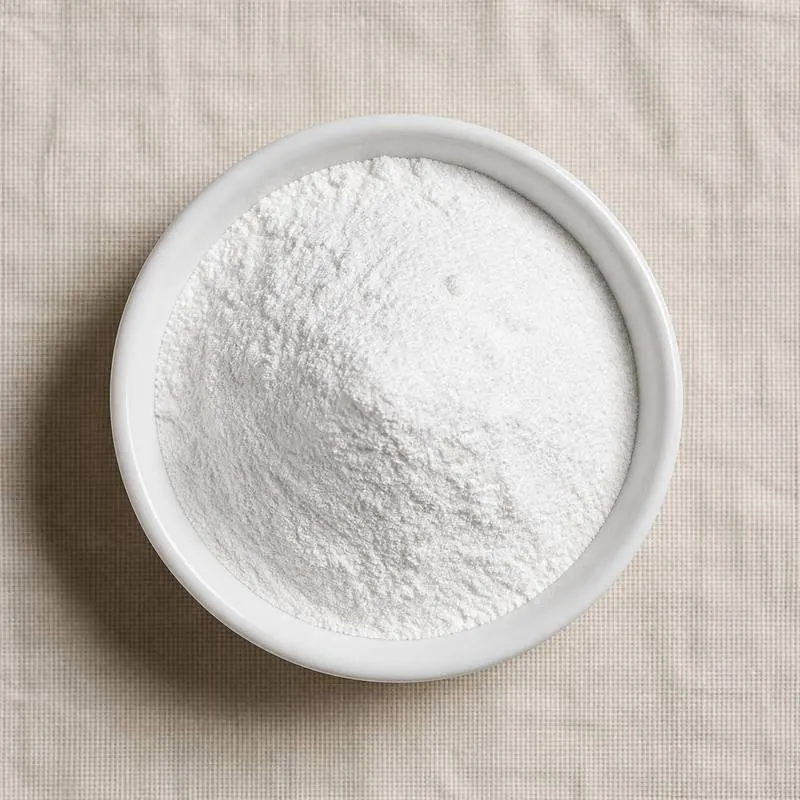
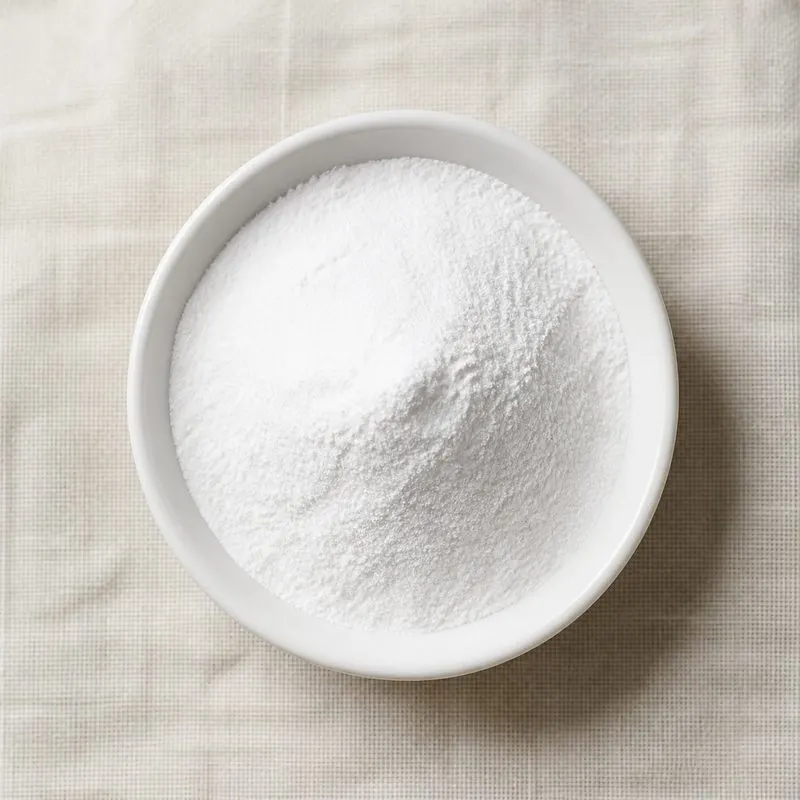
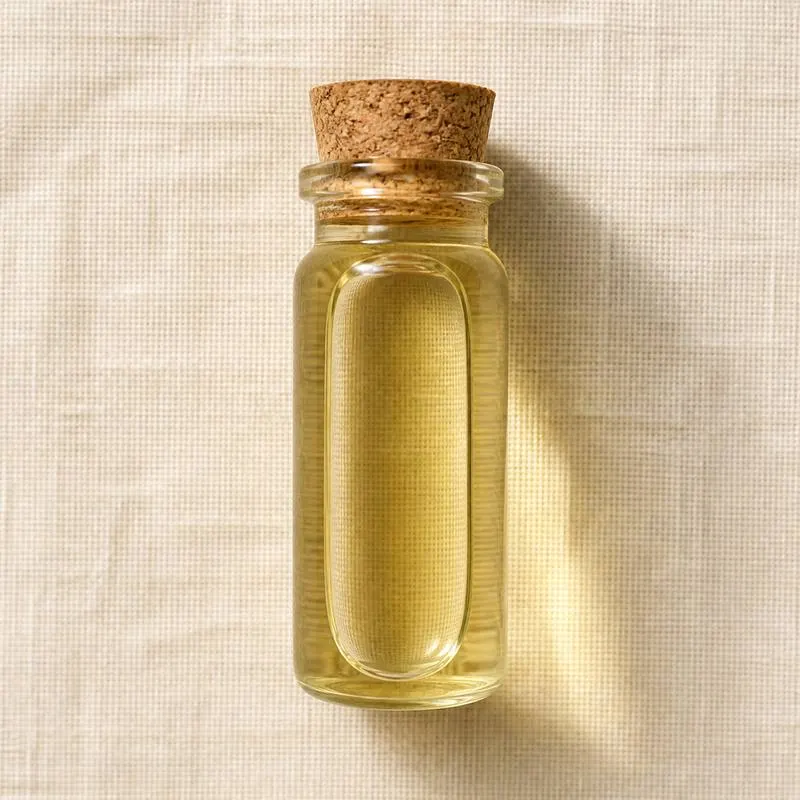
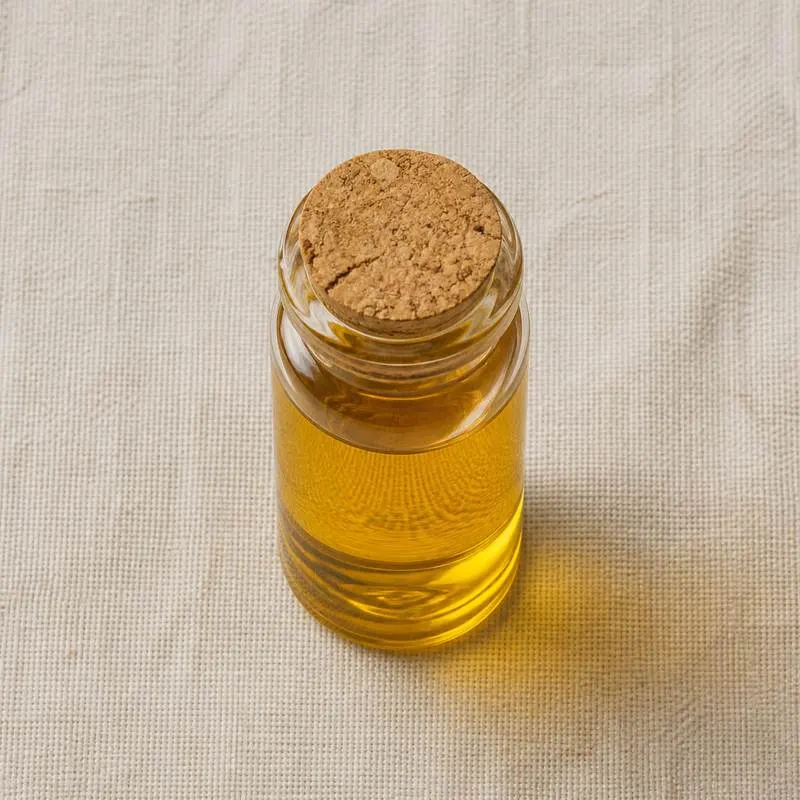
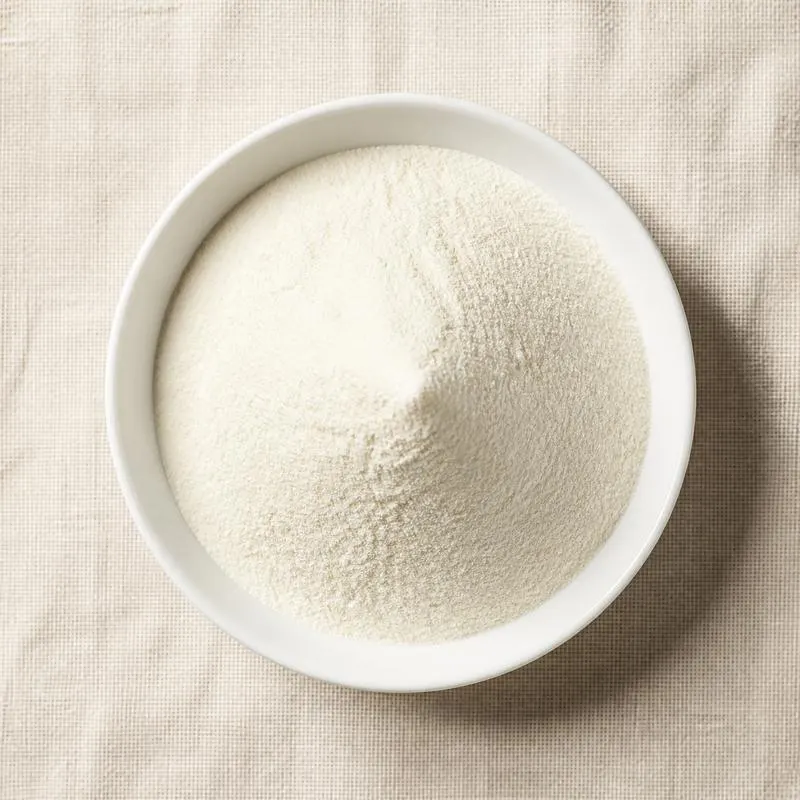
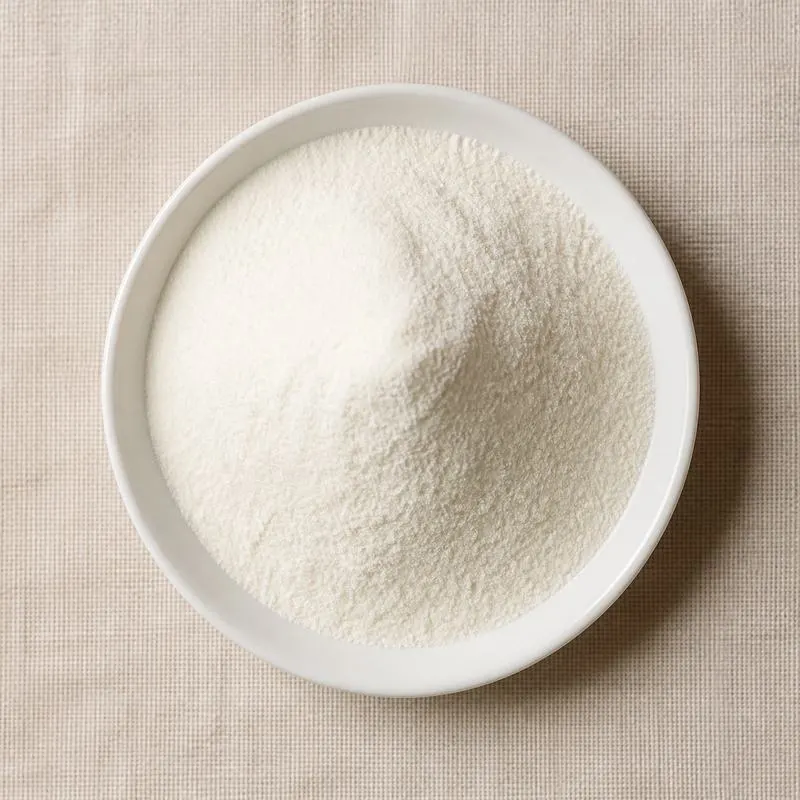
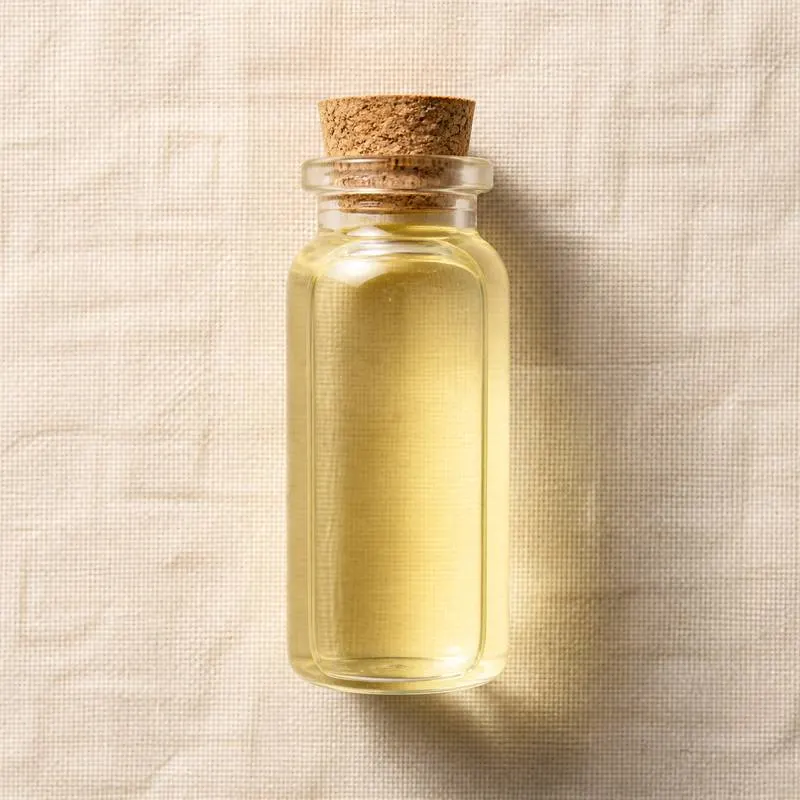
| Appearance | Pale yellow to amber liquid (oil) or yellow to brown powder (CWS) |
| Potency (IU/g) | 1,000,000 to 3,000,000 (oil) / 250,000 to 500,000 (CWS) |
| Specific rotation (oil) | +62° to +72° |
| Acid value | ≤ 2.0 |
| Peroxide value | ≤ 10 meq/kg |
| Heavy metals (as Pb) | ≤ 10 mg/kg |
| Arsenic | ≤ 3 mg/kg |
| Loss on drying (CWS) | ≤ 8.0% |
| Available forms | Oil (Acetate, Palmitate), 250 CWS, 500 CWS, microencapsulated |
Common Markets Grades
Vitamin A esters come in oil formats and dry formats, keyed to the application.
Retinyl palmitate is the more lipid-compatible ester and comes as a neat oil at 1.0 to 1.7 million IU per gram, diluted in refined vegetable oil for direct fortification of dairy fat, margarine, and infant formula oil blends.
Retinyl acetate is the standard ester for tableting and dry blends. It takes the form of cross-linked gelatin or modified starch beadlets at 250, 325, 500, and 1000 thousand IU per gram, with antioxidant systems based on tocopherol, ascorbyl palmitate, and BHT.
Cold-water-dispersible beadlets and spray-dried emulsions are used for clear beverage fortification and for water-based pharmaceutical syrups. Pharmacopoeia grades meeting USP and Ph. Eur. monographs are produced for parenteral and ophthalmic use.
Applications
- Fortification of margarine, butter substitutes, and edible oils
- Milk, skim milk powder, and infant formula at regulated mandatory levels in many countries
- Breakfast cereals, flour, and other staple food vehicles
- Multivitamin tablets, softgels, and chewables
- Pediatric drops and high-dose deficiency-treatment capsules
- Pharmaceutical preparations for keratinization disorders and night-blindness therapy
- Topical creams and serums for skin renewal and photoaging support
- Sunscreen and colour cosmetic bases as a stabilised antioxidant active
- Livestock and poultry feed premixes for growth, reproduction, and disease resistance
- Aquaculture diets for finfish and shrimp larviculture
- Pet food and companion-animal supplements
- Clinical and enteral nutrition products
Brands Using Vitamin A
Widely-distributed consumer products that list Vitamin A on the ingredient label.
- Enfamil (Mead Johnson)Enfamil NeuroPro Infant Formula ↗Enfamil NeuroPro Infant Formula's official ingredient panel lists Vitamin A Palmitate (retinyl palmitate) among the fat-soluble vitamins fortifying this routine infant formula for 0-12 months.Label verified 2026-05-24
- Similac (Abbott Nutrition)Similac Advance Infant Formula Powder ↗Similac Advance Infant Formula Powder lists Vitamin A Palmitate (retinyl palmitate) on its ingredient panel as the fortifying form of vitamin A for routine term-infant nutrition.Label verified 2026-05-24
- One A Day (Bayer)One A Day Women's Multivitamin Tablets ↗One A Day Women's Multivitamin lists Vitamin A Acetate (retinyl acetate) along with Beta-Carotene on its inactive ingredients panel to deliver the labelled Vitamin A in this mass-market women's multi.Label verified 2026-05-24
- Paula's ChoiceClinical 1% Retinol Treatment ↗Paula's Choice Clinical 1% Retinol Treatment is built around 1% pure Retinol (vitamin A) combined with peptides, vitamin C and licorice extract, a benchmark anti-aging retinol serum.Label verified 2026-05-24
- Garden of LifeVitamin Code RAW Vitamin E (with Vitamin A as beta-carotene) ↗Garden of Life Vitamin Code RAW Vitamin E supplement includes Vitamin A (900 mcg as beta-carotene) sourced from raw food cofactors, alongside the mixed tocopherol/tocotrienol vitamin E complex.Label verified 2026-05-24
- Carlson LabsVitamins A & D 25,000 IU + 1,000 IU softgels ↗Carlson Labs' Vitamins A & D softgel supplies 25,000 IU (7,500 mcg RAE) Vitamin A (as retinyl palmitate from fish liver oil) per softgel, a long-standing high-potency vitamin A supplement.Label verified 2026-05-24
Brand names, product names and logos are the property of their owners. They appear here as published evidence that the ingredient is used, taken from the brand's own label or website. Their appearance is not an endorsement, and it does not mean the brand buys from us or from any manufacturer listed on this site.
China Manufacturers of Vitamin A
Top Vitamin A manufacturers in China.
 Jiangxi Tianxin Pharmaceutical Co., Ltd.16 ingredients in the directory
 Zhejiang Tianhecheng Bio-technology Shares Co., Ltd.17 ingredients in the directory
 Zhejiang Wedin Biological Technology Co., Ltd.18 ingredients in the directory
Company names and logos are the property of the manufacturers themselves. They are listed here because our own directory records them as producing this ingredient. A listing is not an endorsement by them, and we do not represent them or speak on their behalf.
How We Help Source Vitamin A
Direct Factory Sourcing
We run the whole process: selecting the manufacturer from the top Chinese food ingredient producers, negotiating the price, verifying quality, and coordinating the logistics. You deal with us instead of with several factories at once.
Original Packaging and Documents from the Manufacturer
The manufacturer sends your Vitamin A out of its own factory in the original packing, through to your destination port. The COA, COO, MSDS, TDS and any certifications reach you from the manufacturer as well.
Free Samples and Lead Time
We send 100 to 500 g free for your own laboratory to test and you cover only the courier, usually within 2 to 3 working days. ETD is usually within 7 to 15 days once the order is confirmed, and we check that date against the factory's own manufacturing schedule before we give it to you.
Combined Shipment
We can load Vitamin A together with other ingredients such as Vitamin C, Vitamin D3 and Vitamin E into one 20' FCL. If your quantity is small, we can also ship LCL.
Regulatory Status
Vitamin A is regulated as both a nutrient and, in some jurisdictions, a medicinal substance at high dose.
The European Union authorises retinol and its esters as a vitamin source under Regulation (EC) No 1925/2006 for fortification and under Directive 2002/46/EC for food supplements. Upper intake levels are set by EFSA at 3000 µg RAE per day for adults.
The U.S. Food and Drug Administration recognises retinyl acetate and retinyl palmitate as GRAS under 21 CFR 184.1930 and 184.1932, and they appear in the FDA Daily Value tables at 900 µg RAE.
Codex Alimentarius lists both esters in the Advisory List of Nutrient Compounds (CAC/GL 10-1979). JECFA has evaluated the substance and emphasised the narrow margin between nutritional adequacy and teratogenic excess in pregnancy.
Pharmacopoeia monographs are published in the USP, Ph. Eur., JP, and BP. Halal and Kosher certifications depend on the choice of gelatin in the beadlet matrix, with fish-gelatin and starch-based vegetarian options widely available.
Manufacturing Process
Industrial vitamin A is made almost exclusively by chemical synthesis from petrochemical feedstocks.
The dominant route is the BASF C15 + C5 process, which couples a C15 phosphonium ylide derived from β-ionone with a C5 aldehyde to build the retinol skeleton in a single Wittig reaction. The product is then esterified with acetic or palmitic acid to give the stable storage form.
The alternative DSM (formerly Hoffmann-La Roche) route follows a C14 + C6 Grignard strategy that converges on the same retinyl acetate intermediate. Both pathways yield material identical to the natural all-trans isomer.
Production is concentrated in a handful of plants in Germany, Switzerland, and China, with the global market periodically disrupted by force-majeure events at any single site. Final formulation into beadlets uses spray-cooling or spray-drying with a gelatin or starch matrix to protect the molecule from oxidation.