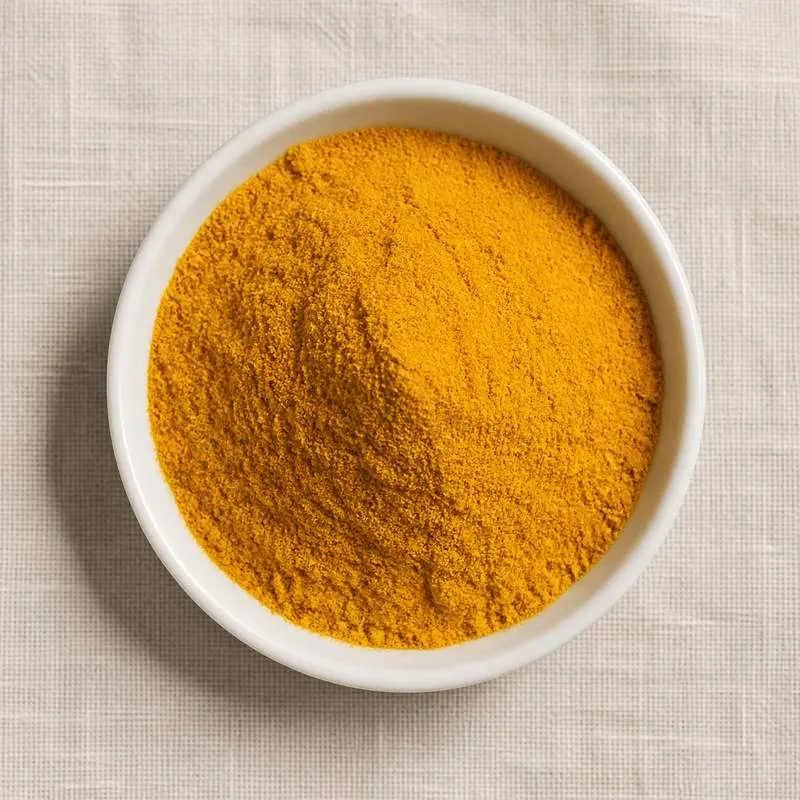
Asian Ginseng Extract
Asian Ginseng Extract is a concentrated preparation made from the dried root of Panax ginseng, the species cultivated for centuries across northeastern China, the Korean peninsula, and far-eastern Russia.
The ginsenoside profile is dominated by Rg1 and Rb1, with Rg1 giving the root its characteristic warming and stimulating reputation in traditional East Asian medicine.
We source bulk Asian Ginseng Extract from top China manufacturers for our partners. The manufacturer is in Tianjin. A smaller requirement can ship in a combined container with other ingredients.
Please send the grade you need, the volume and your destination port, and we will come back with a solution and a price.
or call +86-21-6858 0751
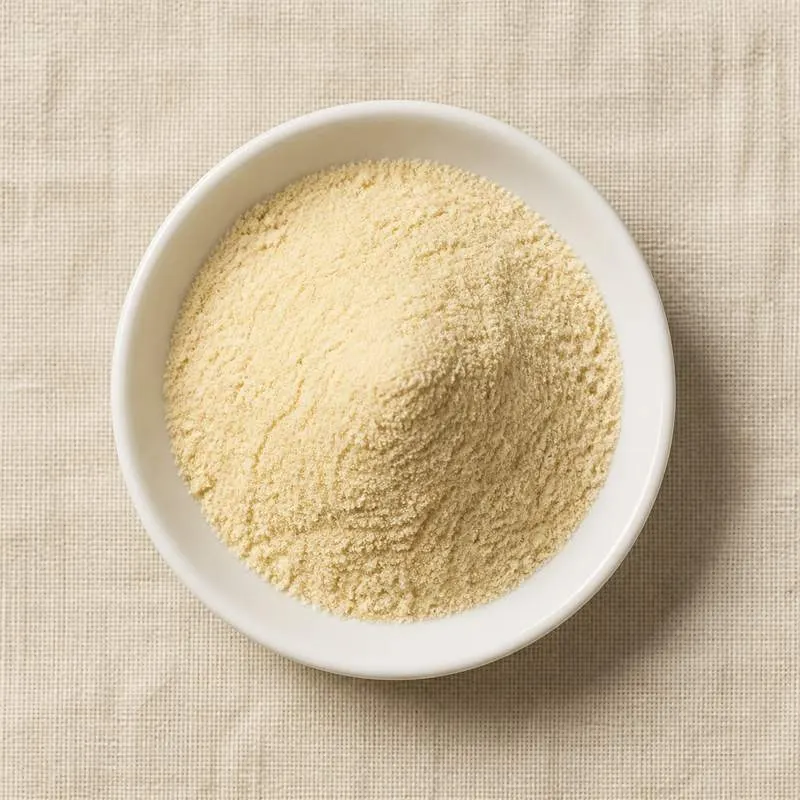
- Packaging
- 25 kg fibre drum with double PE liner
- ISO 9001
- HACCP
- Halal
- Kosher
Specifications
| Item | Specification |
|---|---|
| Appearance | Light brown fine powder |
| Total Ginsenosides | 5–80% (grade-dependent) |
| Moisture | ≤5.0% |
| Ash | ≤5.0% |
| Extraction Solvent | Ethanol / water |
| Ratio (crude:extract) | 4:1 to 20:1 |
| Particle Size (80 mesh) | ≥95% |
| Heavy Metals (as Pb) | ≤2 mg/kg |
| Arsenic | ≤1 mg/kg |
| Pesticide Residues | Complies |
| Total Plate Count | ≤10,000 cfu/g |
| Salmonella | Absent in 25g |
Common Markets Grades
Asian Ginseng Extract is graded by total ginsenoside content determined by HPLC against reference standards.
Standard commercial grades start at 4 percent and 7 percent total ginsenosides for tea and beverage use. The 10, 20, and 30 percent grades are the standard formats for capsules and tablets.
High-potency grades at 50 to 80 percent are produced by macroporous resin enrichment and serve clinical trial supply, high-strength nutraceuticals, and cosmetic actives.
Polysaccharide-standardised grades sit alongside the ginsenoside line, typically at 30 to 50 percent crude polysaccharide for immune-positioned products.
Both white ginseng (sun-dried) and red ginseng (steamed) starting materials are used. White root yields an extract closer to the native ginsenoside profile; red root extract carries elevated Rg3 and other steamed-form markers.
Applications
- Daily-use vitality capsules and tablets targeting energy, stamina, and focus
- Energy shots and pre-workout powders where a warming adaptogen claim is desired
- Functional teas, instant coffees, and bottled tonics in East Asian and global markets
- Men's health formulas combined with maca, tribulus, or epimedium
- Cognitive support and nootropic stacks paired with bacopa or ginkgo
- Immune support gummies and effervescents using polysaccharide grades
- Traditional Chinese medicine compound preparations requiring ren shen
- Korean and Japanese ginseng candies, lozenges, and confectionery
- Liquid soft gels and oily-base capsules for gift-pack positioning
- Skincare creams, essences, and ampoules claiming firming and radiance activity
- Hair tonics and scalp serums in the K-beauty and J-beauty categories
- Pet supplements for senior dogs targeting vitality and mobility
Brands Using Asian Ginseng Extract
Widely-distributed consumer products that list Asian Ginseng Extract on the ingredient label.
- Nature's WayAsian Ginseng (Panax ginseng) Capsules ↗Panax ginseng root capsules supplying 1,120 mg per two-capsule serving.Label verified 2026-05-24
- Nature's WayAsian Ginseng Standardized Extract ↗Nature's Way Asian Ginseng Standardized Extract is a ginseng root extract standardised for ginsenoside content.Label verified 2026-05-24
- SolgarSFP Korean Ginseng Root Extract Vegetable Capsules ↗Solgar's official Standardized Full Potency Korean (Panax) Ginseng Root Extract product, combining 250 mg standardised extract with 200 mg ginseng powder per capsule.Label verified 2026-05-24
- ILHWAILHWA Pure Concentrated Ginseng Extract (Korean Panax) ↗ILHWA's official US site sells its Pure Concentrated Ginseng Extract paste/tea (30/50/100 g) made from 4-5 year aged Korean Panax ginseng roots using a patented low-temperature extraction.Label verified 2026-05-24
Brand names, product names and logos are the property of their owners. They appear here as published evidence that the ingredient is used, taken from the brand's own label or website. Their appearance is not an endorsement, and it does not mean the brand buys from us or from any manufacturer listed on this site.
China Manufacturers of Asian Ginseng Extract
Top Asian Ginseng Extract manufacturers in China.
Company names and logos are the property of the manufacturers themselves. They are listed here because our own directory records them as producing this ingredient. A listing is not an endorsement by them, and we do not represent them or speak on their behalf.
How We Help Source Asian Ginseng Extract
Direct Factory Sourcing
We run the whole process: selecting the manufacturer from the top Chinese food ingredient producers, negotiating the price, verifying quality, and coordinating the logistics. You deal with us instead of with several factories at once.
Original Packaging and Documents from the Manufacturer
The manufacturer sends your Asian Ginseng Extract out of its own factory in the original packing, through to your destination port. The COA, COO, MSDS, TDS and any certifications reach you from the manufacturer as well.
Free Samples and Lead Time
We send 100 to 500 g free for your own laboratory to test and you cover only the courier, usually within 2 to 3 working days. ETD is usually within 7 to 15 days once the order is confirmed, and we check that date against the factory's own manufacturing schedule before we give it to you.
Combined Shipment
We can load Asian Ginseng Extract together with other ingredients such as Astaxanthin, Dehydrated Garlic and Lutein into one 20' FCL. If your quantity is small, we can also ship LCL.
Regulatory Status
Asian Ginseng Extract is regulated as a dietary ingredient in the United States under DSHEA and as a Natural Health Product in Canada, with Health Canada monographs covering stress, cognitive function, and immune support.
The European Medicines Agency lists Panax ginseng root in its herbal monographs as a traditional herbal medicinal product for temporary tiredness and weakness.
In Korea, red ginseng is classified as a functional food ingredient under the Ministry of Food and Drug Safety, with approved claims for fatigue improvement, immune support, memory improvement, blood circulation, and antioxidant activity.
The China Pharmacopoeia carries monographs for both white and red ginseng, specifying minimum content of Rg1, Re, and Rb1.
Kosher and Halal certifications exist from major producers when extraction uses food-grade ethanol and the carrier matrix is free of animal-derived ingredients.
Manufacturing Process
Roots are harvested after four to six years of cultivation under raised wooden shade structures. The largest production regions are Jilin province in China, Geumsan and Punggi in Korea, and Primorye in Russia.
Fresh root is washed, sorted, and either sun-dried to produce white ginseng or steamed and dried to produce red ginseng. The dried root is milled to a coarse powder ahead of extraction.
Extraction uses ethanol-water mixtures at 50 to 75 percent ethanol with multi-stage countercurrent reflux. The extract solution is filtered, vacuum-concentrated, and either spray-dried directly or passed through macroporous resin to enrich the dammarane saponin fraction.
Polysaccharide grades are produced separately by hot-water extraction followed by ethanol precipitation and ultrafiltration to remove low molecular weight sugars and salts.
Quality control relies on HPLC fingerprinting against a panel of ginsenoside reference standards, with species verification by DNA barcoding or pseudoginsenoside F11 testing to rule out adulteration with American ginseng.