Astaxanthin Oil
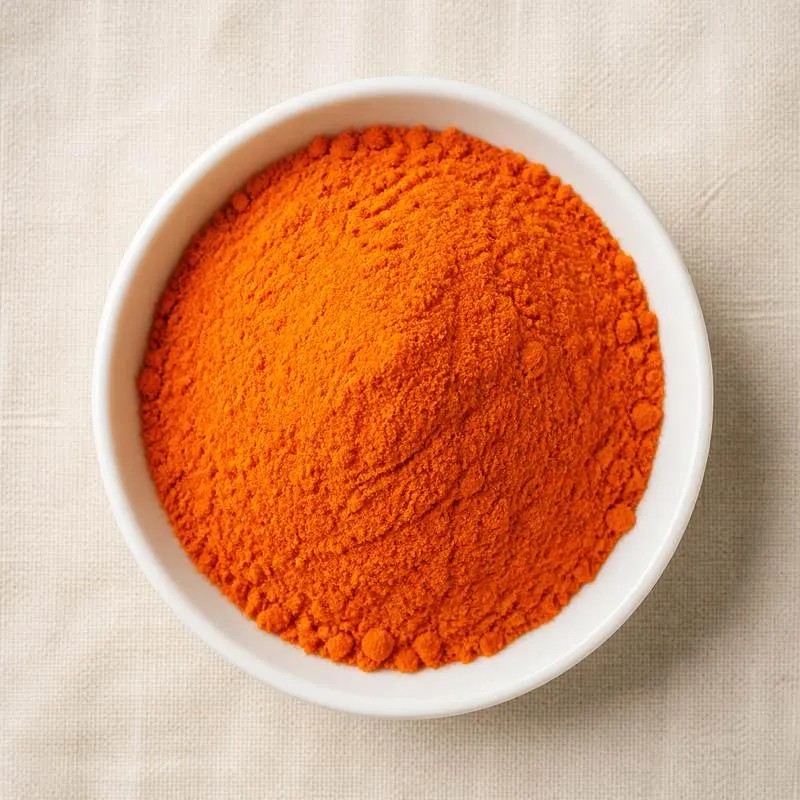
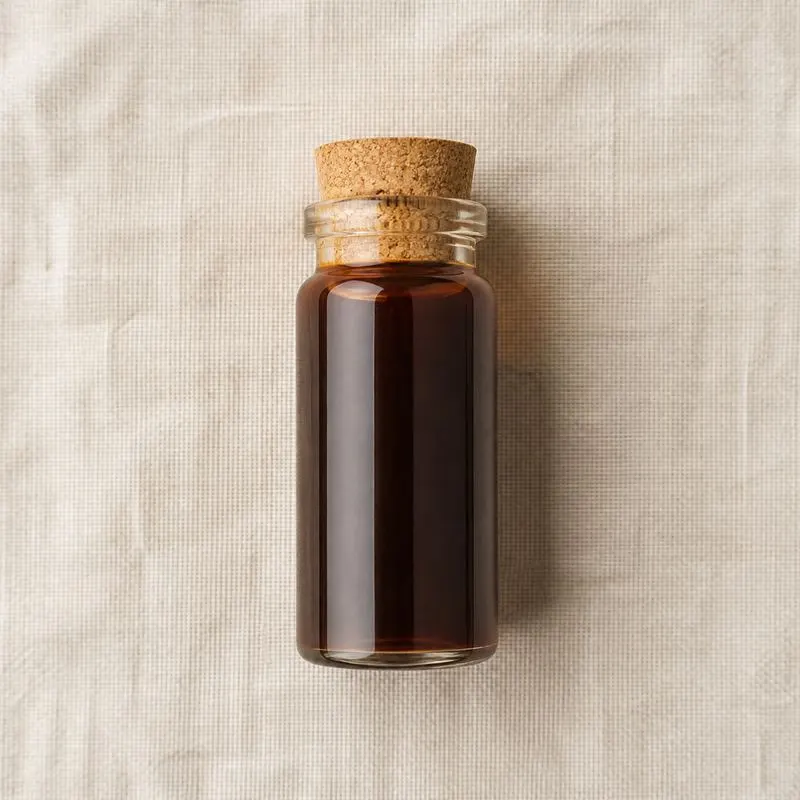
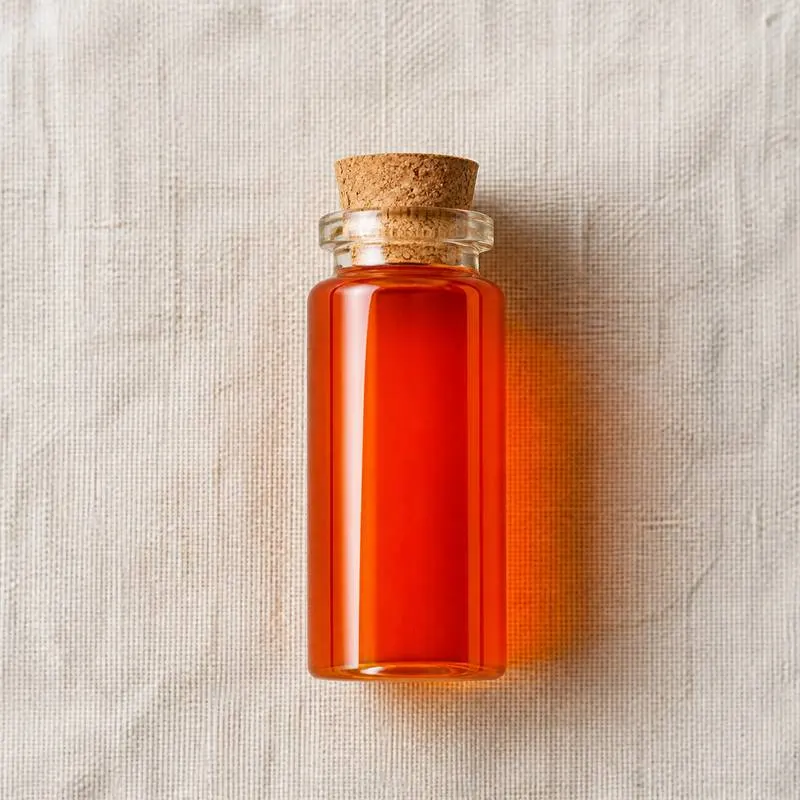
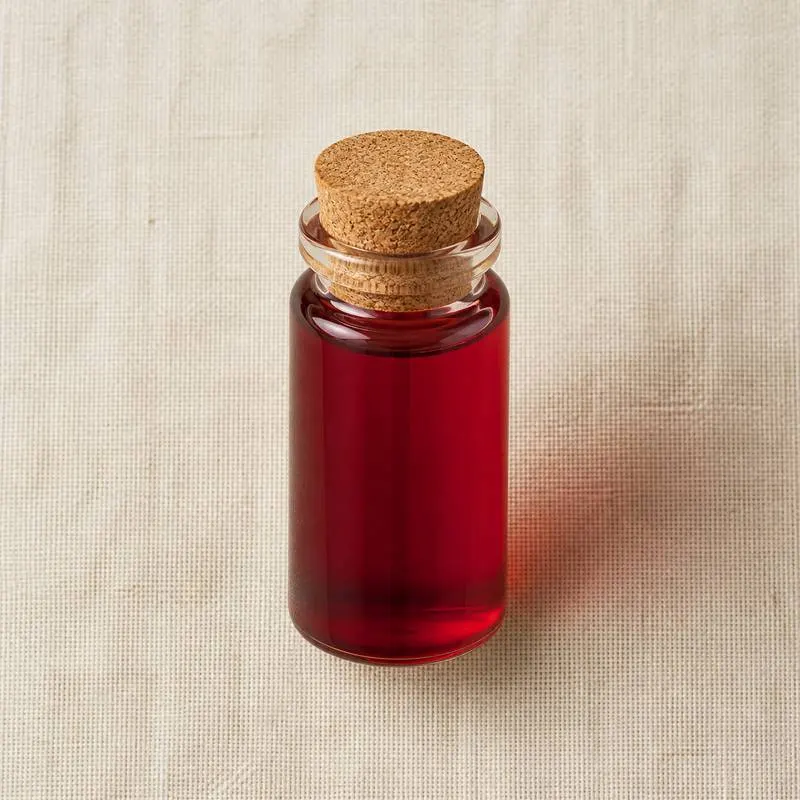
Astaxanthin Oil is a viscous, deep red oleoresin in which natural astaxanthin from the freshwater microalga Haematococcus pluvialis is suspended in a refined vegetable oil carrier. It is the standard format for softgel encapsulation, fat-based foods, and topical formulations where oil-phase delivery of astaxanthin is required.
The active is registered under CAS 472-61-7 with molecular formula C₄₀H₅₂O₄. Natural astaxanthin from Haematococcus is predominantly mono- and di-esterified with fatty acids inside the algal cyst, and these ester forms are retained in the finished oil.
We source bulk Astaxanthin Oil from top China manufacturers for our partners. The manufacturer is in Yunnan. A smaller requirement can ship in a combined container with other ingredients.
Please send the grade you need, the volume and your destination port, and we will come back with a solution and a price.
or call +86-21-6858 0751
- Packaging
- 20 kg fibre drum, light-shielded
- ISO 9001
- HACCP
- Halal
- Kosher
Specifications
| Item | Specification |
|---|---|
| Appearance | Dark red to deep red-brown viscous oil |
| Astaxanthin content (HPLC) | ≥ 5.0% (customizable 5% to 12%) |
| Astaxanthin isomer profile | ≥ 70% all-trans 3S,3'S |
| Oleic acid (carrier, C18:1) | 50% to 75% |
| Linoleic acid (carrier, C18:2) | 10% to 25% |
| Peroxide value | ≤ 5.0 meq/kg |
| Acid value | ≤ 2.0 mg KOH/g |
| Moisture | ≤ 0.2% |
| Heavy metals (as Pb) | ≤ 0.5 mg/kg |
| Arsenic | ≤ 0.5 mg/kg |
| Source | Supercritical CO2 extract of Haematococcus pluvialis in edible oil carrier |
Common Markets Grades
Astaxanthin Oil is graded by total astaxanthin content (free and esterified, calculated as free astaxanthin) and by carrier oil composition.
The mainstream commercial grades carry 5 percent and 10 percent total astaxanthin. The 5 percent grade is the standard choice for softgel filling and supplement formulation, while the 10 percent grade is preferred where capsule size or fill-volume constraints favor higher concentration.
Specialty grades at 2.5 percent and at concentrations above 10 percent (up to 15 to 20 percent in some supercritical-CO₂ extracts) exist for specific applications. Higher concentrations approach the practical solubility limit of astaxanthin esters in vegetable oil at room temperature.
Common carrier oils include high-oleic sunflower, safflower, olive, and MCT (medium-chain triglyceride) oil. Olive-based grades are positioned for premium and Mediterranean-diet brands, while MCT-based grades are used in keto and sports nutrition. Tocopherols and rosemary extract are the usual antioxidants added.
Applications
- Softgel and liquid capsule dietary supplements as a stand-alone or combined with omega-3 oils
- Premium omega-3 fish or algal oil blends where astaxanthin adds both colour and oxidative stability
- Liquid sublingual and dropper supplement formats
- Functional fats and spreads in the nutraceutical category
- Cosmetic serums, facial oils, and anti-aging creams
- Lip balms and colour cosmetics for pink-to-red tinting
- Massage oils and topical formulations
- Pet supplement softgels and liquid drops
- Aquaculture brood-stock feeds where high-purity natural astaxanthin is preferred
- Equine and companion-animal joint-support and performance oils
- Functional confectionery such as oil-filled chocolates and pralines
Brands Using Astaxanthin Oil
Widely-distributed consumer products that list Astaxanthin Oil on the ingredient label.
- Nutrex HawaiiBioAstin Hawaiian Astaxanthin 12mg softgels ↗Nutrex Hawaii BioAstin softgels, 4 mg and 12 mg, carry astaxanthin suspended in safflower oil.Label verified 2026-05-24
- NOW FoodsAstaxanthin 10 mg Extra Strength Softgels (AstaReal) ↗NOW Foods' official Astaxanthin 10mg Extra Strength Softgels product page lists natural AstaReal astaxanthin from Haematococcus pluvialis suspended in an oil-based softgel.Label verified 2026-05-24
- Sports ResearchTriple Strength Astaxanthin 12 mg Softgels ↗An oil-suspension liquid softgel combining Astalif Icelandic astaxanthin, 12 mg per softgel, with cold-pressed organic virgin coconut oil.Label verified 2026-05-24
- SolgarAstaxanthin 10 mg Softgels ↗Oil-suspension softgels supplying 10 mg astaxanthin each.Label verified 2026-05-24
- Life ExtensionAstaxanthin with Phospholipids 4 mg softgels ↗Softgels suspending 4 mg astaxanthin from freshwater green algae in sunflower phospholipids.Label verified 2026-05-24
- Nature MadeAstaxanthin softgels (Nurish) ↗An astaxanthin softgel in Nature Made's Nurish line, supplying the carotenoid in an oil base.Label verified 2026-05-24
Brand names, product names and logos are the property of their owners. They appear here as published evidence that the ingredient is used, taken from the brand's own label or website. Their appearance is not an endorsement, and it does not mean the brand buys from us or from any manufacturer listed on this site.
China Manufacturers of Astaxanthin Oil
Top Astaxanthin Oil manufacturers in China.
Company names and logos are the property of the manufacturers themselves. They are listed here because our own directory records them as producing this ingredient. A listing is not an endorsement by them, and we do not represent them or speak on their behalf.
How We Help Source Astaxanthin Oil
Direct Factory Sourcing
We run the whole process: selecting the manufacturer from the top Chinese food ingredient producers, negotiating the price, verifying quality, and coordinating the logistics. You deal with us instead of with several factories at once.
Original Packaging and Documents from the Manufacturer
The manufacturer sends your Astaxanthin Oil out of its own factory in the original packing, through to your destination port. The COA, COO, MSDS, TDS and any certifications reach you from the manufacturer as well.
Free Samples and Lead Time
We send 100 to 500 g free for your own laboratory to test and you cover only the courier, usually within 2 to 3 working days. ETD is usually within 7 to 15 days once the order is confirmed, and we check that date against the factory's own manufacturing schedule before we give it to you.
Combined Shipment
We can load Astaxanthin Oil together with other ingredients such as Beta Carotene, Caramel Colour and Lycopene into one 20' FCL. If your quantity is small, we can also ship LCL.
Regulatory Status
Astaxanthin oleoresin from Haematococcus pluvialis is recognised as a dietary ingredient under DSHEA in the United States, with successful GRAS notifications covering use in supplements and certain conventional food categories. Recommended supplement use levels are commonly stated as up to 12 mg per day for general use, with higher daily intakes covered by specific GRAS notifications.
The European Union authorised astaxanthin-rich oleoresin from Haematococcus pluvialis as a novel food, with EFSA opinions setting recommended maximum intakes and conditions of use for adults.
Cosmetic use is regulated under the cosmetics frameworks of the respective markets (EU Cosmetic Regulation 1223/2009, U.S. FD&C Act). Free astaxanthin and its esters are not on prohibited lists for cosmetic use in major markets.
Vegan-certified options are widely available because the source organism is a microalga and the carrier oils are plant-based. Kosher and halal certifications are routinely provided when the carrier oil and antioxidants meet the relevant requirements.
Manufacturing Process
The starting biomass is Haematococcus pluvialis cultivated in two stages. A green vegetative culture is grown first in nutrient-rich photobioreactors, then transferred to nutrient-depleted high-light conditions that trigger encystment and astaxanthin accumulation up to 3 to 5 percent of dry weight.
The red cysts have tough sporopollenin-rich walls that must be ruptured for efficient extraction. Mechanical cell disruption by bead mill or high-pressure homogenisation is the standard approach.
The disrupted biomass is then extracted with supercritical carbon dioxide or with food-grade solvents such as ethanol or vegetable oil. Supercritical CO₂ is favored for the higher grades because it leaves no solvent residue and preserves the ester profile.
The crude oleoresin is diluted into a carrier vegetable oil to the target concentration, blended with tocopherol antioxidants, and standardised by HPLC analysis. The finished oil is packaged under inert gas in opaque containers to protect against oxidation and light-driven isomerisation.