Haematococcus Pluvialis
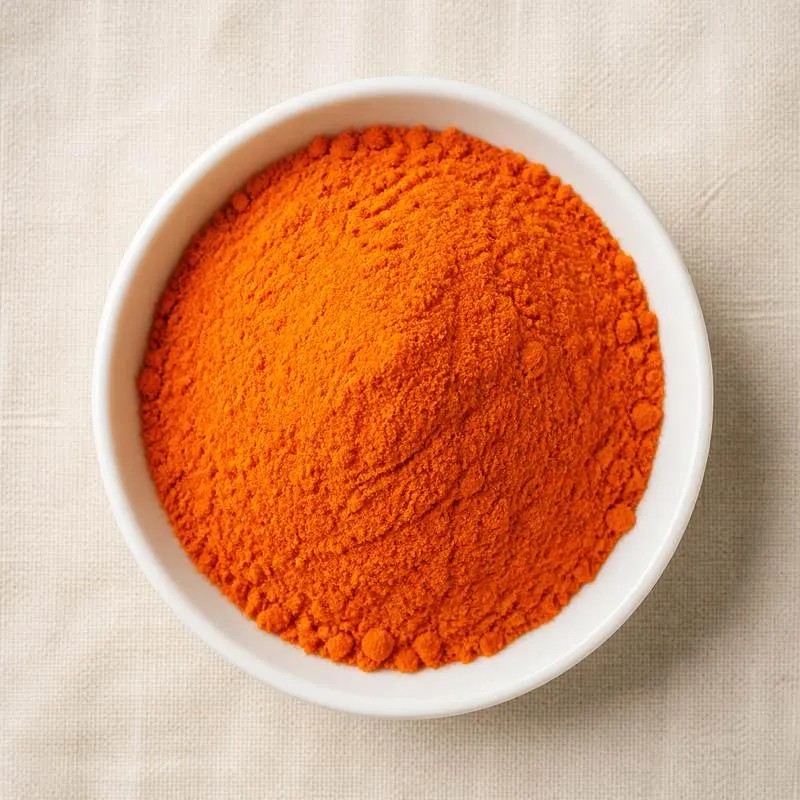
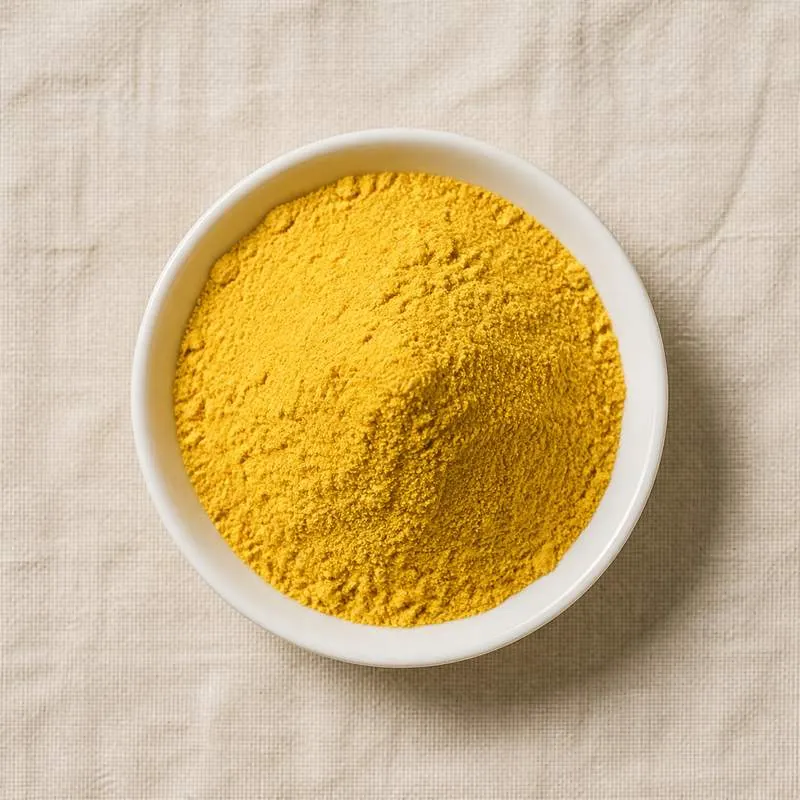
Haematococcus Pluvialis is the dried whole-cell biomass of the freshwater green microalga of the same name, sold as a standardised powder containing 1.5 to 4 percent natural astaxanthin held within the intact aplanospore cell wall.
The species is a unicellular Volvocales alga that switches from a green motile vegetative form to a thick-walled red cyst when stressed by light, nutrient depletion, or salinity changes. The red cyst is the form harvested for astaxanthin recovery.
As a biomass ingredient the material delivers astaxanthin together with the algal cell-wall polysaccharides, residual chlorophyll, lutein, beta-carotene, and the native omega-3 lipid fraction, which differentiates it from purified oleoresin and beadlet grades.
We source bulk Haematococcus Pluvialis from top China manufacturers for our partners. The manufacturer is in Shanghai. A smaller requirement can ship in a combined container with other ingredients.
Please send the grade you need, the volume and your destination port, and we will come back with a solution and a price.
or call +86-21-6858 0751
- Packaging
- 190 kg steel drum or 25 kg jerrican
- ISO 9001
- HACCP
- Halal
- Kosher
Specifications
Grades / Types Available: Food Grade, Feed Grade
| Item | Specification |
|---|---|
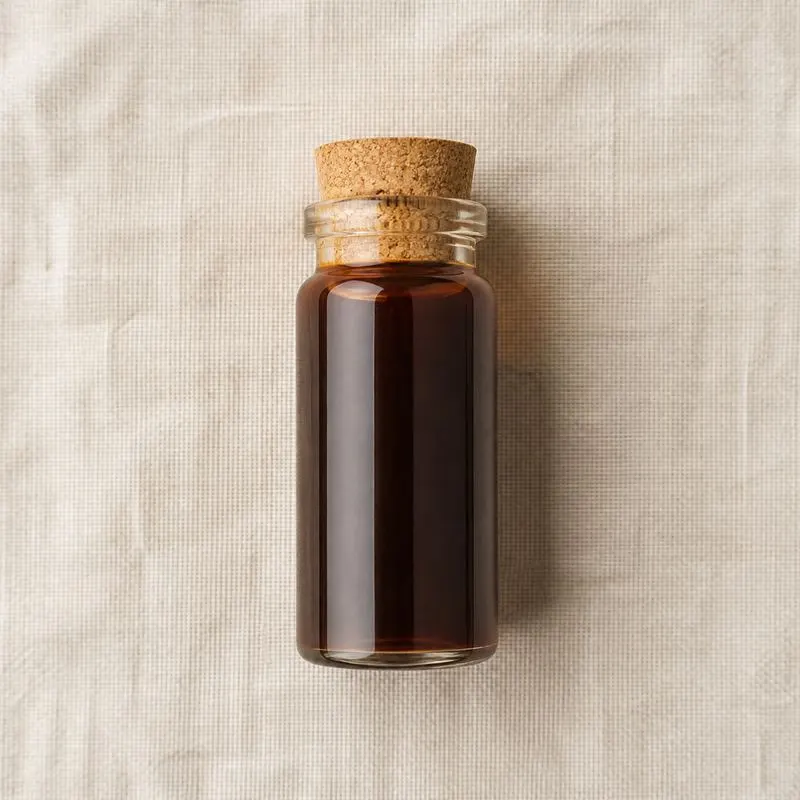
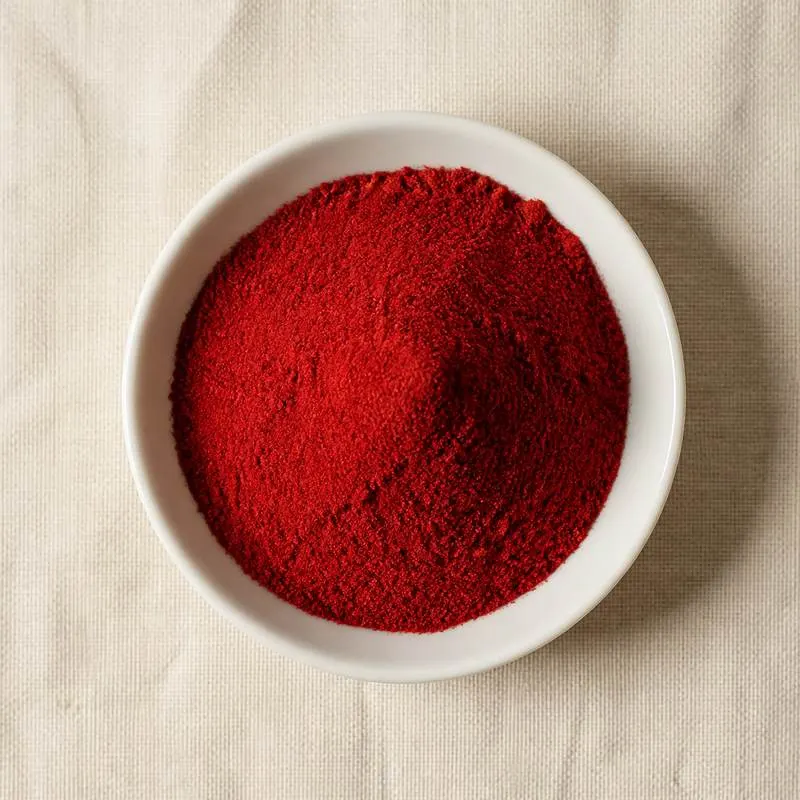
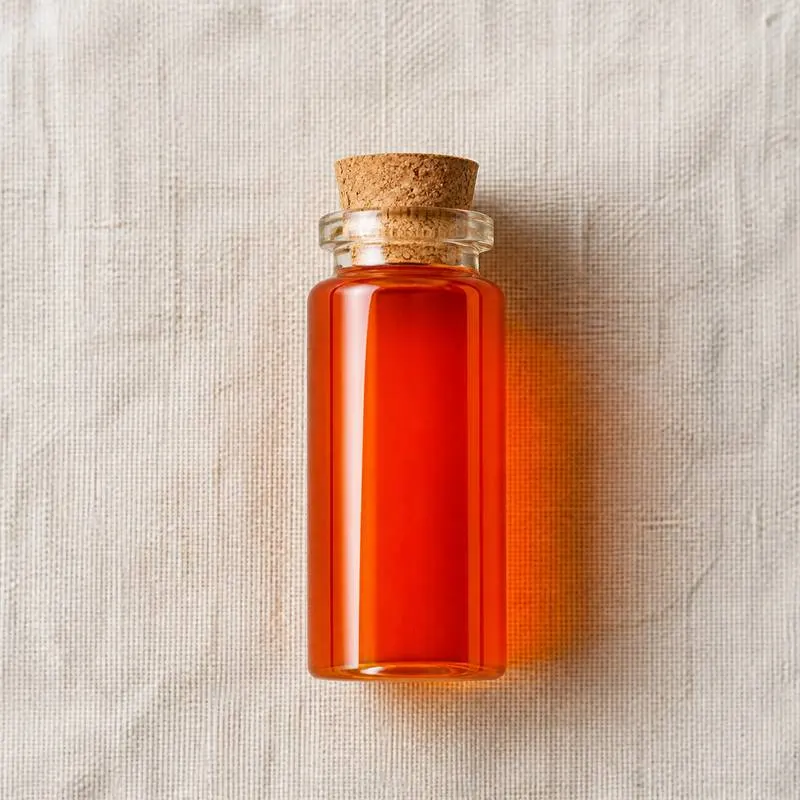
| Appearance | Dark red oily paste or red beadlet powder |
| Astaxanthin Content | 2.5–10% (oleoresin) / 1.5–5% (beadlet) |
| Total Carotenoids | ≥95% astaxanthin |
| Trans-isomer | ≥95% |
| Moisture | ≤5.0% |
| Solvent Residue | None (SCCO₂) |
| Heavy Metals (as Pb) | ≤2 mg/kg |
| Arsenic | ≤1 mg/kg |
| Total Plate Count | ≤1,000 cfu/g |
| Yeast & Mould | ≤100 cfu/g |
| Salmonella | Absent in 25g |
| Purity/Assay (Food Grade) | ≥ 95% |
| Moisture/Loss on Drying | ≤ 5% |
| Lead | ≤ 1 ppm |
| Yeast & Mold | ≤ 100 cfu/g |
Common Markets Grades
Haematococcus Pluvialis biomass is graded by total astaxanthin content on a dry-weight basis, by cell-wall cracking status, and by lipid profile.
The standard food-supplement grade runs at 1.5, 2, 2.5, and 3 percent astaxanthin in a fine free-flowing powder, typically with a cracked cell wall to maximise bioavailability of the intracellular oil.
An aquaculture-feed grade sits at 1.5 to 2 percent astaxanthin, with looser specifications on residual moisture, particle size, and microbial profile, and is produced at substantially higher tonnage than the food grade.
A high-loading grade above 3.5 percent is made for nutricosmetic capsules and for use as a starting material for further oleoresin extraction. A separate uncracked grade is sold to formulators who plan to perform their own supercritical CO2 extraction in-house.
Applications
- Whole-food positioned supplements in capsule and tablet form
- Functional powder blends for smoothies and meal-replacement shakes
- Beauty-from-within sachets and stick packs
- Tableted multivitamins and antioxidant complexes
- Aquaculture feed for salmon, trout, sea bream, and shrimp pigmentation
- Layer hen feed for enhanced egg-yolk colour
- Ornamental koi and discus fish feed
- Pet supplements for senior dogs and performance horses
- Starting material for supercritical CO2 extraction of oleoresin grades
- Reference biomass for clinical-trial study products
- Topical mask and exfoliant formulations using the whole algal cell
Brands Using Haematococcus Pluvialis
Widely-distributed consumer products that list Haematococcus Pluvialis on the ingredient label.
- Nutrex HawaiiBioAstin Hawaiian Astaxanthin 4 mg Softgels (60 ct) ↗Supplement Facts: 'Natural Astaxanthin (from Haematococcus pluvialis microalgae) 12 mg per serving' grown at Nutrex Hawaii's Kona farmLabel verified 2026-05-24
- Nutrex HawaiiBioAstin Hawaiian Astaxanthin 12 mg (120 ct) ↗Active ingredient: natural astaxanthin derived from Haematococcus pluvialis microalgae cultivated on the Kona CoastLabel verified 2026-05-24
- NOW FoodsAstaxanthin 10 mg Extra Strength Softgels ↗Label: 'Astaxanthin derived from Non-GMO Haematococcus Pluvialis Microalgae' with naturally occurring lutein, canthaxanthin and beta-caroteneLabel verified 2026-05-24
- NOW FoodsAstaxanthin 4 mg Softgels ↗Label: 'Astaxanthin derived from Non-GMO Haematococcus Pluvialis Microalgae'Label verified 2026-05-24
- Pure EncapsulationsAstaxanthin 4 mg Softgels ↗Supplement Facts: 'Astaxanthin (from Haematococcus pluvialis microalgae) 4 mg' per softgelLabel verified 2026-05-24
- Pure SynergySuperPure Astaxanthin Extract Capsules ↗Label: 'Astaxanthin (from Haematococcus pluvialis Algae)', certified organic algae sourceLabel verified 2026-05-24
Brand names, product names and logos are the property of their owners. They appear here as published evidence that the ingredient is used, taken from the brand's own label or website. Their appearance is not an endorsement, and it does not mean the brand buys from us or from any manufacturer listed on this site.
China Manufacturers of Haematococcus Pluvialis
Top Haematococcus Pluvialis manufacturers in China.

Company names and logos are the property of the manufacturers themselves. They are listed here because our own directory records them as producing this ingredient. A listing is not an endorsement by them, and we do not represent them or speak on their behalf.
How We Help Source Haematococcus Pluvialis
Direct Factory Sourcing
We run the whole process: selecting the manufacturer from the top Chinese food ingredient producers, negotiating the price, verifying quality, and coordinating the logistics. You deal with us instead of with several factories at once.
Original Packaging and Documents from the Manufacturer
The manufacturer sends your Haematococcus Pluvialis out of its own factory in the original packing, through to your destination port. The COA, COO, MSDS, TDS and any certifications reach you from the manufacturer as well.
Free Samples and Lead Time
We send 100 to 500 g free for your own laboratory to test and you cover only the courier, usually within 2 to 3 working days. ETD is usually within 7 to 15 days once the order is confirmed, and we check that date against the factory's own manufacturing schedule before we give it to you.
Combined Shipment
We can load Haematococcus Pluvialis together with other ingredients such as Beta Carotene, Caramel Colour and Lycopene into one 20' FCL. If your quantity is small, we can also ship LCL.
Regulatory Status
Haematococcus pluvialis biomass is authorised as a Novel Food in the European Union under Commission Implementing Regulation (EU) 2017/2470, with maximum permitted astaxanthin levels set for food-supplement use.
In the United States the dried algal biomass carries Self-Affirmed GRAS status from multiple producers for use as a dietary ingredient in conventional foods and supplements at defined intake levels.
It is approved for food and supplement use in Japan, South Korea, Australia and New Zealand (FSANZ), Brazil (ANVISA), and Canada (Natural Health Product number assigned). For aquaculture and animal-feed use the biomass is registered under feed-additive regulations in the European Union and is widely used in salmonid production globally.
Halal, Kosher, non-GMO, organic, and vegan certifications are routinely available, and the species is one of the few astaxanthin sources that qualifies as a single-species algal ingredient under whole-food labelling claims.
Manufacturing Process
Cultivation of Haematococcus pluvialis is run in two distinct phases.
The first phase is the green vegetative stage, conducted in nutrient-replete medium at moderate light intensity, where the algae multiply rapidly to build biomass. This stage is typically run in closed glass or polymer-tube photobioreactors to maintain the axenic culture against airborne contamination.
The second phase is the red induction stage, where the green culture is shifted into stress conditions of strong light, nitrogen limitation, and elevated salinity. The cells halt division, build a thick aplanospore wall, and accumulate astaxanthin esters as droplets in the intracellular oil bodies until the biomass takes on a deep brick-red colour.
The mature red biomass is harvested by centrifugation, washed, and either spray-dried directly or first passed through a mechanical bead mill or high-pressure homogeniser to crack the resistant aplanospore wall. Cell cracking is the single most important downstream step, since the intact wall otherwise limits the digestive release of intracellular astaxanthin in human and animal trials.
The dried, cracked biomass is sieved, blended for assay uniformity, packed under nitrogen, and protected from light to preserve the easily degraded astaxanthin esters during storage.