Bacillus coagulans
Bacillus coagulans is a spore forming lactic acid producing bacterium used as a shelf stable probiotic ingredient and, in a separate industrial context, as a production organism for L(+)-lactic acid. It is a Gram positive, facultatively anaerobic, endospore forming rod, and it was reclassified into the genus Weizmannia in 2020, so material may be offered under either name.
The organism occupies an unusual position between two groups. Physiologically it behaves like a lactobacillus, fermenting sugars to lactic acid, but structurally it forms endospores like a bacillus. That spore is the commercial reason for its use: a dormant spore survives ambient storage, gastric acid, bile and the water activity and processing temperatures of finished foods far better than the vegetative cells of conventional probiotic species, and it germinates in the small intestine rather than in the package.
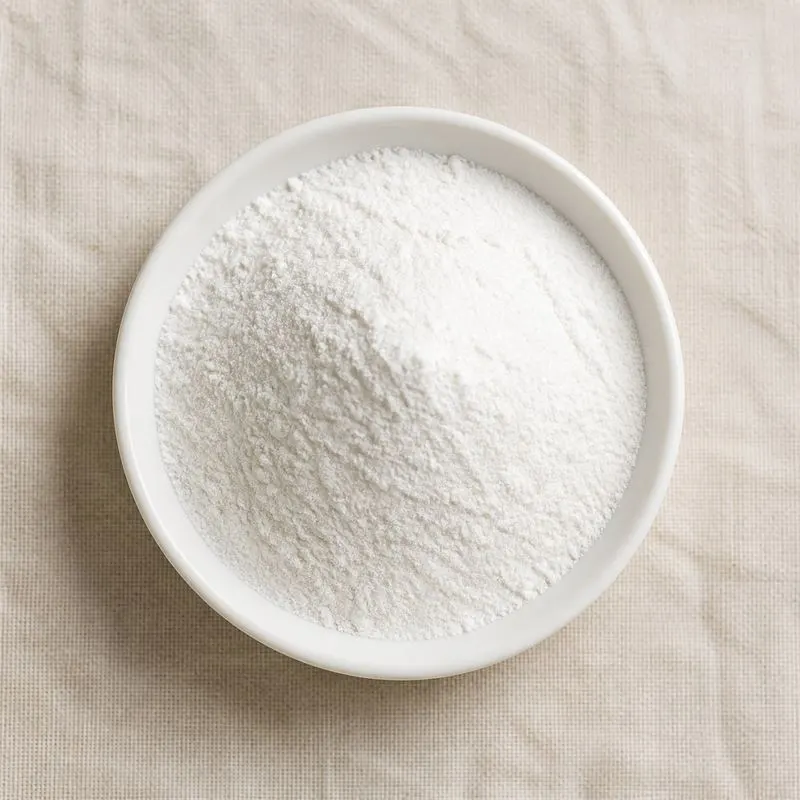
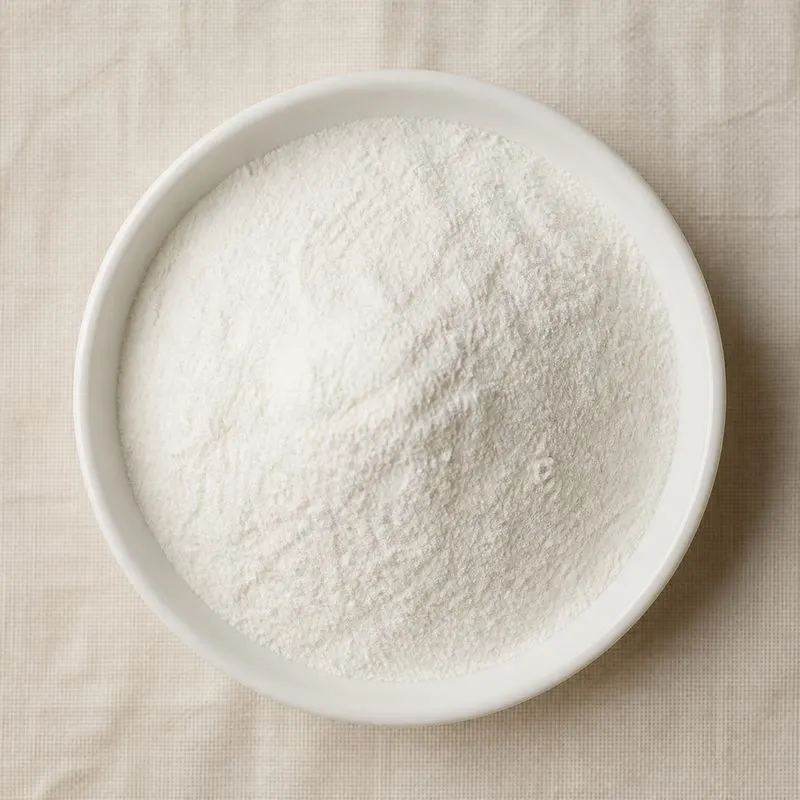
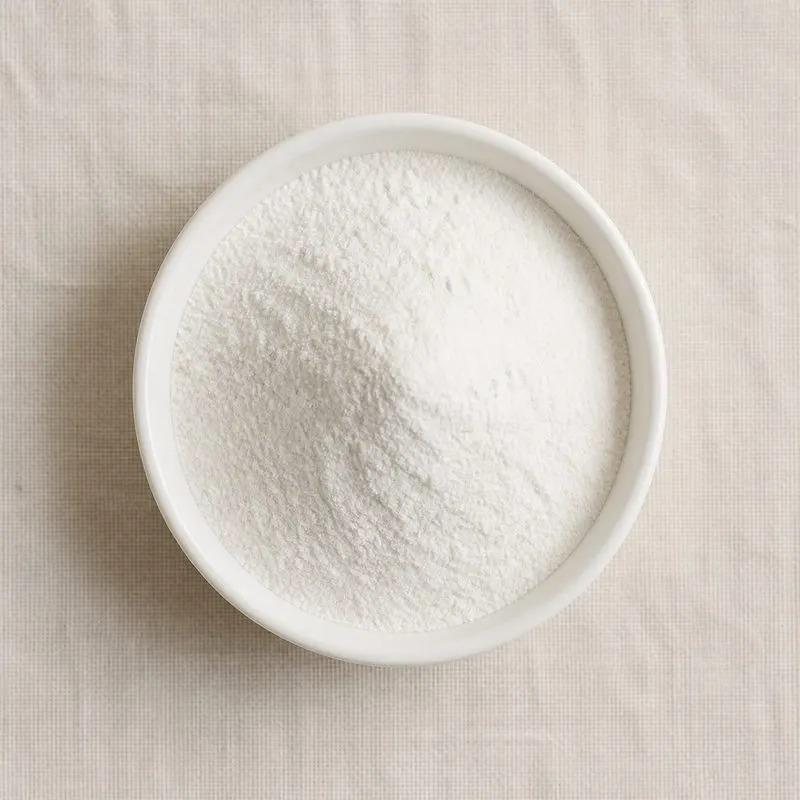
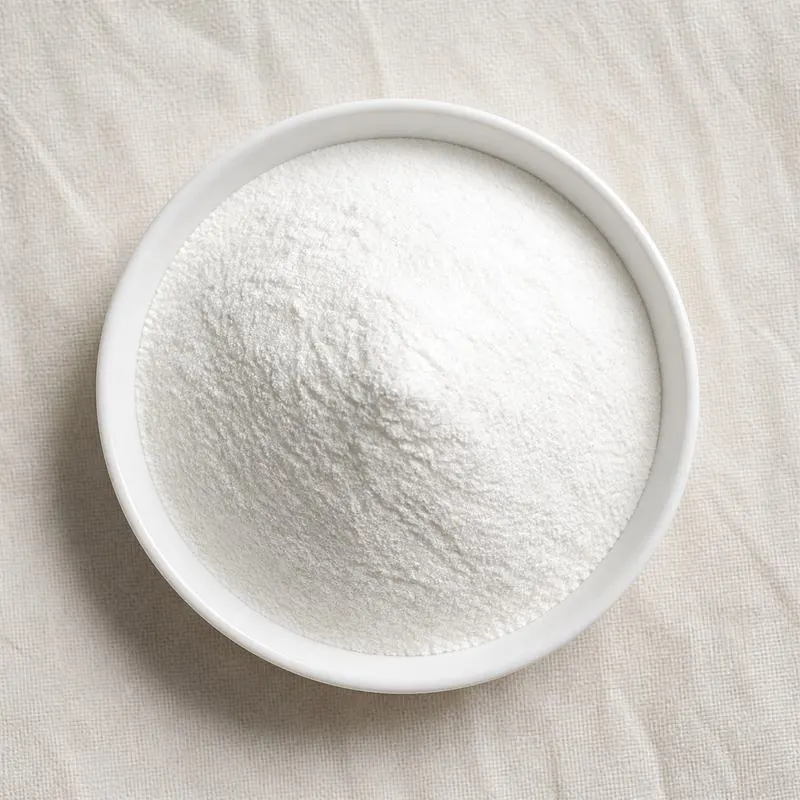
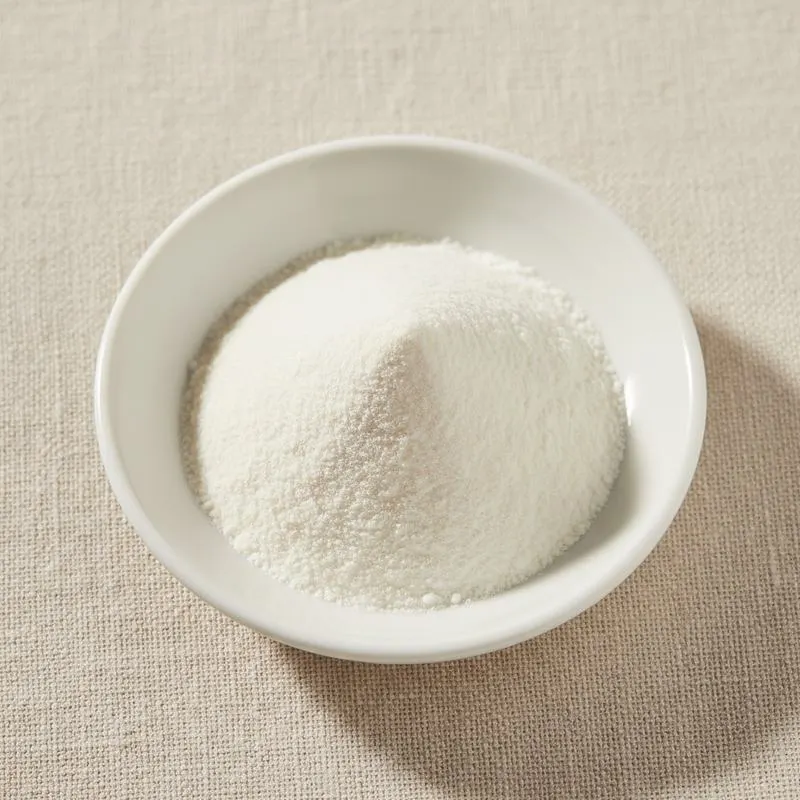
The trade material is an off white to light beige free flowing powder standardised on viable spore count rather than on a chemical assay, commonly at 10 to 500 billion colony forming units per gram before dilution with maltodextrin or a starch carrier. It disperses rather than dissolves in water, needs no cold chain, and typically carries a 24 month ambient shelf life.
or call +86-21-6858 0751
- Function
- Probiotic
Specifications
| Item | Specification |
|---|---|
| Appearance | Off white to light beige free flowing powder |
| Odour | Faint, characteristic, free from off odours |
| Viable Count | Conforms to declared potency, typically 10 to 500 billion CFU/g |
| Spore Fraction of Total Count | ≥ 95% |
| Identification | Bacillus coagulans, syn. Weizmannia coagulans, by 16S rRNA sequencing |
| Heat Resistance | Count retained after standard wet heat challenge |
| Loss on Drying | ≤ 6.0% |
| Water Activity | ≤ 0.30 |
| pH, 10% suspension | 5.0 to 7.0 |
| Lead | ≤ 1.0 mg/kg |
| Arsenic | ≤ 1.0 mg/kg |
| Total Plate Count, non probiotic | ≤ 1,000 CFU/g |
| Yeast and Mould | ≤ 100 CFU/g |
| E. coli | Absent in 1 g |
| Salmonella | Absent in 25 g |
Common Markets Grades
The species is traded strain by strain, and the strain designation is the most important part of the specification, since safety dossiers, published studies and regulatory notifications attach to individual strains and not to the species as a whole. Beyond that, the standardisation is a declared count per gram at time of manufacture, with 10, 50, 100 and 500 billion CFU per gram the usual trade points, and the weaker strengths are the same biomass cut with carrier.
Spore purity is separately declared as the proportion of the count present as spores rather than as residual vegetative cells, since only the spore fraction carries the stability the buyer is paying for. Physical grades run from fine milled powder for capsules and sachets through agglomerated grades for high speed filling lines to coarser granules for feed premixing. Non-GMO, dairy free, gluten free, kosher and halal documentation is standard, and a heat inactivated postbiotic version is offered where live cells are not needed.
Applications
- Capsules, tablets and sachets in digestive health supplements, where ambient stability removes the cold chain requirement
- Pressed candy and chewable tablets, since the spore survives compression that destroys freeze dried lactobacilli
- Gummies and soft chews, tolerating the water activity of the finished piece
- Baked goods, cereal bars and biscuits, surviving short exposure to baking temperatures
- Extruded snacks and breakfast cereals, withstanding the shear and heat of the extruder barrel
- Ambient shelf stable beverages, powdered drink mixes and instant coffee sachets
- Protein powders and meal replacement blends, dosed dry into the finished blend
- Poultry, swine and aquaculture feed, where the spore survives pelleting temperatures
- Pet food and pet supplements, for the same processing stability reasons
- Industrial production of optically pure L(+)-lactic acid, using the organism's thermophilic fermentation
Brands Using Bacillus coagulans
Widely-distributed consumer products that list Bacillus coagulans on the ingredient label.
- CodeageAcid Defense+ ↗A daily digestive capsule that lists Bacillus coagulans as a shelf stable live culture alongside sodium alginate, DGL licorice and zinc L-carnosine.Label verified 2026-08-31
- CodeageGut Muscle Formula ↗A gut and muscle drink powder containing Bacillus coagulans at 2 billion CFU per serving with zinc bisglycinate.Label verified 2026-08-31
Brand names, product names and logos are the property of their owners. They appear here as published evidence that the ingredient is used, taken from the brand's own label or website. Their appearance is not an endorsement, and it does not mean the brand buys from us or from any manufacturer listed on this site.
Regulatory Status
In the United States Bacillus coagulans is the subject of GRAS notifications to which the Food and Drug Administration has responded without objection, covering named strains for use in specified conventional foods, and the organism is marketed as a dietary ingredient under the dietary supplement framework. Because the GRAS conclusions are strain specific, a manufacturer relies on the notification covering the strain it actually uses. Statements about digestive comfort or immune function are structure and function claims rather than authorised health claims.
In the European Union the species holds qualified presumption of safety status at species level under the European Food Safety Authority framework and is used as a food ingredient rather than as an additive, so no E number applies. The term probiotic remains restricted on labels in most member states because no health claim for these cultures has been authorised. In animal nutrition, individual strains are authorised as zootechnical feed additives following European Food Safety Authority assessment, each authorisation naming the strain, target species and inclusion levels. The joint FAO and WHO guidelines on probiotics in food set the accepted international requirements for strain identification and viability declaration.
Manufacturing Process
The probiotic material is made by submerged aerobic fermentation carried deliberately through to sporulation. A working seed vial is expanded through flask and seed fermenter stages into a production vessel charged with a fermentable carbohydrate, an organic nitrogen source such as yeast extract or soy peptone, and mineral salts including the manganese and calcium the sporulation pathway requires. The culture is grown first to high vegetative cell density under controlled temperature, aeration and pH.
Sporulation is then triggered by letting the carbon and nitrogen sources become limiting, and the fermentation is held until the great majority of the population has formed mature refractile endospores, which is judged microscopically and confirmed by heat resistance testing, a wet heat challenge that kills vegetative cells and leaves the spore count. The broth is concentrated by continuous centrifugation or membrane filtration and the spore cream is washed free of lysed cell debris and residual medium. Because the spore requires no cryoprotection, the concentrate is normally spray dried directly, though freeze drying is also used. The dried material is milled, assayed for total and spore count and for strain identity, blended with carrier to the declared potency and packed.