Baicalin Root Extract
Baicalin root extract is a flavone preparation made from the dried root of Scutellaria baicalensis, the Chinese skullcap, and standardised on baicalin, the 7 O glucuronide of baicalein. Baicalin has the formula C21H18O11 and a molar mass of 446.36, and it is the dominant flavonoid of the root, accompanied by wogonoside, wogonin and free baicalein.
The glucuronic acid unit makes baicalin a weak acid, which controls how the ingredient behaves. It is sparingly soluble in cold water, dissolves readily in hot water and in dilute alkali where it forms a salt, and precipitates again when the solution is acidified. Solutions are yellow and turn deeper yellow to orange as pH rises, so the compound acts as an unintended pH indicator in poorly buffered systems.
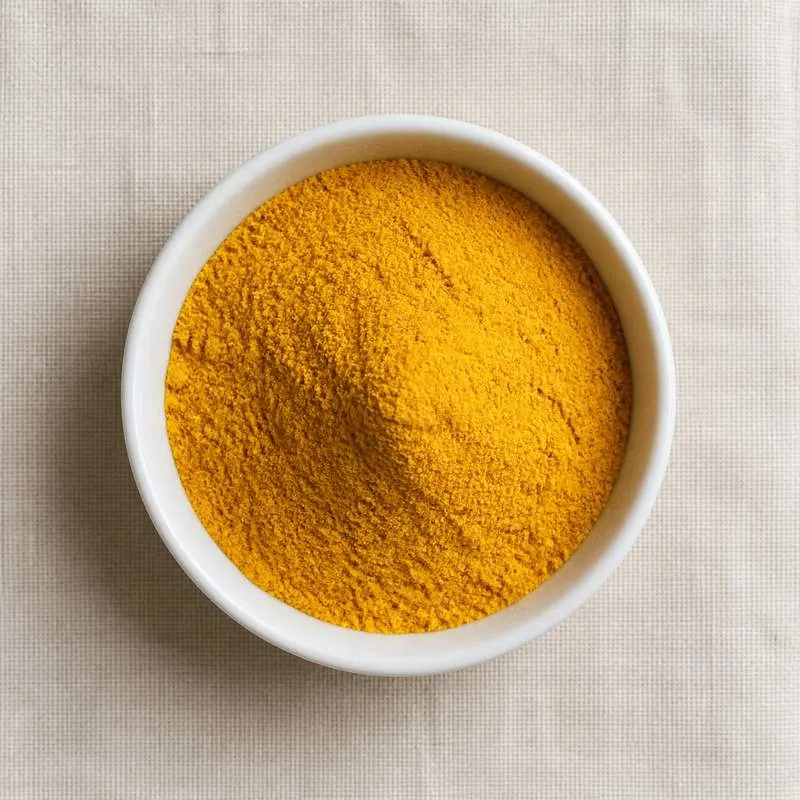
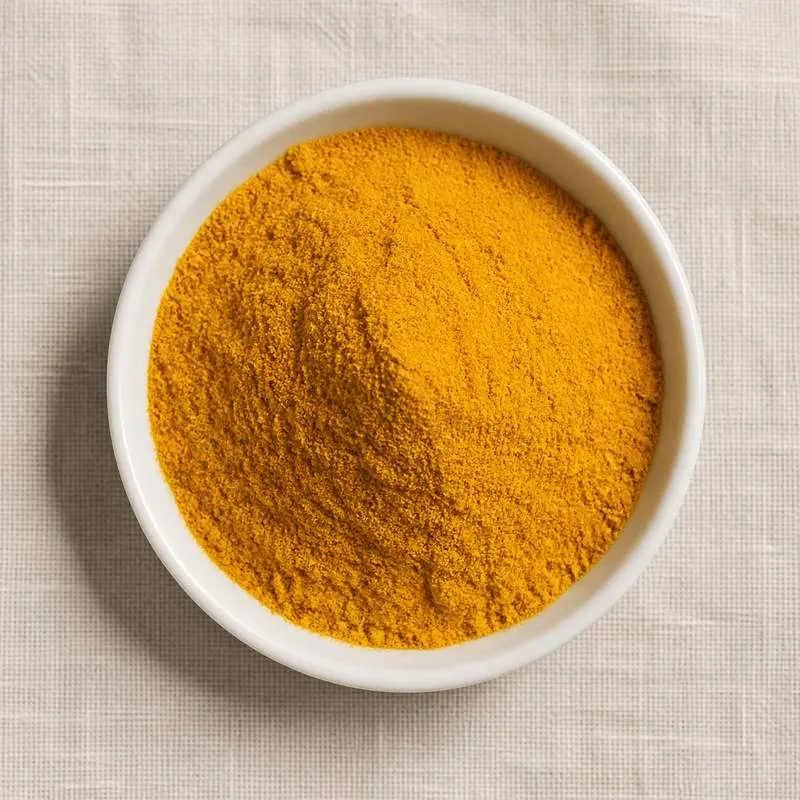
Commercial extract is a light yellow to yellowish brown fine powder with a bitter taste. It is stable to normal processing heat in the dry state but darkens on prolonged exposure to light, alkali or iron, the last producing a green to grey cast. Sodium and calcium baicalin salts are traded alongside the free acid where higher water solubility is needed.
We source bulk Baicalin Root Extract from top China manufacturers for our partners. The manufacturer is in Shandong. A smaller requirement can ship in a combined container with other ingredients.
Please send the grade you need, the volume and your destination port, and we will come back with a solution and a price.
or call +86-21-6858 0751
- Function
- Plant extract
Specifications
| Item | Specification |
|---|---|
| Appearance | Light yellow to yellowish brown fine powder |
| Botanical Source | Scutellaria baicalensis root |
| Odour and Taste | Slight characteristic odour, bitter |
| Identification | HPLC retention and UV spectrum match reference standard |
| Baicalin | ≥ 85.0% (HPLC) |
| Free Baicalein | ≤ 2.0% |
| Particle Size | ≥ 95% through 80 mesh |
| Loss on Drying | ≤ 5.0% |
| Residue on Ignition | ≤ 1.0% |
| pH (1% suspension) | 3.0 to 5.0 |
| Residual Ethanol | ≤ 0.5% |
| Lead | ≤ 2.0 mg/kg |
| Arsenic | ≤ 1.0 mg/kg |
| Total Plate Count | ≤ 1,000 cfu/g |
| Yeast and Mould | ≤ 100 cfu/g |
| Escherichia coli | Negative in 1 g |
| Salmonella | Negative in 25 g |
Common Markets Grades
The trade quotes purity by HPLC. Common specifications are 85 percent, the standard grade produced by acid precipitation without further purification, and 90, 95 and 98 percent, which require recrystallisation. Ratio extracts of skullcap root at 4:1 and 10:1, and grades declared at 20, 30 or 50 percent baicalin, sit below these and retain more of the accompanying flavones and polysaccharide.
Alongside the free acid, baicalin sodium and baicalin calcium are traded as separate items for aqueous applications, and a combined skullcap flavone grade declaring baicalin plus wogonin is offered where the whole flavone fraction is the point. Powders run at 80 mesh as standard, with micronised material for suspension work and a granulated form for tabletting. Feed grade material at lower assay on a carrier is a distinct commercial line. Because the root is also processed for baicalein, buyers verify that a baicalin lot has not been cut with hydrolysed material by checking the free baicalein figure.
Applications
- Capsule and tablet supplements, typically in liver support and joint comfort formulations alongside other flavones
- Traditional Chinese formula preparations, where the standardised extract replaces crude root for a defined dose
- Herbal instant granules and sachets, using the sodium salt so the powder dissolves in hot water without residue
- Functional beverages, dosed at low inclusion and held on the acid side of neutral to avoid the colour shift
- Throat lozenges and oral sprays, where the bitterness is masked and the flavone content is the labelled active
- Skin care emulsions and serums, added after cool down for its flavone and light absorbing properties
- Hair and scalp treatments, formulated with other Scutellaria flavones
- Feed additive premixes for poultry and aquaculture, applied as a plant derived flavone at low inclusion
- Analytical reference material for quantifying flavones in skullcap raw material and finished products
China Manufacturers of Baicalin Root Extract
Top Baicalin Root Extract manufacturers in China.

Company names and logos are the property of the manufacturers themselves. They are listed here because our own directory records them as producing this ingredient. A listing is not an endorsement by them, and we do not represent them or speak on their behalf.
Regulatory Status
In the United States, Scutellaria baicalensis root and its baicalin standardised extracts are used as dietary ingredients under the Dietary Supplement Health and Education Act, with finished products made under 21 CFR Part 111. The root has a history of use in the food supply predating the 1994 cut off, so conventional extracts are handled as old dietary ingredients, while very high purity single compound preparations are more likely to require a new dietary ingredient notification. The material has no food additive listing and is not an approved colour additive despite its strong yellow colour.
In the European Union baicalin is not an authorised food additive, so no E number applies, and skullcap preparations are treated as food supplement ingredients whose acceptability is decided at member state level. Health claims for the species are unauthorised. Highly purified baicalin without a demonstrated history of consumption in the Union falls within the novel food regulation. Codex has no commodity standard for the ingredient and JECFA has issued no additive specification for it.
Manufacturing Process
Dried skullcap root is milled to a coarse powder and extracted with hot water, or with water made slightly alkaline to raise the solubility of baicalin and improve the yield. Extraction is carried out in a counter current or multi stage batch system, and the liquor is separated from the marc by decanting and pressing, then filtered to remove fines.
The clarified liquor is acidified with hydrochloric or sulphuric acid to a low pH, at which baicalin loses its solubility and precipitates as a yellow solid. The slurry is held to allow the crystals to grow, then separated by centrifugation or filter press and washed with water to remove residual acid and salts. Crude cake at around 85 percent purity may be dried and sold directly. Higher grades are redissolved in dilute alkali or in aqueous ethanol, treated with activated carbon to lift colour, filtered, and reprecipitated or recrystallised, sometimes twice. The purified solid is dried under vacuum at moderate temperature, milled, sieved, assay blended and packed in light protective foil bags inside fibre drums.