Bamboo Leaf Organosilicon
Bamboo leaf organosilicon is a plant extract prepared from the leaves and young shoots of bamboo, chiefly Phyllostachys and Bambusa species of the Poaceae family, concentrated for its silicon content. Bamboo is among the strongest silicon accumulating plants known, taking up dissolved silicic acid from soil water and depositing it in leaf tissue as hydrated amorphous silica, so the extract is the usual botanical route to a silicon supplying ingredient.
The trade name organosilicon reflects how the material is presented rather than a covalent silicon carbon bond. The silicon is present as amorphous silica and as silicic acid associated with the plant matrix, accompanied by the leaf's own flavone glycosides, principally orientin, isoorientin, vitexin and isovitexin, together with chlorogenic acid and polysaccharide. Those flavones contribute a secondary antioxidant character and are the basis of a related bamboo leaf extract sold on flavone content instead.
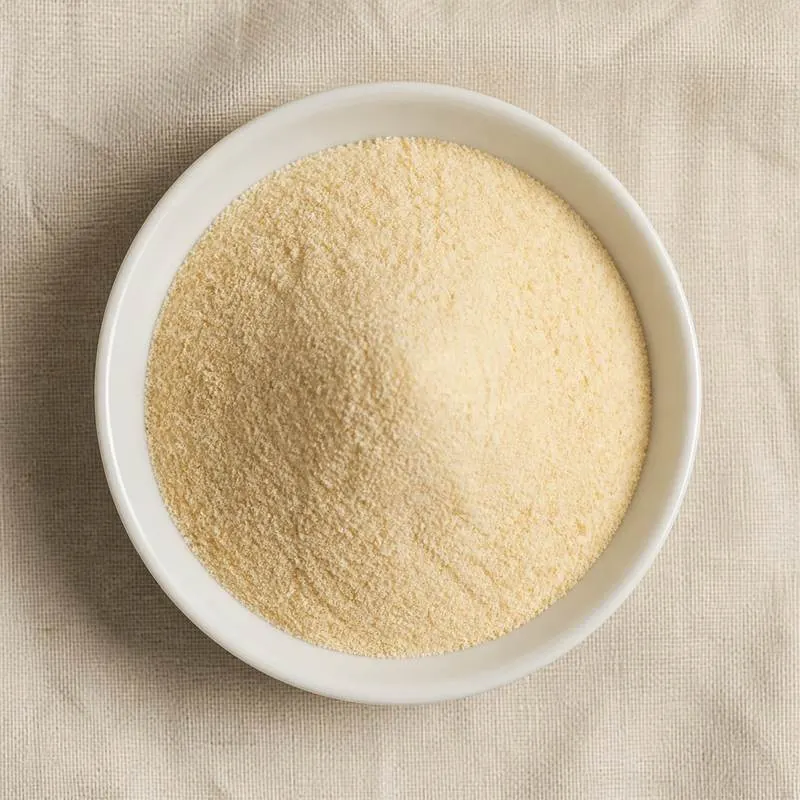
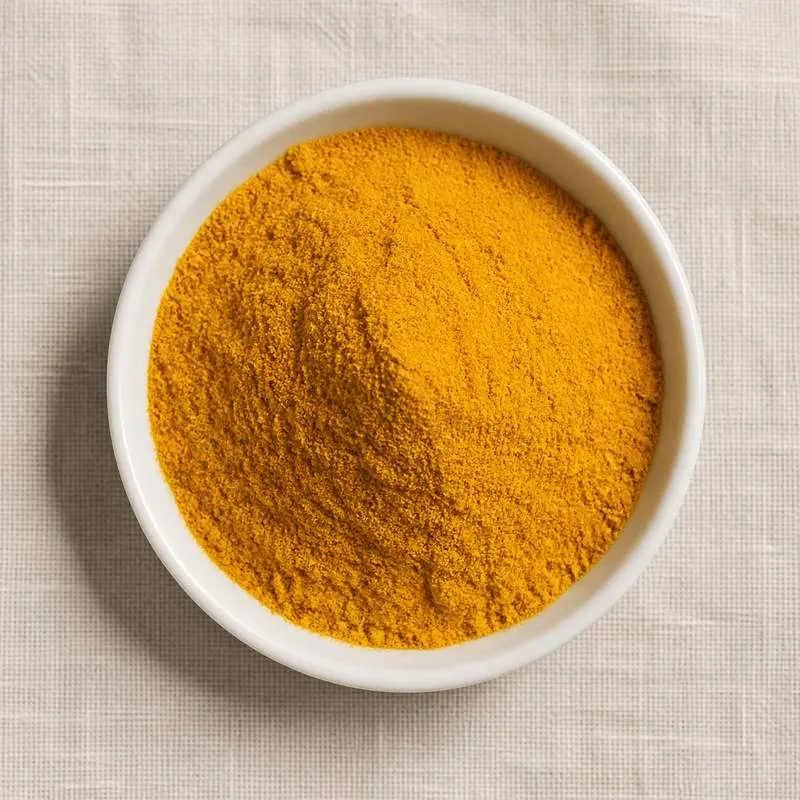
The commercial form is a pale yellow to light brown or off white free flowing powder, faintly grassy in odour and nearly tasteless. The silica fraction is insoluble in water and disperses to a slightly opaque suspension, while the flavone and polysaccharide fraction dissolves, so a solution of the extract clarifies only after the silica settles or is filtered out.
We source bulk Bamboo Leaf Organosilicon from top China manufacturers for our partners. The manufacturer is in Shaanxi. A smaller requirement can ship in a combined container with other ingredients.
Please send the grade you need, the volume and your destination port, and we will come back with a solution and a price.
or call +86-21-6858 0751
- Function
- Plant extract
Specifications
| Item | Specification |
|---|---|
| Appearance | Off white to light brown free flowing powder |
| Botanical Source | Bamboo leaf, Phyllostachys or Bambusa species |
| Odour and Taste | Faint grassy odour, almost tasteless |
| Identification | Infrared spectrum shows amorphous silica; TLC confirms leaf flavones |
| Silica (as SiO₂) | ≥ 70.0% |
| Total Flavones | ≥ 5.0% (UV) |
| Particle Size | ≥ 95% through 80 mesh |
| Loss on Drying | ≤ 6.0% |
| pH (5% suspension) | 5.0 to 8.0 |
| Chloride | ≤ 1.0% |
| Lead | ≤ 2.0 mg/kg |
| Arsenic | ≤ 1.0 mg/kg |
| Cadmium | ≤ 1.0 mg/kg |
| Total Plate Count | ≤ 10,000 cfu/g |
| Yeast and Mould | ≤ 500 cfu/g |
| Escherichia coli | Negative in 1 g |
| Salmonella | Negative in 25 g |
Common Markets Grades
Grades are quoted on silica content, most commonly 70 percent, with 50 and 75 percent also traded and a lower assay grade on a carrier at around 10 percent used where the powder is being blended into a premix. The higher figures require an alkaline dissolution and reprecipitation step rather than simple concentration, and the specification states the method used to determine silica, since gravimetric ignition and colourimetric molybdate methods do not always return the same number.
Separate from the silicon grades, bamboo leaf extract standardised on total flavones at 10, 24 or 30 percent is traded under closely related names and should not be confused with the silicon product, as the two are made by different routes and serve different claims. Two mesh sizes are standard for the powders, 80 and 100, with a granulated version for direct compression and a micronised grade for suspensions. Organic certified material is available from managed groves.
Applications
- Capsule and tablet supplements positioned around hair, skin and nail claims, where the extract is the botanical source of silicon
- Bone and joint formulations, blended with calcium salts, vitamin D and vitamin K sources
- Effervescent and powdered drink mixes, where the insoluble silica fraction is accepted as a light cloud
- Beauty from within collagen drinks, dosed alongside hydrolysed collagen peptides and vitamin C
- Multivitamin and multimineral premixes, contributing silicon within a broad mineral panel
- Skin and hair care formulations, applied topically in leave on and rinse off products
- Sports and recovery blends, where connective tissue claims are the formulation angle
- Animal feed and pet supplements, particularly hoof and coat products for horses and dogs
- Herbal infusion blends, using the flavone rich variant for its antioxidant profile rather than its silicon
China Manufacturers of Bamboo Leaf Organosilicon
Top Bamboo Leaf Organosilicon manufacturers in China.
Company names and logos are the property of the manufacturers themselves. They are listed here because our own directory records them as producing this ingredient. A listing is not an endorsement by them, and we do not represent them or speak on their behalf.
Regulatory Status
In the United States, bamboo leaf extract supplying silicon is used as a dietary ingredient under the Dietary Supplement Health and Education Act, with finished products manufactured under 21 CFR Part 111. Silicon dioxide itself is separately affirmed as generally recognised as safe for use in food as an anticaking agent, and bamboo leaf extract has been the subject of generally recognised as safe determinations for defined food uses as an antioxidant preparation. Silicon is not an essential nutrient with an established reference intake in the United States, so labelling relies on ingredient declaration rather than on a nutrient claim.
In the European Union bamboo silica preparations are handled as food supplement ingredients rather than as authorised food additives, so no E number attaches to the extract, although silicon dioxide used as an additive is authorised under E 551 and silicates as E 552 to E 554. Silicon has no nutrient reference value in Union labelling law, which limits how a supplement may present it, and health claims for silicon are unauthorised. Preparations of unusual composition or made by novel processes fall within the novel food regulation. Codex has no commodity standard for the extract, and JECFA has evaluated silicon dioxide as an additive rather than issuing a specification for bamboo derived material.
Manufacturing Process
Harvested bamboo leaves are washed to remove dust and field soil, dried in warm air and milled to a coarse powder. The milled leaf is extracted with hot water, which draws out the flavone glycosides, chlorogenic acid, soluble polysaccharide and part of the silicic acid, leaving most of the amorphous silica in the residue. The two streams then take different paths depending on the target product.
For the silicon grades the extraction is carried out or followed with dilute alkali, which dissolves amorphous silica as soluble silicate. The liquor is separated from the leaf residue by decanting and filtration and neutralised with acid, at which point silicic acid polymerises and precipitates as a fine hydrated silica. The precipitate is washed repeatedly to remove the salts formed during neutralisation, then reslurried with the concentrated flavone fraction where a combined product is wanted, and spray dried or flash dried. The dried powder is milled, sieved, assayed for silica and blended across sub lots to the declared figure before packing in food grade liners inside fibre drums.