Vitexin
Vitexin is apigenin-8-C-β-D-glucopyranoside (CAS 3681-93-4), a C-glycosylated flavone widely distributed across hawthorn leaf, mung bean seed coat, pearl millet, and passionflower.
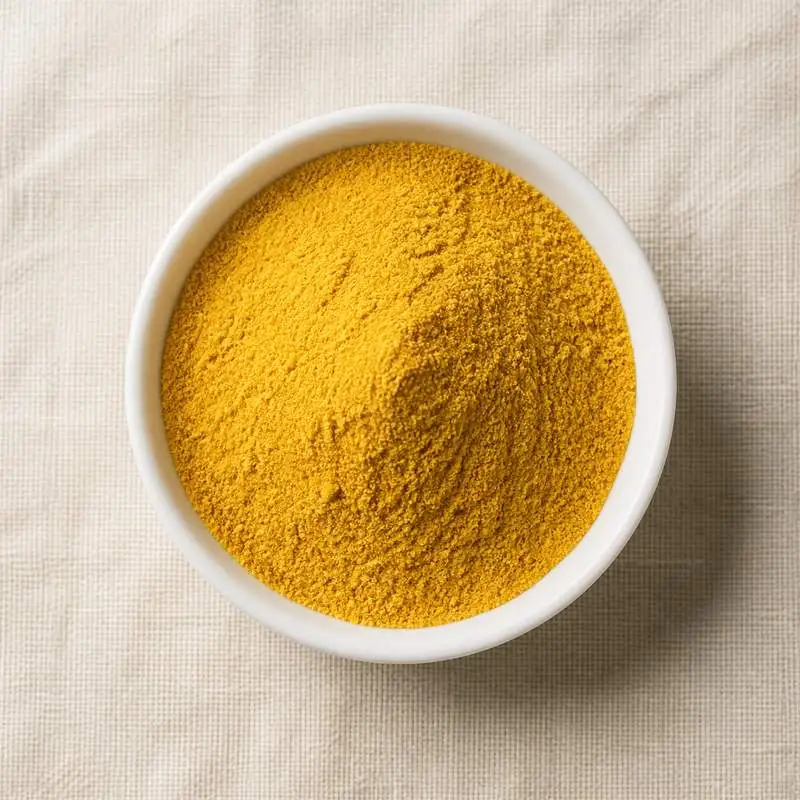
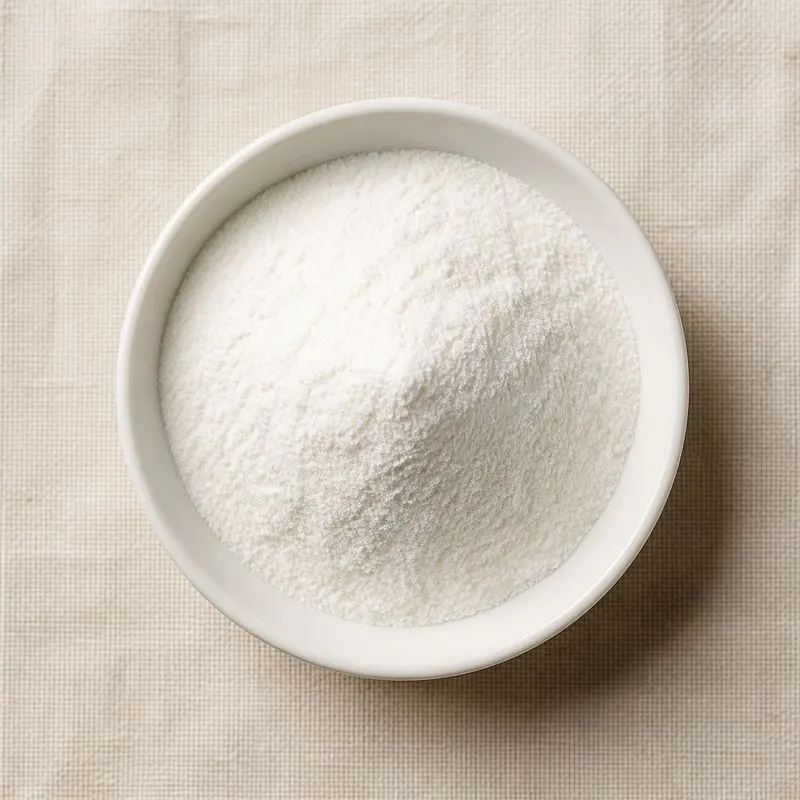
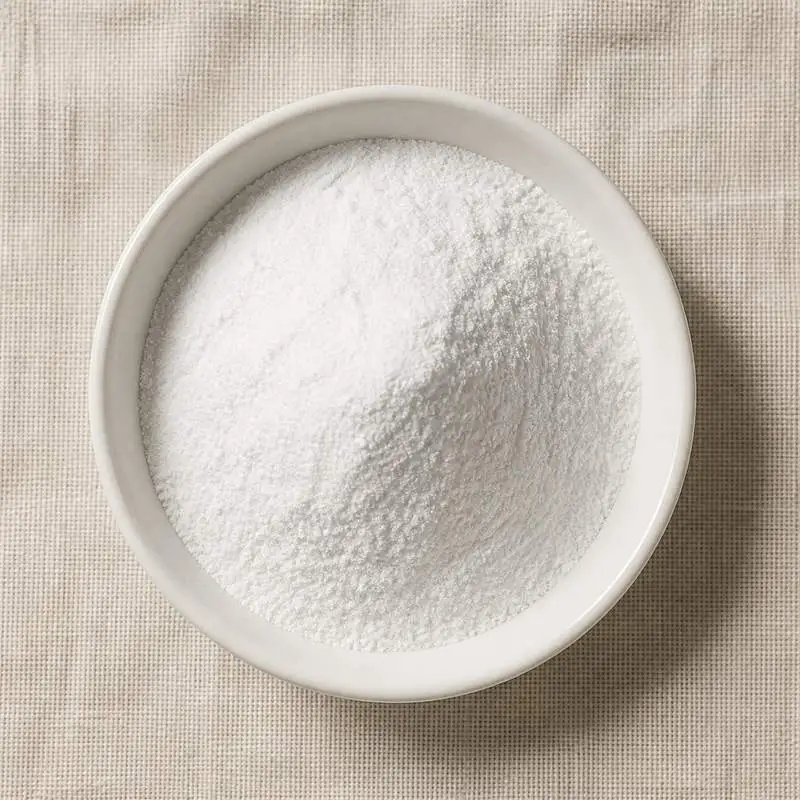
The molecule has the formula C₂₁H₂₀O₁₀ and a molar mass of 432.38 g/mol. It appears as a pale yellow crystalline powder, sparingly soluble in cold water and more soluble in hot water, methanol, and pyridine.
We source bulk Vitexin from top China manufacturers for our partners. The manufacturer is in Shaanxi. A smaller requirement can ship in a combined container with other ingredients.
Please send the grade you need, the volume and your destination port, and we will come back with a solution and a price.
or call +86-21-6858 0751
- Packaging
- 25 kg kraft paper bag with PE inner liner
- ISO 9001
- HACCP
- Halal
- Kosher
Specifications
| Item | Specification |
|---|---|
| Appearance | Light yellow fine powder |
| Vitexin (HPLC) | 10–98% |
| Moisture | ≤5.0% |
| Ash | ≤5.0% |
| Extraction Solvent | Ethanol |
| Melting Point | 258–260 °C |
| Particle Size (80 mesh) | ≥95% |
| Heavy Metals (as Pb) | ≤2 mg/kg |
| Pesticide Residues | Complies |
| Total Plate Count | ≤1,000 cfu/g |
| Salmonella | Absent in 25g |
Common Markets Grades
Vitexin is graded by HPLC purity and by source.
Botanical extract grade ranges from 5 to 20 percent vitexin, usually within standardised hawthorn leaf-and-flower (Crataegus monogyna or Crataegus pinnatifida) extracts where vitexin and isovitexin together serve as quality markers.
Concentrated bulk material from mung bean seed coat carries 50 to 80 percent vitexin for nutraceutical use.
Pharmaceutical and reference grades reach 95, 98, and 99 percent assay. The highest-purity material is produced for pharmacopoeial calibration of hawthorn monographs.
Vitexin-2''-O-rhamnoside, a related glycoside, is sometimes co-quantified and offered as a paired standard.
Applications
- Standardised hawthorn extracts for cardiovascular support supplements
- Sleep and relaxation formulas combined with passionflower extract
- Mung bean polyphenol blends for antioxidant and detox positioning
- Functional teas and infusions sold for vascular tone claims
- Sports recovery products targeting exercise-induced oxidative stress
- Cosmetic emulsions with antioxidant and skin-soothing positioning
- Hair-care tonics drawing on traditional millet polyphenol use
- Quality marker compound for pharmacopoeial hawthorn analyses
- Reference standard for passionflower (Passiflora incarnata) authentication
- Research material in cardioprotection and ischemia models
- Veterinary cardiac-support supplements for senior dogs
- Botanical reference for traditional Chinese medicine quality control
Brands Using Vitexin
Widely-distributed consumer products that list Vitexin on the ingredient label.
- NOW FoodsHawthorn Extract 300 mg Veg Capsules ↗NOW Hawthorn Extract is standardised to 1.8% vitexin-2''-O-rhamnoside; vitexin (apigenin-8-C-glucoside) is the marker flavonoid quantified on the label.Label verified 2026-05-24
- Nootropics DepotVignatex Capsules (Optimized Vitexin) ↗Nootropics Depot's Vignatex combines mung bean and passionflower extracts standardised for vitexin and isovitexin (500 mg optimized vitexin per serving).Label verified 2026-05-24
- Nature's WayHawthorn Standardized Extract ↗Nature's Way Hawthorn Standardized Extract is enriched with 1.8-2.2% vitexin as the standardised bioflavonoid marker.Label verified 2026-05-24
Brand names, product names and logos are the property of their owners. They appear here as published evidence that the ingredient is used, taken from the brand's own label or website. Their appearance is not an endorsement, and it does not mean the brand buys from us or from any manufacturer listed on this site.
China Manufacturers of Vitexin
Top Vitexin manufacturers in China.
Company names and logos are the property of the manufacturers themselves. They are listed here because our own directory records them as producing this ingredient. A listing is not an endorsement by them, and we do not represent them or speak on their behalf.
How We Help Source Vitexin
Direct Factory Sourcing
We run the whole process: selecting the manufacturer from the top Chinese food ingredient producers, negotiating the price, verifying quality, and coordinating the logistics. You deal with us instead of with several factories at once.
Original Packaging and Documents from the Manufacturer
The manufacturer sends your Vitexin out of its own factory in the original packing, through to your destination port. The COA, COO, MSDS, TDS and any certifications reach you from the manufacturer as well.
Free Samples and Lead Time
We send 100 to 500 g free for your own laboratory to test and you cover only the courier, usually within 2 to 3 working days. ETD is usually within 7 to 15 days once the order is confirmed, and we check that date against the factory's own manufacturing schedule before we give it to you.
Combined Shipment
We can load Vitexin together with other ingredients such as Arachidonic Acid, Coenzyme Q10 and Chondroitin Sulphate Sodium into one 20' FCL. If your quantity is small, we can also ship LCL.
Regulatory Status
Vitexin is a natural constituent of foods such as mung bean, pearl millet, and hawthorn berry, and intake from foods is governed by general food law.
In the European Union, hawthorn leaf and flower carry a traditional herbal medicinal product registration under Directive 2004/24/EC, with vitexin and vitexin-2''-rhamnoside specified as quantitative markers in the European Pharmacopoeia monograph for Crataegi folium cum flore.
In the United States, hawthorn and passionflower extracts standardised to vitexin are marketed as dietary-supplement ingredients under DSHEA.
The compound itself is not a registered food additive in any major jurisdiction. No authorised EU health claim references vitexin specifically.
European Pharmacopoeia (Ph. Eur.) and several national pharmacopoeias define vitexin reference substance specifications for use in herbal medicinal product testing.
Manufacturing Process
Industrial vitexin is produced by solvent extraction of plant biomass followed by chromatographic purification.
The dominant raw materials are mung bean (Vigna radiata) seed coats, a byproduct of starch and protein processing in China and Thailand, and hawthorn leaf-and-flower harvested in northern China, eastern Europe, and Morocco.
Ethanol-water mixtures are used for primary extraction, often after preliminary defatting with light hydrocarbon solvents. The crude extract is concentrated under vacuum and loaded onto macroporous adsorption resin.
Stepwise ethanol elution separates vitexin from isovitexin, orientin, and homoorientin. Final polishing involves recrystallisation from aqueous methanol or preparative reversed-phase chromatography for analytical grades.
Enzymatic transglycosylation routes to vitexin from apigenin and uridine-diphosphate-glucose have been demonstrated in vitro but are not yet commercial.