Silicon Dioxide
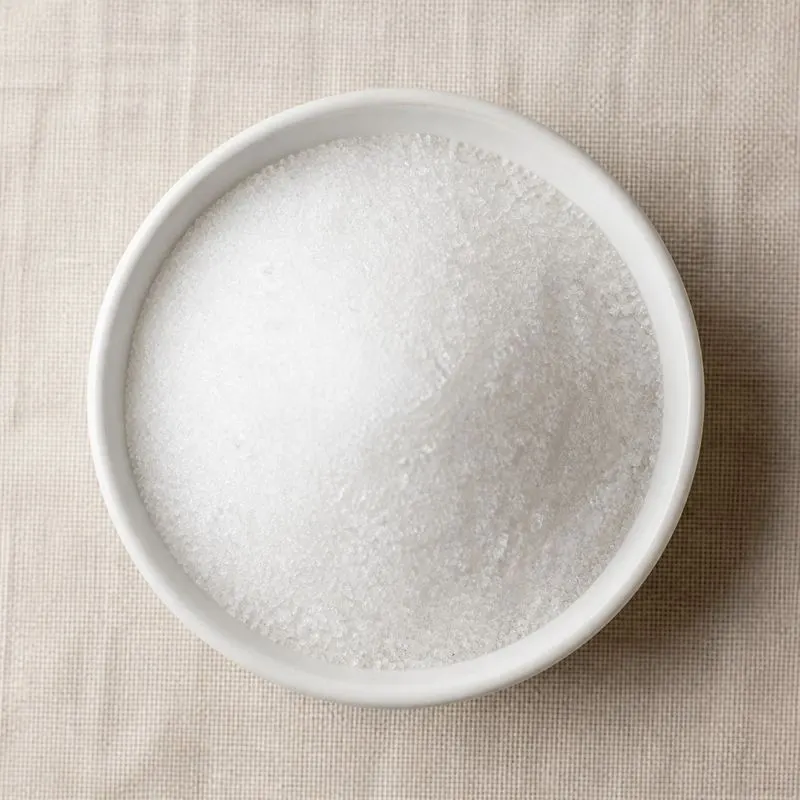
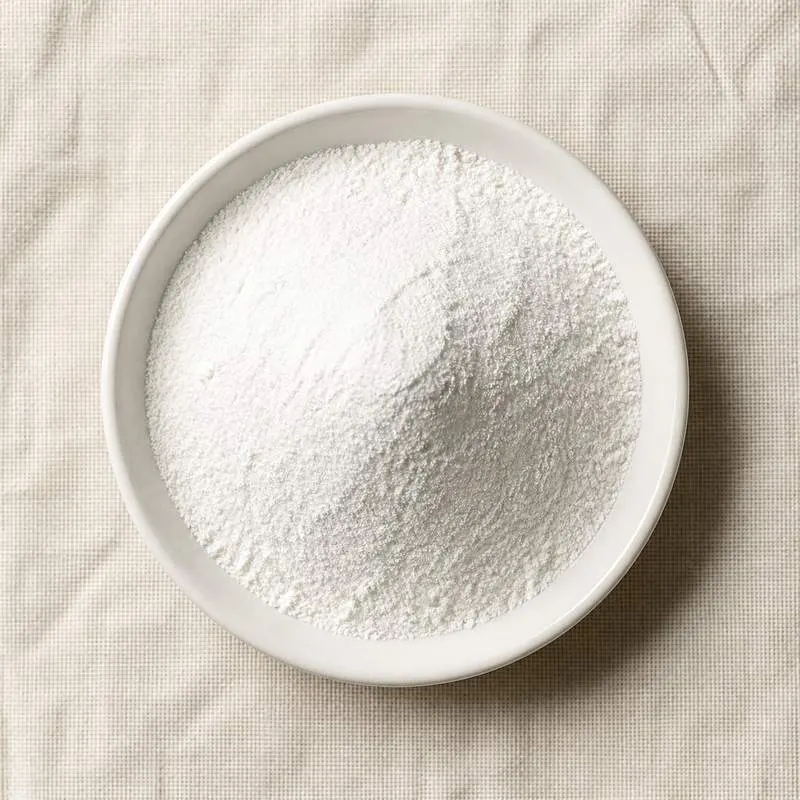
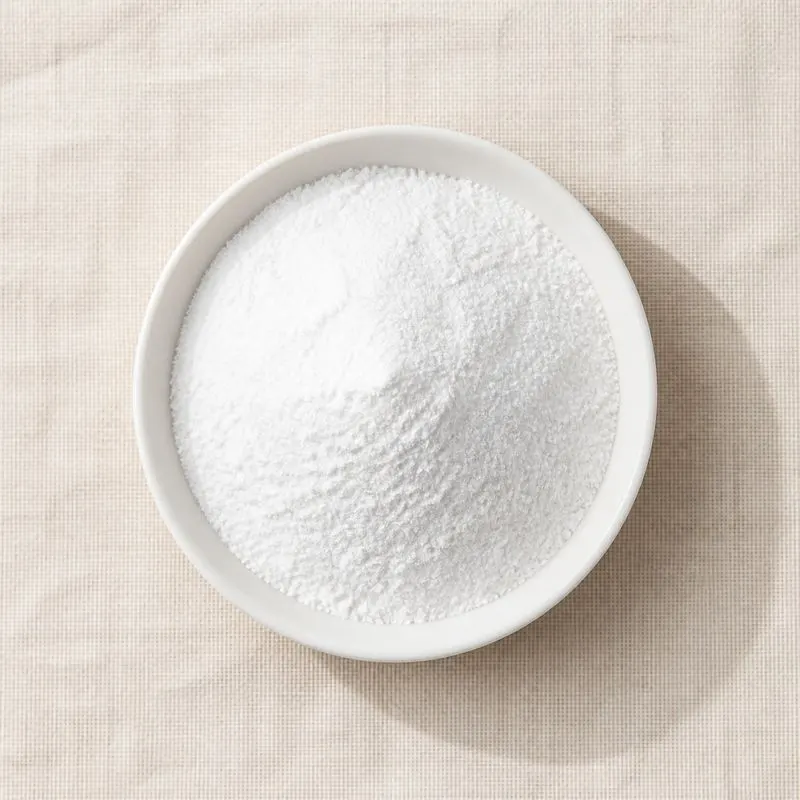
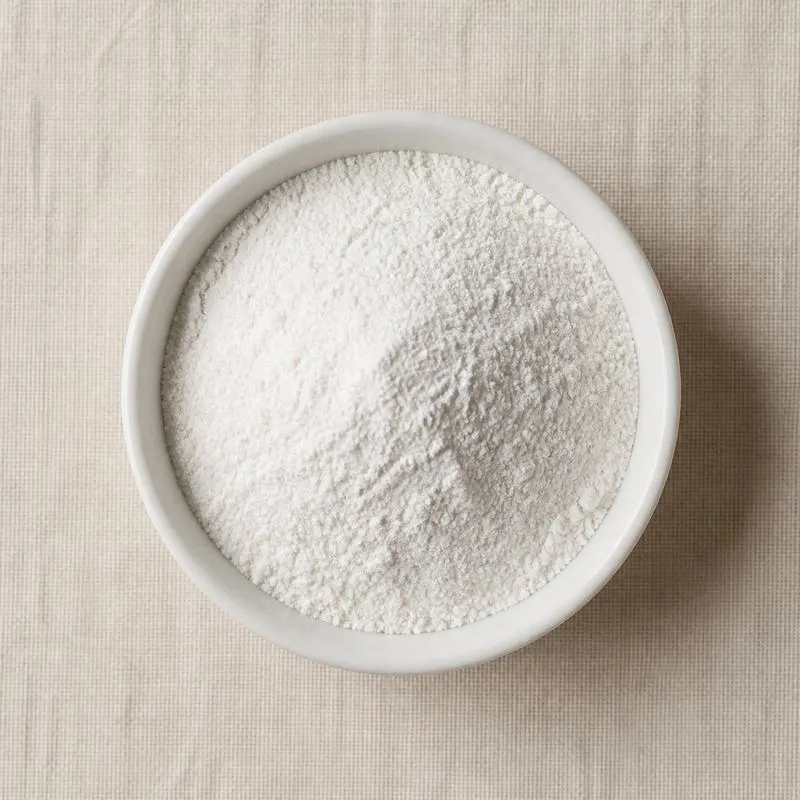
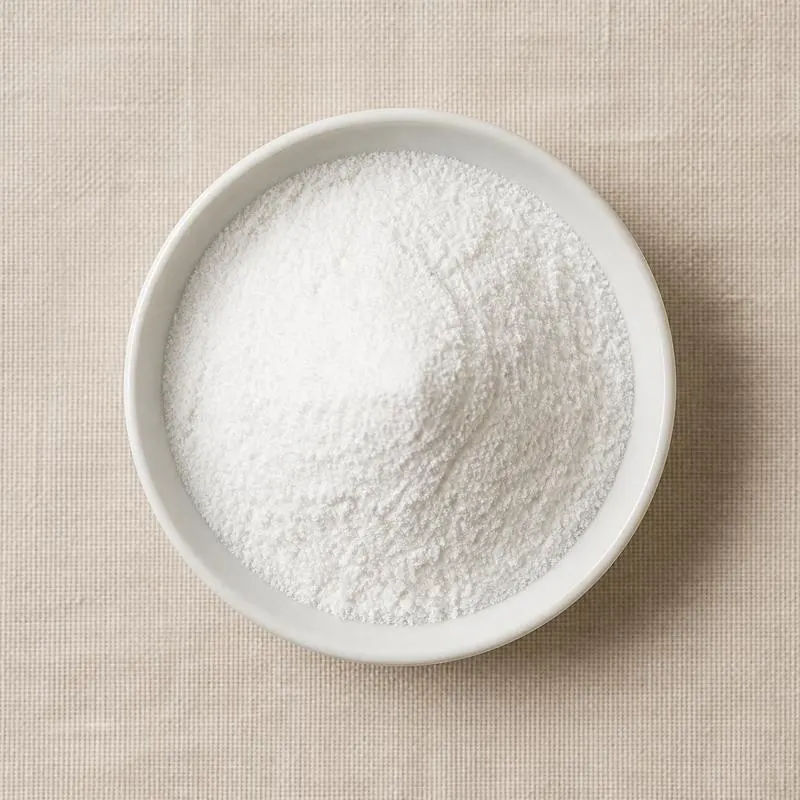
Silicon Dioxide is the chemical compound with formula SiO₂, the most abundant component of the Earth's crust and the active form of silica used as a food additive.
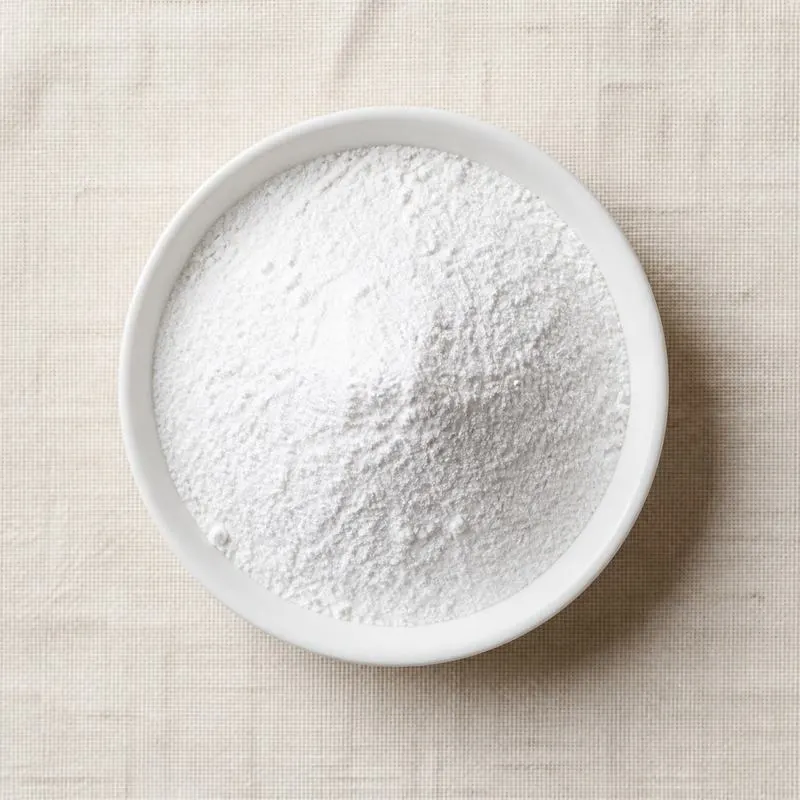
In food, supplement, and pharmaceutical contexts the relevant form is synthetic amorphous silica, sold as a fine white powder that functions as an anti-caking agent, free-flow aid, carrier, and tablet excipient.
We source bulk Silicon Dioxide from top China manufacturers for our partners. The manufacturers are in Jiangsu and Shaanxi. For this ingredient the minimum order is 500 kg and a 20-foot container takes 4 MT, and a smaller requirement can ship in a combined container with other ingredients.
Please send the grade you need, the volume and your destination port, and we will come back with a solution and a price.
or call +86-21-6858 0751
- Minimum order
- 500 kg
- Qty in 20' FCL
- 4 MT
- Packaging
- 25 kg kraft paper bag with PE inner liner
- ISO 9001
- HACCP
- Halal
- Kosher
Specifications
| Item | Specification |
|---|---|
| Appearance | White amorphous fluffy powder |
| Assay (SiO2, dry basis) | ≥ 99.0% |
| Loss on drying (105 °C, 2 h) | ≤ 7.0% |
| Loss on ignition (1000 °C) | ≤ 8.5% |
| pH (5% suspension) | 5.5 to 7.5 |
| Surface area (BET) | 150 to 380 m²/g (grade dependent) |
| Heavy metals (as Pb) | ≤ 10 mg/kg |
| Arsenic | ≤ 3 mg/kg |
| Soluble salts | ≤ 5.0% |
| Particle size | Per customer specification |
Common Markets Grades
Two manufacturing routes give the two main commercial grades of synthetic amorphous silica.
Precipitated silica is produced by acidifying a sodium silicate solution. It has a moderately high surface area (typically 100 to 300 m²/g), larger primary aggregate size, and good liquid-carrying capacity. It is the standard anti-caking agent for table salt, powdered spices, and dry-blend seasoning mixes.
Fumed silica (also called pyrogenic silica) is produced by flame hydrolysis of silicon tetrachloride. It has a much higher surface area (typically 130 to 380 m²/g), smaller primary particles, and very strong thickening behaviour in liquids. It is preferred in pharmaceutical tablet glidants, where free-flow is the priority and inclusion levels are low.
Colloidal silica (aqueous silica sol) is a stable dispersion used in beverage clarification and beer fining. Silica gel, a more porous form, is used as a desiccant and as a chromatographic stationary phase.
Applications
- Anti-caking agent in table salt, garlic powder, onion powder, and dry seasoning blends
- Free-flow aid in powdered drink mixes, instant soups, and bouillon cubes
- Glidant in pharmaceutical and nutraceutical tablet and capsule formulations
- Carrier for liquid flavours, oils, and vitamins converted to free-flowing powders
- Bulking and processing aid in dietary supplements
- Beer and wine fining agent for haze-protein removal
- Defoaming aid in liquid food and pharmaceutical processing
- Toothpaste abrasive at fine, controlled particle size
- Thickener and matting agent in coatings, inks, and cosmetics
- Desiccant sachets and breathable moisture-control packets for packaged goods
Brands Using Silicon Dioxide
Widely-distributed consumer products that list Silicon Dioxide on the ingredient label.
- McCormickMcCormick Garlic and Olive Oil Seasoning Blend ↗Ingredients include silicon dioxide explicitly labeled "to make free flowing" as the anti-caking agent.Label verified 2026-05-24
- McCormickMcCormick Garlic Powder ↗McCormick uses silicon dioxide as a free-flow/anti-caking agent in seasoning blends and ground spices.Label verified 2026-05-24
- Frontier Co-opFrontier Co-op Taco Seasoning ↗Ingredient panel lists silicon dioxide directly as an anti-caking agent in the taco seasoning blend.Label verified 2026-05-24
- Frontier Co-opFrontier Co-op Mexican Seasoning ↗Chili pepper and paprika components carry silicon dioxide as anti-caking agent in the Mexican seasoning blend.Label verified 2026-05-24
- Nature MadeNature Made Multivitamin Tablets with Iron ↗Silicon dioxide is listed as an inactive ingredient (flow agent / anti-caking) in Nature Made Multivitamin tablets.Label verified 2026-05-24
- Nature MadeNature Made Multi For Her Multivitamin Tablets ↗Multi For Her formulation lists silicon dioxide among the inactive ingredients as a tablet flow agent.Label verified 2026-05-24
- CentrumCentrum Silver Adults 50+ Multivitamin ↗Centrum Silver Adults labeling lists silicon dioxide among the inactive ingredients used as a manufacturing flow aid.Label verified 2026-05-24
- CentrumCentrum Adult Multivitamin ↗Centrum Adult multivitamin tablets include silicon dioxide as an inactive excipient.Label verified 2026-05-24
- NOW FoodsNOW C-1000 with Zinc Immune ↗NOW Foods lists silicon dioxide as a flow agent in C-1000 with Zinc Immune; the brand documents its use as a supplement excipient.Label verified 2026-05-24
- NOW FoodsNOW Silica Complex Tablets ↗Silica Complex tablets contain silicon dioxide (silica) as both an ingredient and a manufacturing aid.Label verified 2026-05-24
- Quest NutritionQuest Cinnamon Crunch Protein Powder ↗Ingredient panel lists silicon dioxide (under 2%) as an anti-caking/flow agent in the powdered protein blend.Label verified 2026-05-24
- Quest NutritionQuest Chocolate Milkshake Protein Powder ↗Chocolate Milkshake protein powder lists silicon dioxide among the under-2% ingredients as a flow agent.Label verified 2026-05-24
Brand names, product names and logos are the property of their owners. They appear here as published evidence that the ingredient is used, taken from the brand's own label or website. Their appearance is not an endorsement, and it does not mean the brand buys from us or from any manufacturer listed on this site.
China Manufacturers of Silicon Dioxide
Top Silicon Dioxide manufacturers in China.
- Glassven Yangzhong Additives J.v.Ltd.2 ingredients in the directory
- Shanxi Zhiqi Biotechnology Co., Ltd.6 ingredients in the directory
Company names and logos are the property of the manufacturers themselves. They are listed here because our own directory records them as producing this ingredient. A listing is not an endorsement by them, and we do not represent them or speak on their behalf.
How We Help Source Silicon Dioxide
Direct Factory Sourcing
We run the whole process: selecting the manufacturer from the top Chinese food ingredient producers, negotiating the price, verifying quality, and coordinating the logistics. You deal with us instead of with several factories at once.
Original Packaging and Documents from the Manufacturer
The manufacturer sends your Silicon Dioxide out of its own factory in the original packing, through to your destination port. The COA, COO, MSDS, TDS and any certifications reach you from the manufacturer as well.
Free Samples and Lead Time
We send 100 to 500 g free for your own laboratory to test and you cover only the courier, usually within 2 to 3 working days. ETD is usually within 7 to 15 days once the order is confirmed, and we check that date against the factory's own manufacturing schedule before we give it to you.
Combined Shipment
We can load Silicon Dioxide together with other ingredients such as Sodium Acetate, Calcium Citrate and Sodium Lactate into one 20' FCL. If your quantity is small, we can also ship LCL.
Regulatory Status
Synthetic amorphous silica is approved as a food additive in the European Union under E551.
In the United States it is Generally Recognized as Safe under 21 CFR 172.480 for use as an anti-caking agent, with a use-level limit of 2 percent in the finished food. It also appears in 21 CFR 182.90 for general dietary supplement use.
The European Food Safety Authority re-evaluated E551 in 2018 and could not conclude on a numerical safety value because of gaps in particle-size characterisation data. EFSA subsequently issued follow-up opinions defining the conditions under which E551 specifications should be tightened, and the European Commission has updated the additive specification accordingly to exclude material meeting the definition of a nanomaterial in food.
Pharmacopoeial monographs exist in USP (as colloidal silicon dioxide and as silicon dioxide), Ph. Eur., and JP. The monographs distinguish between the precipitated and fumed forms.
Crystalline silica forms (quartz, cristobalite, tridymite) are not the same material as the amorphous food additive and are regulated as workplace carcinogens by IARC. The food additive specification explicitly excludes crystalline silica.
Manufacturing Process
Two industrial routes produce essentially all food- and pharma-grade synthetic amorphous silica.
The precipitated silica route starts from quartz sand, which is fused with sodium carbonate at high temperature to give water-soluble sodium silicate ('water glass'). The silicate solution is then acidified, usually with sulphuric acid, to nucleate and grow silica particles that are filtered, washed free of sodium sulphate, and spray-dried. Process variables such as pH, temperature, and electrolyte concentration control the final surface area and particle shape.
The fumed silica route burns silicon tetrachloride in a hydrogen-oxygen flame at around 1800 °C. The reaction yields fine SiO₂ particles suspended in HCl gas, which are separated by cyclone and bag filter and then deacidified. Particle size is controlled by flame temperature, residence time, and feedstock concentration.
Major producers include Evonik (Aerosil and Sipernat brands), Cabot (Cab-O-Sil), Wacker (HDK), and Solvay, with significant additional capacity in China, Japan (Tokuyama, Nippon Aerosil), and South Korea.