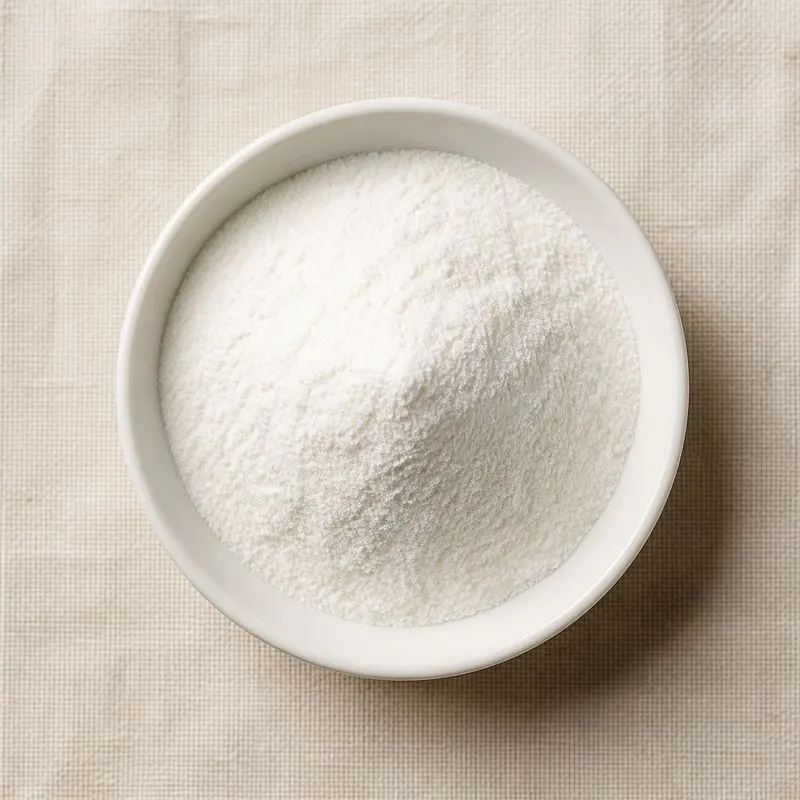
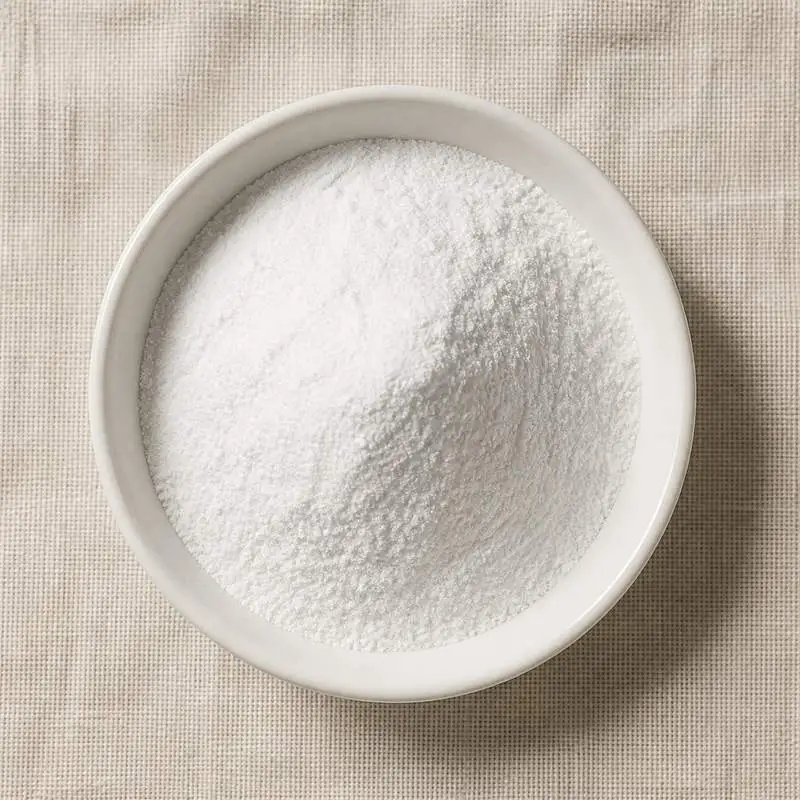
Betaine Monohydrate
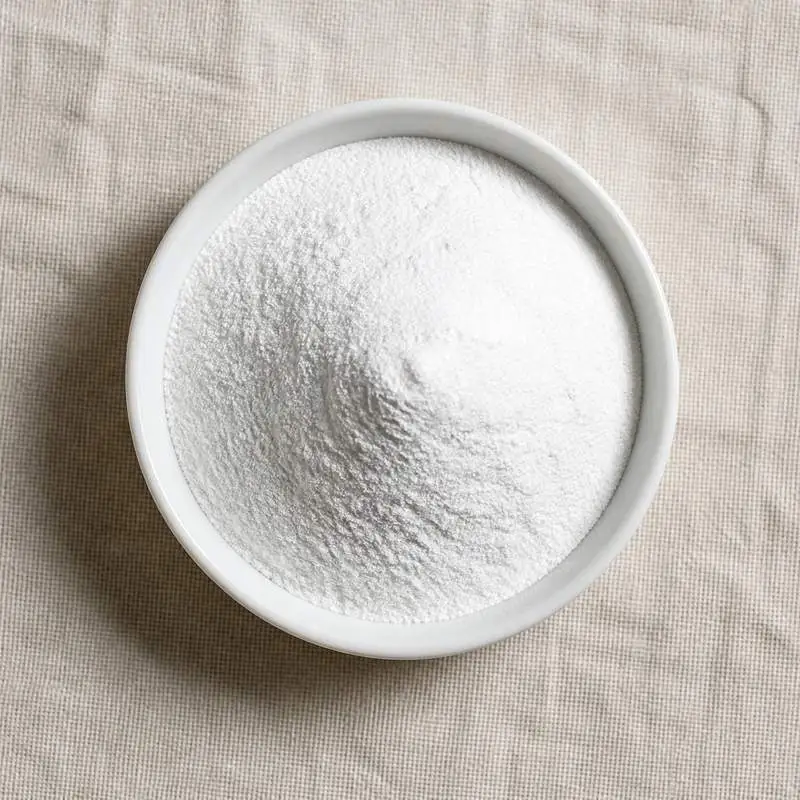
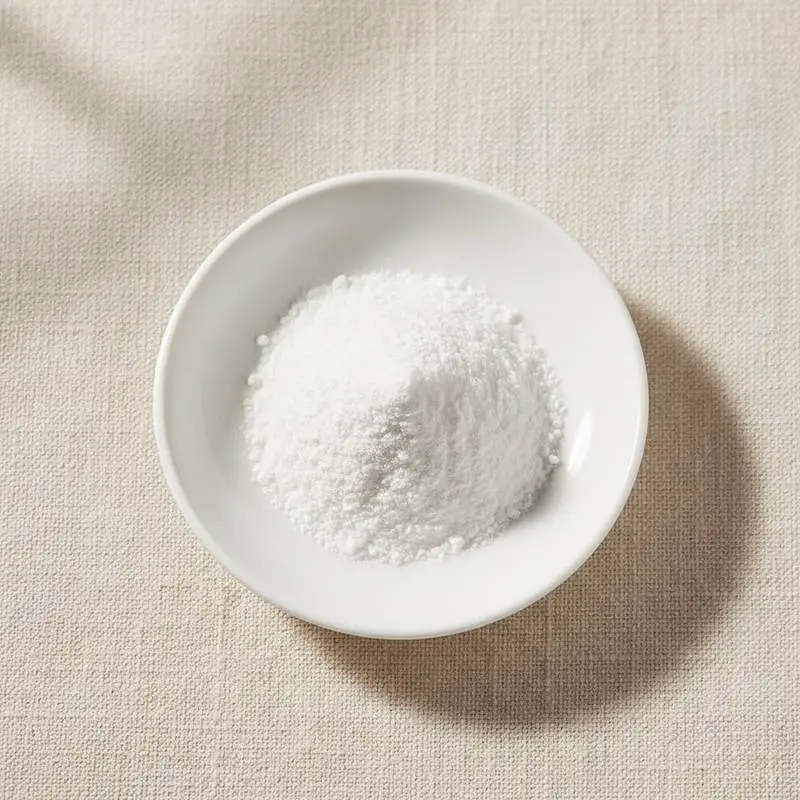
Betaine Monohydrate is the singly hydrated crystalline form of trimethylglycine (TMG), carrying one molecule of water per molecule of betaine and assaying approximately 88 percent on a TMG basis.
The crystal formula is C₅H₁₁NO₂·H₂O with a molar mass of 135.16 g/mol. It is the cheaper of the two solid formats and dominates volume use in animal feed.
We source bulk Betaine Monohydrate from top China manufacturers for our partners. The manufacturers are in Shandong. A smaller requirement can ship in a combined container with other ingredients.
Please send the grade you need, the volume and your destination port, and we will come back with a solution and a price.
or call +86-21-6858 0751
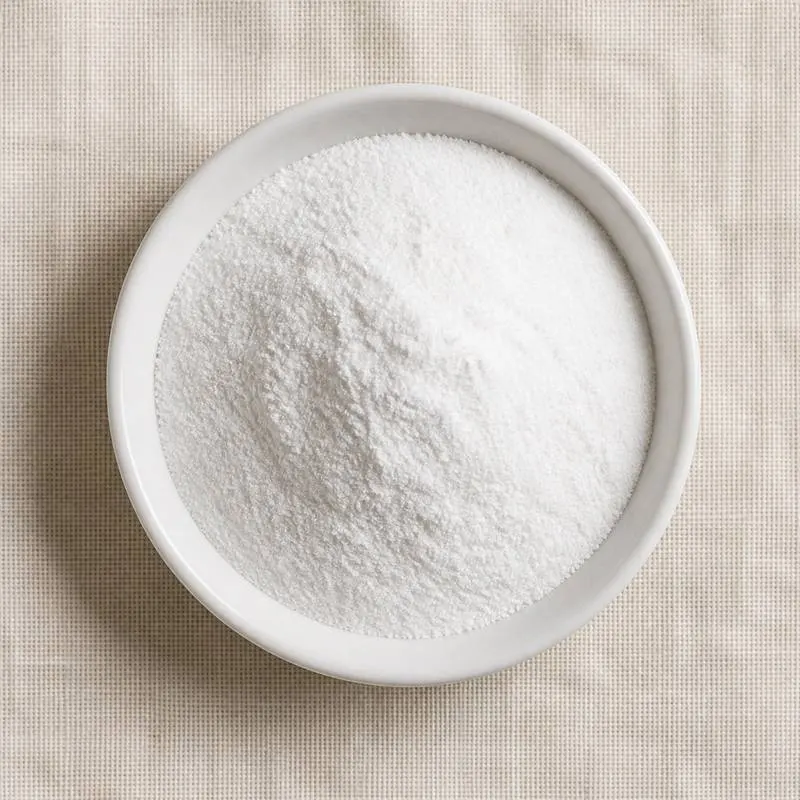
- Packaging
- 25 kg kraft paper bag with PE inner liner
- ISO 9001
- HACCP
- Halal
- Kosher
Specifications
| Item | Specification |
|---|---|
| Appearance | White or off-white crystalline powder |
| Assay (active betaine, dry basis) | ≥ 96.0% |
| Water content | 11.0% to 14.0% |
| pH (10% solution) | 5.5 to 7.5 |
| Chloride | ≤ 0.5% |
| Heavy metals (as Pb) | ≤ 10 mg/kg |
| Arsenic | ≤ 2 mg/kg |
| Residue on ignition | ≤ 0.5% |
| Total plate count | ≤ 1,000 cfu/g |
| E. coli and Salmonella | Negative |
| Particle size | 100% through 20 mesh, or per customer specification |
Common Markets Grades
Feed-grade betaine monohydrate is the largest category, sold as a free-flowing crystalline solid at 96 to 98 percent purity (88 percent TMG equivalent). Particle size is selected to suit pellet mills and on-farm mixers.
Food-grade and supplement-grade material runs at higher purity, with tightened heavy-metal limits and microbiological testing. This grade serves powdered drink mixes, gummies, and low-cost capsule fills.
A coated feed-grade variant exists for ruminant applications, where the coating delays release until the lower digestive tract, protecting the methyl-donor activity from rumen microbial degradation.
Granular and prilled formats are produced for premixers that prefer dust-free handling. All formats are typically packed in 25 kg paper-polyethylene bags or 500 to 1000 kg flexible intermediate bulk containers.
Applications
- Broiler, layer, and breeder feed for osmoprotection during heat stress
- Swine starter and finisher diets for partial choline-chloride replacement
- Aquafeed for salmon, tilapia, and shrimp to support osmoregulation in variable-salinity ponds
- Dairy and beef cattle premixes for productivity during summer months
- Pet food as a methyl-donor input and palatant in dry kibble
- Cost-led dietary supplements where price per active gram drives the formula
- Powdered sports-nutrition products as a budget alternative to anhydrous betaine
- Liquid feed concentrates after rapid dissolution in water
- Functional beverage premixes and electrolyte blends
- Industrial cosmetic concentrates as a humectant raw material
- Fermentation media as a nitrogen source and osmotic stabiliser for production strains
Brands Using Betaine Monohydrate
Widely-distributed consumer products that list Betaine Monohydrate on the ingredient label.
- Transparent LabsBULK Pre-Workout (Betaine) ↗Transparent Labs BULK pre-workout supplies 2,500 mg betaine (as BetaPure) per serving as an osmolyte and methyl donor that supports muscle hydration, strength and endurance.Label verified 2026-05-24
- NOW FoodsTMG Betaine 1,000 mg Tablets ↗NOW Foods TMG Betaine 1,000 mg tablets supply betaine (trimethylglycine) as a methyl donor that supports healthy homocysteine metabolism and liver function.Label verified 2026-05-24
- NutraBioTMG (Betaine) 500 mg Capsules ↗NutraBio TMG capsules deliver 500 mg betaine (trimethylglycine) per capsule (1,000 mg per serving) for methylation support, homocysteine balance and exercise performance.Label verified 2026-05-24
Brand names, product names and logos are the property of their owners. They appear here as published evidence that the ingredient is used, taken from the brand's own label or website. Their appearance is not an endorsement, and it does not mean the brand buys from us or from any manufacturer listed on this site.
China Manufacturers of Betaine Monohydrate
Top Betaine Monohydrate manufacturers in China.
- Jinan Asia Pharmaceutical Co., Ltd.9 ingredients in the directory
 Jinan Pengbo Biotechnology Co., Ltd.9 ingredients in the directory
Company names and logos are the property of the manufacturers themselves. They are listed here because our own directory records them as producing this ingredient. A listing is not an endorsement by them, and we do not represent them or speak on their behalf.
How We Help Source Betaine Monohydrate
Direct Factory Sourcing
We run the whole process: selecting the manufacturer from the top Chinese food ingredient producers, negotiating the price, verifying quality, and coordinating the logistics. You deal with us instead of with several factories at once.
Original Packaging and Documents from the Manufacturer
The manufacturer sends your Betaine Monohydrate out of its own factory in the original packing, through to your destination port. The COA, COO, MSDS, TDS and any certifications reach you from the manufacturer as well.
Free Samples and Lead Time
We send 100 to 500 g free for your own laboratory to test and you cover only the courier, usually within 2 to 3 working days. ETD is usually within 7 to 15 days once the order is confirmed, and we check that date against the factory's own manufacturing schedule before we give it to you.
Combined Shipment
We can load Betaine Monohydrate together with other ingredients such as Arachidonic Acid, Coenzyme Q10 and Chondroitin Sulphate Sodium into one 20' FCL. If your quantity is small, we can also ship LCL.
Regulatory Status
Betaine Monohydrate is approved across the same regulatory frameworks as anhydrous betaine, with feed use carrying the largest set of dossiers.
The European Union authorises betaine and betaine monohydrate as zootechnical feed additives across food-producing species under Commission Implementing Regulations, following positive European Food Safety Authority opinions.
The U.S. Food and Drug Administration accepts betaine as GRAS for food use under GRN 117 and lists it for animal-feed use in the AAFCO Official Publication.
Pharmacopoeial recognition is held by the anhydrous form, but monohydrate material is routinely characterised against the same identity tests with a water-content adjustment.
Halal, Kosher, and non-GMO certifications are routinely offered. The sugar-beet origin and the absence of animal-derived processing aids make the supply chain straightforward to audit.
Manufacturing Process
Monohydrate is the first crystalline product to fall out of betaine recovery from sugar-beet molasses.
Beet molasses is fed to a simulated moving-bed (SMB) chromatography column charged with a strong-acid cation resin. The resin separates the molasses stream into a sucrose-rich fraction and a betaine-rich raffinate. Auxiliary streams capture residual amino acids and inorganic salts.
The betaine raffinate is concentrated by multiple-effect evaporation. Cooling crystallisation then deposits betaine monohydrate, which is centrifuged, washed, and dried at temperatures kept low enough to preserve the lattice water.
Mother liquors are recycled to recover residual betaine. The final monohydrate is screened to the requested particle size, packed, and palletized.
Producers include Nordzucker (and its Suomen Sokeri operation in Finland), DuPont, and a growing cluster of Chinese beet-sugar mills that have added SMB lines since the 2000s.