Betaine
Betaine is a zwitterionic quaternary ammonium compound, also called trimethylglycine (TMG), used as a methyl donor, osmolyte, and functional ingredient in human nutrition, animal feed, and personal care.
The molecule (C₅H₁₁NO₂, CAS 107-43-7) was first isolated from sugar beet (Beta vulgaris), from which it takes its name. Industrial supply still flows largely from sugar-beet molasses processing.
We source bulk Betaine from top China manufacturers for our partners, working with several of them. The manufacturers are in Shandong and Zhejiang. For this ingredient the minimum order is 500 kg and a 20-foot container takes 16 MT, and a smaller requirement can ship in a combined container with other ingredients.
Please send the grade you need, the volume and your destination port, and we will come back with a solution and a price.
or call +86-21-6858 0751
- Minimum order
- 500 kg
- Qty in 20' FCL
- 16 MT
- Packaging
- 25 kg kraft paper bag with PE inner liner
- Function
- Nutraceutical
- ISO 9001
- HACCP
- Halal
- Kosher
Specifications
Grades / Types Available: Food Grade, Pharma Grade
| Item | Specification |
|---|---|
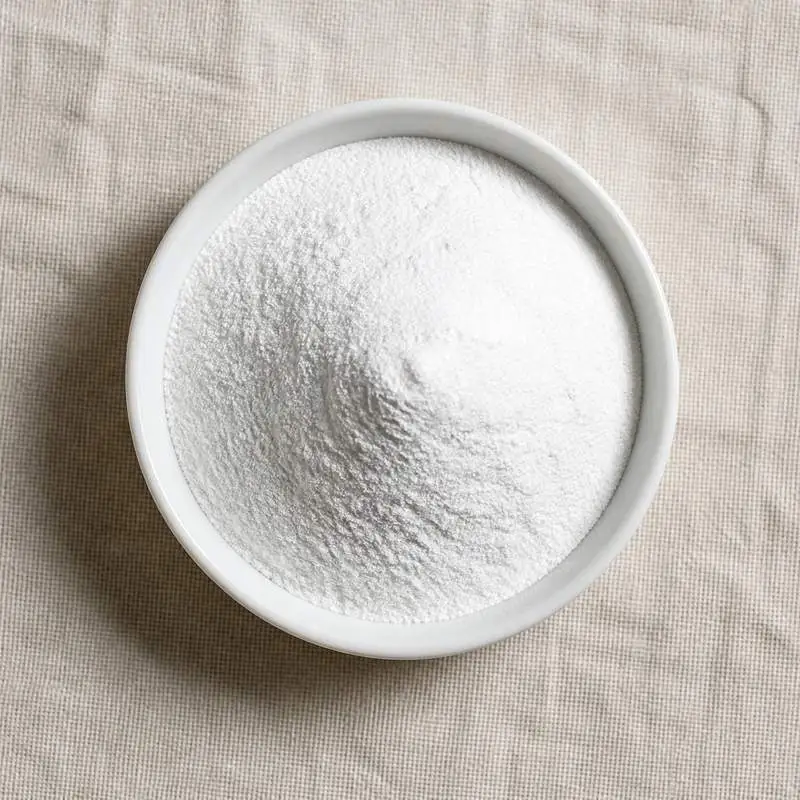
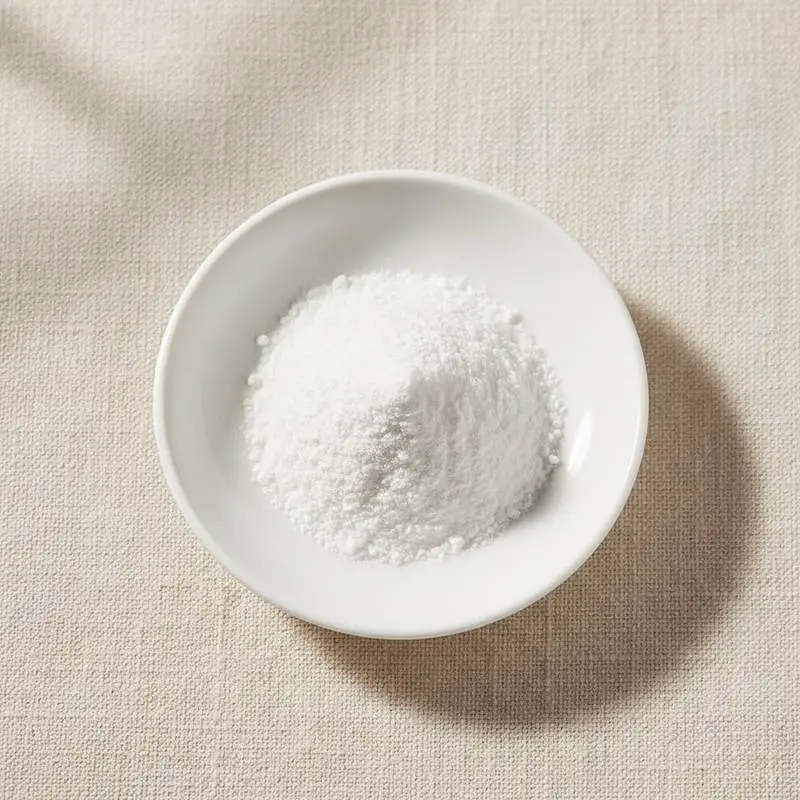
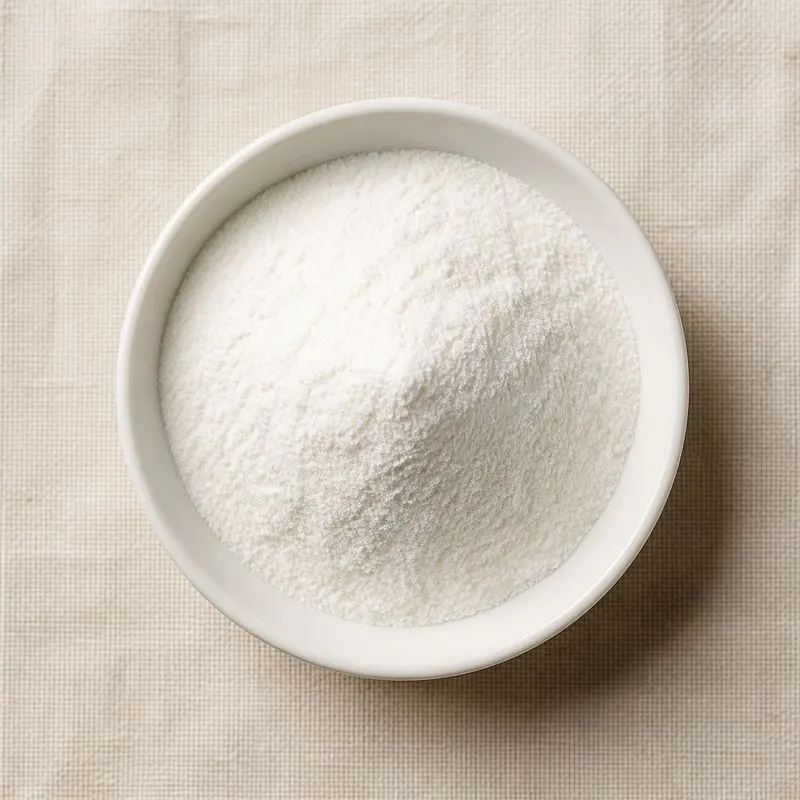
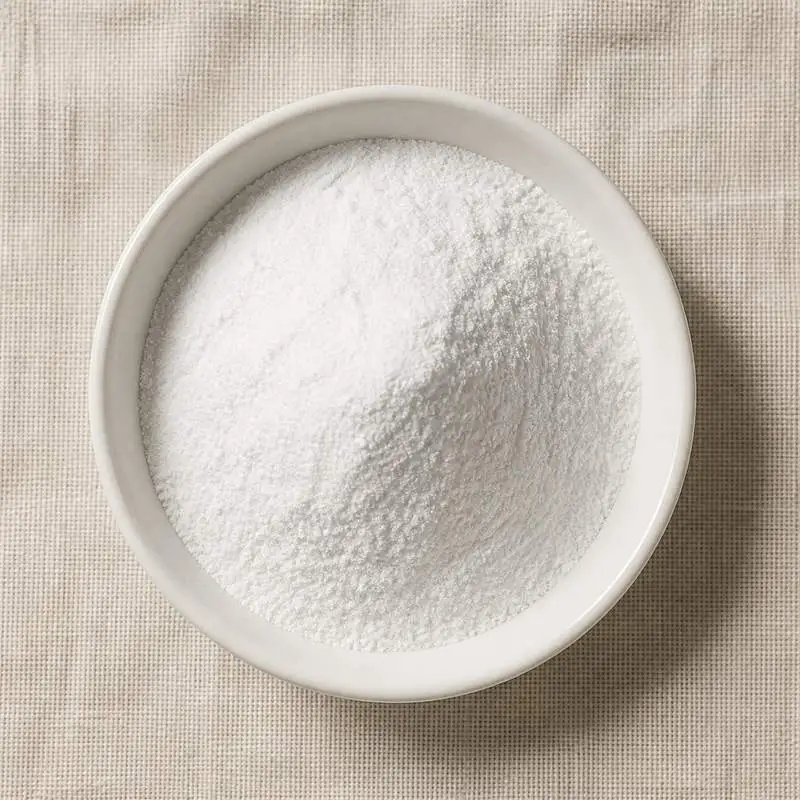
| Appearance | White crystalline powder |
| Assay (on dry basis) | ≥98.0% |
| Loss on Drying | ≤1.0% |
| Residue on Ignition | ≤0.1% |
| pH (10% solution) | 5.0–7.0 |
| Heavy Metals (as Pb) | ≤10 ppm |
| Arsenic | ≤1 ppm |
| Chloride | ≤0.5% |
| Sulfate | ≤0.05% |
| Total Plate Count | ≤1000 CFU/g |
Common Markets Grades
Betaine takes three principal physical forms.
Anhydrous betaine at 98 to 99 percent assay is the densest grade and the standard choice for dry-blended supplements, pre-workout sticks, and powdered beverage mixes.
Betaine monohydrate carries one molecule of crystal water and assays around 88 percent on a TMG basis. It is the cheaper format and dominates animal-feed applications.
Aqueous betaine solutions at 40 to 50 percent w/w are sold to liquid-feed plants, cosmetic-ingredient houses, and surfactant blenders that prefer to dose a solution rather than dissolve a solid.
Food-grade and feed-grade specifications differ in heavy-metal limits, microbiological criteria, and residual solvent allowances. Cosmetic grades follow INCI naming (Betaine) and are tested against the ISO 16128 natural-origin index.
Applications
- Sports nutrition: pre-workout formulas and creatine stacks at 1.5 to 2.5 grams per serving for power-output support
- Cardiovascular and methylation supplements, often combined with folate, vitamin B6, and vitamin B12
- Liver-support products marketed for homocysteine management and hepatic methylation
- Medical nutrition for inherited homocystinuria under physician supervision
- Poultry, swine, and aquaculture feed as an osmoprotectant and partial choline-chloride replacer
- Ruminant feed additives to reduce heat-stress losses in dairy and beef cattle
- Functional beverages and electrolyte mixes using osmolyte hydration claims
- Personal-care leave-on and rinse-off formulas as a humectant and mildness booster
- Toothpaste and mouthwash for dry-mouth (xerostomia) relief
- Surfactant blends where TMG softens the irritation profile of anionic systems
- Pet food and treats as a palatant and methyl-donor enrichment
Brands Using Betaine
Widely-distributed consumer products that list Betaine on the ingredient label.
- NOW SportsBetaine Powder (Pure Trimethylglycine) ↗NOW Sports Betaine Powder is 100% pure trimethylglycine (TMG/betaine) that helps preserve cell volume and promote endurance, power output and muscle performance during intense exercise.Label verified 2026-05-24
- NOW FoodsTMG Betaine 1,000 mg Tablets ↗Tablets supplying 1,000 mg TMG (trimethylglycine, betaine), a methyl donor.Label verified 2026-05-24
- BrainMDBetaine TMG (Mood & Methyl Support) ↗A capsule supplying 500 mg betaine (trimethylglycine), a methyl donor.Label verified 2026-05-24
- Source NaturalsTMG (Trimethylglycine) 750 mg Tablets ↗Tablets supplying anhydrous betaine (trimethylglycine), a methyl donor.Label verified 2026-05-24
Brand names, product names and logos are the property of their owners. They appear here as published evidence that the ingredient is used, taken from the brand's own label or website. Their appearance is not an endorsement, and it does not mean the brand buys from us or from any manufacturer listed on this site.
China Manufacturers of Betaine
Top Betaine manufacturers in China.
 Healthy (Hangzhou) Husbandry Sci-tech Co., Ltd.6 ingredients in the directory
- Jinan Asia Pharmaceutical Co., Ltd.9 ingredients in the directory
 Jinan Pengbo Biotechnology Co., Ltd.9 ingredients in the directory
 Shandong Aobo Bio-Tech Co., Ltd.11 ingredients in the directory
Company names and logos are the property of the manufacturers themselves. They are listed here because our own directory records them as producing this ingredient. A listing is not an endorsement by them, and we do not represent them or speak on their behalf.
How We Help Source Betaine
Direct Factory Sourcing
We run the whole process: selecting the manufacturer from the top Chinese food ingredient producers, negotiating the price, verifying quality, and coordinating the logistics. You deal with us instead of with several factories at once.
Original Packaging and Documents from the Manufacturer
The manufacturer sends your Betaine out of its own factory in the original packing, through to your destination port. The COA, COO, MSDS, TDS and any certifications reach you from the manufacturer as well.
Free Samples and Lead Time
We send 100 to 500 g free for your own laboratory to test and you cover only the courier, usually within 2 to 3 working days. ETD is usually within 7 to 15 days once the order is confirmed, and we check that date against the factory's own manufacturing schedule before we give it to you.
Combined Shipment
We can load Betaine together with other ingredients such as Arachidonic Acid, Coenzyme Q10 and Chondroitin Sulphate Sodium into one 20' FCL. If your quantity is small, we can also ship LCL.
Regulatory Status
Betaine is a permitted food ingredient in most regulated markets.
The U.S. Food and Drug Administration affirmed it as Generally Recognized as Safe (GRAS Notice GRN 117) for use in conventional foods and beverages, and it is also approved as a prescription drug (Cystadane) for homocystinuria.
In the European Union, anhydrous betaine is authorised as a novel food and as a feed additive for several species under Commission Regulations. The European Food Safety Authority issued favorable opinions on both files.
Pharmacopoeial monographs for anhydrous betaine appear in the United States Pharmacopeia (USP) and the European Pharmacopoeia (Ph. Eur.). Cosmetic use is covered under the INCI name Betaine and is unrestricted in the EU Cosmetics Regulation Annexes.
Halal and Kosher certifications are routinely issued, since the sugar-beet feedstock is plant-derived and processing aids are typically non-animal.
Manufacturing Process
Industrial betaine is recovered from sugar-beet processing rather than chemically synthesised.
Beet molasses, the residual syrup left after sucrose crystallisation, contains 4 to 7 percent betaine on a dry basis. The molasses is processed through a chromatographic separation, most commonly a simulated moving-bed (SMB) system on a strong-acid cation resin, which fractionates sucrose, betaine, and residual salts.
The betaine-rich fraction is concentrated by evaporation. From that concentrate the route diverges. Direct cooling crystallisation yields betaine monohydrate. Further drying under vacuum converts the monohydrate to the anhydrous form.
Finland-based Suomen Sokeri (now part of Nordzucker) pioneered the SMB recovery in the 1970s and still produces betaine by this route. Chinese beet-sugar mills in Xinjiang and Inner Mongolia have built equivalent capacity since the 2000s.
A minor synthetic route oxidises choline or alkylates glycine with methyl chloride, but the cost rarely competes with beet-derived material.