Black Rice Extract
Black Rice Extract is an anthocyanin-rich concentrate from the pigmented bran of Oryza sativa black-rice cultivars. The dominant pigment is cyanidin-3-glucoside (C3G), the same anthocyanin that colours blackberries and dark cherries.
The extract is positioned as a natural purple-to-black food colour and as an antioxidant active for cardiovascular, eye-health, and beauty formulas.
We source bulk Black Rice Extract from top China manufacturers for our partners. The manufacturers are in Shaanxi and Hubei. A smaller requirement can ship in a combined container with other ingredients.
Please send the grade you need, the volume and your destination port, and we will come back with a solution and a price.
or call +86-21-6858 0751
- Packaging
- 25 kg fibre drum with double PE liner
- ISO 9001
- HACCP
- Halal
- Kosher
Specifications
| Item | Specification |
|---|---|
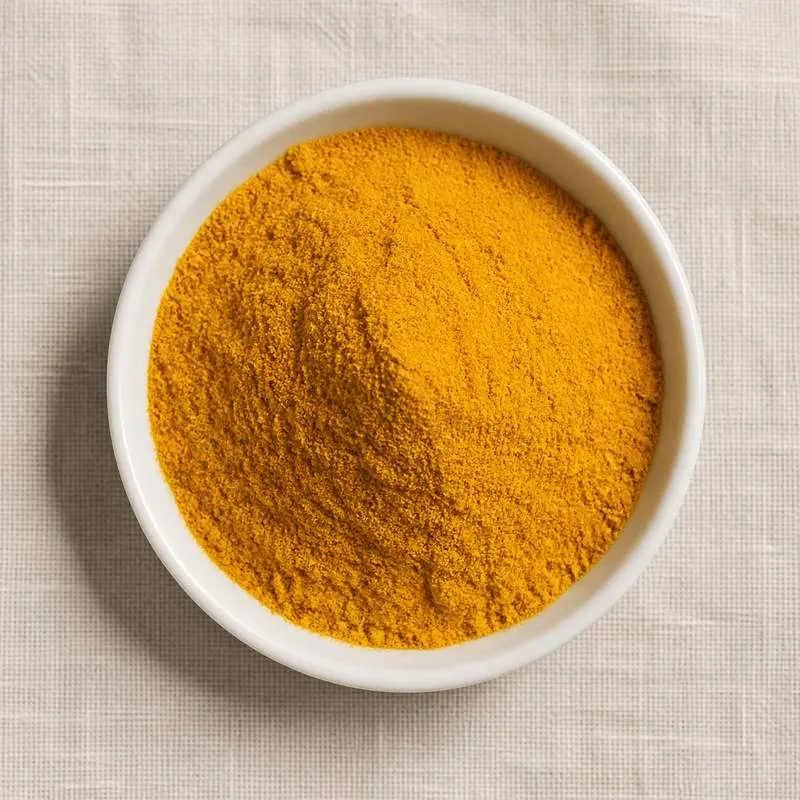
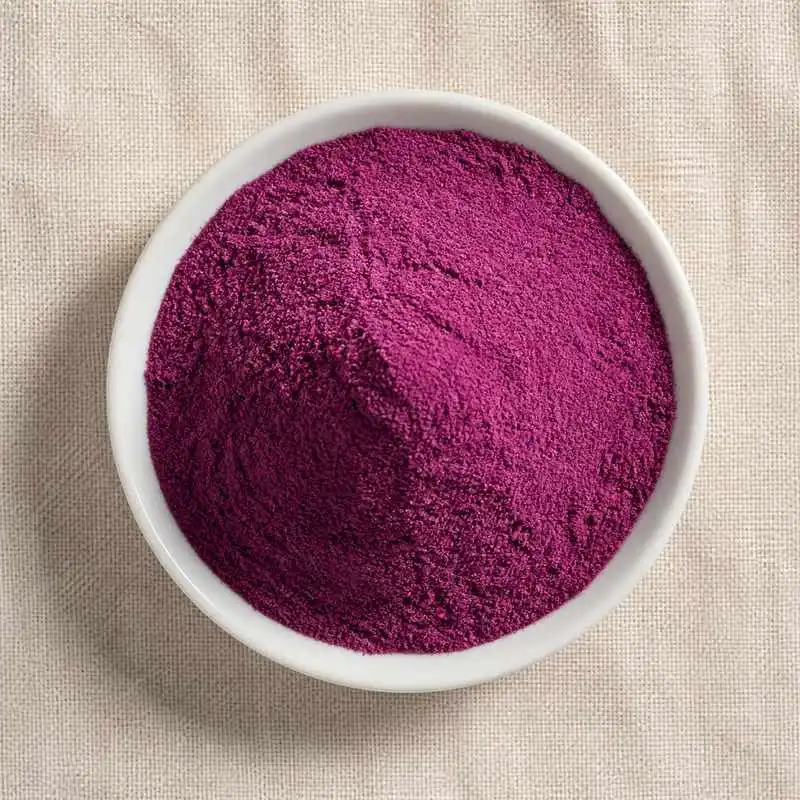
| Appearance | Dark purple to black-purple free-flowing powder |
| Total anthocyanins (HPLC or UV) | 5% / 10% / 25% / 40% (grade dependent) |
| Cyanidin-3-glucoside | ≥ 70% of total anthocyanins |
| Loss on drying | ≤ 5.0% |
| Residue on ignition | ≤ 5.0% |
| Heavy metals (as Pb) | ≤ 2 mg/kg |
| Total plate count | ≤ 1000 cfu/g |
| Source | Oryza sativa L. indica black rice bran |
Common Markets Grades
Black rice extract is graded by total anthocyanin content expressed as cyanidin-3-glucoside equivalents.
Mainstream food-colour and supplement grades sit at 5, 10, 15, and 25 percent total anthocyanins. The 5 and 10 percent grades dominate the natural-colour category, while 25 percent material feeds into branded supplement and clinical-formulation work.
Premium grades at 40 percent total anthocyanins are produced for low-dose softgel and stickpack formats.
Pure cyanidin-3-glucoside at 90 percent and above serves as an analytical reference and for high-purity ingredient work.
Polyphenol and proanthocyanidin grades at 10 to 30 percent total polyphenols are used in general antioxidant formulas.
Material is a free-flowing fine powder ranging from deep purple to near-black, depending on standardisation. Spray-dried versions with maltodextrin carriers and water-soluble cold-water-dispersible grades cover beverage, dairy, and confectionery applications.
Applications
- Natural purple-to-black food colouring for beverages, confectionery, and dairy
- Anthocyanin-standardised antioxidant capsules and tablets
- Cardiovascular-support formulas paired with grape seed, hawthorn, and CoQ10
- Eye-health blends alongside bilberry, lutein, and zeaxanthin
- Beauty-from-within supplements for skin tone, glycation defense, and microcirculation
- Functional beverages and smoothies in the purple-superfood category
- Sports-nutrition recovery formulas leveraging anthocyanin antioxidant capacity
- Bakery and confectionery products requiring deep natural purple shades
- Yogurt and ice cream applications with stable natural colour
- Cosmetic actives in serums and masks positioned on anti-aging and brightening
- Pet supplements in the antioxidant and senior-pet category
- Stickpacks and ready-to-drink shots in the purple-superfood beverage segment
Brands Using Black Rice Extract
Widely-distributed consumer products that list Black Rice Extract on the ingredient label.
Brand names, product names and logos are the property of their owners. They appear here as published evidence that the ingredient is used, taken from the brand's own label or website. Their appearance is not an endorsement, and it does not mean the brand buys from us or from any manufacturer listed on this site.
China Manufacturers of Black Rice Extract
Top Black Rice Extract manufacturers in China.
- Baoji Runmu Agricultural Development Co., Ltd.3 ingredients in the directory
 Hubei Zixin Biological Technology Co., Ltd.7 ingredients in the directory
Company names and logos are the property of the manufacturers themselves. They are listed here because our own directory records them as producing this ingredient. A listing is not an endorsement by them, and we do not represent them or speak on their behalf.
How We Help Source Black Rice Extract
Direct Factory Sourcing
We run the whole process: selecting the manufacturer from the top Chinese food ingredient producers, negotiating the price, verifying quality, and coordinating the logistics. You deal with us instead of with several factories at once.
Original Packaging and Documents from the Manufacturer
The manufacturer sends your Black Rice Extract out of its own factory in the original packing, through to your destination port. The COA, COO, MSDS, TDS and any certifications reach you from the manufacturer as well.
Free Samples and Lead Time
We send 100 to 500 g free for your own laboratory to test and you cover only the courier, usually within 2 to 3 working days. ETD is usually within 7 to 15 days once the order is confirmed, and we check that date against the factory's own manufacturing schedule before we give it to you.
Combined Shipment
We can load Black Rice Extract together with other ingredients such as Astaxanthin, Dehydrated Garlic and Lutein into one 20' FCL. If your quantity is small, we can also ship LCL.
Regulatory Status
Black rice is a traditional staple food across Asia and its extracts are widely accepted as food-derived ingredients and natural colours.
In the United States black rice extract is produced both as a dietary-supplement ingredient under DSHEA and as a natural colour exempt from certification. Several commercial preparations carry self-affirmed GRAS opinions.
In the European Union anthocyanin colours derived from edible fruits and vegetables carry the E number E163. Black rice extract entering the food colour channel is treated under this entry, subject to source-purity criteria.
In Japan black rice extract is recognised as a natural colouring agent and is used widely in beverages, sweets, and traditional foods.
The pigment system is sensitive to pH, heat, and light. Colour stability is best at acidic pH (around 3 to 4) where the red flavylium form dominates. At neutral and alkaline pH the colour shifts to blue, purple, and eventually colourless forms.
Manufacturing Process
Black rice is cultivated across East and Southeast Asia, with major production in China (Shaanxi, Yunnan, Guizhou), Thailand, Indonesia, and the Philippines. The pigment is concentrated in the outer bran layer.
Bran is the preferred raw material because it carries 5 to 10 times higher anthocyanin content than whole grain. Bran is separated during the milling of black rice destined for food use, which creates a steady upcycling stream for the extract industry.
The bran is extracted with acidified ethanol or aqueous ethanol, with citric or hydrochloric acid added to stabilise the anthocyanins in their coloured flavylium form.
The crude extract is clarified by centrifugation, concentrated under reduced pressure at low temperature, and loaded onto macroporous adsorption resin. The resin captures anthocyanins and polyphenols while sugars and salts pass through.
The resin is washed with water and eluted with acidified ethanol. The eluate is concentrated and spray-dried with a carrier such as maltodextrin or rice fibre to deliver the target standardisation.
Cyanidin-3-glucoside is quantified by HPLC with UV-Vis detection at 520 nm. Total anthocyanin content is also measured by the pH-differential method against a cyanidin-3-glucoside reference.