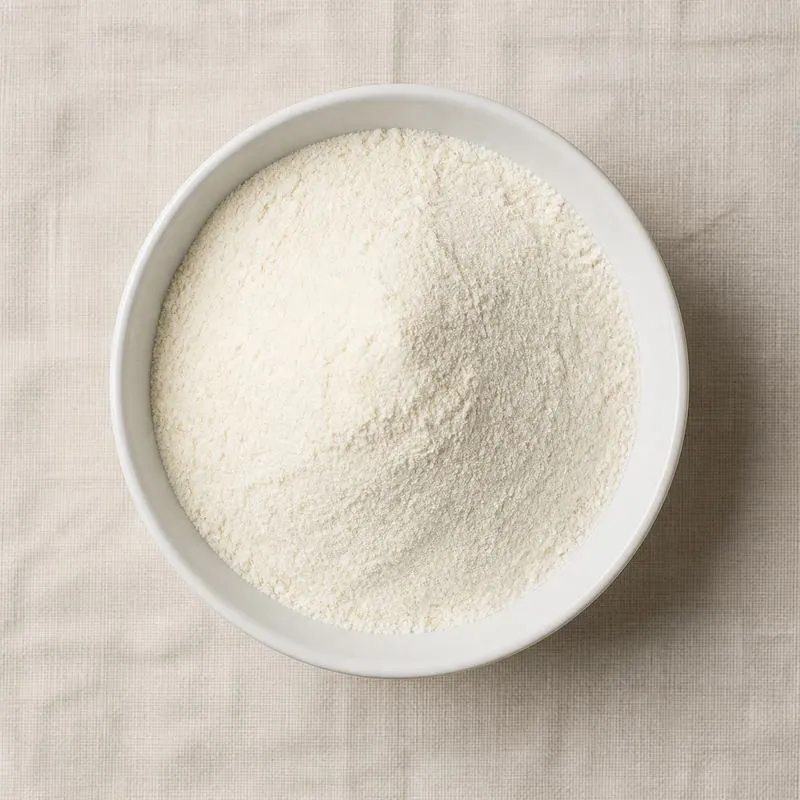
Bonito Elastin Peptide
Bonito Elastin Peptide is a low molecular weight hydrolysate of elastin protein recovered from the bulbus arteriosus and arterial tissue of skipjack tuna, Katsuwonus pelamis, commonly traded under the Japanese name katsuo.
The ingredient is distinct from fish collagen. Elastin is the rubber-like structural protein responsible for the recoil of arteries, lung tissue, ligaments, and skin, and bonito provides one of the few commercially viable marine sources.
We source bulk Bonito Elastin Peptide from top China manufacturers for our partners. The manufacturers are in Shandong and Guangdong. A smaller requirement can ship in a combined container with other ingredients.
Please send the grade you need, the volume and your destination port, and we will come back with a solution and a price.
or call +86-21-6858 0751
- Packaging
- 25 kg kraft paper bag with PE inner liner
- ISO 9001
- HACCP
- Halal
- Kosher
Specifications
Grades / Types Available: Food Grade
| Item | Specification |
|---|---|
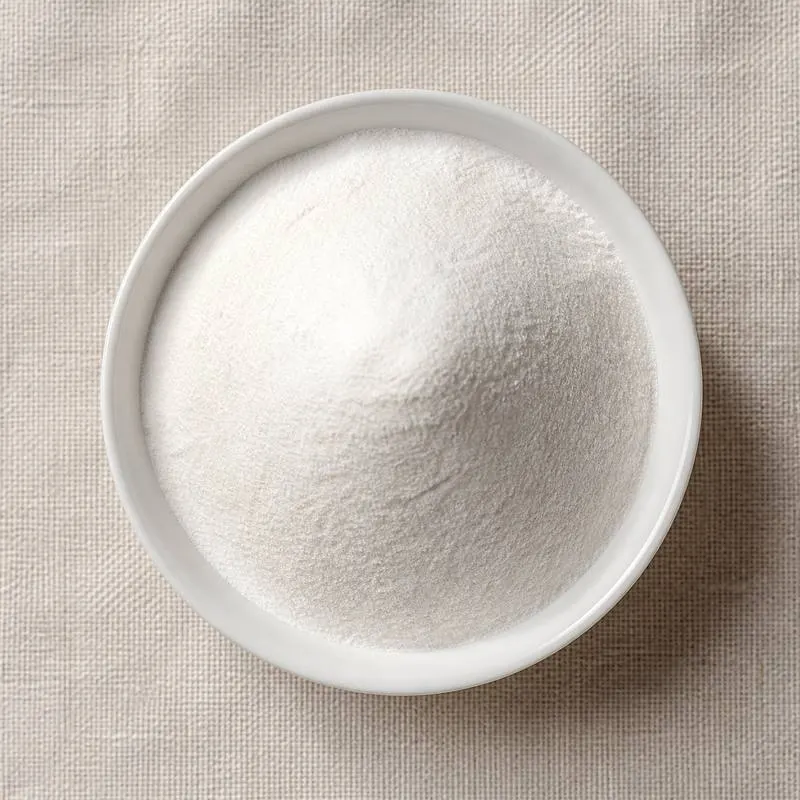
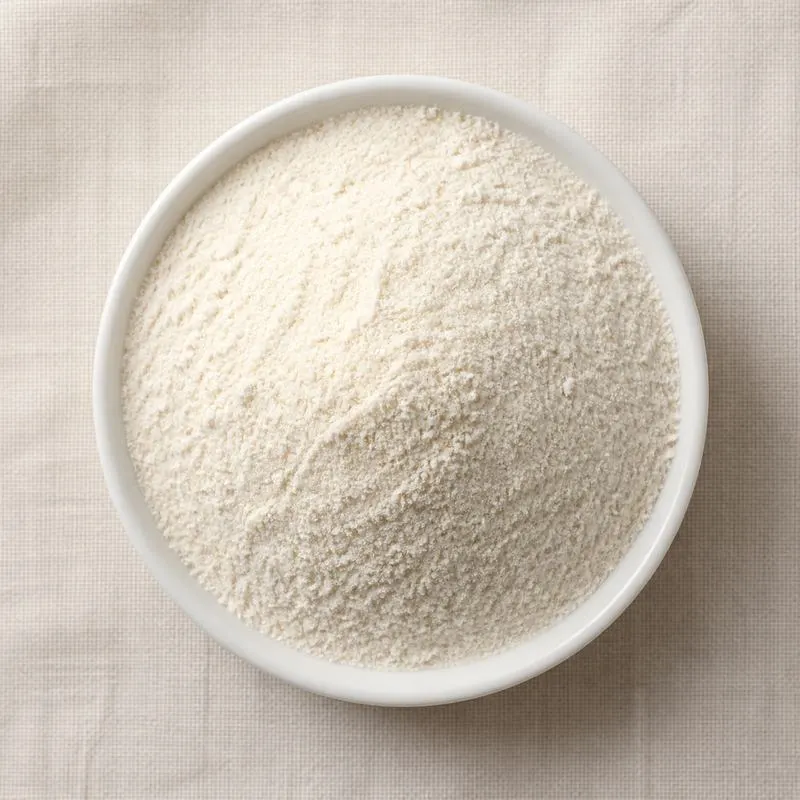
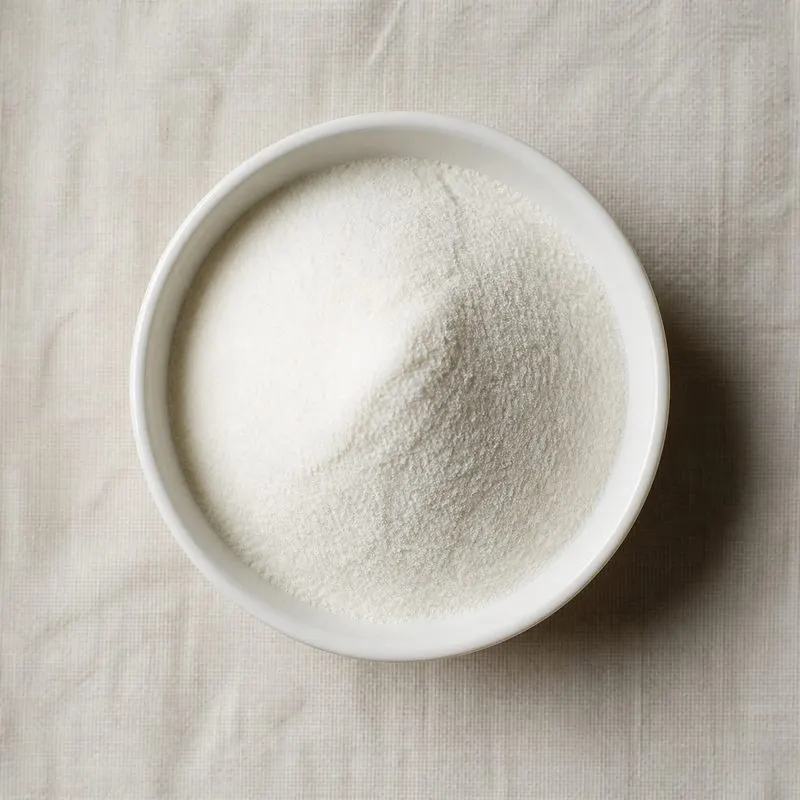
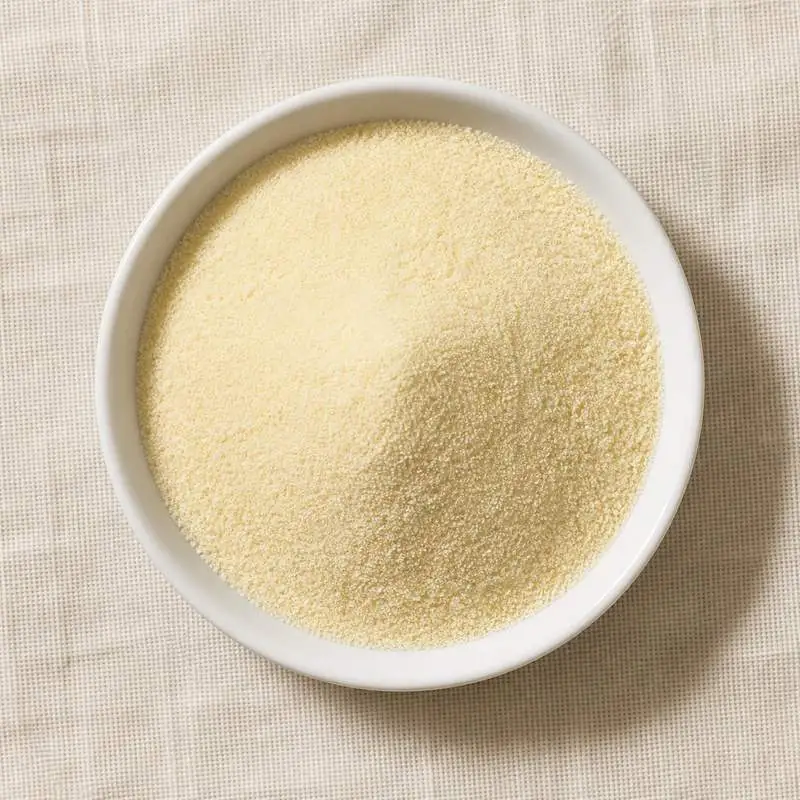
| Appearance | Light beige to tan free-flowing powder |
| Protein (N×6.25, dry basis) | ≥ 85.0% |
| Desmosine/Isodesmosine | ≥ 5 μg/g |
| Molecular Weight | Predominantly < 2,000 Da |
| Moisture | ≤ 7.0% |
| Ash | ≤ 7.0% |
| Fat | ≤ 1.0% |
| pH (1% solution) | 5.0–7.5 |
| Solubility | ≥ 95.0% |
| Heavy Metals (as Pb) | ≤ 1 mg/kg |
| Lead (as Pb) | ≤ 0.5 mg/kg |
| Arsenic (as As) | ≤ 1 mg/kg |
| Mercury (as Hg) | ≤ 0.5 mg/kg |
| Total Plate Count | ≤ 10,000 CFU/g |
| Yeast & Mold | ≤ 100 CFU/g |
| E. coli | Negative/g |
| Salmonella | Negative/25g |
| Purity/Assay | ≥ 90% |
| Moisture/Loss on Drying | ≤ 8% |
Common Markets Grades
Bonito Elastin Peptide is graded by elastin purity, peptide molecular weight, and the level of the signature crosslink amino acids desmosine and isodesmosine.
Standard supplement grade typically delivers 90 percent or higher protein content with desmosine and isodesmosine combined at around 500 to 1000 micrograms per gram. Average peptide molecular weight sits between 1000 and 3000 Daltons.
Premium grades push molecular weight below 1000 Daltons and report desmosine content above 1000 micrograms per gram, which suppliers use as a marker of true elastin origin rather than a generic fish protein hydrolysate.
Cosmetic grades are usually dried at higher concentration and may be sold in liquid form for direct incorporation into essences and serums.
Applications
- Beauty-from-within capsule and tablet supplements positioned around skin elasticity and firmness
- Functional collagen-elastin drinks and jellies in the Japanese, Korean, and Chinese beauty channels
- Combination supplements pairing elastin peptide with marine collagen, hyaluronic acid, and vitamin C
- Joint and ligament support formulas in the active-adult segment
- Sports recovery products targeting connective tissue rather than muscle protein synthesis
- Topical serums, essences, and ampoules in premium skincare ranges
- Sheet masks and eye patches with marine biotech positioning
- Hair care and scalp treatments where small peptides are claimed to support follicle environment
- Clinical nutrition formats for elderly consumers concerned with vascular and skin aging
- Pet supplements for senior animals with joint and coat concerns
Brands Using Bonito Elastin Peptide
Widely-distributed consumer products that list Bonito Elastin Peptide on the ingredient label.
- Hayashikane SangyoBonito Elastin Peptide (BEP) functional ingredient ↗Japanese marine ingredient maker that produces the original VGPG Elastin bonito elastin peptide from skipjack bulbus arteriosus; supplied to branded Japanese supplements and beauty drinks for skin elasticity and peripheral blood-flow support.Label verified 2026-05-24
- Japan Health Food (VGPG Elastin)VGPG Elastin Bonito-Derived Elastin Peptide ↗Branded VGPG Elastin ingredient (75-100 mg/day) clinically studied for 12-week improvements in skin wrinkles, hydration and melanin index; used as the active in Japanese foods-with-functional-claims products.Label verified 2026-05-24
Brand names, product names and logos are the property of their owners. They appear here as published evidence that the ingredient is used, taken from the brand's own label or website. Their appearance is not an endorsement, and it does not mean the brand buys from us or from any manufacturer listed on this site.
China Manufacturers of Bonito Elastin Peptide
Top Bonito Elastin Peptide manufacturers in China.
 Lankun Marine Biotechnology (Yantai) Co., Ltd.12 ingredients in the directory
 Natide (Yangjiang) Biotechnology Co., Ltd.3 ingredients in the directory
Company names and logos are the property of the manufacturers themselves. They are listed here because our own directory records them as producing this ingredient. A listing is not an endorsement by them, and we do not represent them or speak on their behalf.
How We Help Source Bonito Elastin Peptide
Direct Factory Sourcing
We run the whole process: selecting the manufacturer from the top Chinese food ingredient producers, negotiating the price, verifying quality, and coordinating the logistics. You deal with us instead of with several factories at once.
Original Packaging and Documents from the Manufacturer
The manufacturer sends your Bonito Elastin Peptide out of its own factory in the original packing, through to your destination port. The COA, COO, MSDS, TDS and any certifications reach you from the manufacturer as well.
Free Samples and Lead Time
We send 100 to 500 g free for your own laboratory to test and you cover only the courier, usually within 2 to 3 working days. ETD is usually within 7 to 15 days once the order is confirmed, and we check that date against the factory's own manufacturing schedule before we give it to you.
Combined Shipment
We can load Bonito Elastin Peptide together with other ingredients such as Collagen Peptide, Soy Protein Isolate and Fish Collagen Peptide into one 20' FCL. If your quantity is small, we can also ship LCL.
Regulatory Status
Bonito Elastin Peptide is sold as a food ingredient in Japan and is the subject of several products notified under the Foods with Function Claims (FFC) system, primarily on skin elasticity endpoints.
In China the ingredient is treated as a fish protein hydrolysate under general food provisions, with several specific products carrying Blue Hat health-food registrations.
The United States accepts the ingredient as a food component with self-affirmed GRAS, subject to FDA seafood HACCP requirements. Fish allergen labelling is mandatory.
In the European Union, fish protein hydrolysates from established food species generally do not require novel food authorisation, but the elastin-enriched nature of the product means individual operators may choose to file for legal certainty depending on intended use.
Halal and Kosher certification is achievable because the raw material is fish, although the source plant must meet the relevant certification body's process requirements.
Manufacturing Process
Production starts with bonito processing offcuts. The bulbus arteriosus, a small thickened structure at the base of the heart, is the single most elastin-rich tissue available at industrial scale. The aorta and other large vessels contribute additional raw material.
The tissue is cleaned, ground, and defatted, then subjected to a controlled alkaline or enzymatic pretreatment that loosens the elastin from the surrounding collagen and cellular matrix. This step is critical because elastin and collagen are intertwined and the value of the product depends on enriching the former.
Hydrolysis is then performed with elastase-active proteases. Pancreatic elastase, thermolysin, and some bacterial alkaline proteases are used, often in combination, to cleave the elastin into water-soluble peptides without destroying the desmosine crosslinks that suppliers use as quality markers.
The hydrolysate is heat-inactivated, filtered, decolorised, concentrated, and spray-dried. Supply is concentrated in Japan, where bonito processing infrastructure and the historical know-how on elastin extraction are both centred.