Hyaluronic Acid
Hyaluronic acid is a linear glycosaminoglycan built from a repeating disaccharide of D-glucuronic acid and N-acetyl-D-glucosamine, joined alternately by beta-1,3 and beta-1,4 linkages. It is the only glycosaminoglycan that carries no sulphate groups and the only one not attached to a protein core, and it occurs throughout vertebrate connective tissue, in synovial fluid, the vitreous humour of the eye and the dermis.
Its behaviour follows from an extreme capacity to hold water. The carboxyl groups on every second sugar make the chain strongly anionic, so it extends in solution rather than coiling, and a molecule of two million daltons occupies a domain thousands of times its own volume. A dilute solution therefore develops very high viscosity, and that viscosity is markedly shear thinning and viscoelastic, thinning almost to water under rapid shear and rebuilding at rest, which is what allows it to lubricate a joint while still cushioning it.
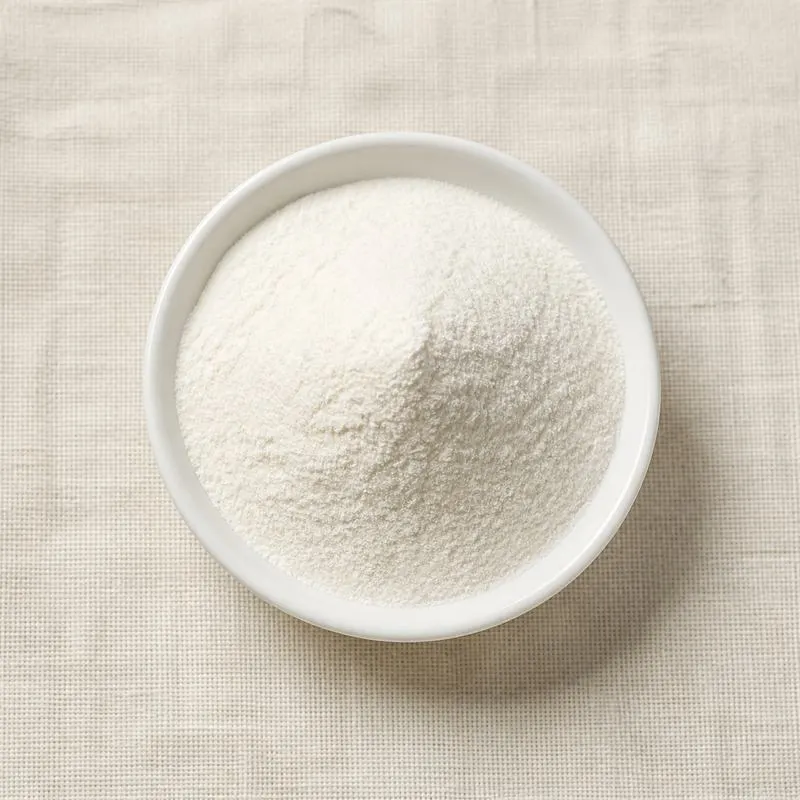
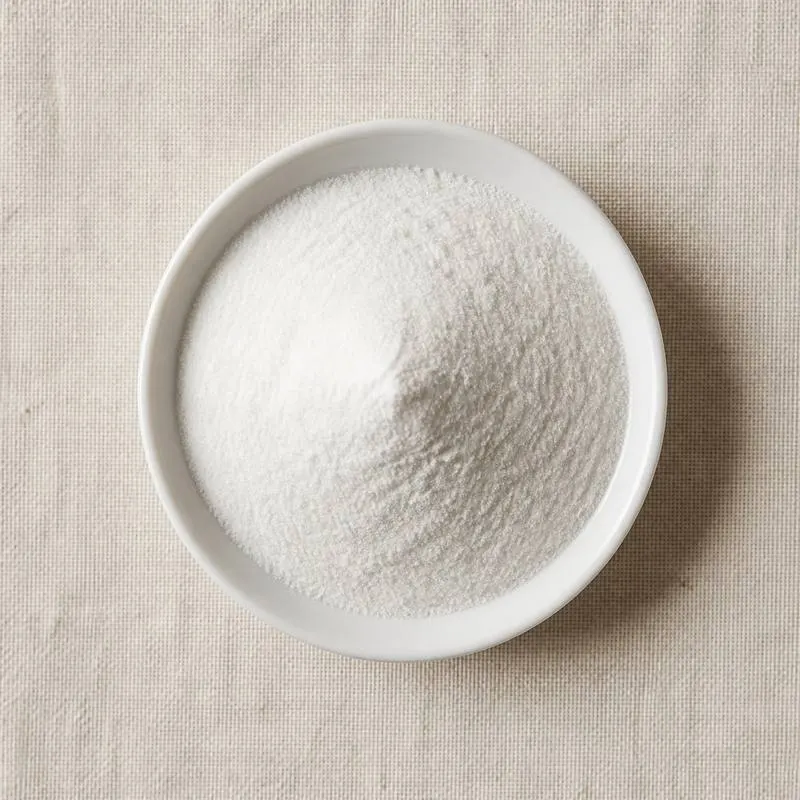
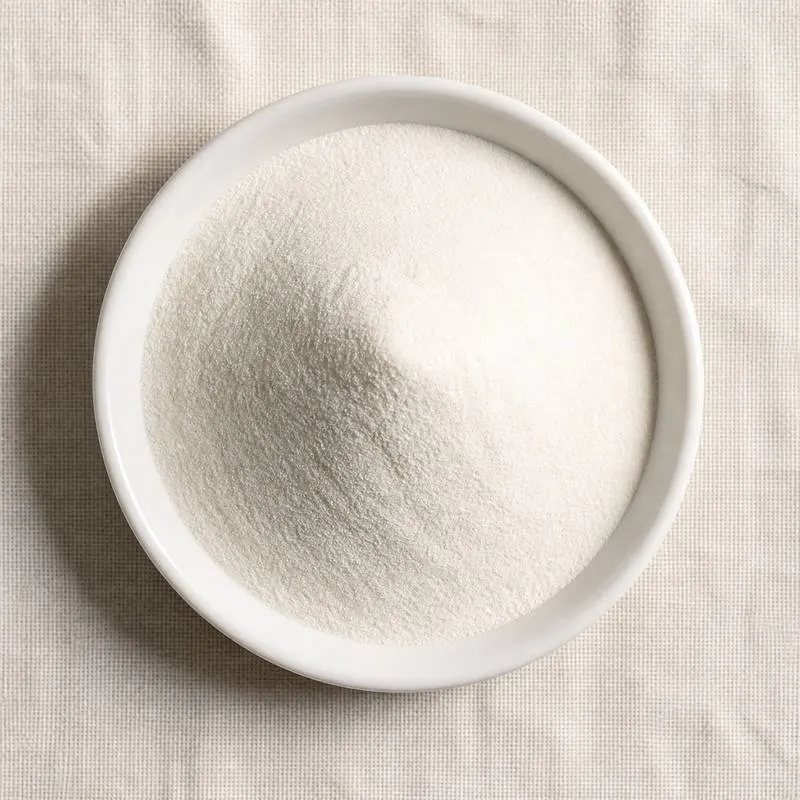
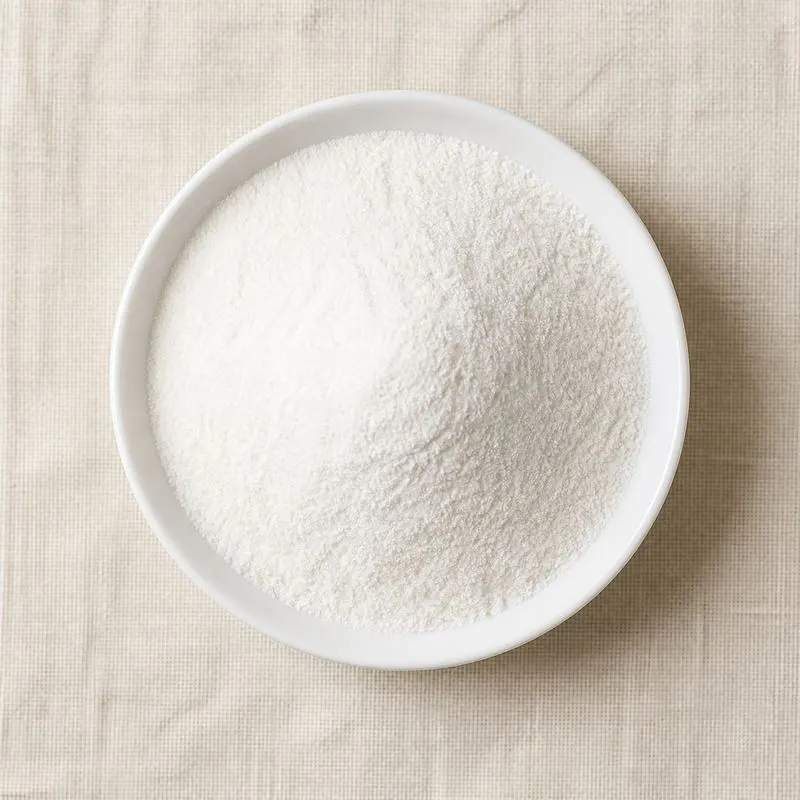
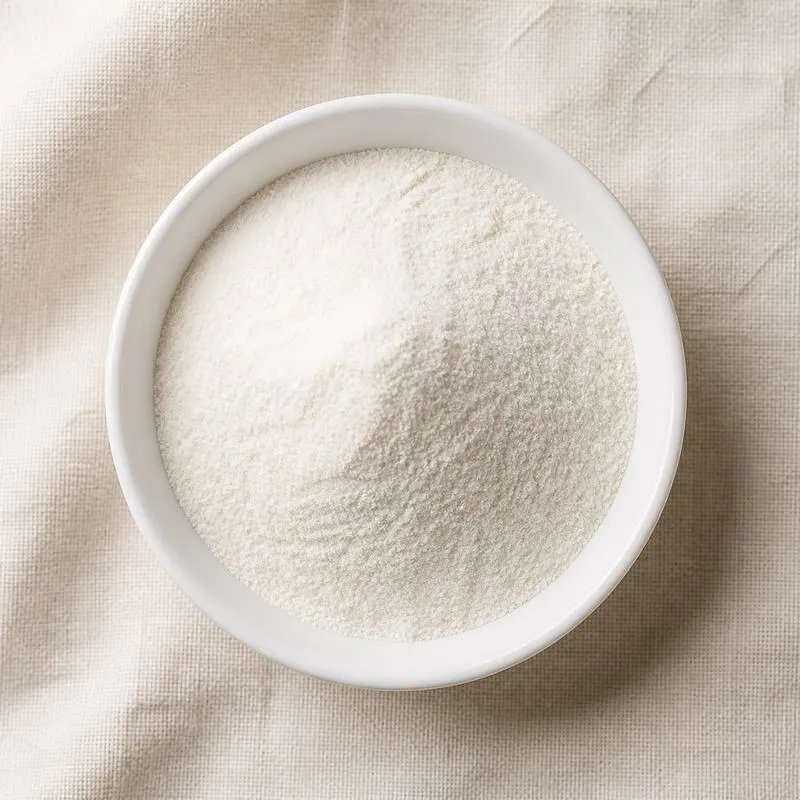
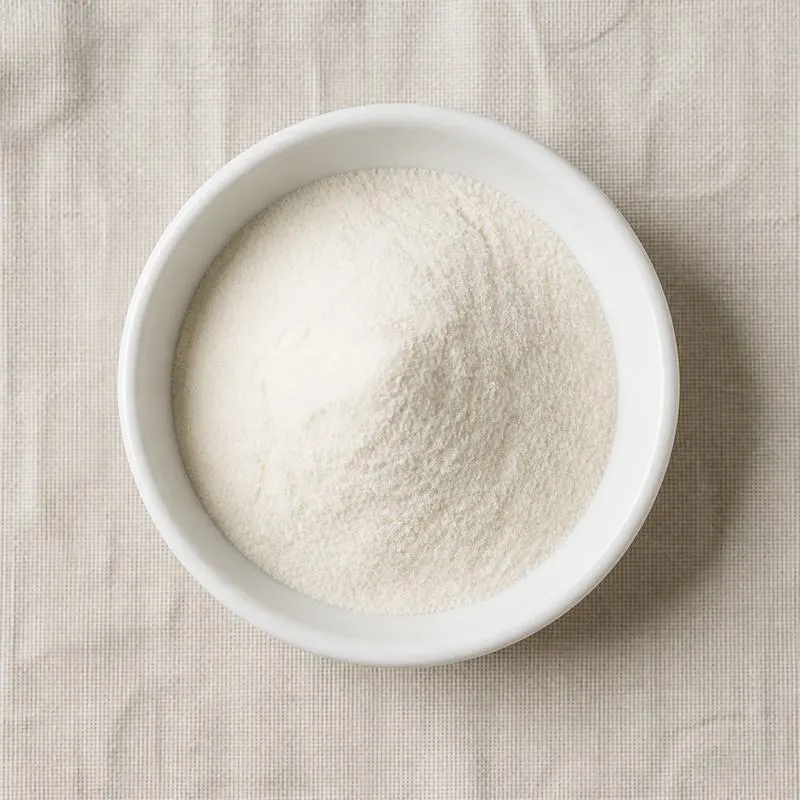
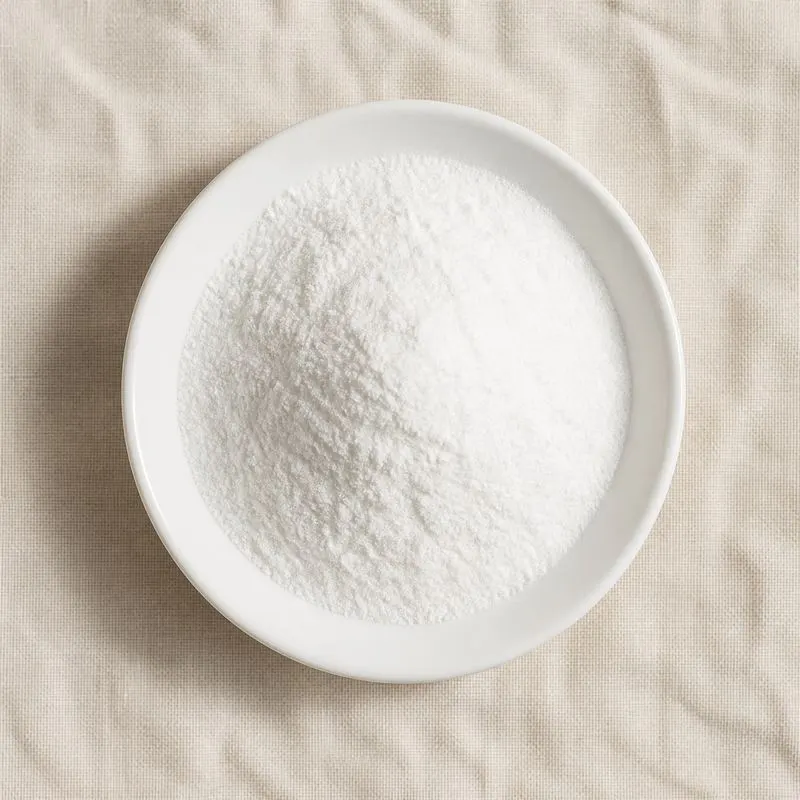
Molecular weight, rather than purity, is the property that defines a grade. High molecular weight material gives viscosity, film formation and surface hydration; low molecular weight material penetrates further into the skin and behaves differently in the body. In trade the free acid is rarely handled, and the material sold is the sodium salt, sodium hyaluronate, as a white fibrous or granular powder that dissolves in cold water to a clear, slippery, neutral solution.
We source bulk Hyaluronic Acid from top China manufacturers for our partners. The manufacturer is in Shandong. A smaller requirement can ship in a combined container with other ingredients.
Please send the grade you need, the volume and your destination port, and we will come back with a solution and a price.
or call +86-21-6858 0751
- Function
- Thickener / Hydrocolloid
Specifications
| Item | Specification |
|---|---|
| Appearance | White to off-white fibrous or granular powder |
| Odour | Odourless |
| Identification | Positive for glucuronic acid and N-acetylglucosamine on hydrolysis |
| Assay as sodium hyaluronate, dry basis | Not less than 95.0% |
| Molecular Weight | 1.0 to 1.8 million daltons |
| Glucuronic Acid, dry basis | Not less than 44.0% |
| Loss on Drying | Not more than 10.0% |
| Sulphated Ash | Not more than 15.0% |
| pH, 0.1% solution | 6.0 to 8.0 |
| Protein | Not more than 0.1% |
| Transmittance, 0.1% solution at 600 nm | Not less than 99% |
| Residual Ethanol | Not more than 0.5% |
| Lead | Not more than 1 mg/kg |
| Arsenic | Not more than 1 mg/kg |
| Total Plate Count | Not more than 100 CFU/g |
| Yeast and Mould | Not more than 50 CFU/g |
| Staphylococcus aureus | Absent in 1 g |
| Salmonella | Absent in 25 g |
Common Markets Grades
Grades are ordered first by molecular weight, from oligomers of a few thousand daltons up to material above two million, and then by application, which sets the purity and the analytical burden. Cosmetic grade is specified for molecular weight, clarity, colour and microbiology. Food and supplement grade adds heavy metal and residual protein limits. Pharmaceutical and medical device grade, used in ophthalmic viscoelastics, viscosupplement injections and dermal fillers, is the most demanding, specified for protein, nucleic acid and bacterial endotoxin at levels far below the other grades and produced under sterile or aseptic conditions.
Cross-linked hyaluronic acid, chemically bridged with a reagent such as a diglycidyl ether to make an insoluble hydrogel, is a distinct product used in fillers and is not interchangeable with the soluble powder. Acetylated and other derivatised forms exist for cosmetic use. Because price rises steeply with grade, the intended application should be stated on enquiry rather than inferred from the molecular weight alone.
Applications
- Skin care serums, creams and masks, forming a hydrating film on the surface and binding water in the upper layers
- Cosmetic formulations requiring viscosity and a light non-tacky skin feel at very low dose
- Oral supplements marketed for skin hydration and joint comfort, usually as sodium hyaluronate powder or in capsules
- Functional beverages and jellies carrying a skin or joint health positioning
- Ophthalmic viscoelastic devices used to maintain the anterior chamber during cataract surgery
- Viscosupplement injections into the knee joint for osteoarthritis
- Dermal fillers in the cross-linked hydrogel form
- Eye drops and dry eye preparations, extending residence time on the ocular surface
- Wound dressings and post-procedure gels, providing a moist healing environment
- Cell culture and tissue engineering media as a scaffold and viscosity modifier
Brands Using Hyaluronic Acid
Widely-distributed consumer products that list Hyaluronic Acid on the ingredient label.
- NeoCellHyaluronic Acid 100 mg, 60 Vegan Capsules ↗Vegan capsules delivering 100 mg of hyaluronic acid per serving as the sole active ingredient.Label verified 2026-08-31
- NeoCellHyaluronic Acid Hydration Serum, 2 fl oz ↗A topical facial serum built around hyaluronic acid for skin hydration.Label verified 2026-08-31
- NutricostHyaluronic Acid Powder ↗A 50 gram bottle of plain hyaluronic acid powder sold for skin and joint support, with no added fillers.Label verified 2026-08-31
- ToniiqHyaluronic Acid 95% ↗Capsules standardised to 95 percent hyaluronic acid, taken two per day.Label verified 2026-08-31
- Vital ProteinsCollagen Peptides Advanced with Hyaluronic Acid & Vitamin C ↗A collagen peptide powder that adds hyaluronic acid and vitamin C to the base collagen formula.Label verified 2026-08-31
- Double Wood SupplementsHyaluronic Acid Supplement ↗Standalone hyaluronic acid capsules, described on the page as hyaluronan, a constituent of joint fluid.Label verified 2026-08-31
Brand names, product names and logos are the property of their owners. They appear here as published evidence that the ingredient is used, taken from the brand's own label or website. Their appearance is not an endorsement, and it does not mean the brand buys from us or from any manufacturer listed on this site.
China Manufacturers of Hyaluronic Acid
Top Hyaluronic Acid manufacturers in China.

Company names and logos are the property of the manufacturers themselves. They are listed here because our own directory records them as producing this ingredient. A listing is not an endorsement by them, and we do not represent them or speak on their behalf.
Regulatory Status
Hyaluronic acid is not a food additive and holds no E number, so a permitted use level in a food category is not the framework that applies to it. Its position depends on the application.
In the United States sodium hyaluronate produced by fermentation has been the subject of generally recognised as safe notifications for use in foods and beverages to which the agency responded without objection, and it is also used as a dietary ingredient in supplements. Injectable and ophthalmic products are regulated as medical devices or drugs depending on their claims, and dermal fillers are class III devices. In the European Union it is used in food supplements and in cosmetics rather than as an additive, and whether a particular fermentation derived material may be placed on the market as a food depends on whether it can demonstrate significant consumption before May 1997 or holds an authorisation under the novel food regulation, so the status of the specific source should be established rather than assumed. Cosmetic use is covered by the cosmetics regulation and the ingredient is listed in the European cosmetic ingredient inventory. Medical grades fall under the medical devices regulation, with the associated conformity assessment and endotoxin control.
Manufacturing Process
Commercial hyaluronic acid is made almost entirely by microbial fermentation. The earlier route, extraction from rooster combs and bovine vitreous, has been displaced by cost, consistency and the wish to avoid animal derived material. Production strains are usually attenuated Streptococcus equi subspecies zooepidemicus, which secretes the polymer naturally, or engineered non-pathogenic hosts such as Bacillus subtilis carrying the hyaluronan synthase gene.
The strain is propagated through seed stages into a stirred tank fermenter charged with a sterilised medium of glucose, a nitrogen source, yeast extract and salts. The fermentation runs for a day or two with pH and dissolved oxygen controlled, and becomes progressively more viscous as the polymer accumulates in the broth, which limits the achievable titre because oxygen transfer collapses as viscosity rises. Molecular weight is set largely at this stage by the strain, the medium and the shear the broth experiences, since agitation itself degrades the chain.
Downstream, the broth is heat treated to kill the organism, diluted and clarified to remove cells by centrifugation and microfiltration, then treated with a protease and activated carbon to strip protein and colour. The polymer is precipitated by mixing with ethanol or isopropanol, and the precipitate is redissolved and reprecipitated, often several times, since it is these cycles rather than any single step that bring protein, nucleic acid and endotoxin down to the level the grade requires. The final precipitate is washed, desolventised, dried under vacuum or by freeze drying, milled and sieved. Lower molecular weight grades are made by a controlled enzymatic or acid hydrolysis inserted before the final purification.