Bonito Sauce
Bonito sauce is a liquid savoury seasoning built on extract of skipjack tuna, the fish traded as bonito, usually combined with soy sauce, mirin or sugar, and salt. It is the sauce form of the dashi tradition, sold ready to dilute or ready to use, and it sits between a pure fish extract and a finished table sauce.
The fish extract supplies inosinate and free amino acids, the soy component supplies glutamate and fermented depth, and the two together produce the umami synergy that defines the category. Sugar or mirin balances the salt, and dried kombu, shiitake or yeast extract are common in the same formulation. Smoked bonito grades carry phenolic notes that survive dilution and give the sauce its recognisable aroma.
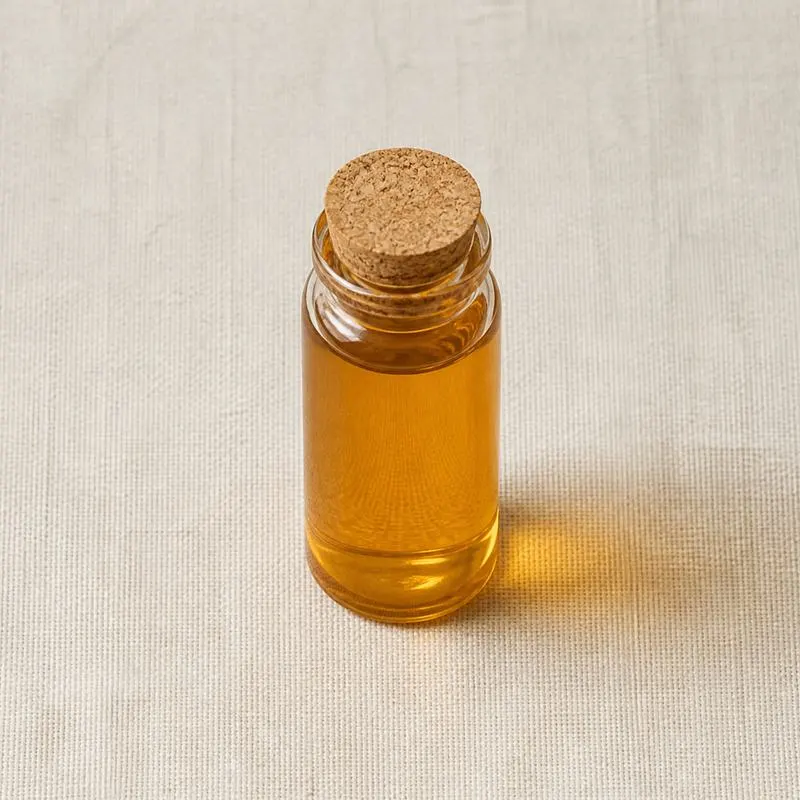
The sauce is a clear to slightly turbid brown liquid, thin bodied, fully miscible with water, and stable at ambient temperature in sealed containers because of its salt and, in most formulations, its mildly acidic pH. Concentrated grades are diluted several fold before use; ready to use grades are poured directly. Prolonged boiling drives off the volatile smoke and fermentation notes, so the sauce is normally added late in cooking.
We source bulk Bonito Sauce from top China manufacturers for our partners. The manufacturer is in Zhejiang. A smaller requirement can ship in a combined container with other ingredients.
Please send the grade you need, the volume and your destination port, and we will come back with a solution and a price.
or call +86-21-6858 0751
- Function
- Flavours and Aromas
Specifications
| Item | Specification |
|---|---|
| Appearance | Clear to slightly turbid brown liquid, free from sediment |
| Odour and taste | Characteristic bonito and soy, matching retained standard |
| Total soluble solids as Brix | To declared value, typically 25 to 45 degrees for concentrate |
| Total nitrogen | 1.2 percent minimum for concentrate grades |
| Amino nitrogen | 0.5 percent minimum for concentrate grades |
| Salt as sodium chloride | To declared value, typically 12 to 20 percent |
| pH | 4.6 to 5.5 |
| Colour | Within agreed range against retained standard |
| Histamine | 100 mg per kg maximum |
| Lead | 1 mg per kg maximum |
| Arsenic | 1 mg per kg maximum |
| Total plate count | 1000 cfu per millilitre maximum |
| Yeast and mould | 10 cfu per millilitre maximum |
| Salmonella | Absent in 25 millilitres |
Common Markets Grades
Grades are set mainly by concentration and by the ratio of fish extract to soy sauce. Concentrates intended for foodservice are sold at two fold to ten fold strength and are diluted at the point of use, while retail and ready to use grades are already at drinking or dipping strength. Noodle soup grades are lighter and saltier, dipping sauce grades are darker and sweeter, and all purpose seasoning grades sit between them.
Secondary distinctions cover salt level, with reduced salt lines produced for the same flavour target using more extract and potassium chloride, and label composition, with clean label grades restricted to bonito extract, soy sauce, sugar and salt while extended grades include added flavour enhancers, hydrolysed protein and caramel colour. Gluten free versions replace wheat brewed soy sauce with a tamari style or soy free base, and halal and kosher certified lines exist where the alcohol bearing mirin component is replaced.
Applications
- Noodle soup broth for udon, soba and ramen, diluted from concentrate at the point of service
- Cold noodle dipping sauces, used at a stronger dilution than soup
- Tempura dipping sauce, where the fish note balances fried oil
- Simmered vegetable and tofu dishes, as the sole seasoning liquid
- Marinades for grilled fish and chicken, contributing salt, sugar and browning sugars in one addition
- Salad dressings and ponzu style sauces, blended with citrus juice and vinegar
- Rice bowl and donburi sauces produced at industrial scale
- Ready meals and chilled convenience dishes needing a Japanese savoury profile without a separate dashi step
- Prepared egg dishes such as rolled omelette, where the sauce seasons the mix before cooking
China Manufacturers of Bonito Sauce
Top Bonito Sauce manufacturers in China.

Company names and logos are the property of the manufacturers themselves. They are listed here because our own directory records them as producing this ingredient. A listing is not an endorsement by them, and we do not represent them or speak on their behalf.
Regulatory Status
Bonito sauce is a composite food rather than a food additive, so it has no E number and its regulatory position follows its components. In the United States each ingredient must be generally recognised as safe or an approved additive for the use, fish is a major allergen requiring declaration, and soy and wheat from the soy sauce component must also be declared. Because skipjack is a scombroid species, the fish extract is subject to the seafood hazard analysis requirements in 21 CFR Part 123, which address histamine control.
In the European Union the sauce is a food containing an ingredient of animal origin, so the extract must come from an approved fishery product establishment with the corresponding health certification, and histamine limits for scombroid species apply. Fish, soy and cereals containing gluten are declarable allergens on the label, and any additives used, such as caramel colour or a preservative, must be permitted for the relevant food category. Codex addresses the material through its standards for soy sauce and for fishery products, its food labelling standard and its code of practice on histamine control, rather than through a standard for bonito sauce itself.
Manufacturing Process
Manufacture begins with the fish extract. Dried and smoked bonito flakes are extracted with hot water, or fresh bonito is cooked and enzymatically hydrolysed, and the liquor is screened, centrifuged to remove fat and solids, and concentrated under vacuum. Brewed soy sauce is brought in as a separate stream, having been produced by koji fermentation of soybean and wheat followed by brine fermentation and pressing.
The two are blended in a jacketed mixing vessel with sugar or mirin, salt, and any kombu or shiitake extract, and the batch is heated to dissolve the sugar and to develop a cooked note. Where mirin is used, a controlled heating step removes part of the alcohol. The blend is standardised for salt, total nitrogen, Brix and colour against a retained standard, then clarified by filtration or centrifugation so that the packed sauce stays bright. Finishing is by plate pasteurisation followed by hot filling, or by sterile filtration and aseptic filling for lower salt grades, into bottles, pouches, cubitainers or drums. Each lot is tested for salt, nitrogen, pH, sensory match and microbiology.