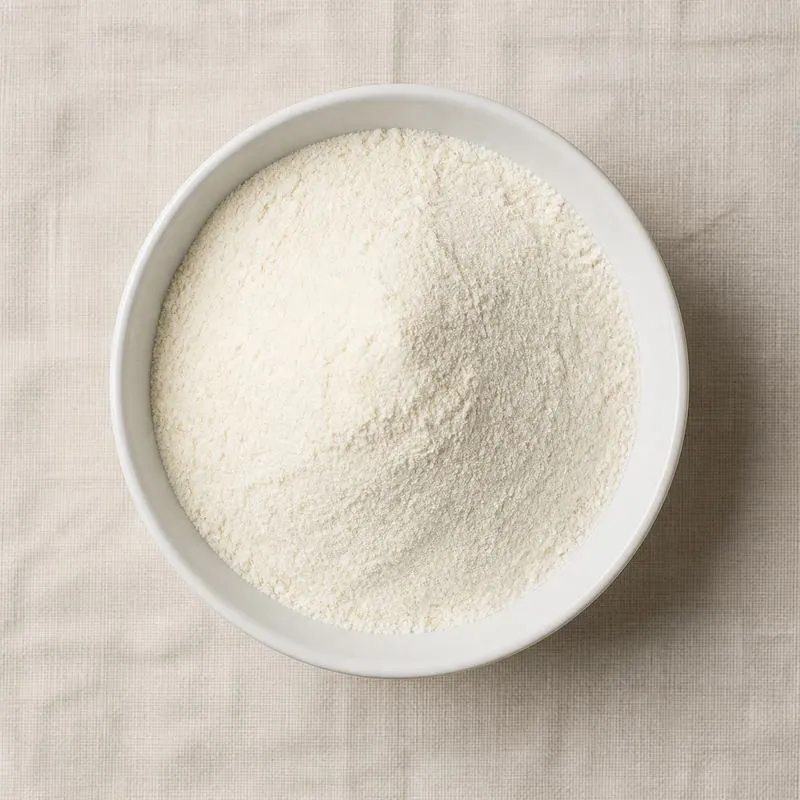
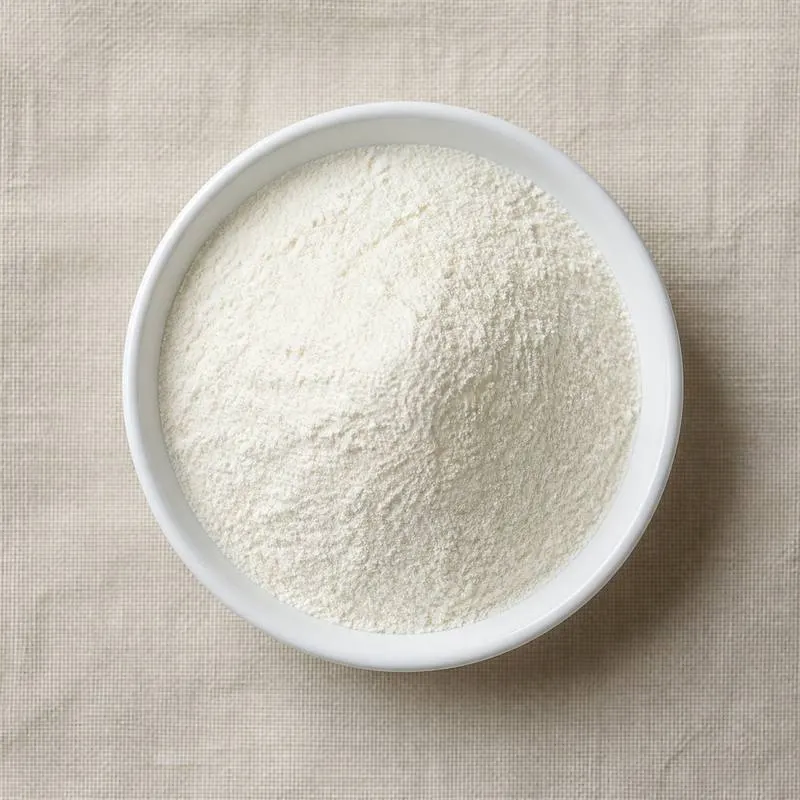
Bovine Collagen Peptide
Bovine Collagen Peptide is a low-molecular-weight protein ingredient produced by enzymatic hydrolysis of cattle hide split, the cleaned inner layer recovered from leather-tanning operations. Some volumes are also made from demineralized bovine bone or tendon.
The peptide pool is Type I dominant with a meaningful Type III contribution, making it a close match for skin, tendon, and ligament biology. Average molecular weight typically sits between 2 and 5 kDa, with ultra-low and higher-MW grades flanking the standard window.
We source bulk Bovine Collagen Peptide from top China manufacturers for our partners, working with several of them. The manufacturers are mostly in Shandong, Guangdong and Hunan. A smaller requirement can ship in a combined container with other ingredients.
Please send the grade you need, the volume and your destination port, and we will come back with a solution and a price.
or call +86-21-6858 0751
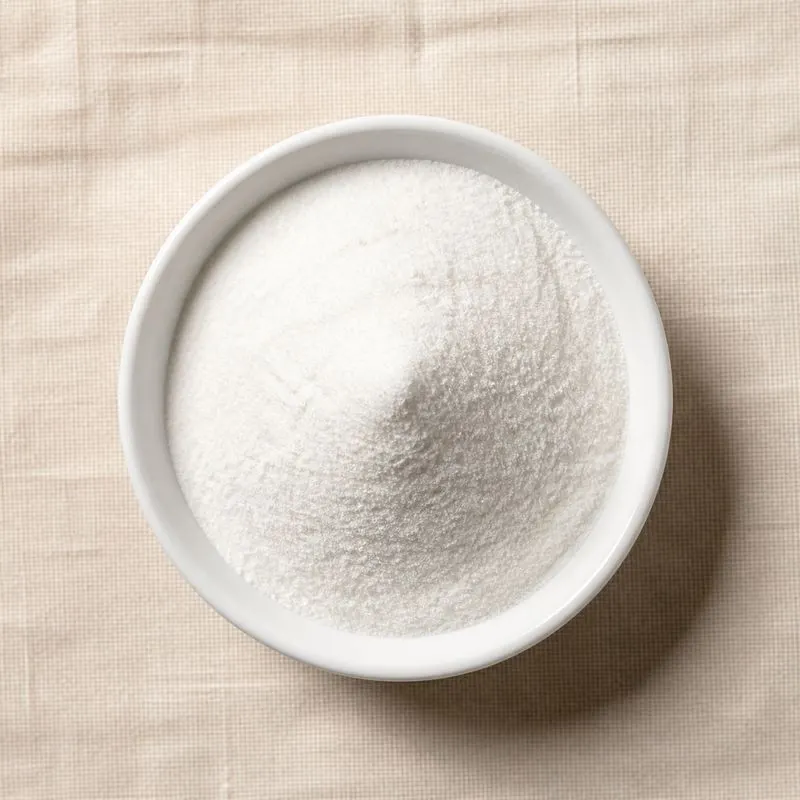
- Packaging
- 25 kg kraft paper bag with PE inner liner
- ISO 9001
- HACCP
- Halal
- Kosher
Specifications
| Item | Specification |
|---|---|
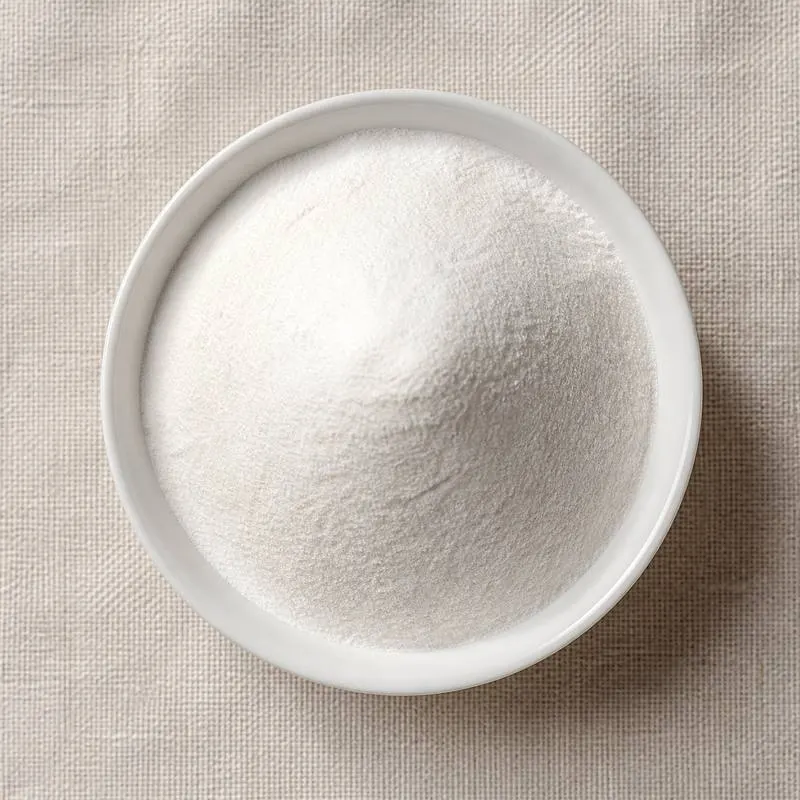
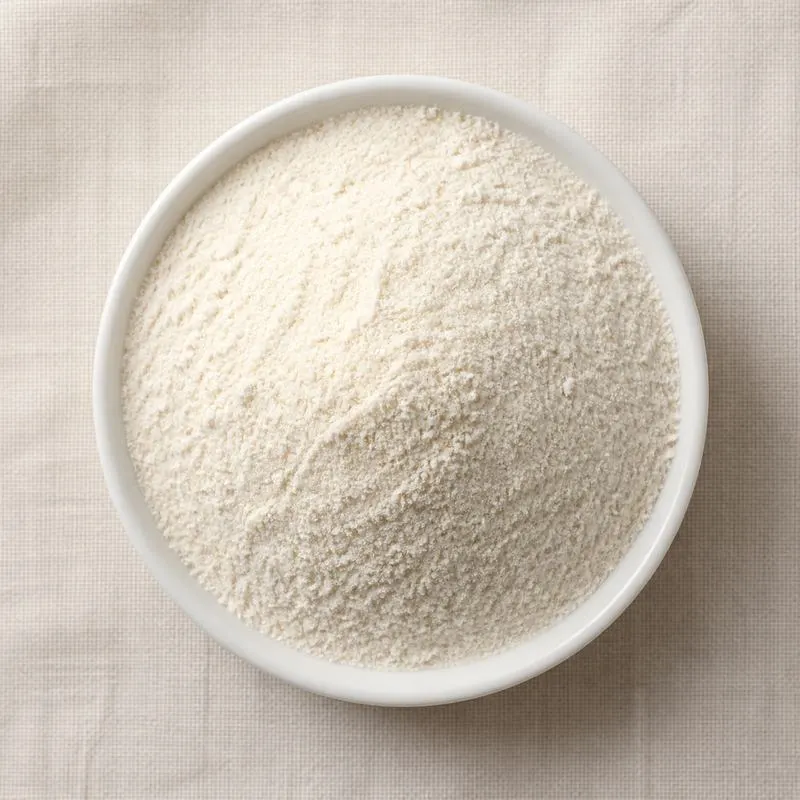
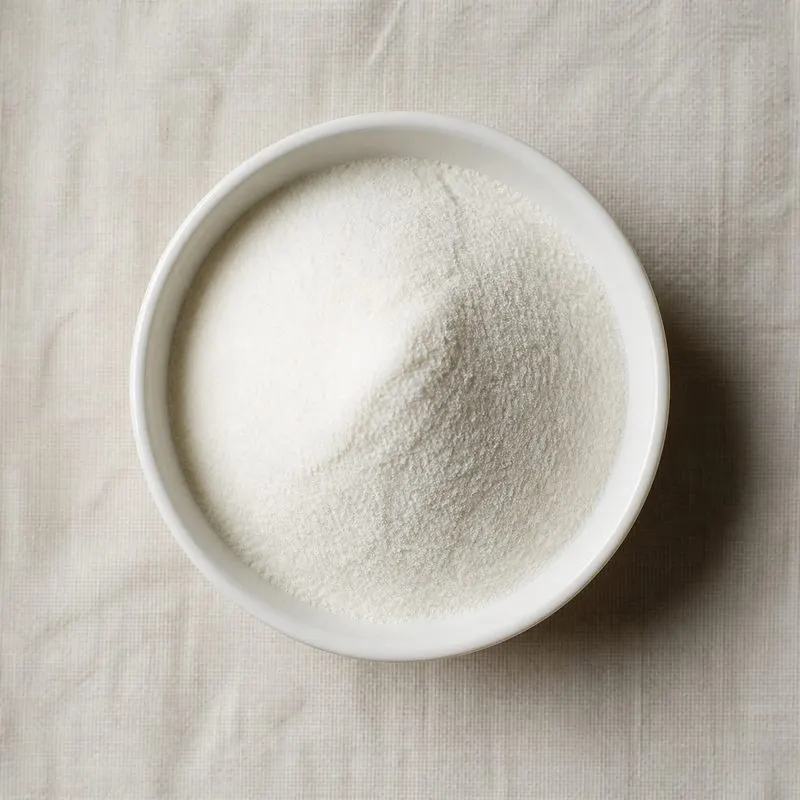
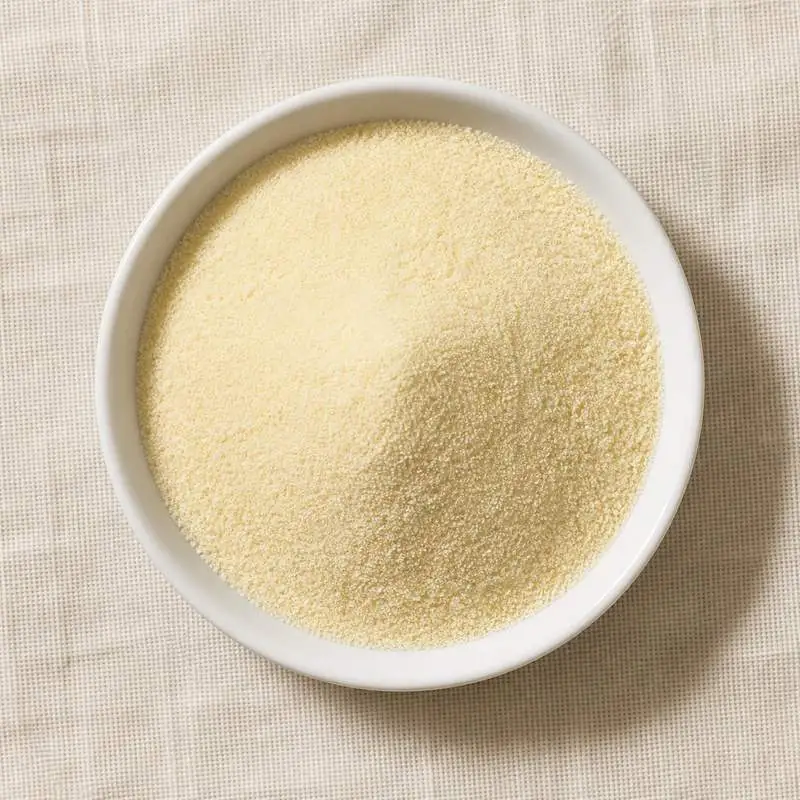
| Appearance | White to light yellow free-flowing powder |
| Odor & Taste | Characteristic, bland, no off-odor |
| Protein (N×5.55, dry basis) | ≥ 90.0% |
| Hydroxyproline | ≥ 10.0% |
| Molecular Weight (average) | 2,000–5,000 Da |
| Moisture | ≤ 7.0% |
| Ash | ≤ 2.0% |
| Fat | ≤ 1.0% |
| pH (1% solution) | 5.5–7.5 |
| Solubility | ≥ 98.0% |
| Viscosity (6.67%, 60°C) | ≤ 4 mPa·s |
| Heavy Metals (as Pb) | ≤ 1 mg/kg |
| Lead (as Pb) | ≤ 0.5 mg/kg |
| Arsenic (as As) | ≤ 1 mg/kg |
| Total Plate Count | ≤ 10,000 CFU/g |
| Yeast & Mold | ≤ 100 CFU/g |
| E. coli | Negative/g |
| Salmonella | Negative/25g |
Common Markets Grades
Bovine Collagen Peptide is graded by molecular weight, by raw-material origin, and by certification status.
Ultra-low MW grades in the 1 to 2 kDa range serve clear beverage and shot formats. Standard 2 to 5 kDa grades cover the bulk of supplement, sports, and active-nutrition use. Higher MW grades above 5 kDa are reserved for bars, gummies, and applications where viscosity is acceptable and price is the lead criterion.
Raw-material grading distinguishes hide-derived from bone-derived material, with hide-derived peptide typically lighter in colour and lower in ash. Grass-fed and pasture-raised positioning, along with kosher and halal certification, are common premium overlays for the United States and Middle Eastern markets.
Applications
- Powdered drink mixes, stick packs, and bulk tubs for daily collagen intake
- Ready-to-drink beauty and beauty-and-wellness beverages
- Capsules, tablets, and chewable supplements for skin and joint positioning
- Protein bars, cookies, and snacks where added protein density matters
- Sports recovery blends paired with whey, casein, or essential amino acids
- Active-nutrition formulas for endurance and strength athletes
- Functional gummies and pastilles for hair, nail, and skin claims
- Clinical and post-surgical nutrition products
- Coffee creamers, smoothies, and high-protein dairy and dairy-alternative drinks
- Pet supplements for joint and coat health
- Topical cosmetic creams, masks, and shampoos
Brands Using Bovine Collagen Peptide
Widely-distributed consumer products that list Bovine Collagen Peptide on the ingredient label.
- Vital ProteinsCollagen Peptides (Grass-Fed Bovine) ↗Vital Proteins Collagen Peptides is a single-ingredient hydrolysed bovine collagen peptide powder made from grass-fed, pasture-raised bovine hide.Label verified 2026-05-24
- Ancient NutritionBone Broth Collagen Protein (Pure) ↗Ancient Nutrition's Bone Broth Collagen Protein uses bovine bone broth as a source of hydrolyzed bovine collagen peptides; the brand's bovine collagen guide and product pages describe grass-fed, pasture-raised cattle sourcing for hair, skin, nail, joint and gut support.Label verified 2026-05-24
- Sports ResearchOrganic Collagen Peptides (Type I & III, Brazilian Grass-Fed) ↗Sports Research Organic Collagen Peptides are single-sourced from 100% grass-fed Brazilian bovine, delivering Type I & III hydrolysed bovine collagen with 10 g collagen, 18 amino acids and 9 g protein per scoop; produced using ~70% less water and 60% less energy than conventional extraction.Label verified 2026-05-24
Brand names, product names and logos are the property of their owners. They appear here as published evidence that the ingredient is used, taken from the brand's own label or website. Their appearance is not an endorsement, and it does not mean the brand buys from us or from any manufacturer listed on this site.
China Manufacturers of Bovine Collagen Peptide
Top Bovine Collagen Peptide manufacturers in China.
 Dezhou Lanli Biotechnology Co., Ltd.10 ingredients in the directory
 Guandong Audima Bio-tech Co., Ltd.6 ingredients in the directory
 Hunan Jia Yi Biotechnology Co., Ltd.5 ingredients in the directory
- Zhejiang Guibo Biotechnology Co., Ltd.3 ingredients in the directory
Company names and logos are the property of the manufacturers themselves. They are listed here because our own directory records them as producing this ingredient. A listing is not an endorsement by them, and we do not represent them or speak on their behalf.
How We Help Source Bovine Collagen Peptide
Direct Factory Sourcing
We run the whole process: selecting the manufacturer from the top Chinese food ingredient producers, negotiating the price, verifying quality, and coordinating the logistics. You deal with us instead of with several factories at once.
Original Packaging and Documents from the Manufacturer
The manufacturer sends your Bovine Collagen Peptide out of its own factory in the original packing, through to your destination port. The COA, COO, MSDS, TDS and any certifications reach you from the manufacturer as well.
Free Samples and Lead Time
We send 100 to 500 g free for your own laboratory to test and you cover only the courier, usually within 2 to 3 working days. ETD is usually within 7 to 15 days once the order is confirmed, and we check that date against the factory's own manufacturing schedule before we give it to you.
Combined Shipment
We can load Bovine Collagen Peptide together with other ingredients such as Collagen Peptide, Soy Protein Isolate and Fish Collagen Peptide into one 20' FCL. If your quantity is small, we can also ship LCL.
Regulatory Status
Bovine Collagen Peptide is regulated as a food ingredient or supplement protein in most jurisdictions and does not carry a food-additive number.
In the United States it is generally recognized as safe when produced from edible bovine tissues under good manufacturing practice, and the U.S. Food and Drug Administration treats it as a permitted dietary supplement ingredient.
In the European Union general food law and the Regulation EC 853/2004 hygiene rules for collagen of animal origin cover it. Bovine raw materials must comply with the BSE control framework, with restrictions on country of origin and tissue category.
Halal certification is produced for material from approved slaughter, and kosher certification is produced where the supply chain is fully segregated. Pharmacopoeial monographs for hydrolysed collagen apply where the material is used as a pharmaceutical excipient.
Manufacturing Process
The starting material is cleaned bovine hide split, freed of hair and residual fat. The hide is given an alkaline lime soak that hydrolyses non-collagenous proteins and swells the collagen network.
The conditioned hide is washed to neutral pH and extracted with clean hot water to release gelatin. Food-grade alkaline or neutral proteases then hydrolyse the gelatin chains down to the target molecular-weight distribution.
The peptide solution is filtered, decolorised with activated carbon, deionized through ion-exchange resins, concentrated under vacuum, and spray-dried into a free-flowing powder.
Critical control points include source-country and BSE-status documentation of incoming hides, enzyme dose, hydrolysis time, and final ultrafiltration cut-off, all of which determine the molecular-weight distribution and ash content of the finished peptide.