Casein
Casein is the principal protein of milk, accounting for roughly 80 percent of bovine milk protein, and is traded as a dried powder recovered by precipitating it from skimmed milk. It is not a single protein but a family of four, alpha-s1, alpha-s2, beta and kappa casein, which in milk are organised into colloidal particles called micelles held together by calcium phosphate bridges.
What defines casein functionally is its behaviour at pH 4.6. At that isoelectric point the micelles lose their net charge and aggregate, which is the basis of both acid precipitation in the factory and of yoghurt and fresh cheese making. The kappa casein on the micelle surface is also the substrate for chymosin, and cleaving it destabilises the micelle and produces the rennet curd of cheese.
Casein is an unusually open, proline rich and poorly structured protein, which makes it heat stable in a way that whey protein is not: it does not denature or coagulate on boiling, and casein solutions survive sterilisation. It is a complete protein with a good amino acid profile, and it digests slowly, forming a clot in the stomach that releases amino acids over hours.
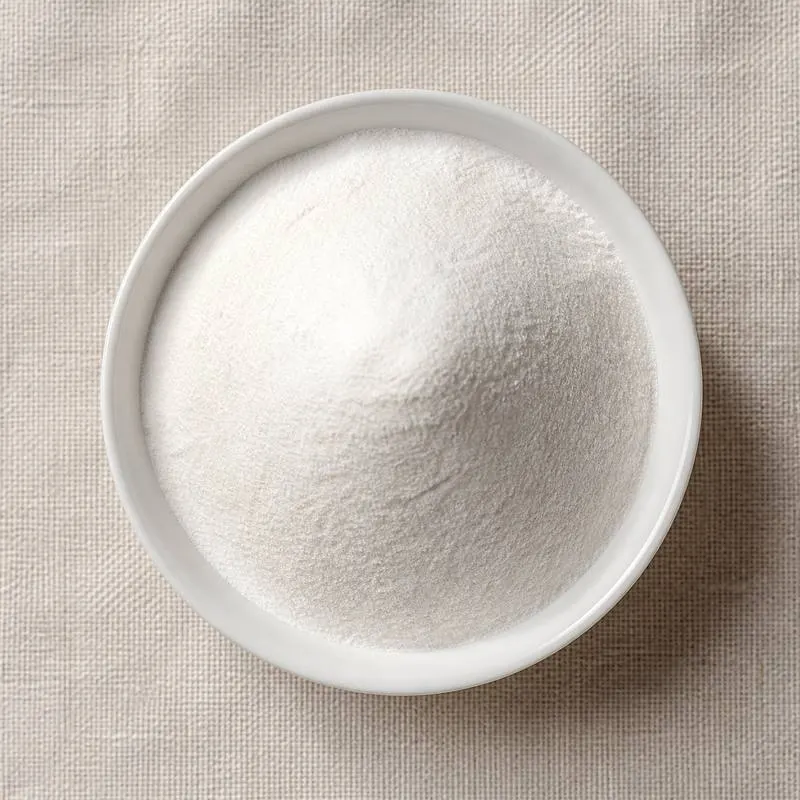
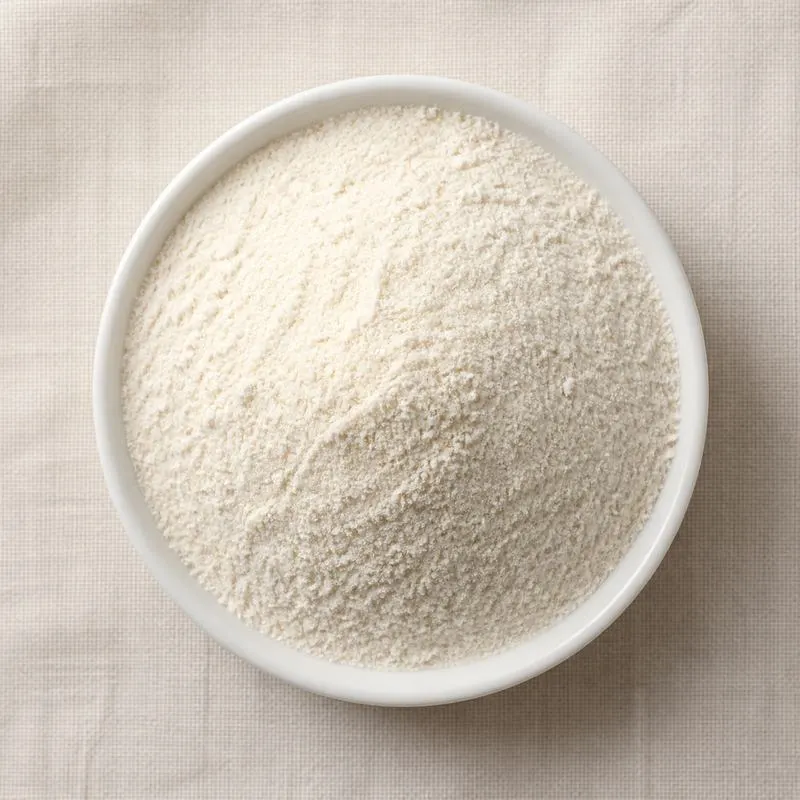
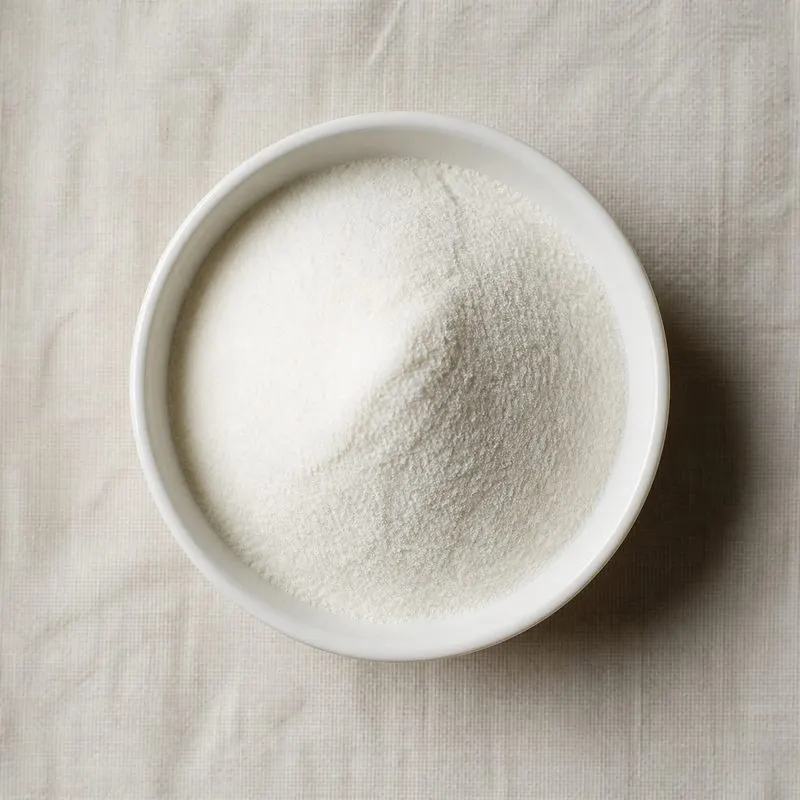
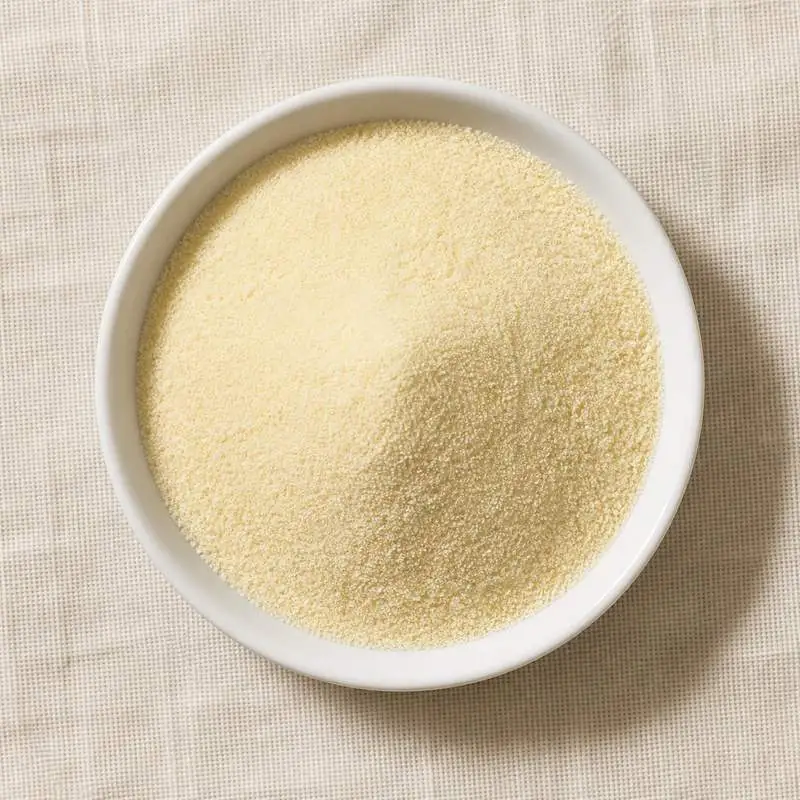
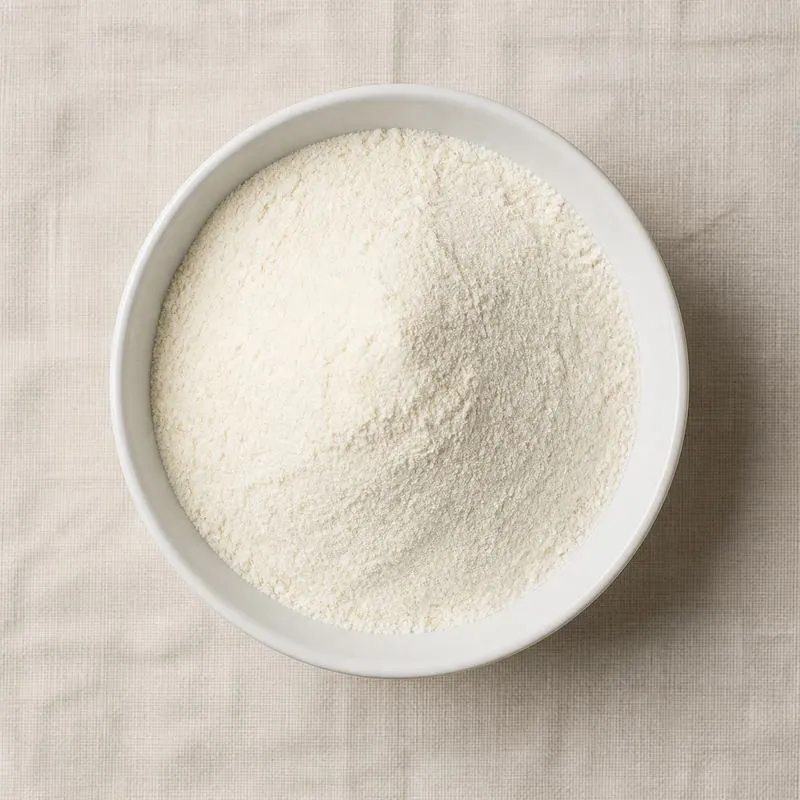
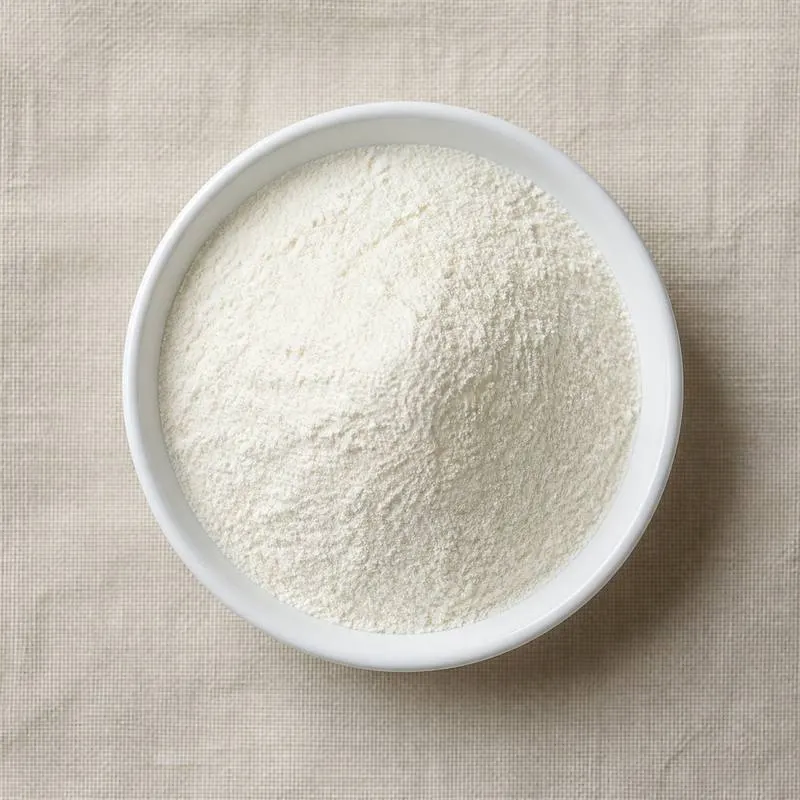
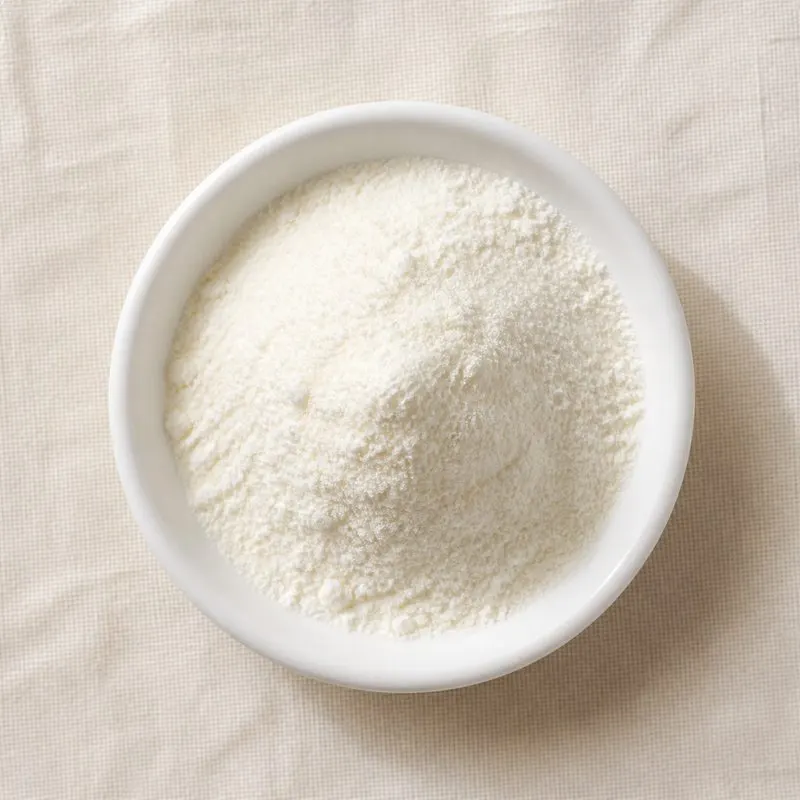
Acid casein is a white to cream granule or powder, practically insoluble in water. Caseinate, the neutralised sodium, calcium or potassium salt, dissolves readily and is the form most food formulations actually use.
We source bulk Casein from top China manufacturers for our partners. The manufacturers are in Gansu and Ningxia. A smaller requirement can ship in a combined container with other ingredients.
Please send the grade you need, the volume and your destination port, and we will come back with a solution and a price.
or call +86-21-6858 0751
- Function
- Protein
Specifications
| Item | Specification |
|---|---|
| Appearance | White to cream granules or free flowing powder |
| Odour and Taste | Clean, bland dairy, free from rancid or burnt notes |
| Protein, N x 6.38, dry basis | ≥ 90.0% acid casein, ≥ 84.0% rennet casein |
| Moisture | ≤ 12.0% |
| Fat | ≤ 2.0% |
| Lactose | ≤ 1.0% |
| Ash | ≤ 2.5% acid casein, ≤ 7.5% rennet casein |
| Free Acidity | ≤ 0.27 mL 0.1 M NaOH per gram |
| pH, caseinate solution | 6.5 to 7.0 |
| Sediment and Extraneous Matter | ≤ 22.5 mg per 25 g |
| Lead | ≤ 1.0 mg/kg |
| Total Plate Count | ≤ 30,000 CFU/g |
| Coliforms | Absent in 0.1 g |
| Yeast and Mould | ≤ 50 CFU/g |
| Salmonella | Absent in 25 g |
Common Markets Grades
The primary division is by how the casein was precipitated. Acid casein is thrown out of skimmed milk with mineral acid or by lactic fermentation and is essentially calcium free, insoluble and used mainly as the raw material for caseinate. Rennet casein is precipitated with chymosin, retains the colloidal calcium phosphate, and is insoluble and heat stable, which is why it is the standard protein in processed cheese and analogue cheese.
Acid casein is normally converted into caseinate by neutralisation. Sodium caseinate is the most soluble and the best emulsifier and is the workhorse of the food industry; calcium caseinate gives a whiter, more opaque dispersion and is used where calcium content or a less soluble profile is wanted; potassium caseinate serves sodium reduced formulations.
Beyond that, grades differ by mesh, from coarse granular for rehydration to fine powder for dry blending, by whether they are instantised for beverage use, and by a separate micellar casein grade produced by membrane filtration rather than precipitation, which retains the native micelle structure and is sold at a premium for slow release protein products.
Applications
- Processed and analogue cheese, where rennet casein supplies the protein structure and melt behaviour
- Sports nutrition, particularly night time and slow release protein powders, which rely on the gastric clotting behaviour
- Coffee whiteners and non-dairy creamers, where sodium caseinate emulsifies and prevents feathering in hot coffee
- Meat products, as an emulsifier and water binder in comminuted and injected systems
- Bakery and confectionery, contributing protein, water binding and browning
- Ice cream and frozen desserts, stabilising the emulsion and improving overrun
- Clinical and elderly nutrition, where slow digestion and heat stability both matter
- Infant formula, where the casein to whey ratio is adjusted to approximate human milk
- Whipped toppings, mousses and aerated desserts, using the surface activity of caseinate
- Industrial adhesives, paper coatings and paints, a long established non-food outlet for technical grade casein
Brands Using Casein
Widely-distributed consumer products that list Casein on the ingredient label.
- Optimum NutritionGold Standard 100% Casein Protein Powder ↗Optimum Nutrition builds this powder entirely on micellar casein, supplying 24 g of casein protein per serving with no whey blended in.Label verified 2026-08-31
- Ascent ProteinChocolate Micellar Casein ↗The ingredient list opens with micellar casein isolate, followed by cocoa, natural flavours, a guar and acacia and xanthan gum blend, sea salt and stevia leaf extract.Label verified 2026-08-31
- Transparent LabsGrass-Fed Casein Protein ↗Each serving lists 29.7 g of grass-fed micellar casein protein as the primary ingredient, with stevia for sweetening.Label verified 2026-08-31
Brand names, product names and logos are the property of their owners. They appear here as published evidence that the ingredient is used, taken from the brand's own label or website. Their appearance is not an endorsement, and it does not mean the brand buys from us or from any manufacturer listed on this site.
China Manufacturers of Casein
Top Casein manufacturers in China.
- Gansu Bozhenyuan Biological Dairy Co., Ltd.3 ingredients in the directory
 Ningxia Yimei Biotechnology Co., Ltd.3 ingredients in the directory
Company names and logos are the property of the manufacturers themselves. They are listed here because our own directory records them as producing this ingredient. A listing is not an endorsement by them, and we do not represent them or speak on their behalf.
Regulatory Status
In the United States casein and the caseinates are used as food ingredients, with sodium caseinate listed among the substances generally recognised as safe as a dietary protein source and as an emulsifier. A product containing caseinate cannot be labelled as non-dairy in a way that conceals its milk origin, since milk is a major food allergen and must be declared plainly. Casein used in standardised foods such as processed cheese is governed by the relevant standards of identity, which specify the dairy ingredients permitted.
In the European Union caseins and caseinates for human consumption are covered by a specific directive laying down the compositional and quality criteria for edible caseins and caseinates, which defines acid casein, rennet casein and the caseinates, sets minimum protein and maximum moisture, lactose, fat and ash limits and prescribes the reserved names under which they may be sold. Milk and products thereof appear in the list of allergens that must be emphasised in the ingredient list. The materials are food ingredients rather than additives, so no E number applies. Codex Alimentarius covers them in its Standard for Edible Casein Products, which sets equivalent compositional requirements and labelling provisions.
Manufacturing Process
Production begins with fresh milk that is separated centrifugally into cream and skimmed milk; casein is made from the skimmed stream. The skim is pasteurised and then precipitated by one of three routes. Mineral acid precipitation adjusts the milk to pH 4.6 with hydrochloric or sulphuric acid. Lactic precipitation uses a starter culture to ferment lactose to lactic acid and reach the same pH more gently. Rennet precipitation instead adds chymosin, which cleaves kappa casein and destabilises the micelle without lowering the pH, giving a curd that retains calcium phosphate.
In every route the curd is separated from the whey, then cooked and washed countercurrently with water in several stages. Washing is the step that determines quality: it removes residual lactose, whey protein, acid and minerals, and inadequate washing leaves lactose that browns in drying and gives an off colour and a Maillard flavour.
The washed curd is dewatered by pressing or centrifugation and then dried, usually in an attrition or fluid bed drier at moderate temperature, before milling and screening to the specified mesh. Where caseinate is the product, the wet acid curd is instead redispersed in water and neutralised with sodium, calcium or potassium hydroxide at controlled temperature until it dissolves, and the resulting solution is homogenised and spray dried, which gives a readily soluble powder. Micellar casein takes a different route altogether, being concentrated from skimmed milk by microfiltration, which retains the micelles and passes the whey protein, and is then evaporated and spray dried.