Brewed Vinegar
Brewed vinegar is an acidic condiment produced by two successive fermentations, an alcoholic fermentation of a sugar or starch source by yeast followed by an oxidative fermentation of that alcohol into acetic acid by acetic acid bacteria of the genera Acetobacter and Gluconobacter. The term distinguishes it from synthetic vinegar made by diluting acetic acid produced from petrochemical or wood derived feedstock.
Its principal functional component is acetic acid, present at four to nine percent in most traded grades, which lowers pH, contributes sourness and suppresses the growth of many spoilage organisms. Alongside the acid, brewed vinegar carries fermentation derived esters, higher alcohols, organic acids such as lactic and succinic, amino acids and residual sugars from the substrate, and it is this fraction that separates rice, cereal, malt, cider and wine vinegars from one another in flavour.
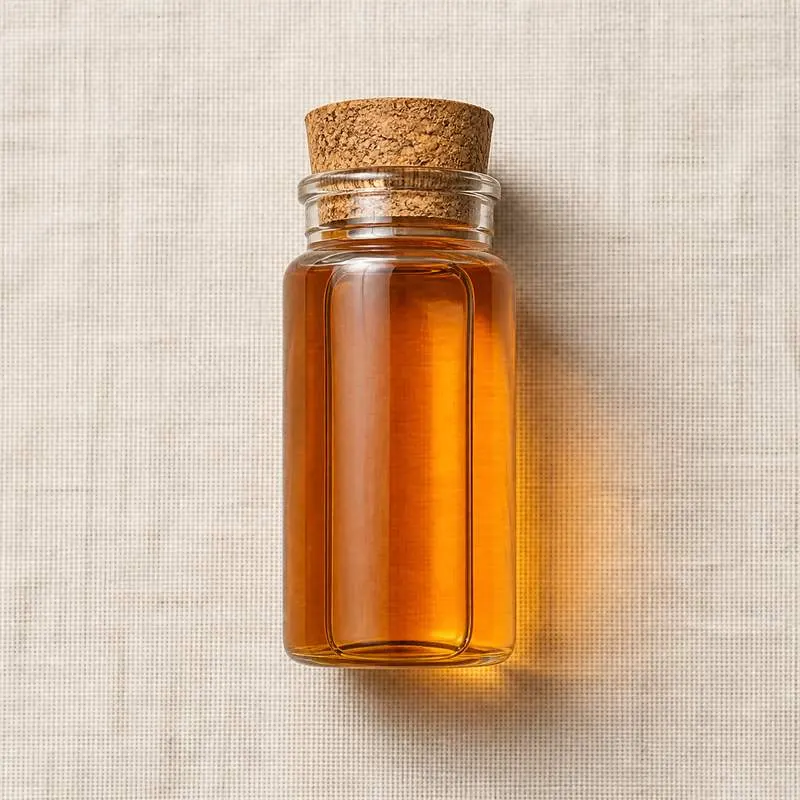
Colour runs from clear to deep brown according to substrate and ageing, and the liquid is fully miscible with water and stable at ambient temperature. Acetic acid is volatile, so open heating drives off aroma and part of the acid strength. Vinegar attacks mild steel and concrete, and is handled in stainless steel, glass or lined plastic throughout.
We source bulk Brewed Vinegar from top China manufacturers for our partners. The manufacturer is in Hebei. A smaller requirement can ship in a combined container with other ingredients.
Please send the grade you need, the volume and your destination port, and we will come back with a solution and a price.
or call +86-21-6858 0751
- Function
- Flavours and Aromas
Specifications
| Item | Specification |
|---|---|
| Appearance | Clear liquid, colour from colourless to deep brown according to substrate |
| Odour and taste | Characteristic of the declared substrate, free from mustiness |
| Total acidity as acetic acid | To declared value, 4.0 percent minimum |
| Residual alcohol | 0.5 percent by volume maximum |
| pH | 2.4 to 3.4 |
| Non volatile solids | To declared value according to substrate and ageing |
| Sulphated ash | 1.0 percent maximum |
| Free mineral acid | Absent |
| Iron | 10 mg per kg maximum |
| Lead | 0.5 mg per kg maximum |
| Arsenic | 0.5 mg per kg maximum |
| Total plate count | 100 cfu per millilitre maximum after pasteurisation |
| Yeast and mould | 10 cfu per millilitre maximum |
| E. coli | Absent in 1 millilitre |
Common Markets Grades
Brewed vinegars are graded first by substrate and then by acidity. Rice, cereal or grain, malt, cider, wine, sugar cane and spirit vinegars each trade as separate lines, and within a substrate the total acidity expressed as acetic acid sets the grade, commonly four to five percent for table strength, six to nine percent for industrial use and higher for concentrated stock intended for dilution. Colour is a further axis: white or clear grades are filtered and decolourised, while dark grades take their colour from the substrate, from added caramel or from extended ageing.
Beyond liquid vinegar, the same material is sold as a spray dried powder on a maltodextrin or starch carrier for dry blends, and as a buffered or double strength concentrate for antimicrobial use. Aged grades, including long matured dark rice vinegars, are sold on maturation time and non volatile solids rather than on acidity alone. Organic certified lines require a certified substrate and no synthetic processing aids, and unfiltered grades retain the bacterial cellulose sediment described as the mother.
Applications
- Table condiment and dipping sauce, where the substrate character rather than the acid strength decides the choice
- Pickling and preserved vegetable production, using the acid to drop pH below the range that supports spoilage and pathogen growth
- Mayonnaise, salad dressings and emulsified sauces, supplying acidity for both taste and preservation of the emulsion
- Tomato ketchup and condiment sauces, balancing sweetness and stabilising pH
- Marinades for meat and fish, where acid softens surface protein and improves seasoning uptake
- Bakery mould inhibition, dosed as buffered vinegar in place of a declared preservative
- Meat and delicatessen products, used as a clean label antimicrobial against listeria in ready to eat lines
- Beverages and shrub style drinks made from fruit vinegars
- Sushi rice seasoning, blended with sugar and salt
- Dry seasoning blends and snack coatings, using the powdered form to deliver a sour note
China Manufacturers of Brewed Vinegar
Top Brewed Vinegar manufacturers in China.
Company names and logos are the property of the manufacturers themselves. They are listed here because our own directory records them as producing this ingredient. A listing is not an endorsement by them, and we do not represent them or speak on their behalf.
Regulatory Status
In the United States vinegar is a food rather than an additive and is subject to a longstanding definition requiring at least four grams of acetic acid per one hundred millilitres, with labelling that identifies the substrate, such as cider vinegar, wine vinegar or distilled vinegar. Vinegar and its acetic acid content are recognised as generally recognised as safe, and vinegar used as an antimicrobial in processed foods is treated as a food ingredient rather than as a declared preservative, which is the basis of its clean label position.
In the European Union brewed vinegar is a food covered by general food law and, since it is not an additive, carries no E number, although acetic acid used as an additive in its own right is listed as E 260. Labelling rules require the substrate to be named, and wine vinegar is additionally governed by the wine sector rules. Codex has adopted a regional standard for vinegar which sets minimum acidity and substrate definitions and distinguishes fermented vinegar from synthetic acetic acid solutions. Sulphites carried over from wine substrates are declarable allergens above the usual threshold in both major markets.
Manufacturing Process
Production starts by preparing a fermentable substrate. Starch sources such as rice, sorghum, maize or barley are cooked and saccharified with malt or with microbial amylase and glucoamylase, while sugar sources such as fruit juice, wine or diluted molasses need no conversion. Yeast then ferments the sugars to ethanol under controlled temperature, giving an alcoholic liquor of roughly six to twelve percent alcohol depending on the intended vinegar strength.
The alcoholic liquor is transferred to acetification. Most industrial volume is made by the submerged process in an acetator, where a bacterial culture is held in the liquid and air is dispersed through it by a high speed aerator, oxidising ethanol to acetic acid over one to two days with cooling to remove the heat of reaction. Traditional and higher priced grades use the slower surface or generator processes, in which the liquid trickles over a packed bed of beechwood shavings or ferments in open vessels over weeks to months, giving a different balance of esters and non volatile solids. The raw vinegar is then aged in tanks or wooden vessels, clarified by settling, fining and filtration, sometimes decolourised with activated carbon, standardised to the target acidity with water or a stronger vinegar, and pasteurised before filling into bottles, drums or bulk tankers.