Caffeic Acid
Caffeic acid is 3,4-dihydroxycinnamic acid, a phenolic acid of formula C9H8O4 belonging to the hydroxycinnamic acid family alongside ferulic, p-coumaric and sinapic acid. It is one of the most widely distributed plant phenolics, present in coffee, apples, artichoke, olives, propolis and many medicinal herbs, though in plant tissue it is nearly always bound rather than free, most commonly esterified with quinic acid to form chlorogenic acid.
The catechol arrangement of two adjacent hydroxyl groups on the aromatic ring is what makes the molecule an antioxidant. It donates hydrogen readily to chain carrying radicals, and the resulting phenoxyl radical is stabilised by the ring and by hydrogen bonding to the neighbouring hydroxyl. The same catechol group chelates iron and copper, so the compound suppresses metal catalysed oxidation as well as scavenging radicals directly.
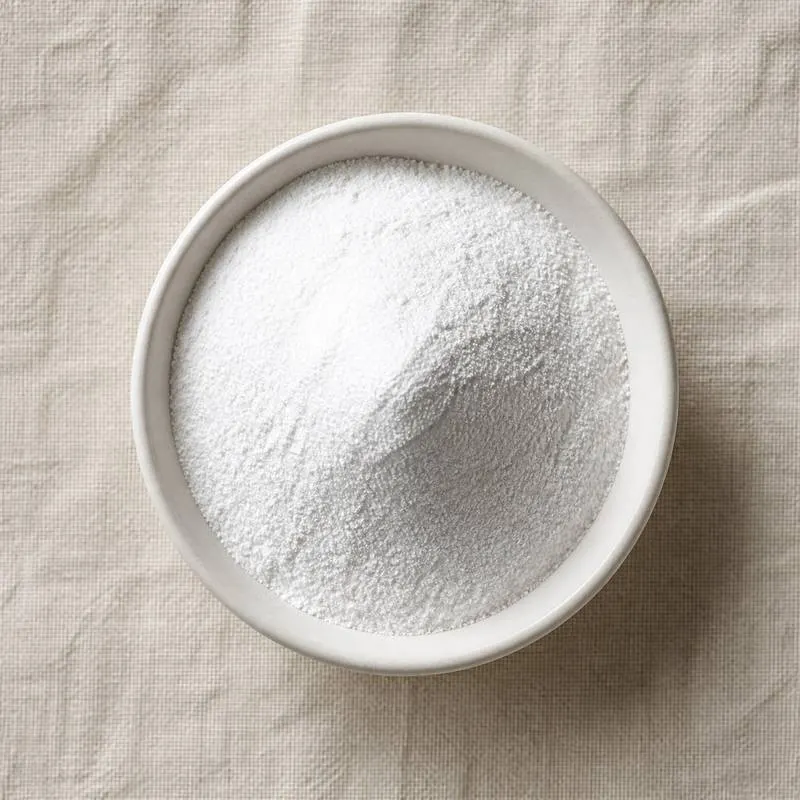
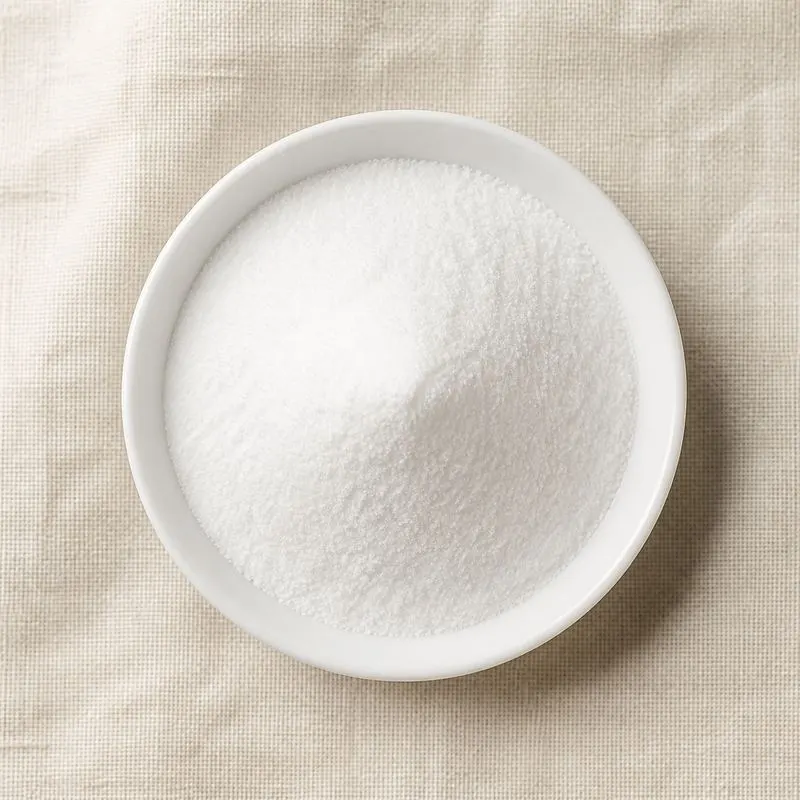
The isolated substance is a yellow to light yellow crystalline powder, odourless, which decomposes rather than melting cleanly at around 223 to 225 degrees Celsius. It is only slightly soluble in cold water and much more soluble in hot water, in ethanol and in alkaline solution. In neutral and alkaline conditions and in the presence of air or trace metals the catechol oxidises to a quinone and the material darkens, which is the reaction responsible for browning in cut plant tissue, so the powder is stored cool, dry and away from light.
We source bulk Caffeic Acid from top China manufacturers for our partners. The manufacturer is in Zhejiang. A smaller requirement can ship in a combined container with other ingredients.
Please send the grade you need, the volume and your destination port, and we will come back with a solution and a price.
or call +86-21-6858 0751
- Function
- Antioxidant
Specifications
| Item | Specification |
|---|---|
| Appearance | Yellow to light yellow crystalline powder |
| Identification | Infrared and ultraviolet spectra conform to reference standard |
| Assay by high performance liquid chromatography | Not less than 98.0% |
| Melting point with decomposition | 223 to 225 degrees Celsius |
| Related substances, total | Not more than 1.5% |
| Loss on drying | Not more than 0.5% |
| Residue on ignition | Not more than 0.2% |
| Residual solvent, ethanol | Not more than 0.5% |
| Residual solvent, pyridine | Not more than 200 mg/kg |
| Lead, as Pb | Not more than 1 mg/kg |
| Arsenic, as As | Not more than 1 mg/kg |
| Cadmium, as Cd | Not more than 0.5 mg/kg |
| Total plate count | Not more than 1,000 cfu/g |
| Salmonella | Absent in 25 g |
Common Markets Grades
Isolated caffeic acid is traded at 98 percent minimum by high performance liquid chromatography, with 99 percent grades produced for pharmaceutical intermediate use and for reference standards. The powder is crystalline, and particle size is a minor variable compared with purity and with residual solvent, which is the specification line most closely watched because the compound is crystallised from alcoholic solvents.
Below the isolated compound sit the standardised plant extracts that supply the same chemistry in a less purified form. Green coffee bean extract standardised on chlorogenic acid, honeysuckle and echinacea extracts standardised on caffeic acid derivatives, and propolis extracts are separate articles and are not interchangeable with the free acid on an assay basis, since most of their content is present as esters. Production route is also declared: material may be synthesised chemically or obtained by hydrolysing chlorogenic acid from a plant source, and the natural or nature identical claim available to a buyer follows from that route rather than from the analysis.
Applications
- Pharmaceutical intermediate manufacture, notably as the starting material for caffeic acid phenethyl ester and for haemostatic actives
- Antioxidant supplements and polyphenol formulations sold in capsule and tablet form
- Cosmetic actives, where the catechol group is used in antioxidant, anti-ageing and skin brightening preparations
- Sun care formulations, where hydroxycinnamic acids absorb in the ultraviolet region and stabilise other actives
- Oxidation studies and stability testing, where it is used as a model phenolic antioxidant
- Analytical reference standards for polyphenol quantification in coffee, wine, fruit and herbal products
- Feed and pet food antioxidant systems, where plant phenolics are used alongside tocopherols
- Cell culture and biochemical research on phenolic metabolism and on polyphenol oxidase
- Marker compound for the standardisation of botanical extracts in quality control
China Manufacturers of Caffeic Acid
Top Caffeic Acid manufacturers in China.

Company names and logos are the property of the manufacturers themselves. They are listed here because our own directory records them as producing this ingredient. A listing is not an endorsement by them, and we do not represent them or speak on their behalf.
Regulatory Status
Caffeic acid is consumed in quantity as a natural constituent of coffee, fruit and vegetables, but that does not give the isolated compound a permission as an added ingredient. In the United States it has no food additive listing, is not affirmed as generally recognised as safe, and is not among the recognised flavouring substances, so it is not added to conventional food on any of those bases. It is encountered as a dietary ingredient in supplements under the Dietary Supplement Health and Education Act, as a cosmetic ingredient, and as a pharmaceutical intermediate, the last of which is its largest outlet by volume and falls under active pharmaceutical ingredient rules rather than food regulation.
In the European Union caffeic acid is not an authorised food additive and has no E number. Placing the isolated substance on the market as a food or food ingredient would fall under the novel food rules in Regulation (EU) 2015/2283 unless a history of significant consumption in the Union before the novel food cut off date can be shown, which is a different question from the presence of the compound in ordinary foods. Botanical extracts containing it are assessed as extracts rather than as the pure compound, and health claims for phenolic antioxidants require authorisation under Regulation (EC) No 1924/2006. Regulation (EC) No 1223/2009 governs cosmetic use. Neither Codex nor JECFA has established specifications for the substance as a food additive.
Manufacturing Process
Two routes supply the market. The synthetic route is a Knoevenagel condensation in the Doebner variant: 3,4-dihydroxybenzaldehyde, itself made from catechol or from vanillin derivatives, is condensed with malonic acid in pyridine with a piperidine catalyst, and the intermediate loses carbon dioxide on heating to give the trans cinnamic acid directly. The reaction mass is acidified to precipitate the crude acid, which is filtered, washed and then recrystallised from aqueous ethanol, sometimes with a carbon treatment, until the chromatographic purity specification is met. Careful control of temperature and of exposure to air is needed while the crude acid is isolated, since the catechol oxidises and colours the product.
The extraction route starts from a plant material rich in bound caffeic acid, most often green coffee beans, honeysuckle flower or Eucommia bark. The milled material is extracted with hot water or aqueous ethanol, and the extract is clarified and passed over adsorption resin to concentrate the phenolic fraction and remove sugars and colour. The chlorogenic acid and related esters in that fraction are then hydrolysed, either with alkali under mild conditions or enzymatically with a chlorogenate esterase, releasing free caffeic acid and quinic acid. The hydrolysate is acidified, at which point the poorly soluble acid precipitates or can be extracted into an organic solvent, and it is then purified by carbon treatment, further chromatography where a high grade is required, and recrystallisation. In both routes the purified crystals are centrifuged, washed, dried under vacuum at low temperature, milled, sieved and packed in light excluding containers.