Green Coffee Bean Extract
Green Coffee Bean Extract is a standardised extract from unroasted seeds of Coffea arabica or Coffea robusta. The extract is produced for its chlorogenic acid content rather than its caffeine.
Roasting destroys most of the chlorogenic acid in coffee beans through thermal degradation and isomerisation. Extracting before roasting preserves the native polyphenol load, which is the commercial point of the ingredient.
The main trade specification is 45 percent or higher total chlorogenic acids by HPLC, with higher grades reaching 50 percent and 70 percent.
We source bulk Green Coffee Bean Extract from top China manufacturers for our partners. The manufacturer is in Zhejiang. A smaller requirement can ship in a combined container with other ingredients.
Please send the grade you need, the volume and your destination port, and we will come back with a solution and a price.
or call +86-21-6858 0751
- Packaging
- 25 kg fibre drum with double PE liner
- Function
- Plant extract
- ISO 9001
- HACCP
- Halal
- Kosher
Specifications
Grades / Types Available: Food Grade, Pharmaceutical Grade
| Item | Specification |
|---|---|
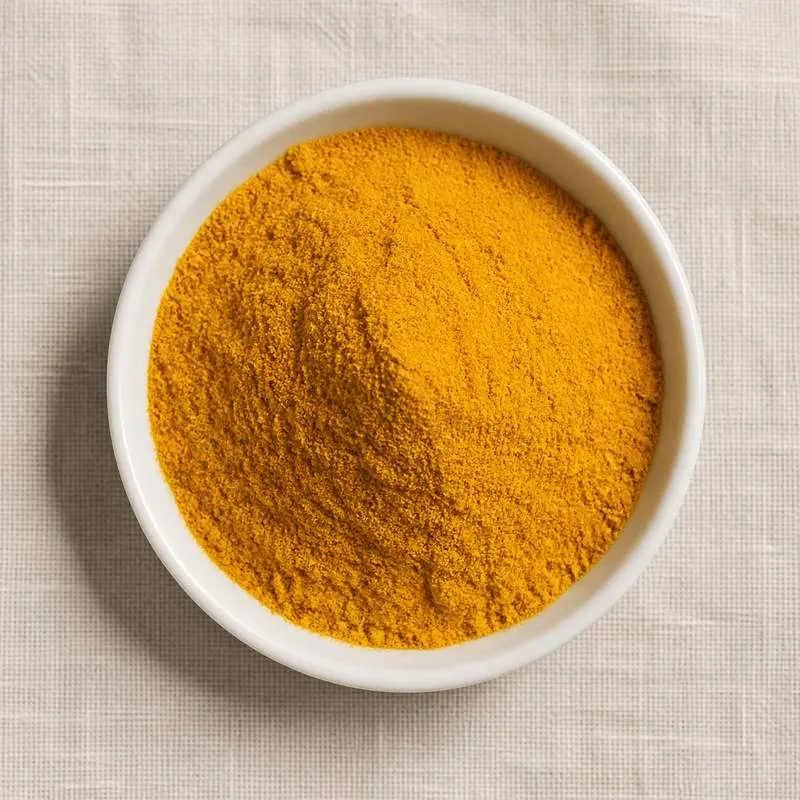
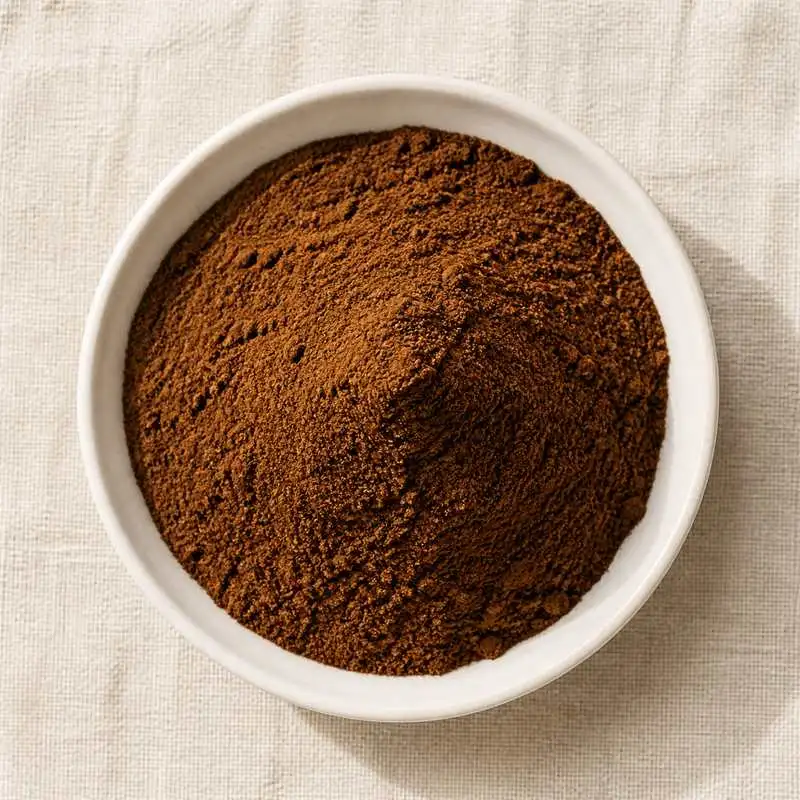
| Appearance | Light brown to greenish-brown powder |
| Assay (Chlorogenic Acids) | ≥ 45% / 50% / 60% (HPLC) |
| Caffeine Content | ≤ 2% / ≤ 5% (HPLC) |
| Particle Size | 95% pass 80 mesh |
| Moisture | ≤ 5.0% |
| Heavy Metals | ≤ 10 ppm |
| Purity (Food Grade) | ≥ 90% |
| Moisture/Loss on Drying | ≤ 5% |
| pH | 6.0 - 7.5 |
| Lead | ≤ 1 ppm |
| Arsenic | ≤ 0.5 ppm |
| Total Plate Count | ≤ 1000 cfu/g |
| Yeast & Mold | ≤ 100 cfu/g |
Common Markets Grades
Green Coffee Bean Extract is graded by chlorogenic acid percentage and by caffeine band.
The standard supplement grade is 45 to 50 percent chlorogenic acids on the bean variety Coffea robusta, which carries a naturally higher chlorogenic acid load than arabica. Residual caffeine is typically 2 to 6 percent.
A 50 percent grade with reduced caffeine (under 2 percent) is produced for stimulant-sensitive consumer segments. The decaffeination step uses a water-based wash on the green beans before extraction.
A 70 percent grade represents a further chromatographic concentration step and is the format used in branded ingredient programs such as Svetol and GCA.
Powder is the dominant format. Liquid concentrates for beverage applications exist at 10 to 20 percent solids in food-grade glycerin or water.
Applications
- Weight-management capsules and tablets at 200 to 400 mg per serving
- Pre-workout and thermogenic supplement stacks
- Multivitamin and antioxidant premixes positioned on polyphenol content
- Functional coffee blends fortified with the green-bean extract
- Ready-to-drink wellness shots and beverages
- Sports-nutrition powders for endurance positioning
- Healthy-aging skincare and topicals using the chlorogenic acid antioxidant profile
- Companion supplements paired with green tea extract and L-carnitine
- Nutrition bars and gummies in metabolic-health lines
- Premix capsules combined with garcinia, raspberry ketone, and CLA
Brands Using Green Coffee Bean Extract
Widely-distributed consumer products that list Green Coffee Bean Extract on the ingredient label.
- NOW FoodsGreen Coffee Diet Support Veg Capsules ↗Green coffee bean extract standardised for naturally occurring chlorogenic acids.Label verified 2026-05-24
- Source NaturalsGreen Coffee Extract 500 mg Tablets ↗Unroasted green coffee bean extract (GCA) standardised to about 45% chlorogenic acids, in tablets.Label verified 2026-05-24
- Life ExtensionCoffeeGenic Green Coffee Extract 400 mg ↗Standardized green coffee bean extract delivering chlorogenic acids; supports after-meal blood glucose levels.Label verified 2026-05-24
Brand names, product names and logos are the property of their owners. They appear here as published evidence that the ingredient is used, taken from the brand's own label or website. Their appearance is not an endorsement, and it does not mean the brand buys from us or from any manufacturer listed on this site.
China Manufacturers of Green Coffee Bean Extract
Top Green Coffee Bean Extract manufacturers in China.

Company names and logos are the property of the manufacturers themselves. They are listed here because our own directory records them as producing this ingredient. A listing is not an endorsement by them, and we do not represent them or speak on their behalf.
How We Help Source Green Coffee Bean Extract
Direct Factory Sourcing
We run the whole process: selecting the manufacturer from the top Chinese food ingredient producers, negotiating the price, verifying quality, and coordinating the logistics. You deal with us instead of with several factories at once.
Original Packaging and Documents from the Manufacturer
The manufacturer sends your Green Coffee Bean Extract out of its own factory in the original packing, through to your destination port. The COA, COO, MSDS, TDS and any certifications reach you from the manufacturer as well.
Free Samples and Lead Time
We send 100 to 500 g free for your own laboratory to test and you cover only the courier, usually within 2 to 3 working days. ETD is usually within 7 to 15 days once the order is confirmed, and we check that date against the factory's own manufacturing schedule before we give it to you.
Combined Shipment
We can load Green Coffee Bean Extract together with other ingredients such as Astaxanthin, Dehydrated Garlic and Lutein into one 20' FCL. If your quantity is small, we can also ship LCL.
Regulatory Status
Coffee and coffee extracts are conventional foods in essentially every market and the green-bean form inherits that status.
In the United States, Green Coffee Bean Extract is marketed as a dietary ingredient under DSHEA. Several specific branded extracts hold self-affirmed GRAS status for use in conventional foods and beverages.
In the European Union, green coffee bean extract was not subject to the Novel Food regulation because coffee bean material was in use as food before 1997. Caffeine labelling and warning thresholds apply when the residual caffeine exceeds 150 mg per litre in beverages.
Specifications track residual solvent, heavy metals, and ochratoxin A, which is the principal mycotoxin concern in coffee supply chains.
Manufacturing Process
Production begins with unroasted green coffee beans, predominantly Coffea robusta from Vietnam, India, and Indonesia, with arabica from Brazil and Colombia used for selected premium grades.
The beans are milled and extracted with hot water or aqueous ethanol. Ethanol is preferred when a higher chlorogenic acid load and a faster extraction time are needed.
The crude extract is filtered, concentrated under vacuum, and run through resin-adsorption columns that bind the polyphenol fraction. Washing the resin with water removes sugars and other water-soluble matrix components, and the chlorogenic acid fraction is then eluted with dilute alcohol.
The eluate is concentrated and spray-dried with a small carrier load. Reaching the 45 percent grade requires one resin pass; the 50 percent and 70 percent grades require additional purification or selective crystallisation of chlorogenic acid isomers.
Quality control quantifies the five major chlorogenic acid isomers (3-, 4-, and 5-CQA; 3,4- and 3,5-diCQA) by HPLC at 325 nm. The sum is reported as the total chlorogenic acid value on the certificate of analysis.