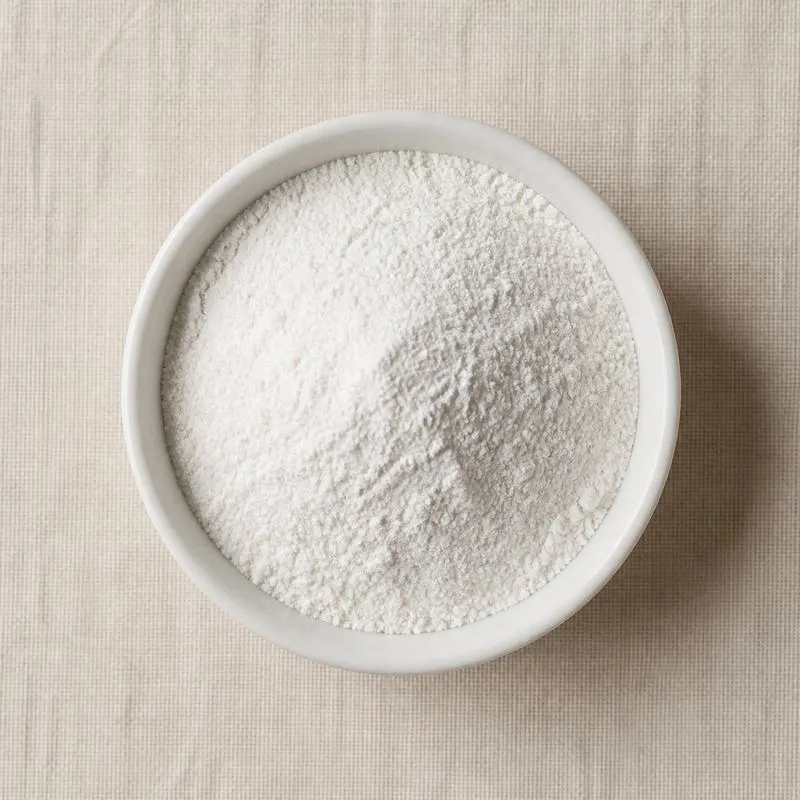
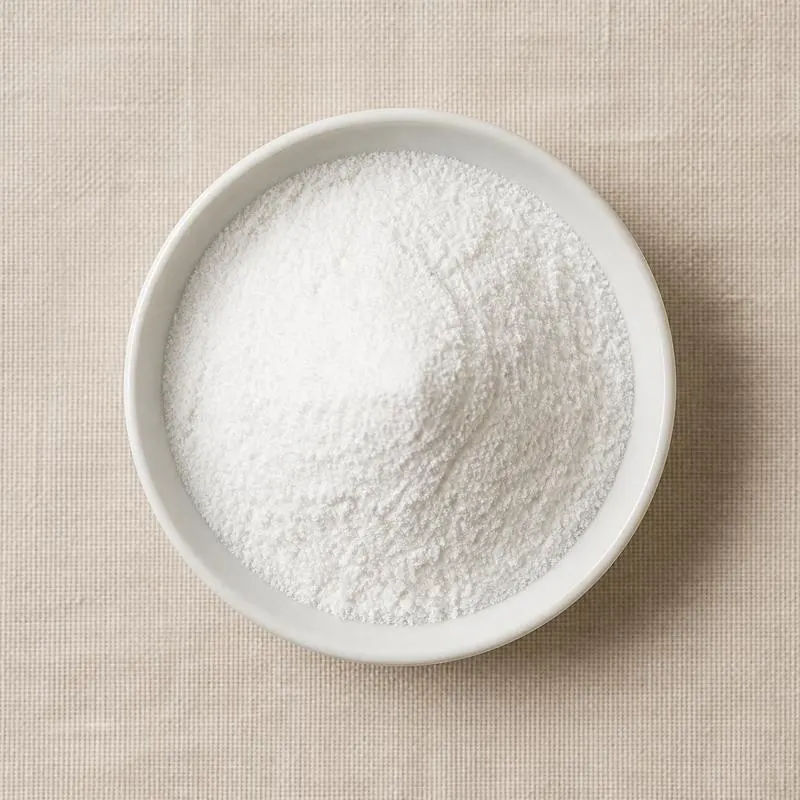
Calcium Magnesium Citrate
Calcium Magnesium Citrate is a mixed mineral citrate that delivers both calcium and magnesium in a single nutrient salt for dietary supplement and food fortification use.
The compound is a co-precipitated or blended mineral citrate, with calcium and magnesium present together as citrate-coordinated cations. Typical commercial product carries roughly 16 to 19 percent calcium and 4 to 8 percent magnesium, with citrate as the common anion.
We source bulk Calcium Magnesium Citrate from top China manufacturers for our partners. The manufacturer is in Guangxi. A smaller requirement can ship in a combined container with other ingredients.
Please send the grade you need, the volume and your destination port, and we will come back with a solution and a price.
or call +86-21-6858 0751
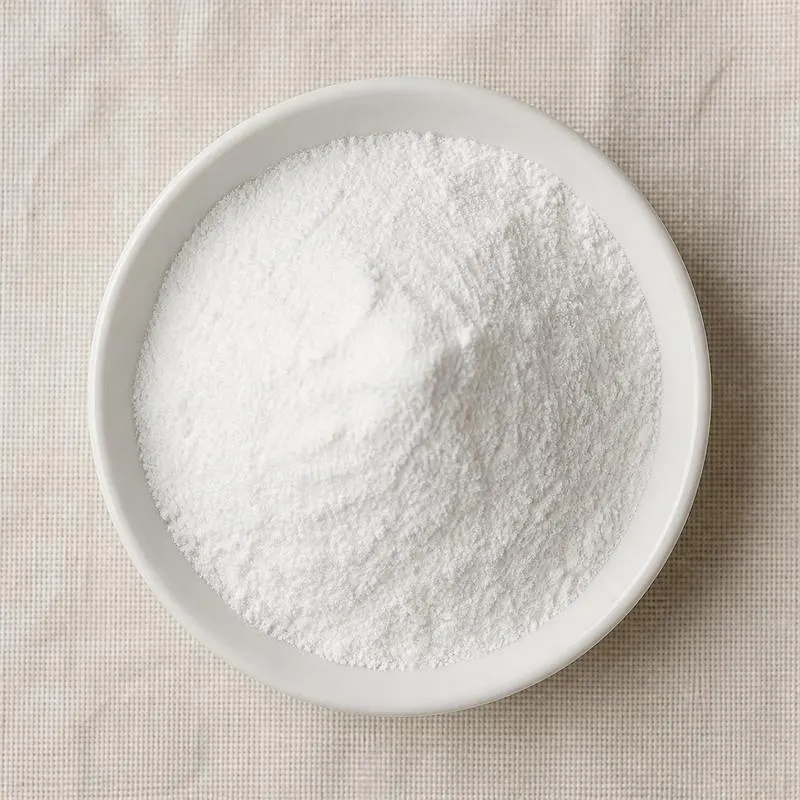
- Packaging
- 25 kg kraft paper bag with PE inner liner
- ISO 9001
- HACCP
- Halal
- Kosher
Specifications
| Item | Specification |
|---|---|
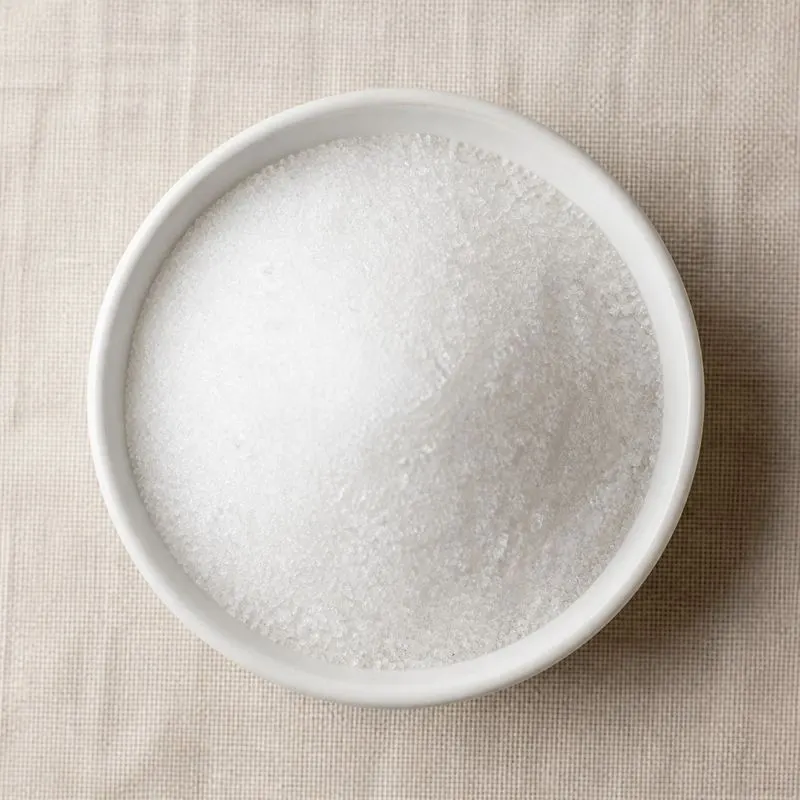
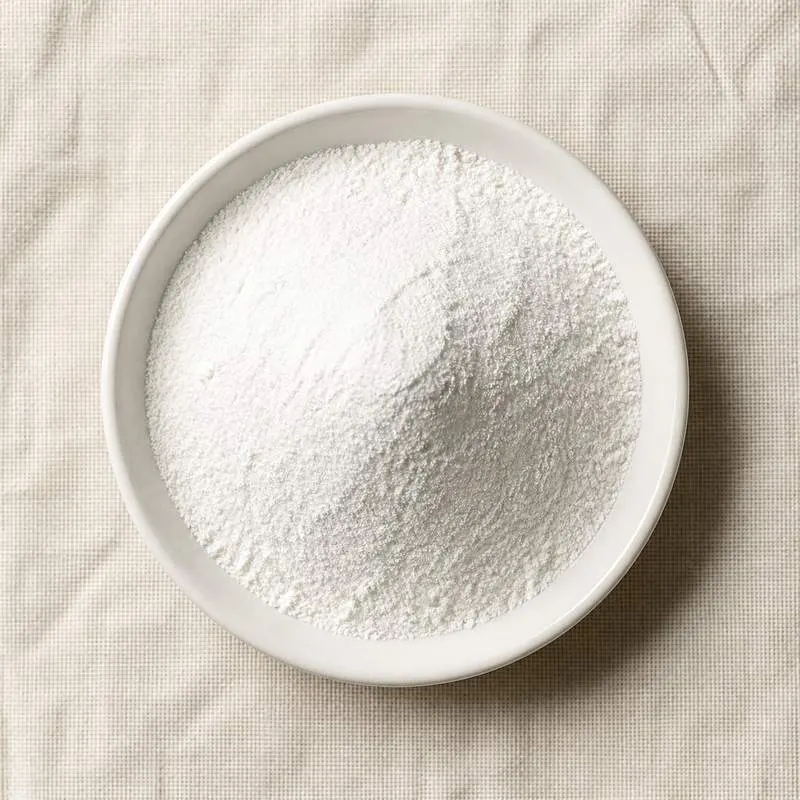
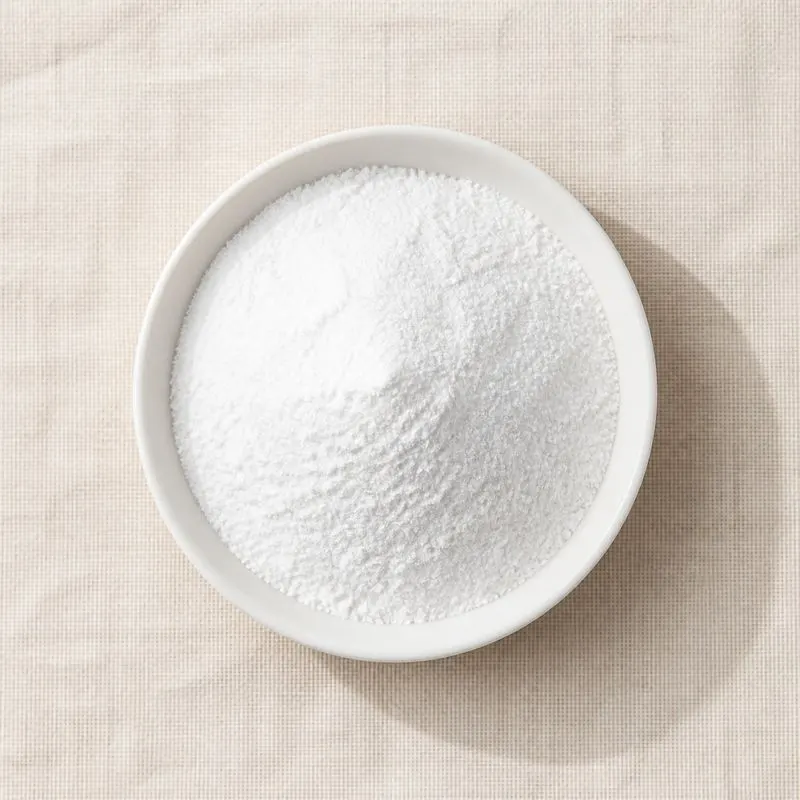
| Appearance | White to off-white fine powder |
| Identification | Conforms to FCC |
| Calcium (as Ca) | 16.0 - 19.0% |
| Magnesium (as Mg) | 4.0 - 8.0% |
| Citrate Content | ≥ 60.0% |
| Loss on Drying | ≤ 5.0% |
| pH (5% slurry) | 6.0 - 8.0 |
| Chloride | ≤ 0.05% |
| Sulfate | ≤ 0.10% |
| Fluoride | ≤ 30 mg/kg |
| Heavy Metals (as Pb) | ≤ 10 mg/kg |
| Lead | ≤ 2 mg/kg |
| Arsenic | ≤ 3 mg/kg |
| Total Plate Count | ≤ 1,000 cfu/g |
| Yeast & Mould | ≤ 100 cfu/g |
Common Markets Grades
The category splits into two grades, which formulators should not confuse: a co-precipitated mixed salt and a physical blend.
True mixed-salt grades are produced by co-precipitation of calcium and magnesium from a single citric acid solution. The resulting crystals carry both cations in a unified citrate matrix, and the calcium-to-magnesium ratio is fixed by the manufacturing recipe. Common ratios are 2:1 and 3:1 calcium to magnesium, matching the dietary intake recommendations for the two minerals.
Physical-blend grades are dry mixtures of separately produced calcium citrate and magnesium citrate. They offer flexibility on the cation ratio but require careful blending control to maintain uniformity in the finished supplement.
Tableting and capsule forms differ in particle size and bulk density. Direct-compression forms carry granulated particles with engineered flow; capsule and powder-blend forms are fine powders. Either grade is milled or granulated this way, so these are physical forms rather than a further split.
All grades meet FCC purity specifications, with calcium and magnesium content stated separately on the certificate of analysis.
Applications
- Bone-health supplements combining calcium and magnesium in the recommended dietary ratio
- Cardiovascular-support formulations leveraging magnesium's role in vascular function and calcium's role in muscle contraction
- Multivitamin and multimineral products as a paired-mineral source
- Sports-nutrition formulations addressing muscle function and electrolyte balance
- Women's-health and post-menopausal supplements for bone-density support
- Senior-nutrition products combining bone, muscle, and cardiovascular positioning
- Functional beverages and powdered drink mixes with mineral fortification claims
- Effervescent supplement formats where citrate solubility supports rapid dissolution
- Sleep-support and relaxation formulations built on magnesium's positioning
- Chewable and gummy formats in adult bone-health ranges
Brands Using Calcium Magnesium Citrate
Widely-distributed consumer products that list Calcium Magnesium Citrate on the ingredient label.
- SolgarSolgar Calcium Magnesium Citrate Tablets ↗Solgar Calcium Magnesium Citrate (250 Tablets) supplement facts: Calcium (as calcium citrate), Magnesium (as magnesium oxide, magnesium citrate). Other ingredients: microcrystalline cellulose, vegetable cellulose, vegetable stearic acid, vegetable magnesium stearate, silica, vegetable glycerin, carnauba wax. Free from gluten, wheat, dairy, soy, yeast.Label verified 2026-05-24
- SolgarSolgar Liquid Calcium Magnesium Citrate with Vitamin D3 (Natural Blueberry) ↗A liquid supplement in natural blueberry flavour delivering calcium citrate, magnesium citrate and vitamin D3.Label verified 2026-05-24
- NOW FoodsNOW Foods Calcium & Magnesium Citrate Powder with Vitamin D3 ↗NOW Foods Calcium & Magnesium Citrate Powder supplement facts: Vitamin D3 5 mcg (200 IU), Calcium (from Calcium Citrate) 400 mg, Magnesium (from Magnesium Citrate) 400 mg per scoop. No other ingredients listed.Label verified 2026-05-24
- Pure EncapsulationsPure Encapsulations Calcium Magnesium (Citrate) ↗Pure Encapsulations Calcium Magnesium (Citrate) supplement label: Calcium (as calcium citrate) 240 mg + Magnesium (as magnesium citrate) 240 mg per 3 capsules. Other ingredients: vegetarian capsule (cellulose, water), ascorbyl palmitate.Label verified 2026-05-24
Brand names, product names and logos are the property of their owners. They appear here as published evidence that the ingredient is used, taken from the brand's own label or website. Their appearance is not an endorsement, and it does not mean the brand buys from us or from any manufacturer listed on this site.
China Manufacturers of Calcium Magnesium Citrate
Top Calcium Magnesium Citrate manufacturers in China.

Company names and logos are the property of the manufacturers themselves. They are listed here because our own directory records them as producing this ingredient. A listing is not an endorsement by them, and we do not represent them or speak on their behalf.
How We Help Source Calcium Magnesium Citrate
Direct Factory Sourcing
We run the whole process: selecting the manufacturer from the top Chinese food ingredient producers, negotiating the price, verifying quality, and coordinating the logistics. You deal with us instead of with several factories at once.
Original Packaging and Documents from the Manufacturer
The manufacturer sends your Calcium Magnesium Citrate out of its own factory in the original packing, through to your destination port. The COA, COO, MSDS, TDS and any certifications reach you from the manufacturer as well.
Free Samples and Lead Time
We send 100 to 500 g free for your own laboratory to test and you cover only the courier, usually within 2 to 3 working days. ETD is usually within 7 to 15 days once the order is confirmed, and we check that date against the factory's own manufacturing schedule before we give it to you.
Combined Shipment
We can load Calcium Magnesium Citrate together with other ingredients such as Sodium Acetate, Calcium Citrate and Sodium Lactate into one 20' FCL. If your quantity is small, we can also ship LCL.
Regulatory Status
Calcium Magnesium Citrate is regulated as a combination of the individually permitted calcium citrate and magnesium citrate.
The European Union lists both calcium citrate and magnesium citrate as authorised mineral sources in food supplements under Directive 2002/46/EC. Regulation (EC) 1925/2006 permits the same salts for the addition of minerals to foods.
The U.S. Food and Drug Administration recognises calcium citrate and magnesium citrate as appropriate calcium and magnesium sources for use in dietary supplements and conventional foods. Citric acid itself is GRAS.
JECFA has evaluated both calcium citrate and magnesium citrate within the broader citrate group of food additives, with not-specified ADI status reflecting their long history of safe use.
Pharmacopoeial monographs cover calcium citrate (USP, Ph. Eur., JP) and magnesium citrate (USP, Ph. Eur.). Halal and Kosher certifications are widely available given the mineral-and-fermentation origin of all inputs.
Manufacturing Process
The standard manufacturing route co-precipitates the mixed salt from a single reactor.
Citric acid is dissolved in water and partially neutralised by addition of calcium carbonate and magnesium carbonate (or the hydroxides) in the target molar ratio. Carbon dioxide evolves as the carbonates react, and the solution clarifies as the citric acid is consumed.
Concentration by evaporation drives the mixed salt to crystallise. The crystals are collected by filtration, washed, and dried. Spray-drying is an alternative finishing step that gives a finer, more dispersible product preferred for beverage applications.
For physical-blend grades, separately produced calcium citrate and magnesium citrate are dry-blended in a ribbon or paddle mixer to the target cation ratio, with verification by atomic absorption spectroscopy of the finished blend.
Citric acid feedstock is produced industrially by fermentation of Aspergillus niger on sugar substrates. Calcium and magnesium sources are mineral-origin carbonates from limestone and dolomite deposits.