Magnesium Carbonate
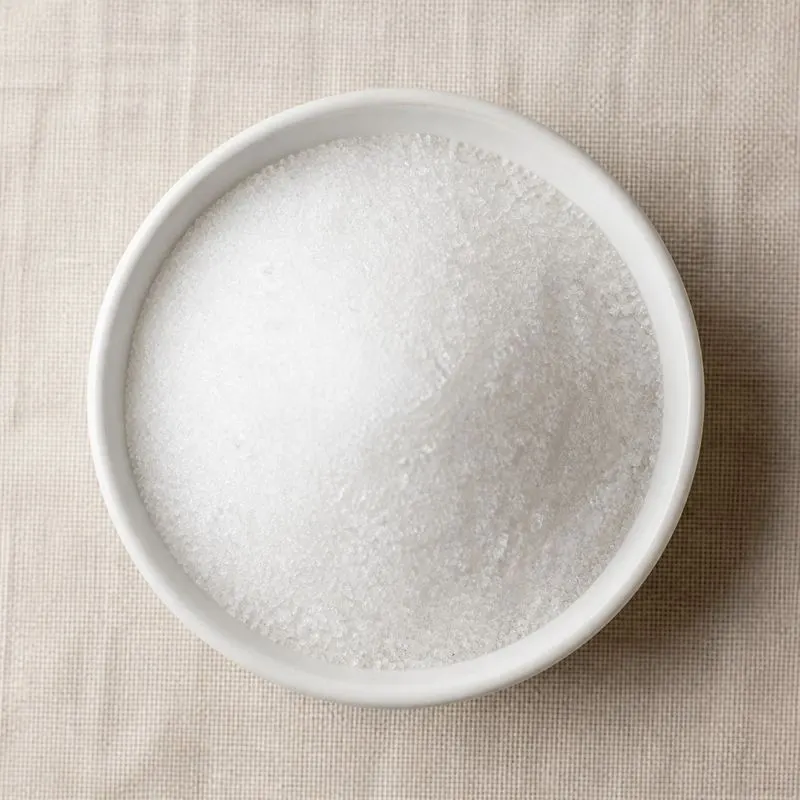
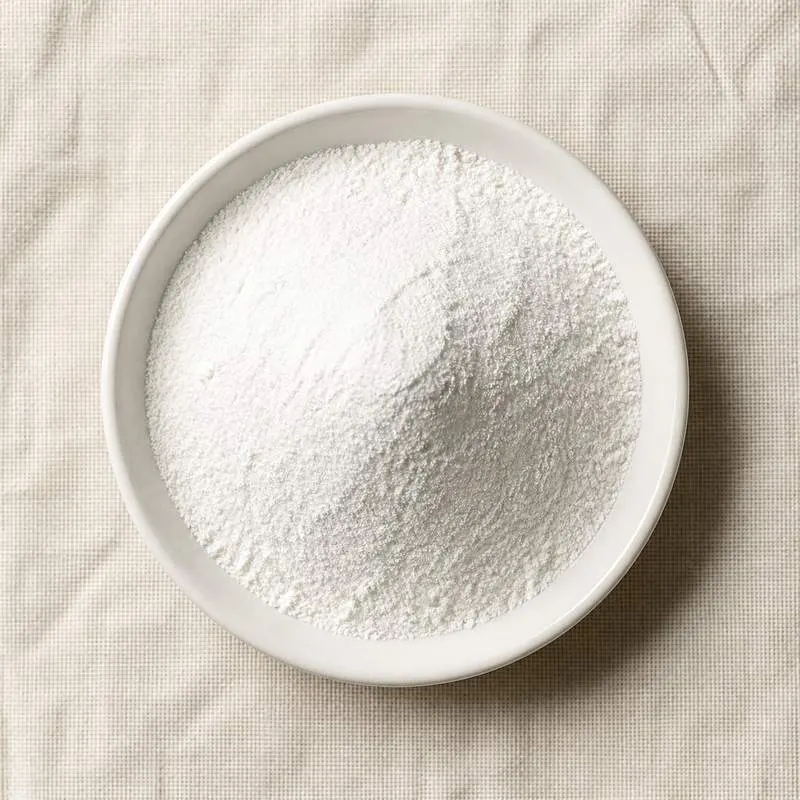
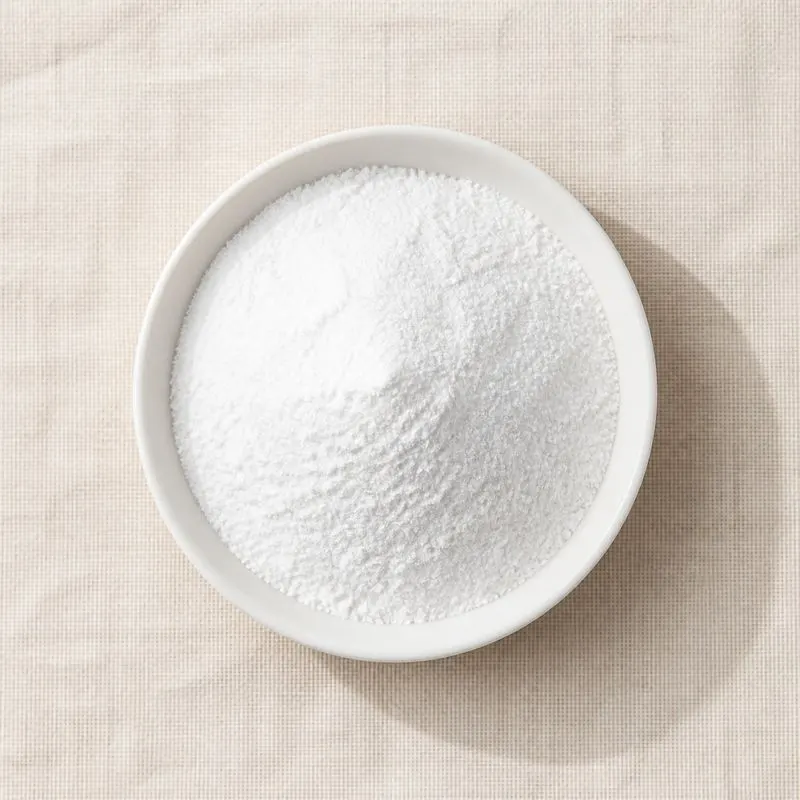
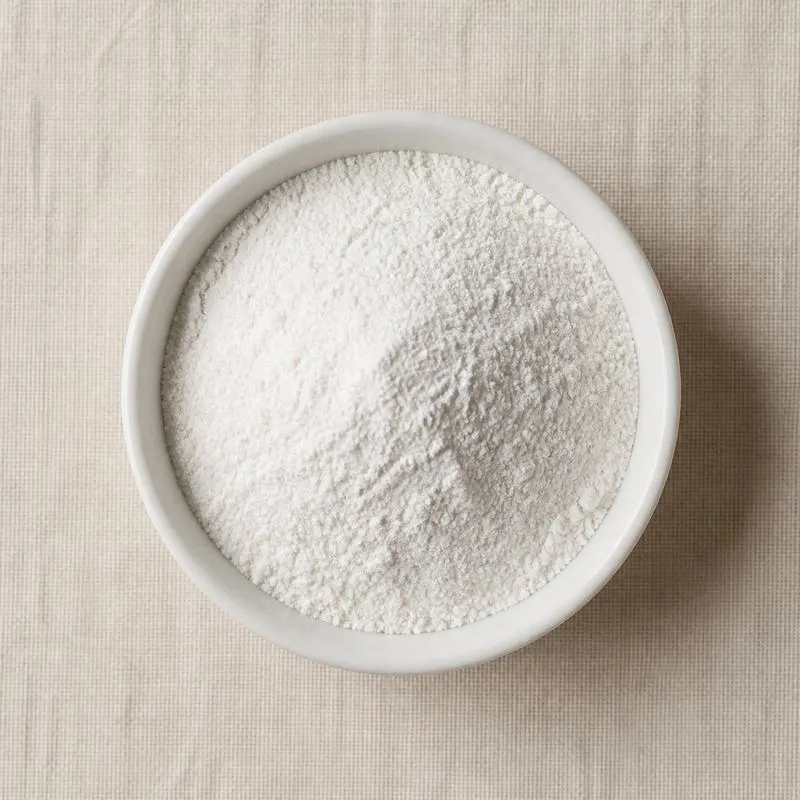
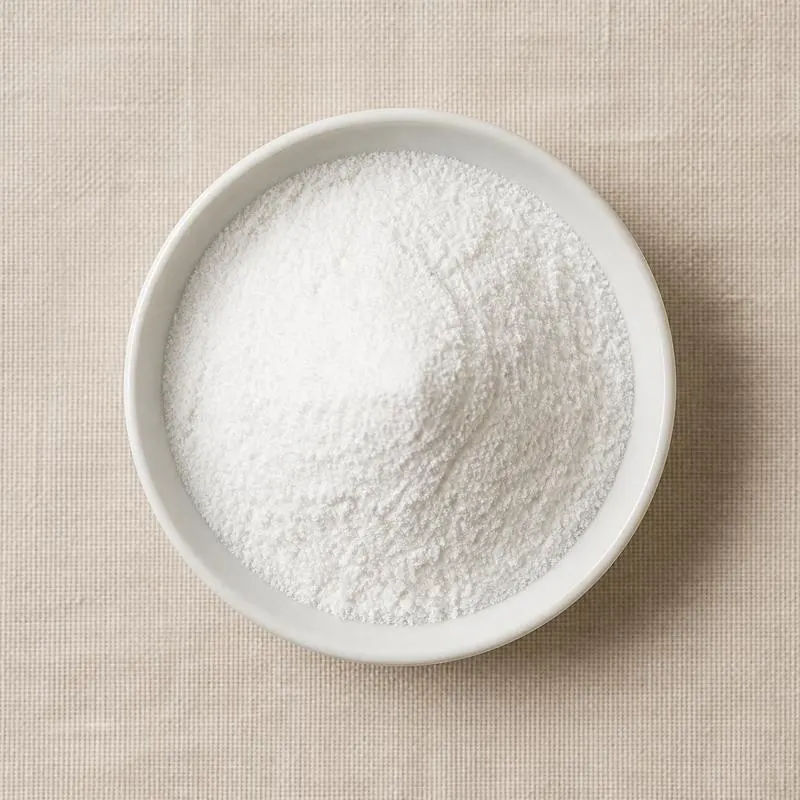
Magnesium Carbonate is an inorganic magnesium salt with the formula MgCO₃, sold as a light, bulky white powder with negligible odour and a very faint earthy taste.
The material occurs naturally as the mineral magnesite and is also produced synthetically. Its combination of mild alkalinity, low solubility in water, and high oil-absorbing capacity gives it a wide footprint across antacid pharmaceuticals, anti-caking food applications, and sports grip products.
We source bulk Magnesium Carbonate from top China manufacturers for our partners, working with several of them. The manufacturers are mostly in Hebei, Guangxi and Jiangsu. A smaller requirement can ship in a combined container with other ingredients.
Please send the grade you need, the volume and your destination port, and we will come back with a solution and a price.
or call +86-21-6858 0751
- Packaging
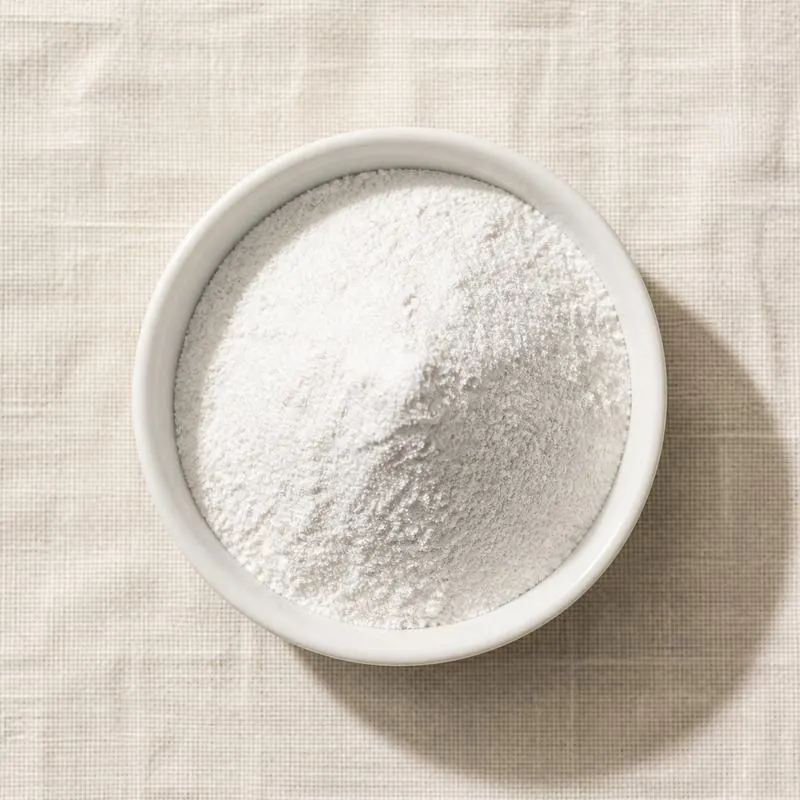
- 25 kg kraft paper bag with PE inner liner
- ISO 9001
- HACCP
- Halal
- Kosher
Specifications
| Item | Specification |
|---|---|
| Appearance | White odorless light bulky powder |
| Assay (as MgCO3 basis) | 40 to 45% (light grade); higher for heavy grade |
| Elemental magnesium | 25 to 28% w/w |
| Loss on drying | ≤ 5.0% |
| Loss on ignition | 56 to 63% (light grade) |
| Acid-insoluble matter | ≤ 0.05% |
| Heavy metals (as Pb) | ≤ 10 mg/kg |
| Arsenic | ≤ 2 mg/kg |
| Chloride | ≤ 0.1% |
| Sulfate | ≤ 0.5% |
| Soluble salts | ≤ 1.0% |
| Microbiology | Meets pharmacopoeial limits for food/pharmaceutical grade |
| Shelf life | 36 months from manufacture under recommended storage |
| Storage | Cool, dry, sealed; protect from acids |
Common Markets Grades
Magnesium Carbonate divides into two physical families that share the same chemistry but behave very differently in formulation.
Heavy magnesium carbonate has a bulk density near 0.5 g/cm³ and is preferred for tablet compression, where flowability and dense fill weight matter.
Light magnesium carbonate has a bulk density closer to 0.15 g/cm³ and a much higher specific surface area. It is the format used for anti-caking duty, gymnastics chalk, and absorbent carriers for liquid flavours.
Pharmaceutical grades comply with USP and Ph. Eur. monographs, with tight limits on iron, heavy metals, calcium oxide, and acid-insoluble matter.
Food grade matches FCC and the E504(i) specification. A basic magnesium carbonate variant, MgCO₃·Mg(OH)₂·xH₂O, is also offered when slightly higher alkalinity is desired.
Applications
- Antacid active in chewable tablets and combination products with calcium carbonate or aluminium hydroxide
- Anti-caking agent for table salt, powdered sugar, dry seasoning blends, and instant beverage mixes
- Carrier and absorbent for spray-dried flavour concentrates and essential oils
- Gymnastics, weightlifting, and rock-climbing chalk sold as loose powder, blocks, or liquid suspensions
- Dietary supplement format providing about 28 to 45 percent elemental magnesium depending on the basic-carbonate ratio
- Filler and free-flow aid in pharmaceutical direct-compression tablets
- Cosmetic loose powders, dry shampoos, and matte foundations as an oil absorber
- Rubber and plastic compounding as a white reinforcing filler with low abrasivity
- Fire-extinguisher dry powders and flame-retardant mineral blends
- Magnesia-based cements and specialty refractory precursors after thermal decomposition
Brands Using Magnesium Carbonate
Widely-distributed consumer products that list Magnesium Carbonate on the ingredient label.
Brand names, product names and logos are the property of their owners. They appear here as published evidence that the ingredient is used, taken from the brand's own label or website. Their appearance is not an endorsement, and it does not mean the brand buys from us or from any manufacturer listed on this site.
China Manufacturers of Magnesium Carbonate
Top Magnesium Carbonate manufacturers in China.
 Gangxi Yunbo Health Technology Co., Ltd.10 ingredients in the directory
 Hebei Meishen Technology Co., Ltd.4 ingredients in the directory
 Hebei Messi Biology Co., Ltd.4 ingredients in the directory
 Lianyungang Hengsheng Fine Chemical Co., Ltd.10 ingredients in the directory
 Nature Food Technology Co.;Ltd.12 ingredients in the directory
Company names and logos are the property of the manufacturers themselves. They are listed here because our own directory records them as producing this ingredient. A listing is not an endorsement by them, and we do not represent them or speak on their behalf.
How We Help Source Magnesium Carbonate
Direct Factory Sourcing
We run the whole process: selecting the manufacturer from the top Chinese food ingredient producers, negotiating the price, verifying quality, and coordinating the logistics. You deal with us instead of with several factories at once.
Original Packaging and Documents from the Manufacturer
The manufacturer sends your Magnesium Carbonate out of its own factory in the original packing, through to your destination port. The COA, COO, MSDS, TDS and any certifications reach you from the manufacturer as well.
Free Samples and Lead Time
We send 100 to 500 g free for your own laboratory to test and you cover only the courier, usually within 2 to 3 working days. ETD is usually within 7 to 15 days once the order is confirmed, and we check that date against the factory's own manufacturing schedule before we give it to you.
Combined Shipment
We can load Magnesium Carbonate together with other ingredients such as Sodium Acetate, Calcium Citrate and Sodium Lactate into one 20' FCL. If your quantity is small, we can also ship LCL.
Regulatory Status
Magnesium Carbonate is approved for food use in essentially every regulated market.
In the European Union it carries the additive number E504, split into E504(i) magnesium carbonate and E504(ii) magnesium hydrogen carbonate, with quantum satis authorisation for most categories.
The U.S. Food and Drug Administration recognises the substance as GRAS under 21 CFR 184.1425, with specific direct-food provisions and over-the-counter antacid status under the OTC monograph for stomach acid.
JECFA has reviewed magnesium salts as a group and assigned them acceptable status for use as food additives.
Pharmacopoeial monographs appear in the United States Pharmacopeia (USP), the European Pharmacopoeia (Ph. Eur.), the British Pharmacopoeia (BP), and the Japanese Pharmacopoeia (JP). Halal and Kosher certification is routine for the synthetic grades.
Manufacturing Process
Two industrial routes account for most synthetic supply.
The carbonation route bubbles carbon dioxide through a slurry of magnesium hydroxide, precipitating the bicarbonate intermediate which is then heated to drop out the normal or basic carbonate. The resulting particle size and bulk density are tuned by temperature, CO₂ pressure, and the rate of decomposition.
The brine-soda route reacts magnesium chloride brines or seawater bittern with sodium carbonate. The precipitated magnesium carbonate trihydrate is filtered, washed, and either dried directly for the light form or calcined and rehydrated for the heavy form.
Natural mineral magnesite is also ground and beneficiated for less demanding industrial uses such as refractories and rubber compounding.