Calcium Oxide
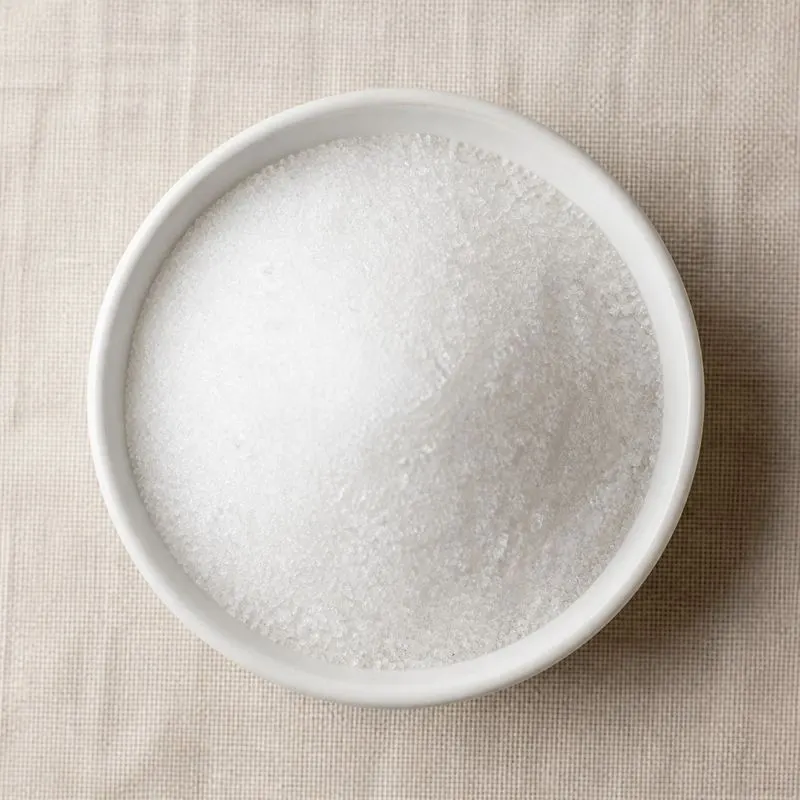
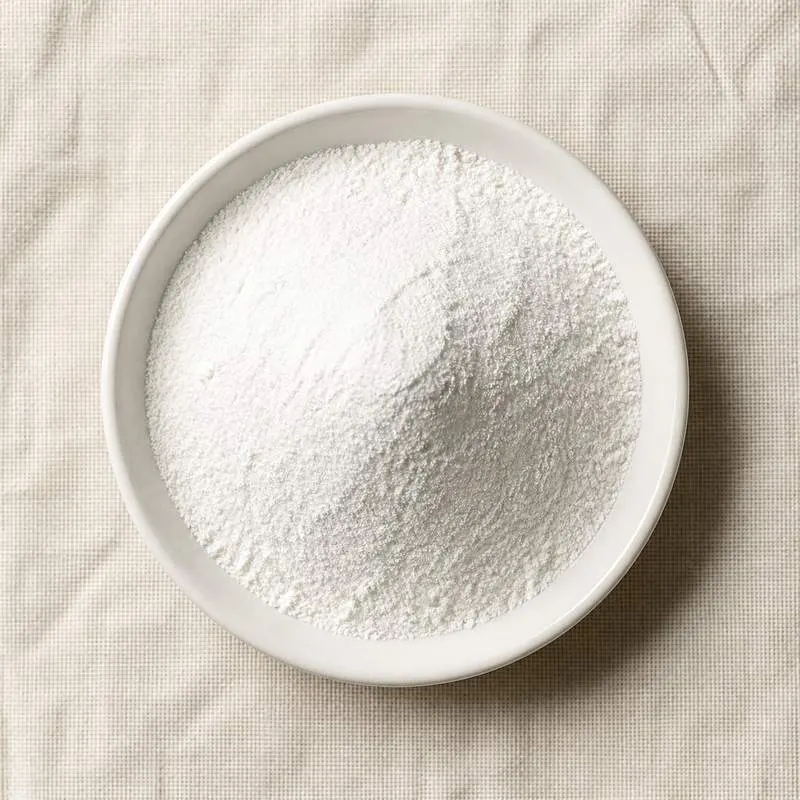
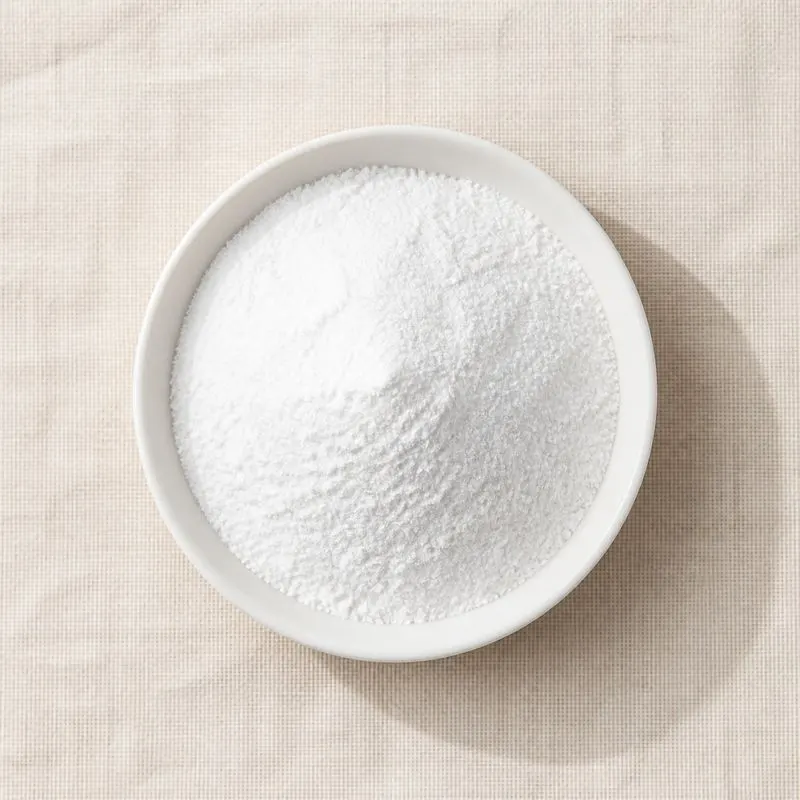
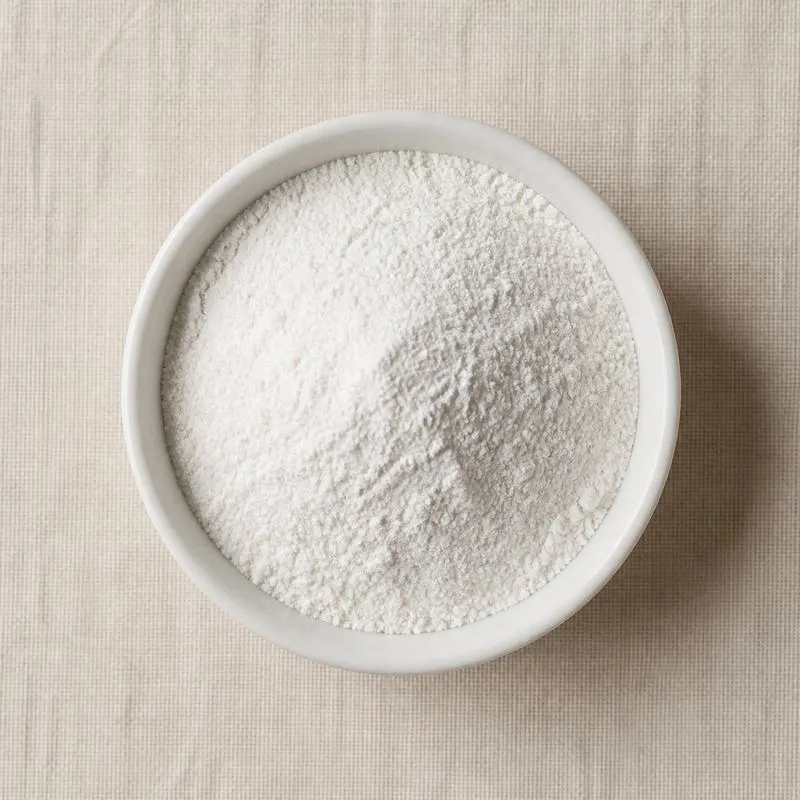
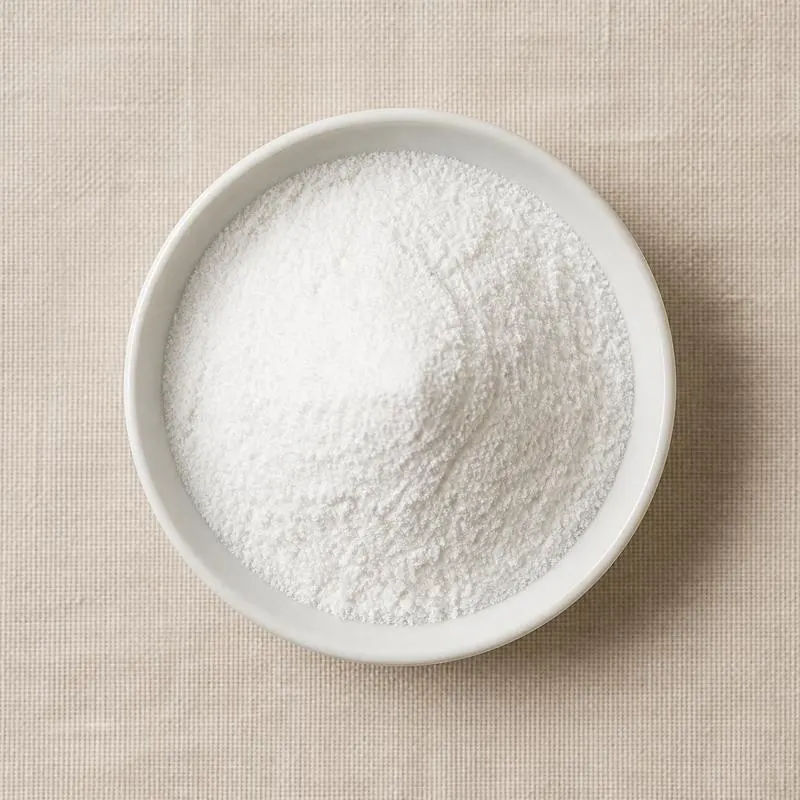
Calcium Oxide is the inorganic compound of formula CaO (CAS 1305-78-8), better known as quicklime, burnt lime, or unslaked lime. It is produced by the high-temperature calcination of limestone and is one of the oldest manufactured chemicals in human history.
The material is a white, alkaline, highly reactive solid that gives off a lot of heat when it contacts water. In food applications it serves as a desiccant and processing aid, with notable roles in sugar refining and self-heating ready-meal technology.
We source bulk Calcium Oxide from top China manufacturers for our partners, working with several of them. The manufacturers are mostly in Guangxi, Jiangxi and Shandong. A smaller requirement can ship in a combined container with other ingredients.
Please send the grade you need, the volume and your destination port, and we will come back with a solution and a price.
or call +86-21-6858 0751
- Packaging
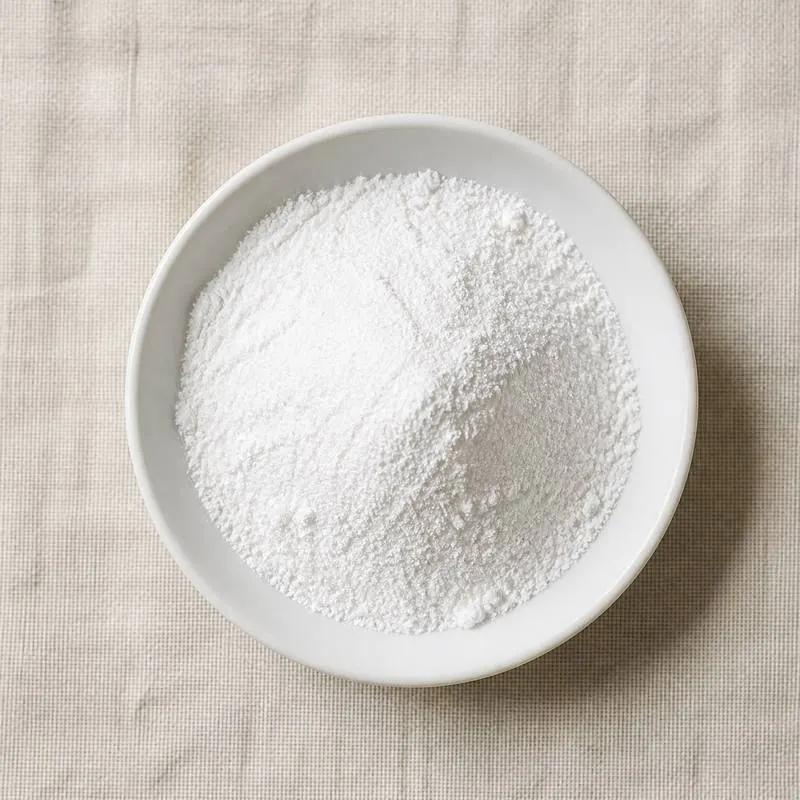
- 25 kg kraft paper bag with PE inner liner
- ISO 9001
- HACCP
- Halal
- Kosher
Specifications
| Item | Specification |
|---|---|
| Appearance | White to greyish-white powder, granules or lumps |
| Assay (as CaO, ignited basis) | ≥ 95.0% |
| Loss on Ignition | ≤ 3.0% |
| Carbon Dioxide (as CO₂) | ≤ 1.5% |
| Acid-Insoluble Substances | ≤ 1.0% |
| Magnesium Oxide (as MgO) | ≤ 2.0% |
| Silica (as SiO₂) | ≤ 1.5% |
| Iron (as Fe₂O₃) | ≤ 0.3% |
| Reactivity (slaking, ΔT in 3 min) | ≥ 40 °C |
| Fluoride | ≤ 50 mg/kg |
| Heavy Metals (as Pb) | ≤ 10 mg/kg |
| Lead | ≤ 2 mg/kg |
| Arsenic | ≤ 3 mg/kg |
| Shelf Life | 12 months in unopened original packaging |
Common Markets Grades
Calcium Oxide is graded by reactivity, purity, and particle-size profile.
High-calcium quicklime, with at least 90 percent CaO, is the standard grade for steelmaking, flue-gas treatment, and chemical manufacturing. Dolomitic quicklime, containing significant magnesium oxide, is used in selected steel and glass applications.
Food-grade Calcium Oxide meets Food Chemicals Codex specifications, with controlled limits on lead, arsenic, fluoride, and acid-insoluble residue. Pebble, granular, and pulverised formats all serve direct food contact and processing-aid use.
Pharmaceutical-grade material meets USP, BP, and EP monographs and is used as a desiccant in pharmaceutical packaging and in selected dental and laboratory preparations. Reactivity is characterised by standardised slaking tests that measure temperature rise on water addition.
Applications
- Self-heating ready-meal pouches and beverage cans, where exothermic hydration warms the contents
- Food drying and desiccation in packaging of moisture-sensitive products
- Sugar refining for clarification and removal of non-sugar impurities
- Brewing and distilling water treatment for pH adjustment
- Calcium source for production of calcium hydroxide and downstream calcium salts
- Steelmaking slag former for sulphur and phosphorus removal in basic oxygen furnaces
- Cement, mortar, and concrete production as a primary calcium source
- Drinking-water softening and pH adjustment in municipal treatment plants
- Flue-gas desulfurization for sulphur dioxide capture in coal-fired plants
- Pulp and paper manufacturing in the kraft recovery cycle
- Glass-making batch ingredient for soda-lime glass
- Agricultural soil neutralisation and acid-mine drainage remediation
China Manufacturers of Calcium Oxide
Top Calcium Oxide manufacturers in China.
 Guilin Hongxing Chemical Co., Ltd.4 ingredients in the directory
 Jiangxi Chuangxian Fine Calcium Co., Ltd.3 ingredients in the directory
 Jining Liguo Biotechnology Co., Ltd.4 ingredients in the directory
 Qianan Xinglong Biotechnology Co., Ltd.4 ingredients in the directory
Company names and logos are the property of the manufacturers themselves. They are listed here because our own directory records them as producing this ingredient. A listing is not an endorsement by them, and we do not represent them or speak on their behalf.
How We Help Source Calcium Oxide
Direct Factory Sourcing
We run the whole process: selecting the manufacturer from the top Chinese food ingredient producers, negotiating the price, verifying quality, and coordinating the logistics. You deal with us instead of with several factories at once.
Original Packaging and Documents from the Manufacturer
The manufacturer sends your Calcium Oxide out of its own factory in the original packing, through to your destination port. The COA, COO, MSDS, TDS and any certifications reach you from the manufacturer as well.
Free Samples and Lead Time
We send 100 to 500 g free for your own laboratory to test and you cover only the courier, usually within 2 to 3 working days. ETD is usually within 7 to 15 days once the order is confirmed, and we check that date against the factory's own manufacturing schedule before we give it to you.
Combined Shipment
We can load Calcium Oxide together with other ingredients such as Sodium Acetate, Calcium Citrate and Sodium Lactate into one 20' FCL. If your quantity is small, we can also ship LCL.
Regulatory Status
Calcium Oxide is approved as a food processing aid, additive, and pharmaceutical ingredient in essentially all regulated markets.
In the European Union it carries the food additive number E529, and Regulation (EC) 1333/2008 permits it as an acidity regulator and flour treatment agent. The U.S. Food and Drug Administration affirms it as GRAS under 21 CFR 184.1210 for direct food use as a dough conditioner, nutrient, and pH control agent.
Pharmacopoeial monographs appear in USP-NF, Ph. Eur., and BP. NSF/ANSI 60 certification is widely available for water-treatment grades and is required by many municipal water utilities in North America.
Because of its highly caustic and exothermic reaction with water and skin moisture, workplace handling is regulated under OSHA, NIOSH, and equivalent agencies, with standard permissible exposure limits and protective equipment requirements.
Manufacturing Process
Calcium Oxide is produced by the calcination of limestone or other carbonate rocks.
High-purity limestone is crushed, screened, and fed to vertical shaft kilns, rotary kilns, or annular shaft kilns that operate at 900 to 1200 °C. The kiln drives off carbon dioxide and leaves behind quicklime as the solid product. Modern parallel-flow regenerative shaft kilns are among the most energy-efficient designs, recovering heat from the exhaust gas to preheat the limestone feed.
The discharged quicklime is screened into pebble (5 to 50 mm), granular (1 to 5 mm), and pulverised fractions. Reactivity is set by the kiln temperature profile, residence time, and limestone quality, so that soft-burnt limes are highly reactive and hard-burnt limes react more slowly.
Food-grade material is produced from carefully selected low-magnesium, low-trace-element limestone, with kiln operation tuned to minimise fluoride and metal contamination, and packaged immediately to avoid air-slaking by atmospheric moisture and CO₂.